Compare commits
39 Commits
| Author | SHA1 | Date | |
|---|---|---|---|

|
ae44ec9820 | ||
|
|
1c805b3d00 | ||
|
|
a20e6aa022 | ||
|
|
b5ee6c200c | ||
|
|
8a2e328a33 | ||
|
|
129e4d1b2f | ||
|
|
fcf87370a8 | ||
|
|
63b96c34ce | ||
|
|
94efa18c28 | ||
|
|
1c5b0cbbeb | ||
|
|
b62e160a89 | ||
|
|
d534c72a54 | ||
|
|
6a79b05cf0 | ||
|
|
f2c179de58 | ||
|
|
977c316eb1 | ||
|
|
367eac2229 | ||
|
|
5fca6c0120 | ||
|
|
42f2ad96a3 | ||
|
|
a0f248c20e | ||
|
|
9bb4e63a11 | ||
|
|
4003d077ce | ||
|
|
91ee6a1dbb | ||
|
|
92f9b6c3bd | ||
|
|
ddaf37ffa9 | ||
|
|
683605a9dc | ||
|
|
c178bbf2e5 | ||
|
|
802c575506 | ||
|
|
848f3713ad | ||
|
|
0c03811d6a | ||
|
|
36dd261d06 | ||
|
|
61b5914a80 | ||
|
|
9813a6f950 | ||
|
|
fadb69e203 | ||
|
|
ee8d9bd40a | ||
|
|
d578aaefcd | ||
|
|
75b28225db | ||
|
|
5d23fb1e3a | ||
|
|
d14ef52b80 | ||
|
|
41482e02a6 |
9
Makefile
9
Makefile
@@ -20,7 +20,10 @@ endif
|
||||
override SILENT := false
|
||||
|
||||
ifndef SUB_IS_SILENT
|
||||
QMK_VERSION := $(shell git describe --abbrev=0 --tags 2>/dev/null)
|
||||
ifndef SKIP_GIT
|
||||
QMK_VERSION := $(shell git describe --abbrev=0 --tags 2>/dev/null)
|
||||
endif
|
||||
|
||||
ifneq ($(QMK_VERSION),)
|
||||
$(info QMK Firmware $(QMK_VERSION))
|
||||
endif
|
||||
@@ -94,6 +97,7 @@ $(eval $(call NEXT_PATH_ELEMENT))
|
||||
# endif
|
||||
|
||||
define GET_KEYBOARDS
|
||||
ifndef ALT_GET_KEYBOARDS
|
||||
All_RULES_MK := $$(patsubst $(ROOT_DIR)/keyboards/%/rules.mk,%,$$(wildcard $(ROOT_DIR)/keyboards/*/rules.mk))
|
||||
All_RULES_MK += $$(patsubst $(ROOT_DIR)/keyboards/%/rules.mk,%,$$(wildcard $(ROOT_DIR)/keyboards/*/*/rules.mk))
|
||||
All_RULES_MK += $$(patsubst $(ROOT_DIR)/keyboards/%/rules.mk,%,$$(wildcard $(ROOT_DIR)/keyboards/*/*/*/rules.mk))
|
||||
@@ -105,6 +109,9 @@ define GET_KEYBOARDS
|
||||
KEYMAPS_MK += $$(patsubst $(ROOT_DIR)/keyboards/%/rules.mk,%,$$(wildcard $(ROOT_DIR)/keyboards/*/*/*/*/keymaps/*/rules.mk))
|
||||
|
||||
KEYBOARDS := $$(sort $$(filter-out $$(KEYMAPS_MK), $$(All_RULES_MK)))
|
||||
else
|
||||
KEYBOARDS := $(shell find keyboards/ -type f -iname "rules.mk" | grep -v keymaps | sed 's!keyboards/\(.*\)/rules.mk!\1!' | sort | uniq)
|
||||
endif
|
||||
endef
|
||||
|
||||
$(eval $(call GET_KEYBOARDS))
|
||||
|
||||
@@ -297,8 +297,8 @@ This runs code every time that the layers get changed. This can be useful for l
|
||||
This example shows how to set the [RGB Underglow](feature_rgblight.md) lights based on the layer, using the Planck as an example
|
||||
|
||||
```c
|
||||
uint32_t layer_state_set_user(uint32_t state) {
|
||||
switch (biton32(state)) {
|
||||
layer_state_t layer_state_set_user(layer_state_t state) {
|
||||
switch (get_highest_layer(state)) {
|
||||
case _RAISE:
|
||||
rgblight_setrgb (0x00, 0x00, 0xFF);
|
||||
break;
|
||||
@@ -320,8 +320,8 @@ uint32_t layer_state_set_user(uint32_t state) {
|
||||
```
|
||||
### `layer_state_set_*` Function Documentation
|
||||
|
||||
* Keyboard/Revision: `uint32_t layer_state_set_kb(uint32_t state)`
|
||||
* Keymap: `uint32_t layer_state_set_user(uint32_t state)`
|
||||
* Keyboard/Revision: `layer_state_t layer_state_set_kb(layer_state_t state)`
|
||||
* Keymap: `layer_state_t layer_state_set_user(layer_state_t state)`
|
||||
|
||||
|
||||
The `state` is the bitmask of the active layers, as explained in the [Keymap Overview](keymap.md#keymap-layer-status)
|
||||
@@ -377,8 +377,8 @@ void keyboard_post_init_user(void) {
|
||||
The above function will use the EEPROM config immediately after reading it, to set the default layer's RGB color. The "raw" value of it is converted in a usable structure based on the "union" that you created above.
|
||||
|
||||
```c
|
||||
uint32_t layer_state_set_user(uint32_t state) {
|
||||
switch (biton32(state)) {
|
||||
layer_state_t layer_state_set_user(layer_state_t state) {
|
||||
switch (get_highest_layer(state)) {
|
||||
case _RAISE:
|
||||
if (user_config.rgb_layer_change) { rgblight_sethsv_noeeprom_magenta(); rgblight_mode_noeeprom(1); }
|
||||
break;
|
||||
|
||||
@@ -184,22 +184,15 @@ Pressing any key during sleep should wake host.
|
||||
|
||||
Arduino Leonardo and micro have **ATMega32U4** and can be used for TMK, though Arduino bootloader may be a problem.
|
||||
|
||||
## Enabling JTAG
|
||||
|
||||
## Using PF4-7 Pins of USB AVR?
|
||||
You need to set JTD bit of MCUCR yourself to use PF4-7 as GPIO. Those pins are configured to serve JTAG function by default. MCUs like ATMega*U* or AT90USB* are affected with this.
|
||||
By default, the JTAG debugging interface is disabled as soon as the keyboard starts up. JTAG-capable MCUs come from the factory with the `JTAGEN` fuse set, and it takes over certain pins of the MCU that the board may be using for the switch matrix, LEDs, etc.
|
||||
|
||||
If you are using Teensy this isn't needed. Teensy is shipped with JTAGEN fuse bit unprogrammed to disable the function.
|
||||
If you would like to keep JTAG enabled, just add the following to your `config.h`:
|
||||
|
||||
See this code.
|
||||
```c
|
||||
#define NO_JTAG_DISABLE
|
||||
```
|
||||
// JTAG disable for PORT F. write JTD bit twice within four cycles.
|
||||
MCUCR |= (1<<JTD);
|
||||
MCUCR |= (1<<JTD);
|
||||
```
|
||||
https://github.com/tmk/tmk_keyboard/blob/master/keyboard/hbkb/matrix.c#L67
|
||||
|
||||
And read **26.5.1 MCU Control Register – MCUCR** of ATMega32U4 datasheet.
|
||||
|
||||
|
||||
## Adding LED Indicators of Lock Keys
|
||||
You need your own LED indicators for CapsLock, ScrollLock and NumLock? See this post.
|
||||
|
||||
@@ -21,6 +21,8 @@ STARTUP_SONG // plays when the keyboard starts up (audio.c)
|
||||
GOODBYE_SONG // plays when you press the RESET key (quantum.c)
|
||||
AG_NORM_SONG // plays when you press AG_NORM (quantum.c)
|
||||
AG_SWAP_SONG // plays when you press AG_SWAP (quantum.c)
|
||||
CG_NORM_SONG // plays when you press CG_NORM (quantum.c)
|
||||
CG_SWAP_SONG // plays when you press CG_SWAP (quantum.c)
|
||||
MUSIC_ON_SONG // plays when music mode is activated (process_music.c)
|
||||
MUSIC_OFF_SONG // plays when music mode is deactivated (process_music.c)
|
||||
CHROMATIC_SONG // plays when the chromatic music mode is selected (process_music.c)
|
||||
|
||||
@@ -64,8 +64,11 @@ Hold down the Bootmagic key (Space by default) and the desired hotkey while plug
|
||||
|`MAGIC_NO_GUI` | |Disable the GUI keys (useful when gaming) |
|
||||
|`MAGIC_UNNO_GUI` | |Enable the GUI keys |
|
||||
|`MAGIC_SWAP_ALT_GUI` |`AG_SWAP`|Swap Alt and GUI on both sides (for macOS)|
|
||||
|`MAGIC_UNSWAP_ALT_GUI` |`AG_NORM`|Unswap Left Alt and Left GUI |
|
||||
|`MAGIC_TOGGLE_ALT_GUI` |`AG_TOGG`|Toggle Left Alt and GUI swap |
|
||||
|`MAGIC_UNSWAP_ALT_GUI` |`AG_NORM`|Unswap Alt and GUI |
|
||||
|`MAGIC_TOGGLE_ALT_GUI` |`AG_TOGG`|Toggle Alt and GUI swap |
|
||||
|`MAGIC_SWAP_CTL_GUI` |`CG_SWAP`|Swap Ctrl and GUI on both sides (for macOS)|
|
||||
|`MAGIC_UNSWAP_CTL_GUI` |`CG_NORM`|Unswap Ctrl and GUI |
|
||||
|`MAGIC_TOGGLE_CTL_GUI` |`CG_TOGG`|Toggle Ctrl and GUI swap |
|
||||
|`MAGIC_SWAP_BACKSLASH_BACKSPACE` | |Swap `\` and Backspace |
|
||||
|`MAGIC_UNSWAP_BACKSLASH_BACKSPACE`| |Unswap `\` and Backspace |
|
||||
|`MAGIC_SWAP_CONTROL_CAPSLOCK` | |Swap Left Control and Caps Lock |
|
||||
@@ -76,6 +79,10 @@ Hold down the Bootmagic key (Space by default) and the desired hotkey while plug
|
||||
|`MAGIC_UNSWAP_LALT_LGUI` | |Unswap Left Alt and Left GUI |
|
||||
|`MAGIC_SWAP_RALT_RGUI` | |Swap Right Alt and Right GUI |
|
||||
|`MAGIC_UNSWAP_RALT_RGUI` | |Unswap Right Alt and Right GUI |
|
||||
|`MAGIC_SWAP_LCTL_LGUI` | |Swap Left Control and Left GUI |
|
||||
|`MAGIC_UNSWAP_LCTL_LGUI` | |Unswap Left Control and Left GUI |
|
||||
|`MAGIC_SWAP_RCTL_RGUI` | |Swap Right Control and Right GUI |
|
||||
|`MAGIC_UNSWAP_RCTL_RGUI` | |Unswap Right Control and Right GUI |
|
||||
|
||||
## Configuration
|
||||
|
||||
|
||||
@@ -20,6 +20,15 @@ Additionally, the resolution can be specified in the same file (the default & su
|
||||
|
||||
#define ENCODER_RESOLUTION 4
|
||||
|
||||
## Split Keyboards
|
||||
|
||||
If you are using different pinouts for the encoders on each half of a split keyboard, you can define the pinout for the right half like this:
|
||||
|
||||
```c
|
||||
#define ENCODERS_PAD_A_RIGHT { encoder1a, encoder2a }
|
||||
#define ENCODERS_PAD_B_RIGHT { encoder1b, encoder2b }
|
||||
```
|
||||
|
||||
## Callbacks
|
||||
|
||||
The callback functions can be inserted into your `<keyboard>.c`:
|
||||
|
||||
@@ -31,7 +31,7 @@ This enables the feature and the `OLED_DRIVER_ENABLE` define. Then in your `keym
|
||||
void oled_task_user(void) {
|
||||
// Host Keyboard Layer Status
|
||||
oled_write_P(PSTR("Layer: "), false);
|
||||
switch (biton32(layer_state)) {
|
||||
switch (get_highest_layer(layer_state)) {
|
||||
case _QWERTY:
|
||||
oled_write_P(PSTR("Default\n"), false);
|
||||
break;
|
||||
|
||||
@@ -374,6 +374,7 @@ These are defined in [`rgblight_list.h`](https://github.com/qmk/qmk_firmware/blo
|
||||
#define RGB_MATRIX_LED_PROCESS_LIMIT (DRIVER_LED_TOTAL + 4) / 5 // limits the number of LEDs to process in an animation per task run (increases keyboard responsiveness)
|
||||
#define RGB_MATRIX_LED_FLUSH_LIMIT 16 // limits in milliseconds how frequently an animation will update the LEDs. 16 (16ms) is equivalent to limiting to 60fps (increases keyboard responsiveness)
|
||||
#define RGB_MATRIX_MAXIMUM_BRIGHTNESS 200 // limits maximum brightness of LEDs to 200 out of 255. If not defined maximum brightness is set to 255
|
||||
#define RGB_MATRIX_STARTUP_MODE RGB_MATRIX_CYCLE_LEFT_RIGHT // Sets the default mode, if none has been set
|
||||
```
|
||||
|
||||
## EEPROM storage
|
||||
|
||||
@@ -166,6 +166,13 @@ This allows you to specify a different set of pins for the matrix on the right s
|
||||
|
||||
This allows you to specify a different set of direct pins for the right side.
|
||||
|
||||
```c
|
||||
#define ENCODERS_PAD_A_RIGHT { encoder1a, encoder2a }
|
||||
#define ENCODERS_PAD_B_RIGHT { encoder1b, encoder2b }
|
||||
```
|
||||
|
||||
This allows you to specify a different set of encoder pins for the right side.
|
||||
|
||||
```c
|
||||
#define RGBLIGHT_SPLIT
|
||||
```
|
||||
|
||||
@@ -115,11 +115,11 @@ For instance, let's look at the `layer_state_set_user()` function. You can enab
|
||||
In your `<name.c>` file, you'd want to add this:
|
||||
```c
|
||||
__attribute__ ((weak))
|
||||
uint32_t layer_state_set_keymap (uint32_t state) {
|
||||
layer_state_t layer_state_set_keymap (layer_state_t state) {
|
||||
return state;
|
||||
}
|
||||
|
||||
uint32_t layer_state_set_user (uint32_t state) {
|
||||
layer_state_t layer_state_set_user (layer_state_t state) {
|
||||
state = update_tri_layer_state(state, 2, 3, 5);
|
||||
return layer_state_set_keymap (state);
|
||||
}
|
||||
|
||||
@@ -171,7 +171,5 @@ Flashing sequence:
|
||||
|
||||
There are a number of DFU commands that you can use to flash firmware to a STM32 device:
|
||||
|
||||
* `:dfu-util` - The default command for flashing to STM32 devices.
|
||||
* `:dfu-util-wait` - This works like the default command, but it gives you a (configurable) 10 second timeout before it attempts to flash the firmware. You can use `TIME_DELAY=20` from the command line to change the timeout.
|
||||
* Eg: `make <keyboard>:<keymap>:dfu-util TIME_DELAY=5`
|
||||
* `:st-link-cli` - This allows you to flash the firmware via ST-LINK's CLI utility, rather than dfu-util.
|
||||
* `:dfu-util` - The default command for flashing to STM32 devices.
|
||||
* `:st-link-cli` - This allows you to flash the firmware via ST-LINK's CLI utility, rather than dfu-util.
|
||||
|
||||
@@ -78,7 +78,7 @@ Do change the `MANUFACTURER`, `PRODUCT`, and `DESCRIPTION` lines to accurately r
|
||||
#define DESCRIPTION A custom keyboard
|
||||
```
|
||||
|
||||
?> Note: On Windows and macOS the `MANUFACTURER`, `PRODUCT`, and `DESCRIPTION` fields will be displayed in the list of USB devices. ?> On Linux these values will not be visible in lsusb by default, since Linux takes the information from the list maintained by [USB ID Repository](http://www.linux-usb.org/usb-ids.html) by default. lsusb will show the information reported by the device when executed with -v option. It is also present in kernel logs after plugging in the device.
|
||||
?> Windows and macOS will display the `MANUFACTURER` and `PRODUCT` in the list of USB devices. `lsusb` on Linux instead takes these from the list maintained by the [USB ID Repository](http://www.linux-usb.org/usb-ids.html) by default. `lsusb -v` will show the values reported by the device, and they are also present in kernel logs after plugging it in.
|
||||
|
||||
### Keyboard Matrix Configuration
|
||||
|
||||
|
||||
@@ -33,7 +33,11 @@ The firmware does not send actual letters or characters, but only scancodes.
|
||||
Thus, by modifying the firmware, you can only modify what scancode is sent over
|
||||
USB for a given key.
|
||||
|
||||
## 3. What the Operating System Does
|
||||
## 3. What the Event Input/Kernel Does
|
||||
|
||||
The *scancode* is mapped to a *keycode* dependent on the keyboard [60-keyboard.hwdb at Master](https://github.com/systemd/systemd/blob/master/hwdb/60-keyboard.hwdb). Without this mapping, the operating system will not receive a valid keycode and will be unable to do anything useful with that key press.
|
||||
|
||||
## 4. What the Operating System Does
|
||||
|
||||
Once the keycode reaches the operating system, a piece of software has to have
|
||||
it match an actual character thanks to a keyboard layout. For example, if your
|
||||
|
||||
@@ -261,6 +261,8 @@ This is a reference only. Each group of keys links to the page documenting their
|
||||
|----------------------------------|---------|------------------------------------|
|
||||
|`MAGIC_SWAP_CONTROL_CAPSLOCK` | |Swap Caps Lock and Left Control |
|
||||
|`MAGIC_CAPSLOCK_TO_CONTROL` | |Treat Caps Lock as Control |
|
||||
|`MAGIC_SWAP_LCTL_LGUI` | |Swap Left Control and GUI |
|
||||
|`MAGIC_SWAP_RCTL_RGUI` | |Swap Right Control and GUI |
|
||||
|`MAGIC_SWAP_LALT_LGUI` | |Swap Left Alt and GUI |
|
||||
|`MAGIC_SWAP_RALT_RGUI` | |Swap Right Alt and GUI |
|
||||
|`MAGIC_NO_GUI` | |Disable the GUI key |
|
||||
@@ -268,8 +270,11 @@ This is a reference only. Each group of keys links to the page documenting their
|
||||
|`MAGIC_SWAP_BACKSLASH_BACKSPACE` | |Swap `\` and Backspace |
|
||||
|`MAGIC_HOST_NKRO` | |Force NKRO on |
|
||||
|`MAGIC_SWAP_ALT_GUI` |`AG_SWAP`|Swap Alt and GUI on both sides |
|
||||
|`MAGIC_SWAP_CTL_GUI` |`CG_SWAP`|Swap Ctrl and GUI on both sides (for macOS)|
|
||||
|`MAGIC_UNSWAP_CONTROL_CAPSLOCK` | |Unswap Caps Lock and Left Control |
|
||||
|`MAGIC_UNCAPSLOCK_TO_CONTROL` | |Stop treating Caps Lock as Control |
|
||||
|`MAGIC_UNSWAP_LCTL_LGUI` | |Unswap Left Control and GUI |
|
||||
|`MAGIC_UNSWAP_RCTL_RGUI` | |Unswap Right Control and GUI |
|
||||
|`MAGIC_UNSWAP_LALT_LGUI` | |Unswap Left Alt and GUI |
|
||||
|`MAGIC_UNSWAP_RALT_RGUI` | |Unswap Right Alt and GUI |
|
||||
|`MAGIC_UNNO_GUI` | |Enable the GUI key |
|
||||
@@ -277,8 +282,10 @@ This is a reference only. Each group of keys links to the page documenting their
|
||||
|`MAGIC_UNSWAP_BACKSLASH_BACKSPACE`| |Unswap `\` and Backspace |
|
||||
|`MAGIC_UNHOST_NKRO` | |Force NKRO off |
|
||||
|`MAGIC_UNSWAP_ALT_GUI` |`AG_NORM`|Unswap Alt and GUI on both sides |
|
||||
|`MAGIC_TOGGLE_ALT_GUI` |`AG_TOGG`|Toggle Alt and GUI swap on both sides|
|
||||
|`MAGIC_TOGGLE_NKRO` | |Turn NKRO on or off |
|
||||
|`MAGIC_UNSWAP_CTL_GUI` |`CG_NORM`|Unswap Ctrl and GUI on both sides |
|
||||
|`MAGIC_TOGGLE_ALT_GUI` |`AG_TOGG`|Toggle Alt and GUI swap on both sides |
|
||||
|`MAGIC_TOGGLE_CTL_GUI` |`CG_TOGG`|Toggle Ctrl and GUI swap on both sides |
|
||||
|`MAGIC_TOGGLE_NKRO` | |Turn NKRO on or off |
|
||||
|
||||
## [Bluetooth](feature_bluetooth.md)
|
||||
|
||||
|
||||
@@ -50,7 +50,7 @@ The caveat to this method is that you cannot access the `z` layer without having
|
||||
#### Example
|
||||
|
||||
```c
|
||||
uint32_t layer_state_set_user(uint32_t state) {
|
||||
layer_state_t layer_state_set_user(layer_state_t state) {
|
||||
return update_tri_layer_state(state, _LOWER, _RAISE, _ADJUST);
|
||||
}
|
||||
```
|
||||
@@ -58,7 +58,7 @@ uint32_t layer_state_set_user(uint32_t state) {
|
||||
Alternatively, you don't have to immediately "return" the value. This is useful if you want to add multiple tri layers, or if you want to add additional effects.
|
||||
|
||||
```c
|
||||
uint32_t layer_state_set_user(uint32_t state) {
|
||||
layer_state_t layer_state_set_user(layer_state_t state) {
|
||||
state = update_tri_layer_state(state, _LOWER, _RAISE, _ADJUST);
|
||||
state = update_tri_layer_state(state, _RAISE, _SYMB, _SPECIAL);
|
||||
return state;
|
||||
|
||||
@@ -173,23 +173,6 @@ EXTRAKEY_ENABLE = yes # 音频控制和系统控制
|
||||
|
||||
Arduino Leonardo和micro使用**ATMega32U4**,该芯片TMK可用,但Arduino的bootloader会导致问题。
|
||||
|
||||
|
||||
## 在USB AVR使用PF4-7针脚?
|
||||
你要置位MCUCR寄存器JTD位来将PF4-7设置为GPIO。这些针脚默认是JTAG功能。 像ATMega*U* or AT90USB*这样的MCU会受影响。
|
||||
|
||||
如果是用Teensy的话就不需要了。Tennsy自带JTAGEN位未编程来失能该功能。
|
||||
<!--翻译问题:上句可能有错,原文为:Teensy is shipped with JTAGEN fuse bit unprogrammed to disable the function. -->
|
||||
代码如下。
|
||||
```
|
||||
// F接口JTAG失能。在四个周期内写入两次JTD位。
|
||||
MCUCR |= (1<<JTD);
|
||||
MCUCR |= (1<<JTD);
|
||||
```
|
||||
https://github.com/tmk/tmk_keyboard/blob/master/keyboard/hbkb/matrix.c#L67
|
||||
|
||||
阅读ATMega32U4的datasheet中的**26.5.1 MCU Control Register – MCUCR**。
|
||||
|
||||
|
||||
## 为锁定键添加指示灯
|
||||
你要自制CapsLock, ScrollLock 和 NumLock指示灯?见下文。
|
||||
|
||||
|
||||
@@ -18,46 +18,24 @@ const uint16_t PROGMEM keymaps[][MATRIX_ROWS][MATRIX_COLS] = {
|
||||
|
||||
};
|
||||
|
||||
void matrix_init_user(void) {
|
||||
}
|
||||
void keyboard_pre_init_user(void) {
|
||||
// Call the keyboard pre init code.
|
||||
|
||||
void matrix_scan_user(void) {
|
||||
}
|
||||
|
||||
bool process_record_user(uint16_t keycode, keyrecord_t *record) {
|
||||
return true;
|
||||
// Set our LED pins as output
|
||||
setPinOutput(D5);
|
||||
setPinOutput(B0);
|
||||
}
|
||||
|
||||
void led_set_user(uint8_t usb_led) {
|
||||
|
||||
if (usb_led & (1 << USB_LED_NUM_LOCK)) {
|
||||
DDRD |= (1 << 5); PORTD &= ~(1 << 5);
|
||||
if (IS_LED_ON(usb_led, USB_LED_NUM_LOCK)) {
|
||||
writePinLow(D5);
|
||||
} else {
|
||||
DDRD &= ~(1 << 5); PORTD &= ~(1 << 5);
|
||||
writePinHigh(D5);
|
||||
}
|
||||
|
||||
if (usb_led & (1 << USB_LED_CAPS_LOCK)) {
|
||||
DDRB |= (1 << 0); PORTB &= ~(1 << 0);
|
||||
if (IS_LED_ON(usb_led, USB_LED_CAPS_LOCK)) {
|
||||
writePinLow(B0);
|
||||
} else {
|
||||
DDRB &= ~(1 << 0); PORTB &= ~(1 << 0);
|
||||
writePinHigh(B0);
|
||||
}
|
||||
|
||||
if (usb_led & (1 << USB_LED_SCROLL_LOCK)) {
|
||||
|
||||
} else {
|
||||
|
||||
}
|
||||
|
||||
if (usb_led & (1 << USB_LED_COMPOSE)) {
|
||||
|
||||
} else {
|
||||
|
||||
}
|
||||
|
||||
if (usb_led & (1 << USB_LED_KANA)) {
|
||||
|
||||
} else {
|
||||
|
||||
}
|
||||
|
||||
}
|
||||
|
||||
@@ -2,8 +2,6 @@
|
||||
|
||||
#include "adkb96.h"
|
||||
|
||||
//void promicro_bootloader_jmp(bool program);
|
||||
|
||||
#ifdef USE_I2C
|
||||
#include <stddef.h>
|
||||
#ifdef __AVR__
|
||||
@@ -12,9 +10,6 @@
|
||||
#endif
|
||||
#endif
|
||||
|
||||
//void promicro_bootloader_jmp(bool program);
|
||||
|
||||
|
||||
// Keymap with right side flipped
|
||||
// (TRRS jack on both halves are to the right)
|
||||
#define LAYOUT_ortho_6x16( \
|
||||
|
||||
@@ -63,9 +63,6 @@ void matrix_init(void)
|
||||
#ifdef UART_RGB_ENABLE
|
||||
uart_rgb_init();
|
||||
#endif
|
||||
// disable JTAG
|
||||
MCUCR = _BV(JTD);
|
||||
MCUCR = _BV(JTD);
|
||||
|
||||
// 85 REST
|
||||
DDRD |= _BV(PD7);
|
||||
|
||||
51
keyboards/angel17/angel17.c
Normal file
51
keyboards/angel17/angel17.c
Normal file
@@ -0,0 +1,51 @@
|
||||
/* Copyright 2019 kakunpc
|
||||
*
|
||||
* This program is free software: you can redistribute it and/or modify
|
||||
* it under the terms of the GNU General Public License as published by
|
||||
* the Free Software Foundation, either version 2 of the License, or
|
||||
* (at your option) any later version.
|
||||
*
|
||||
* This program is distributed in the hope that it will be useful,
|
||||
* but WITHOUT ANY WARRANTY; without even the implied warranty of
|
||||
* MERCHANTABILITY or FITNESS FOR A PARTICULAR PURPOSE. See the
|
||||
* GNU General Public License for more details.
|
||||
*
|
||||
* You should have received a copy of the GNU General Public License
|
||||
* along with this program. If not, see <http://www.gnu.org/licenses/>.
|
||||
*/
|
||||
#include "angel17.h"
|
||||
|
||||
// Optional override functions below.
|
||||
// You can leave any or all of these undefined.
|
||||
// These are only required if you want to perform custom actions.
|
||||
|
||||
/*
|
||||
|
||||
void matrix_init_kb(void) {
|
||||
// put your keyboard start-up code here
|
||||
// runs once when the firmware starts up
|
||||
|
||||
matrix_init_user();
|
||||
}
|
||||
|
||||
void matrix_scan_kb(void) {
|
||||
// put your looping keyboard code here
|
||||
// runs every cycle (a lot)
|
||||
|
||||
matrix_scan_user();
|
||||
}
|
||||
|
||||
bool process_record_kb(uint16_t keycode, keyrecord_t *record) {
|
||||
// put your per-action keyboard code here
|
||||
// runs for every action, just before processing by the firmware
|
||||
|
||||
return process_record_user(keycode, record);
|
||||
}
|
||||
|
||||
void led_set_kb(uint8_t usb_led) {
|
||||
// put your keyboard LED indicator (ex: Caps Lock LED) toggling code here
|
||||
|
||||
led_set_user(usb_led);
|
||||
}
|
||||
|
||||
*/
|
||||
40
keyboards/angel17/angel17.h
Normal file
40
keyboards/angel17/angel17.h
Normal file
@@ -0,0 +1,40 @@
|
||||
/* Copyright 2019 kakunpc
|
||||
*
|
||||
* This program is free software: you can redistribute it and/or modify
|
||||
* it under the terms of the GNU General Public License as published by
|
||||
* the Free Software Foundation, either version 2 of the License, or
|
||||
* (at your option) any later version.
|
||||
*
|
||||
* This program is distributed in the hope that it will be useful,
|
||||
* but WITHOUT ANY WARRANTY; without even the implied warranty of
|
||||
* MERCHANTABILITY or FITNESS FOR A PARTICULAR PURPOSE. See the
|
||||
* GNU General Public License for more details.
|
||||
*
|
||||
* You should have received a copy of the GNU General Public License
|
||||
* along with this program. If not, see <http://www.gnu.org/licenses/>.
|
||||
*/
|
||||
#pragma once
|
||||
|
||||
#include "quantum.h"
|
||||
|
||||
/* This a shortcut to help you visually see your layout.
|
||||
*
|
||||
* The first section contains all of the arguments representing the physical
|
||||
* layout of the board and position of the keys.
|
||||
*
|
||||
* The second converts the arguments into a two-dimensional array which
|
||||
* represents the switch matrix.
|
||||
*/
|
||||
#define LAYOUT_numpad_5x4( \
|
||||
k00, k01, k02, k03, \
|
||||
k10, k11, k12, \
|
||||
k20, k21, k22, k13, \
|
||||
k30, k31, k32, \
|
||||
k40, k41, k33 \
|
||||
) \
|
||||
{ \
|
||||
{ k00, k10, k20, k31, k41 }, \
|
||||
{ k02, k12, k22, k33, KC_NO }, \
|
||||
{ k01, k11, k21, k32, KC_NO }, \
|
||||
{ k03, k13, k30, k40, KC_NO }, \
|
||||
}
|
||||
249
keyboards/angel17/config.h
Normal file
249
keyboards/angel17/config.h
Normal file
@@ -0,0 +1,249 @@
|
||||
/*
|
||||
Copyright 2019 kakunpc
|
||||
|
||||
This program is free software: you can redistribute it and/or modify
|
||||
it under the terms of the GNU General Public License as published by
|
||||
the Free Software Foundation, either version 2 of the License, or
|
||||
(at your option) any later version.
|
||||
|
||||
This program is distributed in the hope that it will be useful,
|
||||
but WITHOUT ANY WARRANTY; without even the implied warranty of
|
||||
MERCHANTABILITY or FITNESS FOR A PARTICULAR PURPOSE. See the
|
||||
GNU General Public License for more details.
|
||||
|
||||
You should have received a copy of the GNU General Public License
|
||||
along with this program. If not, see <http://www.gnu.org/licenses/>.
|
||||
*/
|
||||
|
||||
#pragma once
|
||||
|
||||
#include "config_common.h"
|
||||
|
||||
/* USB Device descriptor parameter */
|
||||
#define VENDOR_ID 0xFEED
|
||||
#define PRODUCT_ID 0x0000
|
||||
#define DEVICE_VER 0x0001
|
||||
#define MANUFACTURER kakunpc
|
||||
#define PRODUCT angel17
|
||||
#define DESCRIPTION A custom keyboard
|
||||
|
||||
/* key matrix size */
|
||||
#define MATRIX_ROWS 4
|
||||
#define MATRIX_COLS 5
|
||||
|
||||
/*
|
||||
* Keyboard Matrix Assignments
|
||||
*
|
||||
* Change this to how you wired your keyboard
|
||||
* COLS: AVR pins used for columns, left to right
|
||||
* ROWS: AVR pins used for rows, top to bottom
|
||||
* DIODE_DIRECTION: COL2ROW = COL = Anode (+), ROW = Cathode (-, marked on diode)
|
||||
* ROW2COL = ROW = Anode (+), COL = Cathode (-, marked on diode)
|
||||
*
|
||||
*/
|
||||
#define MATRIX_ROW_PINS { D4, C6, D7, E6 }
|
||||
#define MATRIX_COL_PINS { F4, F5, F6, F7, B1 }
|
||||
#define UNUSED_PINS
|
||||
|
||||
/* COL2ROW, ROW2COL*/
|
||||
#define DIODE_DIRECTION COL2ROW
|
||||
|
||||
/*
|
||||
* Split Keyboard specific options, make sure you have 'SPLIT_KEYBOARD = yes' in your rules.mk, and define SOFT_SERIAL_PIN.
|
||||
*/
|
||||
#define SOFT_SERIAL_PIN D0 // or D1, D2, D3, E6
|
||||
|
||||
// #define BACKLIGHT_PIN B7
|
||||
// #define BACKLIGHT_BREATHING
|
||||
// #define BACKLIGHT_LEVELS 3
|
||||
|
||||
// #define RGB_DI_PIN E2
|
||||
// #ifdef RGB_DI_PIN
|
||||
// #define RGBLED_NUM 16
|
||||
// #define RGBLIGHT_HUE_STEP 8
|
||||
// #define RGBLIGHT_SAT_STEP 8
|
||||
// #define RGBLIGHT_VAL_STEP 8
|
||||
// #define RGBLIGHT_LIMIT_VAL 255 /* The maximum brightness level */
|
||||
// #define RGBLIGHT_SLEEP /* If defined, the RGB lighting will be switched off when the host goes to sleep */
|
||||
// /*== all animations enable ==*/
|
||||
// #define RGBLIGHT_ANIMATIONS
|
||||
// /*== or choose animations ==*/
|
||||
// #define RGBLIGHT_EFFECT_BREATHING
|
||||
// #define RGBLIGHT_EFFECT_RAINBOW_MOOD
|
||||
// #define RGBLIGHT_EFFECT_RAINBOW_SWIRL
|
||||
// #define RGBLIGHT_EFFECT_SNAKE
|
||||
// #define RGBLIGHT_EFFECT_KNIGHT
|
||||
// #define RGBLIGHT_EFFECT_CHRISTMAS
|
||||
// #define RGBLIGHT_EFFECT_STATIC_GRADIENT
|
||||
// #define RGBLIGHT_EFFECT_RGB_TEST
|
||||
// #define RGBLIGHT_EFFECT_ALTERNATING
|
||||
// /*== customize breathing effect ==*/
|
||||
// /*==== (DEFAULT) use fixed table instead of exp() and sin() ====*/
|
||||
// #define RGBLIGHT_BREATHE_TABLE_SIZE 256 // 256(default) or 128 or 64
|
||||
// /*==== use exp() and sin() ====*/
|
||||
// #define RGBLIGHT_EFFECT_BREATHE_CENTER 1.85 // 1 to 2.7
|
||||
// #define RGBLIGHT_EFFECT_BREATHE_MAX 255 // 0 to 255
|
||||
// #endif
|
||||
|
||||
/* Debounce reduces chatter (unintended double-presses) - set 0 if debouncing is not needed */
|
||||
#define DEBOUNCE 5
|
||||
|
||||
/* define if matrix has ghost (lacks anti-ghosting diodes) */
|
||||
//#define MATRIX_HAS_GHOST
|
||||
|
||||
/* Mechanical locking support. Use KC_LCAP, KC_LNUM or KC_LSCR instead in keymap */
|
||||
#define LOCKING_SUPPORT_ENABLE
|
||||
/* Locking resynchronize hack */
|
||||
#define LOCKING_RESYNC_ENABLE
|
||||
|
||||
/* If defined, GRAVE_ESC will always act as ESC when CTRL is held.
|
||||
* This is userful for the Windows task manager shortcut (ctrl+shift+esc).
|
||||
*/
|
||||
// #define GRAVE_ESC_CTRL_OVERRIDE
|
||||
|
||||
/*
|
||||
* Force NKRO
|
||||
*
|
||||
* Force NKRO (nKey Rollover) to be enabled by default, regardless of the saved
|
||||
* state in the bootmagic EEPROM settings. (Note that NKRO must be enabled in the
|
||||
* makefile for this to work.)
|
||||
*
|
||||
* If forced on, NKRO can be disabled via magic key (default = LShift+RShift+N)
|
||||
* until the next keyboard reset.
|
||||
*
|
||||
* NKRO may prevent your keystrokes from being detected in the BIOS, but it is
|
||||
* fully operational during normal computer usage.
|
||||
*
|
||||
* For a less heavy-handed approach, enable NKRO via magic key (LShift+RShift+N)
|
||||
* or via bootmagic (hold SPACE+N while plugging in the keyboard). Once set by
|
||||
* bootmagic, NKRO mode will always be enabled until it is toggled again during a
|
||||
* power-up.
|
||||
*
|
||||
*/
|
||||
//#define FORCE_NKRO
|
||||
|
||||
/*
|
||||
* Magic Key Options
|
||||
*
|
||||
* Magic keys are hotkey commands that allow control over firmware functions of
|
||||
* the keyboard. They are best used in combination with the HID Listen program,
|
||||
* found here: https://www.pjrc.com/teensy/hid_listen.html
|
||||
*
|
||||
* The options below allow the magic key functionality to be changed. This is
|
||||
* useful if your keyboard/keypad is missing keys and you want magic key support.
|
||||
*
|
||||
*/
|
||||
|
||||
/* key combination for magic key command */
|
||||
/* defined by default; to change, uncomment and set to the combination you want */
|
||||
// #define IS_COMMAND() (get_mods() == MOD_MASK_SHIFT)
|
||||
|
||||
/* control how magic key switches layers */
|
||||
//#define MAGIC_KEY_SWITCH_LAYER_WITH_FKEYS true
|
||||
//#define MAGIC_KEY_SWITCH_LAYER_WITH_NKEYS true
|
||||
//#define MAGIC_KEY_SWITCH_LAYER_WITH_CUSTOM false
|
||||
|
||||
/* override magic key keymap */
|
||||
//#define MAGIC_KEY_SWITCH_LAYER_WITH_FKEYS
|
||||
//#define MAGIC_KEY_SWITCH_LAYER_WITH_NKEYS
|
||||
//#define MAGIC_KEY_SWITCH_LAYER_WITH_CUSTOM
|
||||
//#define MAGIC_KEY_HELP H
|
||||
//#define MAGIC_KEY_HELP_ALT SLASH
|
||||
//#define MAGIC_KEY_DEBUG D
|
||||
//#define MAGIC_KEY_DEBUG_MATRIX X
|
||||
//#define MAGIC_KEY_DEBUG_KBD K
|
||||
//#define MAGIC_KEY_DEBUG_MOUSE M
|
||||
//#define MAGIC_KEY_VERSION V
|
||||
//#define MAGIC_KEY_STATUS S
|
||||
//#define MAGIC_KEY_CONSOLE C
|
||||
//#define MAGIC_KEY_LAYER0 0
|
||||
//#define MAGIC_KEY_LAYER0_ALT GRAVE
|
||||
//#define MAGIC_KEY_LAYER1 1
|
||||
//#define MAGIC_KEY_LAYER2 2
|
||||
//#define MAGIC_KEY_LAYER3 3
|
||||
//#define MAGIC_KEY_LAYER4 4
|
||||
//#define MAGIC_KEY_LAYER5 5
|
||||
//#define MAGIC_KEY_LAYER6 6
|
||||
//#define MAGIC_KEY_LAYER7 7
|
||||
//#define MAGIC_KEY_LAYER8 8
|
||||
//#define MAGIC_KEY_LAYER9 9
|
||||
//#define MAGIC_KEY_BOOTLOADER B
|
||||
//#define MAGIC_KEY_BOOTLOADER_ALT ESC
|
||||
//#define MAGIC_KEY_LOCK CAPS
|
||||
//#define MAGIC_KEY_EEPROM E
|
||||
//#define MAGIC_KEY_EEPROM_CLEAR BSPACE
|
||||
//#define MAGIC_KEY_NKRO N
|
||||
//#define MAGIC_KEY_SLEEP_LED Z
|
||||
|
||||
/*
|
||||
* Feature disable options
|
||||
* These options are also useful to firmware size reduction.
|
||||
*/
|
||||
|
||||
/* disable debug print */
|
||||
//#define NO_DEBUG
|
||||
|
||||
/* disable print */
|
||||
//#define NO_PRINT
|
||||
|
||||
/* disable action features */
|
||||
//#define NO_ACTION_LAYER
|
||||
//#define NO_ACTION_TAPPING
|
||||
//#define NO_ACTION_ONESHOT
|
||||
//#define NO_ACTION_MACRO
|
||||
//#define NO_ACTION_FUNCTION
|
||||
|
||||
/*
|
||||
* MIDI options
|
||||
*/
|
||||
|
||||
/* Prevent use of disabled MIDI features in the keymap */
|
||||
//#define MIDI_ENABLE_STRICT 1
|
||||
|
||||
/* enable basic MIDI features:
|
||||
- MIDI notes can be sent when in Music mode is on
|
||||
*/
|
||||
//#define MIDI_BASIC
|
||||
|
||||
/* enable advanced MIDI features:
|
||||
- MIDI notes can be added to the keymap
|
||||
- Octave shift and transpose
|
||||
- Virtual sustain, portamento, and modulation wheel
|
||||
- etc.
|
||||
*/
|
||||
//#define MIDI_ADVANCED
|
||||
|
||||
/* override number of MIDI tone keycodes (each octave adds 12 keycodes and allocates 12 bytes) */
|
||||
//#define MIDI_TONE_KEYCODE_OCTAVES 1
|
||||
|
||||
/*
|
||||
* HD44780 LCD Display Configuration
|
||||
*/
|
||||
/*
|
||||
#define LCD_LINES 2 //< number of visible lines of the display
|
||||
#define LCD_DISP_LENGTH 16 //< visibles characters per line of the display
|
||||
|
||||
#define LCD_IO_MODE 1 //< 0: memory mapped mode, 1: IO port mode
|
||||
|
||||
#if LCD_IO_MODE
|
||||
#define LCD_PORT PORTB //< port for the LCD lines
|
||||
#define LCD_DATA0_PORT LCD_PORT //< port for 4bit data bit 0
|
||||
#define LCD_DATA1_PORT LCD_PORT //< port for 4bit data bit 1
|
||||
#define LCD_DATA2_PORT LCD_PORT //< port for 4bit data bit 2
|
||||
#define LCD_DATA3_PORT LCD_PORT //< port for 4bit data bit 3
|
||||
#define LCD_DATA0_PIN 4 //< pin for 4bit data bit 0
|
||||
#define LCD_DATA1_PIN 5 //< pin for 4bit data bit 1
|
||||
#define LCD_DATA2_PIN 6 //< pin for 4bit data bit 2
|
||||
#define LCD_DATA3_PIN 7 //< pin for 4bit data bit 3
|
||||
#define LCD_RS_PORT LCD_PORT //< port for RS line
|
||||
#define LCD_RS_PIN 3 //< pin for RS line
|
||||
#define LCD_RW_PORT LCD_PORT //< port for RW line
|
||||
#define LCD_RW_PIN 2 //< pin for RW line
|
||||
#define LCD_E_PORT LCD_PORT //< port for Enable line
|
||||
#define LCD_E_PIN 1 //< pin for Enable line
|
||||
#endif
|
||||
*/
|
||||
|
||||
/* Bootmagic Lite key configuration */
|
||||
// #define BOOTMAGIC_LITE_ROW 0
|
||||
// #define BOOTMAGIC_LITE_COLUMN 0
|
||||
34
keyboards/angel17/info.json
Normal file
34
keyboards/angel17/info.json
Normal file
@@ -0,0 +1,34 @@
|
||||
{
|
||||
"keyboard_name": "angel17",
|
||||
"url": "https://kakunpc.booth.pm/",
|
||||
"maintainer": "kakunpc",
|
||||
"width": 4,
|
||||
"height": 5,
|
||||
"layouts": {
|
||||
"LAYOUT_numpad_5x4": {
|
||||
"layout": [
|
||||
{"label":"Num Lock", "x":0, "y":0},
|
||||
{"label":"/", "x":1, "y":0},
|
||||
{"label":"*", "x":2, "y":0},
|
||||
{"label":"-", "x":3, "y":0},
|
||||
|
||||
{"label":"7", "x":0, "y":1},
|
||||
{"label":"8", "x":1, "y":1},
|
||||
{"label":"9", "x":2, "y":1},
|
||||
|
||||
{"label":"4", "x":0, "y":2},
|
||||
{"label":"5", "x":1, "y":2},
|
||||
{"label":"6", "x":2, "y":2},
|
||||
{"label":"+", "x":3, "y":1, "h":2},
|
||||
|
||||
{"label":"1", "x":0, "y":3},
|
||||
{"label":"2", "x":1, "y":3},
|
||||
{"label":"3", "x":2, "y":3},
|
||||
|
||||
{"label":"0", "x":0, "y":4, "w":2},
|
||||
{"label":".", "x":2, "y":4},
|
||||
{"label":"Enter", "x":3, "y":3, "h":2}
|
||||
]
|
||||
}
|
||||
}
|
||||
}
|
||||
@@ -1,4 +1,4 @@
|
||||
/* Copyright 2018 Jack Humbert
|
||||
/* Copyright 2019 kakunpc
|
||||
*
|
||||
* This program is free software: you can redistribute it and/or modify
|
||||
* it under the terms of the GNU General Public License as published by
|
||||
@@ -15,4 +15,5 @@
|
||||
*/
|
||||
|
||||
#pragma once
|
||||
#include "quantum.h"
|
||||
|
||||
// place overrides here
|
||||
42
keyboards/angel17/keymaps/default/keymap.c
Normal file
42
keyboards/angel17/keymaps/default/keymap.c
Normal file
@@ -0,0 +1,42 @@
|
||||
/* Copyright 2019 kakunpc
|
||||
*
|
||||
* This program is free software: you can redistribute it and/or modify
|
||||
* it under the terms of the GNU General Public License as published by
|
||||
* the Free Software Foundation, either version 2 of the License, or
|
||||
* (at your option) any later version.
|
||||
*
|
||||
* This program is distributed in the hope that it will be useful,
|
||||
* but WITHOUT ANY WARRANTY; without even the implied warranty of
|
||||
* MERCHANTABILITY or FITNESS FOR A PARTICULAR PURPOSE. See the
|
||||
* GNU General Public License for more details.
|
||||
*
|
||||
* You should have received a copy of the GNU General Public License
|
||||
* along with this program. If not, see <http://www.gnu.org/licenses/>.
|
||||
*/
|
||||
#include QMK_KEYBOARD_H
|
||||
|
||||
const uint16_t PROGMEM keymaps[][MATRIX_ROWS][MATRIX_COLS] = {
|
||||
[0] = LAYOUT_numpad_5x4( /* Base */
|
||||
KC_NLCK, KC_PSLS, KC_PAST, KC_PMNS,
|
||||
KC_P7, KC_P8, KC_P9,
|
||||
KC_P4, KC_P5, KC_P6, KC_PPLS,
|
||||
KC_P1, KC_P2, KC_P3,
|
||||
KC_P0, KC_PDOT, KC_PENT
|
||||
),
|
||||
};
|
||||
|
||||
bool process_record_user(uint16_t keycode, keyrecord_t *record) {
|
||||
return true;
|
||||
}
|
||||
|
||||
void matrix_init_user(void) {
|
||||
|
||||
}
|
||||
|
||||
void matrix_scan_user(void) {
|
||||
|
||||
}
|
||||
|
||||
void led_set_user(uint8_t usb_led) {
|
||||
|
||||
}
|
||||
1
keyboards/angel17/keymaps/default/readme.md
Normal file
1
keyboards/angel17/keymaps/default/readme.md
Normal file
@@ -0,0 +1 @@
|
||||
# The default keymap for angel17
|
||||
@@ -1,16 +1,15 @@
|
||||
Proton C
|
||||
===
|
||||
# angel17
|
||||
|
||||

|
||||
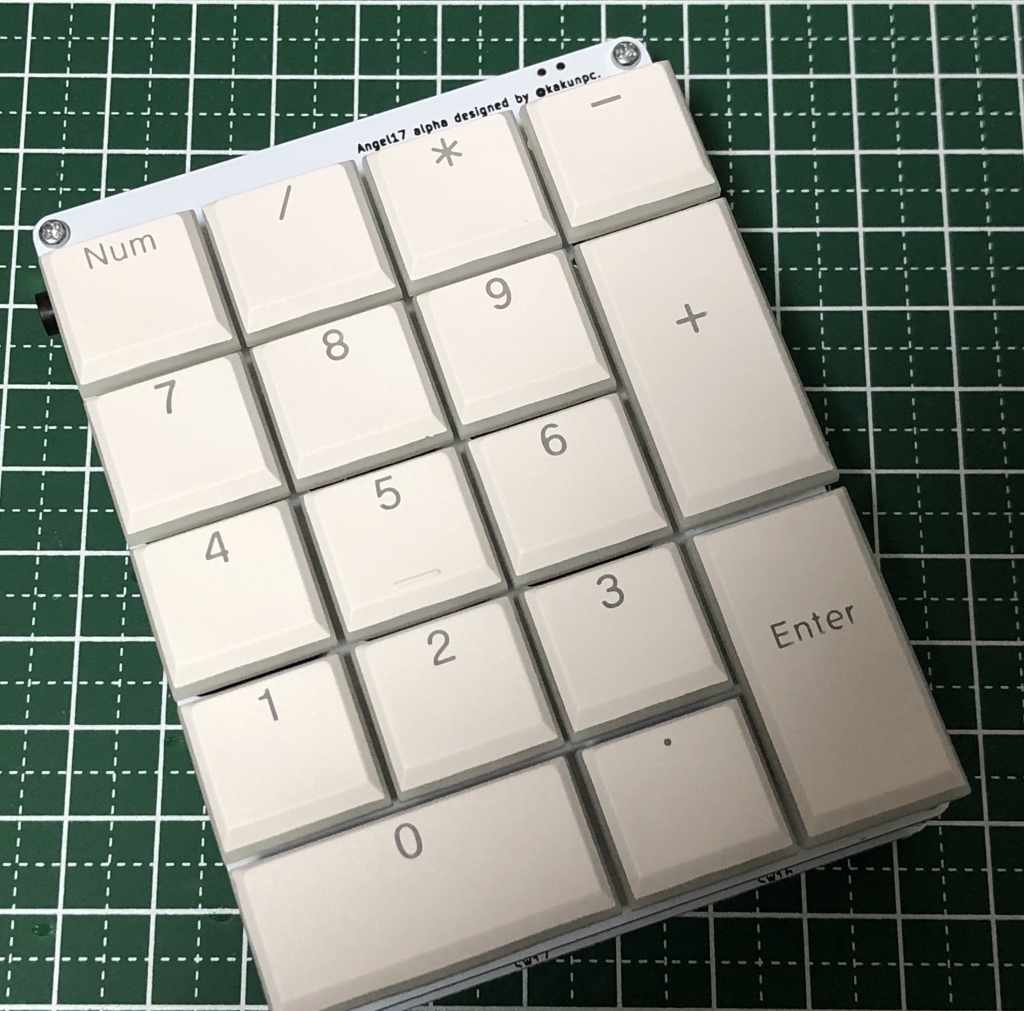
|
||||
|
||||
A Pro Micro drop-in replacement.
|
||||
Keyboard for tablets.
|
||||
|
||||
Keyboard Maintainer: [Jack Humbert](https://github.com/jackhumbert)
|
||||
Hardware Supported: QMK Proton C
|
||||
Hardware Availability: [List of vendors](https://qmk.fm/proton-c)
|
||||
Keyboard Maintainer: [kakunpc](https://github.com/kakunpc)
|
||||
Hardware Supported: angel17_alpha, promicro
|
||||
Hardware Availability: booth([@kakunpc](https://kakunpc.booth.pm/))
|
||||
|
||||
Make example for this keyboard (after setting up your build environment):
|
||||
|
||||
make proton_c:default
|
||||
make angel17:default
|
||||
|
||||
See the [build environment setup](https://docs.qmk.fm/#/getting_started_build_tools) and the [make instructions](https://docs.qmk.fm/#/getting_started_make_guide) for more information. Brand new to QMK? Start with our [Complete Newbs Guide](https://docs.qmk.fm/#/newbs).
|
||||
46
keyboards/angel17/rules.mk
Normal file
46
keyboards/angel17/rules.mk
Normal file
@@ -0,0 +1,46 @@
|
||||
# MCU name
|
||||
MCU = atmega32u4
|
||||
|
||||
|
||||
# Bootloader selection
|
||||
# Teensy halfkay
|
||||
# Pro Micro caterina
|
||||
# Atmel DFU atmel-dfu
|
||||
# LUFA DFU lufa-dfu
|
||||
# QMK DFU qmk-dfu
|
||||
# atmega32a bootloadHID
|
||||
BOOTLOADER = caterina
|
||||
|
||||
|
||||
# If you don't know the bootloader type, then you can specify the
|
||||
# Boot Section Size in *bytes* by uncommenting out the OPT_DEFS line
|
||||
# Teensy halfKay 512
|
||||
# Teensy++ halfKay 1024
|
||||
# Atmel DFU loader 4096
|
||||
# LUFA bootloader 4096
|
||||
# USBaspLoader 2048
|
||||
# OPT_DEFS += -DBOOTLOADER_SIZE=4096
|
||||
|
||||
|
||||
# Build Options
|
||||
# change yes to no to disable
|
||||
#
|
||||
BOOTMAGIC_ENABLE = no # Virtual DIP switch configuration(+1000)
|
||||
MOUSEKEY_ENABLE = yes # Mouse keys(+4700)
|
||||
EXTRAKEY_ENABLE = yes # Audio control and System control(+450)
|
||||
CONSOLE_ENABLE = yes # Console for debug(+400)
|
||||
COMMAND_ENABLE = yes # Commands for debug and configuration
|
||||
# Do not enable SLEEP_LED_ENABLE. it uses the same timer as BACKLIGHT_ENABLE
|
||||
SLEEP_LED_ENABLE = no # Breathing sleep LED during USB suspend
|
||||
# if this doesn't work, see here: https://github.com/tmk/tmk_keyboard/wiki/FAQ#nkro-doesnt-work
|
||||
NKRO_ENABLE = no # USB Nkey Rollover
|
||||
BACKLIGHT_ENABLE = no # Enable keyboard backlight functionality
|
||||
RGBLIGHT_ENABLE = no # Enable keyboard RGB underglow
|
||||
MIDI_ENABLE = no # MIDI support (+2400 to 4200, depending on config)
|
||||
UNICODE_ENABLE = no # Unicode
|
||||
BLUETOOTH_ENABLE = no # Enable Bluetooth with the Adafruit EZ-Key HID
|
||||
AUDIO_ENABLE = no # Audio output on port C6
|
||||
FAUXCLICKY_ENABLE = no # Use buzzer to emulate clicky switches
|
||||
HD44780_ENABLE = no # Enable support for HD44780 based LCDs (+400)
|
||||
|
||||
LAYOUTS = numpad_5x4
|
||||
13
keyboards/atreus/keymaps/ridingqwerty/config.h
Normal file
13
keyboards/atreus/keymaps/ridingqwerty/config.h
Normal file
@@ -0,0 +1,13 @@
|
||||
#pragma once
|
||||
|
||||
#undef MATRIX_ROWS
|
||||
#define MATRIX_ROWS 8
|
||||
|
||||
#undef MATRIX_COLS
|
||||
#define MATRIX_COLS 6
|
||||
|
||||
#undef MATRIX_ROW_PINS
|
||||
#define MATRIX_ROW_PINS { A6, A7, A8, A15, B11, B12, A14, A13 }
|
||||
|
||||
#undef MATRIX_COL_PINS
|
||||
#define MATRIX_COL_PINS { B5, B4, B3, B2, B1, B0 }
|
||||
116
keyboards/atreus/keymaps/ridingqwerty/keymap.c
Normal file
116
keyboards/atreus/keymaps/ridingqwerty/keymap.c
Normal file
@@ -0,0 +1,116 @@
|
||||
/* Copyright 2019 George Koenig
|
||||
*
|
||||
* This program is free software: you can redistribute it and/or modify
|
||||
* it under the terms of the GNU General Public License as published by
|
||||
* the Free Software Foundation, either version 2 of the License, or
|
||||
* (at your option) any later version.
|
||||
*
|
||||
* This program is distributed in the hope that it will be useful,
|
||||
* but WITHOUT ANY WARRANTY; without even the implied warranty of
|
||||
* MERCHANTABILITY or FITNESS FOR A PARTICULAR PURPOSE. See the
|
||||
* GNU General Public License for more details.
|
||||
*
|
||||
* You should have received a copy of the GNU General Public License
|
||||
* along with this program. If not, see <http://www.gnu.org/licenses/>.
|
||||
*/
|
||||
|
||||
#include QMK_KEYBOARD_H
|
||||
#include "ridingqwerty.h"
|
||||
|
||||
/* Atreus
|
||||
┏━━━━━━━━┯━━━━━━━━┯━━━━━━━━┯━━━━━━━━┯━━━━━━━━┓ ┏━━━━━━━━┯━━━━━━━━┯━━━━━━━━┯━━━━━━━━┯━━━━━━━━┓
|
||||
┃ Q │ W │ E │ R │ T ┃ ┃ Y │ U │ I │ O │ P ┃
|
||||
┠────────┼────────┼────────┼────────┼────────┨ ┠────────┼────────┼────────┼────────┼────────┨
|
||||
/┃ ¶ A │ S │ D │ F │ G ┃ ┃ H │ J │ K │ L │ 🔢 ; ┃
|
||||
┠────────┼────────┼────────┼────────┼────────┞━━━━━━━━┳━━━━━━━━┞────────┼────────┼────────┼────────┼────────┨
|
||||
/┃ ⇧ Z │ X │ C │ V │ B │ ┃ │ N │ M │ , │ 𝔽 . │ ⇧ / ┃
|
||||
┠────────┼────────┼────────┼────────┼────────┤ ¶ ⎋ ┃ ❦ ⇥ ├────────┼────────┼────────┼────────┼────────┨
|
||||
┃ ⎈ ⎋ │ ⌘ ⇥ │ ⎇ [ │ ⇧ ] │ 🔢 ⌫ │ ┃ │ ★ ␣ │ ⇧ - │ ⎇ = │ ⌘ ' │ ⎈ ↵ ┃
|
||||
┗━━━━━━━━┷━━━━━━━━┷━━━━━━━━┷━━━━━━━━┷━━━━━━━━┷━━━━━━━━┻━━━━━━━━┷━━━━━━━━┷━━━━━━━━┷━━━━━━━━┷━━━━━━━━┷━━━━━━━━┛
|
||||
MODS // LAYERS // MODS //
|
||||
*/
|
||||
|
||||
#ifdef LAYOUT
|
||||
#undef LAYOUT
|
||||
#define LAYOUT( \
|
||||
K00, K01, K02, K03, K04, K40, K41, K42, K43, K44, \
|
||||
K10, K11, K12, K13, K14, K50, K51, K52, K53, K54, \
|
||||
K20, K21, K22, K23, K24, K60, K61, K62, K63, K64, \
|
||||
K30, K31, K32, K33, K34, K35, K70, K71, K72, K73, K74, K75 \
|
||||
) { \
|
||||
{ K00, K01, K02, K03, K04, KC_NO }, \
|
||||
{ K10, K11, K12, K13, K14, KC_NO }, \
|
||||
{ K20, K21, K22, K23, K24, KC_NO }, \
|
||||
{ K30, K31, K32, K33, K34, K35 }, \
|
||||
{ K44, K43, K42, K41, K40, KC_NO }, \
|
||||
{ K54, K53, K52, K51, K50, KC_NO }, \
|
||||
{ K64, K63, K62, K61, K60, KC_NO }, \
|
||||
{ K75, K74, K73, K72, K71, K70 } \
|
||||
}
|
||||
#endif
|
||||
|
||||
const uint16_t PROGMEM keymaps[][MATRIX_ROWS][MATRIX_COLS] = {
|
||||
[_QWERTY] = LAYOUT( /* Qwerty */
|
||||
KC_Q, KC_W, KC_E, KC_R, KC_T, KC_Y, KC_U, KC_I, KC_O, KC_P,
|
||||
ED_A, KC_S, KC_D, KC_F, KC_G, KC_H, KC_J, KC_K, KC_L, NM_SCLN,
|
||||
LS_Z, KC_X, KC_C, KC_V, KC_B, KC_N, KC_M, KC_COMM, FK_DOT, RS_SLSH,
|
||||
LC_ESC, LG_TAB, LA_LBRC, LS_RBRC, NM_BSPC, ED_ESC, SC_TAB, SM_SPC, RS_MINS, RA_EQL, RG_QUOT, RC_ENT
|
||||
),
|
||||
[_EDITOR] = LAYOUT( /* ED_A, ED_ESC */
|
||||
KC_GRV, _______, KC_END, _______, KC_TAB, _______, _______, KC_INS, _______, KC_PGUP,
|
||||
KC_HOME, _______, KC_DELT, _______, _______, KC_LEFT, KC_DOWN, KC_UP, KC_RGHT, KC_ENT,
|
||||
_______, _______, _______, _______, _______, KC_PGDN, _______, _______, _______, KC_BSLS,
|
||||
_______, _______, _______, _______, _______, _______, KC_ENT, _______, _______, _______, _______, _______
|
||||
),
|
||||
[_NUMBER] = LAYOUT( /* NM_SCLN, NM_BSPC */
|
||||
KC_1, KC_2, KC_3, KC_4, KC_5, KC_6, KC_7, KC_8, KC_9, KC_0,
|
||||
KC_6, KC_7, KC_8, KC_9, KC_0, _______, KC_4, KC_5, KC_6, _______,
|
||||
_______, _______, _______, _______, _______, _______, KC_1, KC_2, KC_3, KC_BSLS,
|
||||
_______, _______, _______, _______, _______, KC_MINS, KC_EQL, KC_0, KC_0, KC_DOT, _______, _______
|
||||
),
|
||||
[_SYMBOL] = LAYOUT( /* SM_SPC */
|
||||
KC_EXLM, KC_AT, KC_HASH, KC_DLR, KC_PERC, KC_CIRC, KC_AMPR, KC_ASTR, KC_LPRN, KC_RPRN,
|
||||
KC_CIRC, KC_AMPR, KC_ASTR, KC_LPRN, KC_RPRN, _______, _______, _______, _______, KC_COLN,
|
||||
_______, _______, _______, _______, _______, _______, _______, _______, _______, KC_BSLS,
|
||||
_______, _______, _______, _______, _______, KC_LBRC, KC_RBRC, _______, _______, _______, _______, _______
|
||||
),
|
||||
[_F_KEYS] = LAYOUT( /* FK_DOT */
|
||||
KC_F1, KC_F2, KC_F3, KC_F4, KC_F5, KC_F6, KC_F7, KC_F8, KC_F9, KC_F10,
|
||||
KC_F6, KC_F7, KC_F8, KC_F9, KC_F10, _______, _______, _______, _______, KC_F11,
|
||||
KC_F11, KC_F12, _______, _______, _______, _______, _______, _______, _______, KC_F12,
|
||||
_______, _______, _______, _______, _______, _______, _______, _______, _______, _______, _______, _______
|
||||
),
|
||||
[_SECRET] = LAYOUT( /* shhhh... */
|
||||
RESET, _______, _______, RUSTY, FUEL, KC_F13, _______, _______, _______, _______,
|
||||
AR1ST, SYSNOC, _______, _______, _______, _______, _______, _______, OS_LAB, _______,
|
||||
CDLOCAL, _______, C0RE, VAXIS, _______, _______, MUNKY, _______, _______, _______,
|
||||
_______, _______, _______, _______, _______, _______, _______, _______, _______, _______, _______, _______
|
||||
),
|
||||
[_FINAL] = LAYOUT( /* . */
|
||||
_______, _______, _______, _______, _______, _______, _______, _______, _______, _______,
|
||||
_______, _______, _______, _______, _______, _______, _______, _______, _______, _______,
|
||||
_______, _______, _______, _______, _______, _______, _______, _______, _______, _______,
|
||||
_______, _______, _______, _______, _______, _______, _______, _______, _______, _______, _______, _______
|
||||
)
|
||||
};
|
||||
|
||||
// custom tap/hold keys
|
||||
uint16_t key_timer;
|
||||
bool process_record_keymap(uint16_t keycode, keyrecord_t *record) {
|
||||
switch(keycode) {
|
||||
case RG_QUOT:
|
||||
if (record->event.pressed) {
|
||||
key_timer = timer_read();
|
||||
layer_on(_NUMBER);
|
||||
register_mods(MOD_BIT(KC_RGUI));
|
||||
} else {
|
||||
unregister_mods(MOD_BIT(KC_RGUI));
|
||||
layer_off(_NUMBER);
|
||||
if (timer_elapsed(key_timer) < TAPPING_TERM) {
|
||||
tap_code(KC_QUOT);
|
||||
}
|
||||
}
|
||||
return false; break;
|
||||
}
|
||||
return true;
|
||||
};
|
||||
1
keyboards/atreus/keymaps/ridingqwerty/readme.md
Normal file
1
keyboards/atreus/keymaps/ridingqwerty/readme.md
Normal file
@@ -0,0 +1 @@
|
||||
This is a handwired Atreus42 using a Proton C
|
||||
@@ -4,9 +4,8 @@ MCU = STM32F303
|
||||
# comment out to disable the options.
|
||||
#
|
||||
BACKLIGHT_ENABLE = no
|
||||
BOOTMAGIC_ENABLE = yes # Virtual DIP switch configuration
|
||||
## (Note that for BOOTMAGIC on Teensy LC you have to use a custom .ld script.)
|
||||
MOUSEKEY_ENABLE = yes # Mouse keys
|
||||
BOOTMAGIC_ENABLE = no # Virtual DIP switch configuration
|
||||
#MOUSEKEY_ENABLE = yes # Mouse keys
|
||||
EXTRAKEY_ENABLE = yes # Audio control and System control
|
||||
CONSOLE_ENABLE = yes # Console for debug
|
||||
COMMAND_ENABLE = yes # Commands for debug and configuration
|
||||
@@ -15,3 +14,4 @@ NKRO_ENABLE = yes # USB Nkey Rollover
|
||||
AUDIO_ENABLE = yes
|
||||
RGBLIGHT_ENABLE = no
|
||||
# SERIAL_LINK_ENABLE = yes
|
||||
#TAP_DANCE_ENABLE = yes
|
||||
@@ -3,8 +3,6 @@
|
||||
|
||||
#include "quantum.h"
|
||||
|
||||
void promicro_bootloader_jmp(bool program);
|
||||
|
||||
// This a shortcut to help you visually see your layout.
|
||||
// The first section contains all of the arguements
|
||||
// The second converts the arguments into a two-dimensional array
|
||||
|
||||
@@ -1,5 +1,10 @@
|
||||
|
||||
/*
|
||||
This is the c configuration file for the keymap
|
||||
|
||||
Copyright 2012 Jun Wako <wakojun@gmail.com>
|
||||
Copyright 2015 Jack Humbert
|
||||
Copyright 2017 Art Ortenburger
|
||||
|
||||
This program is free software: you can redistribute it and/or modify
|
||||
it under the terms of the GNU General Public License as published by
|
||||
@@ -15,18 +20,24 @@ You should have received a copy of the GNU General Public License
|
||||
along with this program. If not, see <http://www.gnu.org/licenses/>.
|
||||
*/
|
||||
|
||||
#include "hal.h"
|
||||
#pragma once
|
||||
|
||||
#include "led.h"
|
||||
/* key combination for magic key command */
|
||||
#undef IS_COMMAND
|
||||
#define IS_COMMAND() ( \
|
||||
get_mods() == (MOD_BIT(KC_LSHIFT) | MOD_BIT(KC_LALT)) \
|
||||
)
|
||||
|
||||
//#ifdef RGBLIGHT_ENABLE
|
||||
//#define RGB_DI_PIN D3
|
||||
//#define RGBLED_NUM 16 // Number of LEDs
|
||||
//#define RGBLED_SPLIT { 8, 8 }
|
||||
//
|
||||
//#define RGBLIGHT_HUE_STEP 12
|
||||
//#define RGBLIGHT_SAT_STEP 12
|
||||
//#define RGBLIGHT_VAL_STEP 12
|
||||
//#define RGBLIGHT_EFFECT_KNIGHT_LENGTH 2
|
||||
//#define RGBLIGHT_EFFECT_SNAKE_LENGTH 2
|
||||
//#define RGBLIGHT_EFFECT_BREATHE_CENTER 1
|
||||
//#endif // RGBLIGHT_ENABLE
|
||||
|
||||
void led_set(uint8_t usb_led) {
|
||||
if (usb_led & (1<<USB_LED_CAPS_LOCK)) {
|
||||
// output high
|
||||
palSetPadMode(TEENSY_PIN13_IOPORT, TEENSY_PIN13, PAL_MODE_OUTPUT_PUSHPULL);
|
||||
palSetPad(TEENSY_PIN13_IOPORT, TEENSY_PIN13);
|
||||
} else {
|
||||
// Hi-Z
|
||||
palSetPadMode(TEENSY_PIN13_IOPORT, TEENSY_PIN13, PAL_MODE_INPUT);
|
||||
}
|
||||
}
|
||||
137
keyboards/c39/keymaps/kuchosauronad0/keymap.c
Normal file
137
keyboards/c39/keymaps/kuchosauronad0/keymap.c
Normal file
@@ -0,0 +1,137 @@
|
||||
/*
|
||||
This is the keymap for the keyboard
|
||||
|
||||
Copyright 2012 Jun Wako <wakojun@gmail.com>
|
||||
Copyright 2015 Jack Humbert
|
||||
Copyright 2017 Art Ortenburger
|
||||
|
||||
This program is free software: you can redistribute it and/or modify
|
||||
it under the terms of the GNU General Public License as published by
|
||||
the Free Software Foundation, either version 2 of the License, or
|
||||
(at your option) any later version.
|
||||
|
||||
This program is distributed in the hope that it will be useful,
|
||||
but WITHOUT ANY WARRANTY; without even the implied warranty of
|
||||
MERCHANTABILITY or FITNESS FOR A PARTICULAR PURPOSE. See the
|
||||
GNU General Public License for more details.
|
||||
|
||||
You should have received a copy of the GNU General Public License
|
||||
along with this program. If not, see <http://www.gnu.org/licenses/>.
|
||||
*/
|
||||
|
||||
#include QMK_KEYBOARD_H
|
||||
#include "kuchosauronad0.h"
|
||||
|
||||
#ifdef INDICATOR_LIGHTS
|
||||
extern userspace_config_t userspace_config;
|
||||
|
||||
uint8_t last_mod;
|
||||
uint8_t last_led;
|
||||
uint8_t last_osm;
|
||||
#endif
|
||||
|
||||
#define LAYOUT_collide39_base( \
|
||||
K01, K02, K03, K04, K05, K06, K07, K08, K09, K0A, \
|
||||
K11, K12, K13, K14, K15, K16, K17, K18, K19, K1A, \
|
||||
K21, K22, K23, K24, K25, K26, K27, K28, K29, K2A \
|
||||
) \
|
||||
LAYOUT_wrapper( \
|
||||
MT(MOD_LALT,KC_TAB), K01, K02, K03, K04, K05, LT(RAISE,KC_PGUP), K06, K07, K08, K09, K0A, KC_BSPC, \
|
||||
SFT_T(KC_ESC), K11, K12, K13, K14, K15, LT(LOWER,KC_PGDN), K16, K17, K18, K19, K1A, SFT_T(KC_ENT), \
|
||||
MT(MOD_LCTL,KC_DEL), K21, K22, K23, K24, K25, KC_SPACE, K26, K27, K28, K29, K2A, KC_LEAD \
|
||||
)
|
||||
#define LAYOUT_collide39_base_wrapper(...) LAYOUT_collide39_base(__VA_ARGS__)
|
||||
|
||||
const uint16_t PROGMEM keymaps[][MATRIX_ROWS][MATRIX_COLS] = {
|
||||
|
||||
[_QWERTY] = LAYOUT_collide39_base_wrapper(
|
||||
_________________QWERTY_L1_________________, _________________QWERTY_R1_________________,
|
||||
_________________QWERTY_L2_________________, _________________QWERTY_R2_________________,
|
||||
_________________QWERTY_L3_________________, _________________QWERTY_R3_________________
|
||||
),
|
||||
|
||||
[_COLEMAK] = LAYOUT_collide39_base_wrapper(
|
||||
_________________COLEMAK_L1________________, _________________COLEMAK_R1________________,
|
||||
_________________COLEMAK_L2________________, _________________COLEMAK_R2________________,
|
||||
_________________COLEMAK_L3________________, _________________COLEMAK_R3________________
|
||||
),
|
||||
|
||||
[_DVORAK] = LAYOUT_collide39_base_wrapper(
|
||||
_________________DVORAK_L1_________________, _________________DVORAK_R1_________________,
|
||||
_________________DVORAK_L2_________________, _________________DVORAK_R2_________________,
|
||||
_________________DVORAK_L3_________________, _________________DVORAK_R3_________________
|
||||
),
|
||||
|
||||
#ifdef UNICODEMAP_ENABLE
|
||||
[_UNICODE] = LAYOUT_collide39_base_wrapper(
|
||||
_______________UNICODE_L1__________________, _______________UNICODE_R1__________________,
|
||||
_______________UNICODE_L2__________________, _______________UNICODE_R2__________________,
|
||||
_______________UNICODE_L3__________________, _______________UNICODE_R3__________________
|
||||
),
|
||||
#endif
|
||||
[_WORKMAN] = LAYOUT_collide39_base_wrapper(
|
||||
_________________WORKMAN_L1________________, _________________WORKMAN_R1________________,
|
||||
_________________WORKMAN_L2________________, _________________WORKMAN_R2________________,
|
||||
_________________WORKMAN_L3________________, _________________WORKMAN_R3________________
|
||||
),
|
||||
|
||||
[_NORMAN] = LAYOUT_collide39_base_wrapper(
|
||||
_________________NORMAN_L1_________________, _________________NORMAN_L1_________________,
|
||||
_________________NORMAN_L2_________________, _________________NORMAN_R2_________________,
|
||||
_________________NORMAN_L3_________________, _________________NORMAN_R3_________________
|
||||
),
|
||||
|
||||
[_MALTRON] = LAYOUT_collide39_base_wrapper(
|
||||
_________________MALTRON_L1________________, _________________MALTRON_R1________________,
|
||||
_________________MALTRON_L2________________, _________________MALTRON_R2________________,
|
||||
_________________MALTRON_L3________________, _________________MALTRON_R3________________
|
||||
),
|
||||
|
||||
[_EUCALYN] = LAYOUT_collide39_base_wrapper(
|
||||
_________________EUCALYN_L1________________, _________________EUCALYN_R1________________,
|
||||
_________________EUCALYN_L2________________, _________________EUCALYN_R2________________,
|
||||
_________________EUCALYN_L3________________, _________________EUCALYN_R3________________
|
||||
),
|
||||
|
||||
[_CARPLAX] = LAYOUT_collide39_base_wrapper(
|
||||
_____________CARPLAX_QFMLWY_L1_____________, _____________CARPLAX_QFMLWY_R1_____________,
|
||||
_____________CARPLAX_QFMLWY_L2_____________, _____________CARPLAX_QFMLWY_R2_____________,
|
||||
_____________CARPLAX_QFMLWY_L3_____________, _____________CARPLAX_QFMLWY_R3_____________
|
||||
),
|
||||
|
||||
|
||||
[_MODS] = LAYOUT_wrapper(\
|
||||
_______, _______, _______, _______, _______, _______, _______, _______, _______, _______, _______, _______, _______,
|
||||
_______, _______, _______, _______, _______, _______, _______, _______, _______, _______, _______, _______, _______,
|
||||
KC_LSFT, _______, _______, _______, _______, _______, _______, _______, _______, _______, _______, _______, _______
|
||||
),
|
||||
|
||||
[_LOWER] = LAYOUT_wrapper(\
|
||||
KC_TILD, _________________LOWER_L1__________________, _______, _________________LOWER_R1__________________, KC_BSPC,
|
||||
KC_F11, _________________LOWER_L2__________________, _______, _________________LOWER_R2__________________, KC_PIPE,
|
||||
KC_F12, _________________LOWER_L3__________________, _______, _________________LOWER_R3__________________, _______
|
||||
),
|
||||
|
||||
[_RAISE] = LAYOUT_wrapper(\
|
||||
KC_GRV, _________________RAISE_L1__________________, _______, _________________RAISE_R1__________________, KC_BSPC,
|
||||
_______, _________________RAISE_L2__________________, _______, _________________RAISE_R2__________________, KC_BSLS,
|
||||
_______, _________________RAISE_L3__________________, _______, _________________RAISE_R3__________________, _______
|
||||
),
|
||||
|
||||
[_ADJUST] = LAYOUT_wrapper(\
|
||||
KC_MAKE, _________________ADJUST_L1_________________, _______, _________________ADJUST_R1_________________, KC_RESET,
|
||||
VRSN, _________________ADJUST_L2_________________, _______, _________________ADJUST_R2_________________, EEP_RST,
|
||||
TG_MODS, _________________ADJUST_L3_________________, _______, _________________ADJUST_R3_________________, KC_MPLY
|
||||
)
|
||||
|
||||
};
|
||||
|
||||
void matrix_init_keymap(void) {
|
||||
#ifndef CONVERT_TO_PROTON_C
|
||||
setPinOutput(D5);
|
||||
writePinHigh(D5);
|
||||
setPinOutput(B0);
|
||||
writePinHigh(B0);
|
||||
#endif
|
||||
}
|
||||
|
||||
1
keyboards/c39/keymaps/kuchosauronad0/readme.md
Normal file
1
keyboards/c39/keymaps/kuchosauronad0/readme.md
Normal file
@@ -0,0 +1 @@
|
||||
# Personal keymap for the collide39
|
||||
20
keyboards/c39/keymaps/kuchosauronad0/rules.mk
Normal file
20
keyboards/c39/keymaps/kuchosauronad0/rules.mk
Normal file
@@ -0,0 +1,20 @@
|
||||
BOOTLOADER = caterina
|
||||
BOOTMAGIC_ENABLE = no # Virtual DIP switch configuration(+1000)
|
||||
MOUSEKEY_ENABLE = no # Mouse keys(+4700)
|
||||
EXTRAKEY_ENABLE = yes # Audio control and System control(+450)
|
||||
CONSOLE_ENABLE = no # Console for debug(+400)
|
||||
COMMAND_ENABLE = no # Commands for debug and configuration
|
||||
LEADER_ENABLE = yes # default is yes
|
||||
TAP_DANCE_ENABLE = no #(+1254)
|
||||
UNICODE_ENABLE = no #(+1134)
|
||||
UNICODEMAP_ENABLE = yes
|
||||
RGBLIGHT_ENABLE = no
|
||||
AUDIO_ENABLE = no
|
||||
NKRO_ENABLE = yes
|
||||
|
||||
INDICATOR_LIGHTS = no
|
||||
MACROS_ENABLED = no
|
||||
RGBLIGHT_TWINKLE = no
|
||||
RGBLIGHT_STARTUP_ANIMATION = no
|
||||
|
||||
NO_SECRETS = yes
|
||||
@@ -1,49 +0,0 @@
|
||||
/*
|
||||
ChibiOS - Copyright (C) 2006..2015 Giovanni Di Sirio
|
||||
|
||||
Licensed under the Apache License, Version 2.0 (the "License");
|
||||
you may not use this file except in compliance with the License.
|
||||
You may obtain a copy of the License at
|
||||
|
||||
http://www.apache.org/licenses/LICENSE-2.0
|
||||
|
||||
Unless required by applicable law or agreed to in writing, software
|
||||
distributed under the License is distributed on an "AS IS" BASIS,
|
||||
WITHOUT WARRANTIES OR CONDITIONS OF ANY KIND, either express or implied.
|
||||
See the License for the specific language governing permissions and
|
||||
limitations under the License.
|
||||
*/
|
||||
|
||||
#include "hal.h"
|
||||
|
||||
/**
|
||||
* @brief PAL setup.
|
||||
* @details Digital I/O ports static configuration as defined in @p board.h.
|
||||
* This variable is used by the HAL when initializing the PAL driver.
|
||||
*/
|
||||
#if HAL_USE_PAL || defined(__DOXYGEN__)
|
||||
const PALConfig pal_default_config =
|
||||
{
|
||||
{VAL_GPIOAODR, VAL_GPIOACRL, VAL_GPIOACRH},
|
||||
{VAL_GPIOBODR, VAL_GPIOBCRL, VAL_GPIOBCRH},
|
||||
{VAL_GPIOCODR, VAL_GPIOCCRL, VAL_GPIOCCRH},
|
||||
{VAL_GPIODODR, VAL_GPIODCRL, VAL_GPIODCRH},
|
||||
{VAL_GPIOEODR, VAL_GPIOECRL, VAL_GPIOECRH},
|
||||
};
|
||||
#endif
|
||||
|
||||
/*
|
||||
* Early initialization code.
|
||||
* This initialization must be performed just after stack setup and before
|
||||
* any other initialization.
|
||||
*/
|
||||
void __early_init(void) {
|
||||
|
||||
stm32_clock_init();
|
||||
}
|
||||
|
||||
/*
|
||||
* Board-specific initialization code.
|
||||
*/
|
||||
void boardInit(void) {
|
||||
}
|
||||
@@ -1,166 +0,0 @@
|
||||
/*
|
||||
ChibiOS - Copyright (C) 2006..2015 Giovanni Di Sirio
|
||||
|
||||
Licensed under the Apache License, Version 2.0 (the "License");
|
||||
you may not use this file except in compliance with the License.
|
||||
You may obtain a copy of the License at
|
||||
|
||||
http://www.apache.org/licenses/LICENSE-2.0
|
||||
|
||||
Unless required by applicable law or agreed to in writing, software
|
||||
distributed under the License is distributed on an "AS IS" BASIS,
|
||||
WITHOUT WARRANTIES OR CONDITIONS OF ANY KIND, either express or implied.
|
||||
See the License for the specific language governing permissions and
|
||||
limitations under the License.
|
||||
*/
|
||||
|
||||
#ifndef _BOARD_H_
|
||||
#define _BOARD_H_
|
||||
|
||||
/*
|
||||
* Setup for a Generic STM32F103 board.
|
||||
*/
|
||||
|
||||
/*
|
||||
* Board identifier.
|
||||
*/
|
||||
#define BOARD_GENERIC_STM32_F103
|
||||
#define BOARD_NAME "Generic STM32F103x board"
|
||||
|
||||
/*
|
||||
* Board frequencies.
|
||||
*/
|
||||
#define STM32_LSECLK 32768
|
||||
#define STM32_HSECLK 8000000
|
||||
|
||||
/*
|
||||
* MCU type, supported types are defined in ./os/hal/platforms/hal_lld.h.
|
||||
*/
|
||||
#define STM32F103xB
|
||||
|
||||
/*
|
||||
* IO pins assignments
|
||||
*/
|
||||
|
||||
/* on-board */
|
||||
|
||||
#define GPIOC_LED 13
|
||||
#define GPIOD_OSC_IN 0
|
||||
#define GPIOD_OSC_OUT 1
|
||||
|
||||
/* In case your board has a "USB enable" hardware
|
||||
controlled by a pin, define it here. (It could be just
|
||||
a 1.5k resistor connected to D+ line.)
|
||||
*/
|
||||
/*
|
||||
#define GPIOB_USB_DISC 10
|
||||
*/
|
||||
|
||||
/*
|
||||
* I/O ports initial setup, this configuration is established soon after reset
|
||||
* in the initialization code.
|
||||
*
|
||||
* The digits have the following meaning:
|
||||
* 0 - Analog input.
|
||||
* 1 - Push Pull output 10MHz.
|
||||
* 2 - Push Pull output 2MHz.
|
||||
* 3 - Push Pull output 50MHz.
|
||||
* 4 - Digital input.
|
||||
* 5 - Open Drain output 10MHz.
|
||||
* 6 - Open Drain output 2MHz.
|
||||
* 7 - Open Drain output 50MHz.
|
||||
* 8 - Digital input with PullUp or PullDown resistor depending on ODR.
|
||||
* 9 - Alternate Push Pull output 10MHz.
|
||||
* A - Alternate Push Pull output 2MHz.
|
||||
* B - Alternate Push Pull output 50MHz.
|
||||
* C - Reserved.
|
||||
* D - Alternate Open Drain output 10MHz.
|
||||
* E - Alternate Open Drain output 2MHz.
|
||||
* F - Alternate Open Drain output 50MHz.
|
||||
* Please refer to the STM32 Reference Manual for details.
|
||||
*/
|
||||
|
||||
/*
|
||||
* Port A setup.
|
||||
* Everything input with pull-up except:
|
||||
* PA2 - Alternate output (USART2 TX).
|
||||
* PA3 - Normal input (USART2 RX).
|
||||
* PA9 - Alternate output (USART1 TX).
|
||||
* PA10 - Normal input (USART1 RX).
|
||||
*/
|
||||
#define VAL_GPIOACRL 0x88884B88 /* PA7...PA0 */
|
||||
#define VAL_GPIOACRH 0x888884B8 /* PA15...PA8 */
|
||||
#define VAL_GPIOAODR 0xFFFFFFFF
|
||||
|
||||
/*
|
||||
* Port B setup.
|
||||
* Everything input with pull-up except:
|
||||
* PB10 - Push Pull output (USB switch).
|
||||
*/
|
||||
#define VAL_GPIOBCRL 0x88888888 /* PB7...PB0 */
|
||||
#define VAL_GPIOBCRH 0x88888388 /* PB15...PB8 */
|
||||
#define VAL_GPIOBODR 0xFFFFFFFF
|
||||
|
||||
/*
|
||||
* Port C setup.
|
||||
* Everything input with pull-up except:
|
||||
* PC13 - Push Pull output (LED).
|
||||
*/
|
||||
#define VAL_GPIOCCRL 0x88888888 /* PC7...PC0 */
|
||||
#define VAL_GPIOCCRH 0x88388888 /* PC15...PC8 */
|
||||
#define VAL_GPIOCODR 0xFFFFFFFF
|
||||
|
||||
/*
|
||||
* Port D setup.
|
||||
* Everything input with pull-up except:
|
||||
* PD0 - Normal input (XTAL).
|
||||
* PD1 - Normal input (XTAL).
|
||||
*/
|
||||
#define VAL_GPIODCRL 0x88888844 /* PD7...PD0 */
|
||||
#define VAL_GPIODCRH 0x88888888 /* PD15...PD8 */
|
||||
#define VAL_GPIODODR 0xFFFFFFFF
|
||||
|
||||
/*
|
||||
* Port E setup.
|
||||
* Everything input with pull-up except:
|
||||
*/
|
||||
#define VAL_GPIOECRL 0x88888888 /* PE7...PE0 */
|
||||
#define VAL_GPIOECRH 0x88888888 /* PE15...PE8 */
|
||||
#define VAL_GPIOEODR 0xFFFFFFFF
|
||||
|
||||
/*
|
||||
* USB bus activation macro, required by the USB driver.
|
||||
*/
|
||||
/* The point is that most of the generic STM32F103* boards
|
||||
have a 1.5k resistor connected on one end to the D+ line
|
||||
and on the other end to some pin. Or even a slightly more
|
||||
complicated "USB enable" circuit, controlled by a pin.
|
||||
That should go here.
|
||||
|
||||
However on some boards (e.g. one that I have), there's no
|
||||
such hardware. In which case it's better to not do anything.
|
||||
*/
|
||||
/*
|
||||
#define usb_lld_connect_bus(usbp) palClearPad(GPIOB, GPIOB_USB_DISC)
|
||||
*/
|
||||
#define usb_lld_connect_bus(usbp) palSetPadMode(GPIOA, 12, PAL_MODE_INPUT);
|
||||
|
||||
/*
|
||||
* USB bus de-activation macro, required by the USB driver.
|
||||
*/
|
||||
/*
|
||||
#define usb_lld_disconnect_bus(usbp) palSetPad(GPIOB, GPIOB_USB_DISC)
|
||||
*/
|
||||
#define usb_lld_disconnect_bus(usbp) palSetPadMode(GPIOA, 12, PAL_MODE_OUTPUT_PUSHPULL); palClearPad(GPIOA, 12);
|
||||
|
||||
#if !defined(_FROM_ASM_)
|
||||
#ifdef __cplusplus
|
||||
extern "C" {
|
||||
#endif
|
||||
void boardInit(void);
|
||||
#ifdef __cplusplus
|
||||
}
|
||||
#endif
|
||||
#endif /* _FROM_ASM_ */
|
||||
|
||||
#endif /* _BOARD_H_ */
|
||||
@@ -1,5 +0,0 @@
|
||||
# List of all the board related files.
|
||||
BOARDSRC = $(BOARD_PATH)/boards/GENERIC_STM32_F103/board.c
|
||||
|
||||
# Required include directories
|
||||
BOARDINC = $(BOARD_PATH)/boards/GENERIC_STM32_F103
|
||||

Binary file not shown.
|
Before Width: | Height: | Size: 159 KiB |
@@ -1,111 +0,0 @@
|
||||
/*
|
||||
ChibiOS - Copyright (C) 2006..2016 Giovanni Di Sirio
|
||||
|
||||
Licensed under the Apache License, Version 2.0 (the "License");
|
||||
you may not use this file except in compliance with the License.
|
||||
You may obtain a copy of the License at
|
||||
|
||||
http://www.apache.org/licenses/LICENSE-2.0
|
||||
|
||||
Unless required by applicable law or agreed to in writing, software
|
||||
distributed under the License is distributed on an "AS IS" BASIS,
|
||||
WITHOUT WARRANTIES OR CONDITIONS OF ANY KIND, either express or implied.
|
||||
See the License for the specific language governing permissions and
|
||||
limitations under the License.
|
||||
*/
|
||||
|
||||
/*
|
||||
* This file has been automatically generated using ChibiStudio board
|
||||
* generator plugin. Do not edit manually.
|
||||
*/
|
||||
|
||||
#include "hal.h"
|
||||
|
||||
#if HAL_USE_PAL || defined(__DOXYGEN__)
|
||||
/**
|
||||
* @brief PAL setup.
|
||||
* @details Digital I/O ports static configuration as defined in @p board.h.
|
||||
* This variable is used by the HAL when initializing the PAL driver.
|
||||
*/
|
||||
const PALConfig pal_default_config = {
|
||||
#if STM32_HAS_GPIOA
|
||||
{VAL_GPIOA_MODER, VAL_GPIOA_OTYPER, VAL_GPIOA_OSPEEDR, VAL_GPIOA_PUPDR,
|
||||
VAL_GPIOA_ODR, VAL_GPIOA_AFRL, VAL_GPIOA_AFRH},
|
||||
#endif
|
||||
#if STM32_HAS_GPIOB
|
||||
{VAL_GPIOB_MODER, VAL_GPIOB_OTYPER, VAL_GPIOB_OSPEEDR, VAL_GPIOB_PUPDR,
|
||||
VAL_GPIOB_ODR, VAL_GPIOB_AFRL, VAL_GPIOB_AFRH},
|
||||
#endif
|
||||
#if STM32_HAS_GPIOC
|
||||
{VAL_GPIOC_MODER, VAL_GPIOC_OTYPER, VAL_GPIOC_OSPEEDR, VAL_GPIOC_PUPDR,
|
||||
VAL_GPIOC_ODR, VAL_GPIOC_AFRL, VAL_GPIOC_AFRH},
|
||||
#endif
|
||||
#if STM32_HAS_GPIOD
|
||||
{VAL_GPIOD_MODER, VAL_GPIOD_OTYPER, VAL_GPIOD_OSPEEDR, VAL_GPIOD_PUPDR,
|
||||
VAL_GPIOD_ODR, VAL_GPIOD_AFRL, VAL_GPIOD_AFRH},
|
||||
#endif
|
||||
#if STM32_HAS_GPIOE
|
||||
{VAL_GPIOE_MODER, VAL_GPIOE_OTYPER, VAL_GPIOE_OSPEEDR, VAL_GPIOE_PUPDR,
|
||||
VAL_GPIOE_ODR, VAL_GPIOE_AFRL, VAL_GPIOE_AFRH},
|
||||
#endif
|
||||
#if STM32_HAS_GPIOF
|
||||
{VAL_GPIOF_MODER, VAL_GPIOF_OTYPER, VAL_GPIOF_OSPEEDR, VAL_GPIOF_PUPDR,
|
||||
VAL_GPIOF_ODR, VAL_GPIOF_AFRL, VAL_GPIOF_AFRH},
|
||||
#endif
|
||||
#if STM32_HAS_GPIOG
|
||||
{VAL_GPIOG_MODER, VAL_GPIOG_OTYPER, VAL_GPIOG_OSPEEDR, VAL_GPIOG_PUPDR,
|
||||
VAL_GPIOG_ODR, VAL_GPIOG_AFRL, VAL_GPIOG_AFRH},
|
||||
#endif
|
||||
#if STM32_HAS_GPIOH
|
||||
{VAL_GPIOH_MODER, VAL_GPIOH_OTYPER, VAL_GPIOH_OSPEEDR, VAL_GPIOH_PUPDR,
|
||||
VAL_GPIOH_ODR, VAL_GPIOH_AFRL, VAL_GPIOH_AFRH},
|
||||
#endif
|
||||
#if STM32_HAS_GPIOI
|
||||
{VAL_GPIOI_MODER, VAL_GPIOI_OTYPER, VAL_GPIOI_OSPEEDR, VAL_GPIOI_PUPDR,
|
||||
VAL_GPIOI_ODR, VAL_GPIOI_AFRL, VAL_GPIOI_AFRH}
|
||||
#endif
|
||||
};
|
||||
#endif
|
||||
|
||||
void enter_bootloader_mode_if_requested(void);
|
||||
|
||||
/**
|
||||
* @brief Early initialization code.
|
||||
* @details This initialization must be performed just after stack setup
|
||||
* and before any other initialization.
|
||||
*/
|
||||
void __early_init(void) {
|
||||
enter_bootloader_mode_if_requested();
|
||||
stm32_clock_init();
|
||||
}
|
||||
|
||||
|
||||
|
||||
#if HAL_USE_MMC_SPI || defined(__DOXYGEN__)
|
||||
/**
|
||||
* @brief MMC_SPI card detection.
|
||||
*/
|
||||
bool mmc_lld_is_card_inserted(MMCDriver *mmcp) {
|
||||
|
||||
(void)mmcp;
|
||||
/* TODO: Fill the implementation.*/
|
||||
return true;
|
||||
}
|
||||
|
||||
/**
|
||||
* @brief MMC_SPI card write protection detection.
|
||||
*/
|
||||
bool mmc_lld_is_write_protected(MMCDriver *mmcp) {
|
||||
|
||||
(void)mmcp;
|
||||
/* TODO: Fill the implementation.*/
|
||||
return false;
|
||||
}
|
||||
#endif
|
||||
|
||||
/**
|
||||
* @brief Board-specific initialization code.
|
||||
* @todo Add your board-specific code, if any.
|
||||
*/
|
||||
void boardInit(void) {
|
||||
}
|
||||
@@ -1,923 +0,0 @@
|
||||
/*
|
||||
ChibiOS - Copyright (C) 2006..2016 Giovanni Di Sirio
|
||||
|
||||
Licensed under the Apache License, Version 2.0 (the "License");
|
||||
you may not use this file except in compliance with the License.
|
||||
You may obtain a copy of the License at
|
||||
|
||||
http://www.apache.org/licenses/LICENSE-2.0
|
||||
|
||||
Unless required by applicable law or agreed to in writing, software
|
||||
distributed under the License is distributed on an "AS IS" BASIS,
|
||||
WITHOUT WARRANTIES OR CONDITIONS OF ANY KIND, either express or implied.
|
||||
See the License for the specific language governing permissions and
|
||||
limitations under the License.
|
||||
*/
|
||||
|
||||
/*
|
||||
* This file has been automatically generated using ChibiStudio board
|
||||
* generator plugin. Do not edit manually.
|
||||
*/
|
||||
|
||||
#ifndef BOARD_H
|
||||
#define BOARD_H
|
||||
|
||||
/*
|
||||
* Setup for ST STM32F072B-Discovery board.
|
||||
*/
|
||||
|
||||
/*
|
||||
* Board identifier.
|
||||
*/
|
||||
#define BOARD_ST_STM32F072B_DISCOVERY
|
||||
#define BOARD_NAME "ST STM32F072B-Discovery"
|
||||
|
||||
/*
|
||||
* Board oscillators-related settings.
|
||||
* NOTE: LSE not fitted.
|
||||
* NOTE: HSE not fitted.
|
||||
*/
|
||||
#if !defined(STM32_LSECLK)
|
||||
#define STM32_LSECLK 0U
|
||||
#endif
|
||||
|
||||
#define STM32_LSEDRV (3U << 3U)
|
||||
|
||||
#if !defined(STM32_HSECLK)
|
||||
#define STM32_HSECLK 0U
|
||||
#endif
|
||||
|
||||
#define STM32_HSE_BYPASS
|
||||
|
||||
/*
|
||||
* MCU type as defined in the ST header.
|
||||
*/
|
||||
#define STM32F072xB
|
||||
|
||||
/*
|
||||
* IO pins assignments.
|
||||
*/
|
||||
#define GPIOA_BUTTON 0U
|
||||
#define GPIOA_PIN1 1U
|
||||
#define GPIOA_PIN2 2U
|
||||
#define GPIOA_PIN3 3U
|
||||
#define GPIOA_PIN4 4U
|
||||
#define GPIOA_PIN5 5U
|
||||
#define GPIOA_PIN6 6U
|
||||
#define GPIOA_PIN7 7U
|
||||
#define GPIOA_PIN8 8U
|
||||
#define GPIOA_PIN9 9U
|
||||
#define GPIOA_PIN10 10U
|
||||
#define GPIOA_USB_DM 11U
|
||||
#define GPIOA_USB_DP 12U
|
||||
#define GPIOA_SWDIO 13U
|
||||
#define GPIOA_SWCLK 14U
|
||||
#define GPIOA_PIN15 15U
|
||||
|
||||
#define GPIOB_PIN0 0U
|
||||
#define GPIOB_PIN1 1U
|
||||
#define GPIOB_PIN2 2U
|
||||
#define GPIOB_PIN3 3U
|
||||
#define GPIOB_PIN4 4U
|
||||
#define GPIOB_PIN5 5U
|
||||
#define GPIOB_PIN6 6U
|
||||
#define GPIOB_PIN7 7U
|
||||
#define GPIOB_PIN8 8U
|
||||
#define GPIOB_PIN9 9U
|
||||
#define GPIOB_PIN10 10U
|
||||
#define GPIOB_PIN11 11U
|
||||
#define GPIOB_PIN12 12U
|
||||
#define GPIOB_SPI2_SCK 13U
|
||||
#define GPIOB_SPI2_MISO 14U
|
||||
#define GPIOB_SPI2_MOSI 15U
|
||||
|
||||
#define GPIOC_MEMS_CS 0U
|
||||
#define GPIOC_PIN1 1U
|
||||
#define GPIOC_PIN2 2U
|
||||
#define GPIOC_PIN3 3U
|
||||
#define GPIOC_PIN4 4U
|
||||
#define GPIOC_PIN5 5U
|
||||
#define GPIOC_LED_RED 6U
|
||||
#define GPIOC_LED_BLUE 7U
|
||||
#define GPIOC_LED_ORANGE 8U
|
||||
#define GPIOC_LED_GREEN 9U
|
||||
#define GPIOC_PIN10 10U
|
||||
#define GPIOC_PIN11 11U
|
||||
#define GPIOC_PIN12 12U
|
||||
#define GPIOC_PIN13 13U
|
||||
#define GPIOC_OSC32_IN 14U
|
||||
#define GPIOC_OSC32_OUT 15U
|
||||
|
||||
#define GPIOD_PIN0 0U
|
||||
#define GPIOD_PIN1 1U
|
||||
#define GPIOD_PIN2 2U
|
||||
#define GPIOD_PIN3 3U
|
||||
#define GPIOD_PIN4 4U
|
||||
#define GPIOD_PIN5 5U
|
||||
#define GPIOD_PIN6 6U
|
||||
#define GPIOD_PIN7 7U
|
||||
#define GPIOD_PIN8 8U
|
||||
#define GPIOD_PIN9 9U
|
||||
#define GPIOD_PIN10 10U
|
||||
#define GPIOD_PIN11 11U
|
||||
#define GPIOD_PIN12 12U
|
||||
#define GPIOD_PIN13 13U
|
||||
#define GPIOD_PIN14 14U
|
||||
#define GPIOD_PIN15 15U
|
||||
|
||||
#define GPIOE_PIN0 0U
|
||||
#define GPIOE_PIN1 1U
|
||||
#define GPIOE_PIN2 2U
|
||||
#define GPIOE_PIN3 3U
|
||||
#define GPIOE_PIN4 4U
|
||||
#define GPIOE_PIN5 5U
|
||||
#define GPIOE_PIN6 6U
|
||||
#define GPIOE_PIN7 7U
|
||||
#define GPIOE_PIN8 8U
|
||||
#define GPIOE_PIN9 9U
|
||||
#define GPIOE_PIN10 10U
|
||||
#define GPIOE_PIN11 11U
|
||||
#define GPIOE_PIN12 12U
|
||||
#define GPIOE_PIN13 13U
|
||||
#define GPIOE_PIN14 14U
|
||||
#define GPIOE_PIN15 15U
|
||||
|
||||
#define GPIOF_OSC_IN 0U
|
||||
#define GPIOF_OSC_OUT 1U
|
||||
#define GPIOF_PIN2 2U
|
||||
#define GPIOF_PIN3 3U
|
||||
#define GPIOF_PIN4 4U
|
||||
#define GPIOF_PIN5 5U
|
||||
#define GPIOF_PIN6 6U
|
||||
#define GPIOF_PIN7 7U
|
||||
#define GPIOF_PIN8 8U
|
||||
#define GPIOF_PIN9 9U
|
||||
#define GPIOF_PIN10 10U
|
||||
#define GPIOF_PIN11 11U
|
||||
#define GPIOF_PIN12 12U
|
||||
#define GPIOF_PIN13 13U
|
||||
#define GPIOF_PIN14 14U
|
||||
#define GPIOF_PIN15 15U
|
||||
|
||||
/*
|
||||
* IO lines assignments.
|
||||
*/
|
||||
#define LINE_BUTTON PAL_LINE(GPIOA, 0U)
|
||||
#define LINE_USB_DM PAL_LINE(GPIOA, 11U)
|
||||
#define LINE_USB_DP PAL_LINE(GPIOA, 12U)
|
||||
#define LINE_SWDIO PAL_LINE(GPIOA, 13U)
|
||||
#define LINE_SWCLK PAL_LINE(GPIOA, 14U)
|
||||
|
||||
#define LINE_SPI2_SCK PAL_LINE(GPIOB, 13U)
|
||||
#define LINE_SPI2_MISO PAL_LINE(GPIOB, 14U)
|
||||
#define LINE_SPI2_MOSI PAL_LINE(GPIOB, 15U)
|
||||
|
||||
#define LINE_MEMS_CS PAL_LINE(GPIOC, 0U)
|
||||
#define LINE_LED_RED PAL_LINE(GPIOC, 6U)
|
||||
#define LINE_LED_BLUE PAL_LINE(GPIOC, 7U)
|
||||
#define LINE_LED_ORANGE PAL_LINE(GPIOC, 8U)
|
||||
#define LINE_LED_GREEN PAL_LINE(GPIOC, 9U)
|
||||
#define LINE_OSC32_IN PAL_LINE(GPIOC, 14U)
|
||||
#define LINE_OSC32_OUT PAL_LINE(GPIOC, 15U)
|
||||
|
||||
|
||||
|
||||
#define LINE_OSC_IN PAL_LINE(GPIOF, 0U)
|
||||
#define LINE_OSC_OUT PAL_LINE(GPIOF, 1U)
|
||||
|
||||
/*
|
||||
* I/O ports initial setup, this configuration is established soon after reset
|
||||
* in the initialization code.
|
||||
* Please refer to the STM32 Reference Manual for details.
|
||||
*/
|
||||
#define PIN_MODE_INPUT(n) (0U << ((n) * 2U))
|
||||
#define PIN_MODE_OUTPUT(n) (1U << ((n) * 2U))
|
||||
#define PIN_MODE_ALTERNATE(n) (2U << ((n) * 2U))
|
||||
#define PIN_MODE_ANALOG(n) (3U << ((n) * 2U))
|
||||
#define PIN_ODR_LOW(n) (0U << (n))
|
||||
#define PIN_ODR_HIGH(n) (1U << (n))
|
||||
#define PIN_OTYPE_PUSHPULL(n) (0U << (n))
|
||||
#define PIN_OTYPE_OPENDRAIN(n) (1U << (n))
|
||||
#define PIN_OSPEED_VERYLOW(n) (0U << ((n) * 2U))
|
||||
#define PIN_OSPEED_LOW(n) (1U << ((n) * 2U))
|
||||
#define PIN_OSPEED_MEDIUM(n) (2U << ((n) * 2U))
|
||||
#define PIN_OSPEED_HIGH(n) (3U << ((n) * 2U))
|
||||
#define PIN_PUPDR_FLOATING(n) (0U << ((n) * 2U))
|
||||
#define PIN_PUPDR_PULLUP(n) (1U << ((n) * 2U))
|
||||
#define PIN_PUPDR_PULLDOWN(n) (2U << ((n) * 2U))
|
||||
#define PIN_AFIO_AF(n, v) ((v) << (((n) % 8U) * 4U))
|
||||
|
||||
/*
|
||||
* GPIOA setup:
|
||||
*
|
||||
* PA0 - BUTTON (input floating).
|
||||
* PA1 - PIN1 (input pullup).
|
||||
* PA2 - PIN2 (input pullup).
|
||||
* PA3 - PIN3 (input pullup).
|
||||
* PA4 - PIN4 (input pullup).
|
||||
* PA5 - PIN5 (input pullup).
|
||||
* PA6 - PIN6 (input pullup).
|
||||
* PA7 - PIN7 (input pullup).
|
||||
* PA8 - PIN8 (input pullup).
|
||||
* PA9 - PIN9 (input pullup).
|
||||
* PA10 - PIN10 (input pullup).
|
||||
* PA11 - USB_DM (input floating).
|
||||
* PA12 - USB_DP (input floating).
|
||||
* PA13 - SWDIO (alternate 0).
|
||||
* PA14 - SWCLK (alternate 0).
|
||||
* PA15 - PIN15 (input pullup).
|
||||
*/
|
||||
#define VAL_GPIOA_MODER (PIN_MODE_INPUT(GPIOA_BUTTON) | \
|
||||
PIN_MODE_INPUT(GPIOA_PIN1) | \
|
||||
PIN_MODE_INPUT(GPIOA_PIN2) | \
|
||||
PIN_MODE_INPUT(GPIOA_PIN3) | \
|
||||
PIN_MODE_INPUT(GPIOA_PIN4) | \
|
||||
PIN_MODE_INPUT(GPIOA_PIN5) | \
|
||||
PIN_MODE_INPUT(GPIOA_PIN6) | \
|
||||
PIN_MODE_INPUT(GPIOA_PIN7) | \
|
||||
PIN_MODE_INPUT(GPIOA_PIN8) | \
|
||||
PIN_MODE_INPUT(GPIOA_PIN9) | \
|
||||
PIN_MODE_INPUT(GPIOA_PIN10) | \
|
||||
PIN_MODE_INPUT(GPIOA_USB_DM) | \
|
||||
PIN_MODE_INPUT(GPIOA_USB_DP) | \
|
||||
PIN_MODE_ALTERNATE(GPIOA_SWDIO) | \
|
||||
PIN_MODE_ALTERNATE(GPIOA_SWCLK) | \
|
||||
PIN_MODE_INPUT(GPIOA_PIN15))
|
||||
#define VAL_GPIOA_OTYPER (PIN_OTYPE_PUSHPULL(GPIOA_BUTTON) | \
|
||||
PIN_OTYPE_PUSHPULL(GPIOA_PIN1) | \
|
||||
PIN_OTYPE_PUSHPULL(GPIOA_PIN2) | \
|
||||
PIN_OTYPE_PUSHPULL(GPIOA_PIN3) | \
|
||||
PIN_OTYPE_PUSHPULL(GPIOA_PIN4) | \
|
||||
PIN_OTYPE_PUSHPULL(GPIOA_PIN5) | \
|
||||
PIN_OTYPE_PUSHPULL(GPIOA_PIN6) | \
|
||||
PIN_OTYPE_PUSHPULL(GPIOA_PIN7) | \
|
||||
PIN_OTYPE_PUSHPULL(GPIOA_PIN8) | \
|
||||
PIN_OTYPE_PUSHPULL(GPIOA_PIN9) | \
|
||||
PIN_OTYPE_PUSHPULL(GPIOA_PIN10) | \
|
||||
PIN_OTYPE_PUSHPULL(GPIOA_USB_DM) | \
|
||||
PIN_OTYPE_PUSHPULL(GPIOA_USB_DP) | \
|
||||
PIN_OTYPE_PUSHPULL(GPIOA_SWDIO) | \
|
||||
PIN_OTYPE_PUSHPULL(GPIOA_SWCLK) | \
|
||||
PIN_OTYPE_PUSHPULL(GPIOA_PIN15))
|
||||
#define VAL_GPIOA_OSPEEDR (PIN_OSPEED_VERYLOW(GPIOA_BUTTON) | \
|
||||
PIN_OSPEED_VERYLOW(GPIOA_PIN1) | \
|
||||
PIN_OSPEED_VERYLOW(GPIOA_PIN2) | \
|
||||
PIN_OSPEED_VERYLOW(GPIOA_PIN3) | \
|
||||
PIN_OSPEED_VERYLOW(GPIOA_PIN4) | \
|
||||
PIN_OSPEED_VERYLOW(GPIOA_PIN5) | \
|
||||
PIN_OSPEED_VERYLOW(GPIOA_PIN6) | \
|
||||
PIN_OSPEED_VERYLOW(GPIOA_PIN7) | \
|
||||
PIN_OSPEED_VERYLOW(GPIOA_PIN8) | \
|
||||
PIN_OSPEED_VERYLOW(GPIOA_PIN9) | \
|
||||
PIN_OSPEED_VERYLOW(GPIOA_PIN10) | \
|
||||
PIN_OSPEED_VERYLOW(GPIOA_USB_DM) | \
|
||||
PIN_OSPEED_VERYLOW(GPIOA_USB_DP) | \
|
||||
PIN_OSPEED_HIGH(GPIOA_SWDIO) | \
|
||||
PIN_OSPEED_HIGH(GPIOA_SWCLK) | \
|
||||
PIN_OSPEED_HIGH(GPIOA_PIN15))
|
||||
#define VAL_GPIOA_PUPDR (PIN_PUPDR_FLOATING(GPIOA_BUTTON) | \
|
||||
PIN_PUPDR_PULLUP(GPIOA_PIN1) | \
|
||||
PIN_PUPDR_PULLUP(GPIOA_PIN2) | \
|
||||
PIN_PUPDR_PULLUP(GPIOA_PIN3) | \
|
||||
PIN_PUPDR_PULLUP(GPIOA_PIN4) | \
|
||||
PIN_PUPDR_PULLUP(GPIOA_PIN5) | \
|
||||
PIN_PUPDR_PULLUP(GPIOA_PIN6) | \
|
||||
PIN_PUPDR_PULLUP(GPIOA_PIN7) | \
|
||||
PIN_PUPDR_PULLUP(GPIOA_PIN8) | \
|
||||
PIN_PUPDR_PULLUP(GPIOA_PIN9) | \
|
||||
PIN_PUPDR_PULLUP(GPIOA_PIN10) | \
|
||||
PIN_PUPDR_FLOATING(GPIOA_USB_DM) | \
|
||||
PIN_PUPDR_FLOATING(GPIOA_USB_DP) | \
|
||||
PIN_PUPDR_PULLUP(GPIOA_SWDIO) | \
|
||||
PIN_PUPDR_PULLDOWN(GPIOA_SWCLK) | \
|
||||
PIN_PUPDR_PULLUP(GPIOA_PIN15))
|
||||
#define VAL_GPIOA_ODR (PIN_ODR_HIGH(GPIOA_BUTTON) | \
|
||||
PIN_ODR_HIGH(GPIOA_PIN1) | \
|
||||
PIN_ODR_HIGH(GPIOA_PIN2) | \
|
||||
PIN_ODR_HIGH(GPIOA_PIN3) | \
|
||||
PIN_ODR_HIGH(GPIOA_PIN4) | \
|
||||
PIN_ODR_HIGH(GPIOA_PIN5) | \
|
||||
PIN_ODR_HIGH(GPIOA_PIN6) | \
|
||||
PIN_ODR_HIGH(GPIOA_PIN7) | \
|
||||
PIN_ODR_HIGH(GPIOA_PIN8) | \
|
||||
PIN_ODR_HIGH(GPIOA_PIN9) | \
|
||||
PIN_ODR_HIGH(GPIOA_PIN10) | \
|
||||
PIN_ODR_HIGH(GPIOA_USB_DM) | \
|
||||
PIN_ODR_HIGH(GPIOA_USB_DP) | \
|
||||
PIN_ODR_HIGH(GPIOA_SWDIO) | \
|
||||
PIN_ODR_HIGH(GPIOA_SWCLK) | \
|
||||
PIN_ODR_HIGH(GPIOA_PIN15))
|
||||
#define VAL_GPIOA_AFRL (PIN_AFIO_AF(GPIOA_BUTTON, 0U) | \
|
||||
PIN_AFIO_AF(GPIOA_PIN1, 0U) | \
|
||||
PIN_AFIO_AF(GPIOA_PIN2, 0U) | \
|
||||
PIN_AFIO_AF(GPIOA_PIN3, 0U) | \
|
||||
PIN_AFIO_AF(GPIOA_PIN4, 0U) | \
|
||||
PIN_AFIO_AF(GPIOA_PIN5, 0U) | \
|
||||
PIN_AFIO_AF(GPIOA_PIN6, 0U) | \
|
||||
PIN_AFIO_AF(GPIOA_PIN7, 0U))
|
||||
#define VAL_GPIOA_AFRH (PIN_AFIO_AF(GPIOA_PIN8, 0U) | \
|
||||
PIN_AFIO_AF(GPIOA_PIN9, 0U) | \
|
||||
PIN_AFIO_AF(GPIOA_PIN10, 0U) | \
|
||||
PIN_AFIO_AF(GPIOA_USB_DM, 0U) | \
|
||||
PIN_AFIO_AF(GPIOA_USB_DP, 0U) | \
|
||||
PIN_AFIO_AF(GPIOA_SWDIO, 0U) | \
|
||||
PIN_AFIO_AF(GPIOA_SWCLK, 0U) | \
|
||||
PIN_AFIO_AF(GPIOA_PIN15, 0U))
|
||||
|
||||
/*
|
||||
* GPIOB setup:
|
||||
*
|
||||
* PB0 - PIN0 (input pullup).
|
||||
* PB1 - PIN1 (input pullup).
|
||||
* PB2 - PIN2 (input pullup).
|
||||
* PB3 - PIN3 (input pullup).
|
||||
* PB4 - PIN4 (input pullup).
|
||||
* PB5 - PIN5 (input pullup).
|
||||
* PB6 - PIN6 (input pullup).
|
||||
* PB7 - PIN7 (input pullup).
|
||||
* PB8 - PIN8 (input pullup).
|
||||
* PB9 - PIN9 (input pullup).
|
||||
* PB10 - PIN10 (input pullup).
|
||||
* PB11 - PIN11 (input pullup).
|
||||
* PB12 - PIN12 (input pullup).
|
||||
* PB13 - SPI2_SCK (alternate 0).
|
||||
* PB14 - SPI2_MISO (alternate 0).
|
||||
* PB15 - SPI2_MOSI (alternate 0).
|
||||
*/
|
||||
#define VAL_GPIOB_MODER (PIN_MODE_INPUT(GPIOB_PIN0) | \
|
||||
PIN_MODE_INPUT(GPIOB_PIN1) | \
|
||||
PIN_MODE_INPUT(GPIOB_PIN2) | \
|
||||
PIN_MODE_INPUT(GPIOB_PIN3) | \
|
||||
PIN_MODE_INPUT(GPIOB_PIN4) | \
|
||||
PIN_MODE_INPUT(GPIOB_PIN5) | \
|
||||
PIN_MODE_INPUT(GPIOB_PIN6) | \
|
||||
PIN_MODE_INPUT(GPIOB_PIN7) | \
|
||||
PIN_MODE_INPUT(GPIOB_PIN8) | \
|
||||
PIN_MODE_INPUT(GPIOB_PIN9) | \
|
||||
PIN_MODE_INPUT(GPIOB_PIN10) | \
|
||||
PIN_MODE_INPUT(GPIOB_PIN11) | \
|
||||
PIN_MODE_INPUT(GPIOB_PIN12) | \
|
||||
PIN_MODE_ALTERNATE(GPIOB_SPI2_SCK) | \
|
||||
PIN_MODE_ALTERNATE(GPIOB_SPI2_MISO) | \
|
||||
PIN_MODE_ALTERNATE(GPIOB_SPI2_MOSI))
|
||||
#define VAL_GPIOB_OTYPER (PIN_OTYPE_PUSHPULL(GPIOB_PIN0) | \
|
||||
PIN_OTYPE_PUSHPULL(GPIOB_PIN1) | \
|
||||
PIN_OTYPE_PUSHPULL(GPIOB_PIN2) | \
|
||||
PIN_OTYPE_PUSHPULL(GPIOB_PIN3) | \
|
||||
PIN_OTYPE_PUSHPULL(GPIOB_PIN4) | \
|
||||
PIN_OTYPE_PUSHPULL(GPIOB_PIN5) | \
|
||||
PIN_OTYPE_PUSHPULL(GPIOB_PIN6) | \
|
||||
PIN_OTYPE_PUSHPULL(GPIOB_PIN7) | \
|
||||
PIN_OTYPE_PUSHPULL(GPIOB_PIN8) | \
|
||||
PIN_OTYPE_PUSHPULL(GPIOB_PIN9) | \
|
||||
PIN_OTYPE_PUSHPULL(GPIOB_PIN10) | \
|
||||
PIN_OTYPE_PUSHPULL(GPIOB_PIN11) | \
|
||||
PIN_OTYPE_PUSHPULL(GPIOB_PIN12) | \
|
||||
PIN_OTYPE_PUSHPULL(GPIOB_SPI2_SCK) | \
|
||||
PIN_OTYPE_PUSHPULL(GPIOB_SPI2_MISO) | \
|
||||
PIN_OTYPE_PUSHPULL(GPIOB_SPI2_MOSI))
|
||||
#define VAL_GPIOB_OSPEEDR (PIN_OSPEED_VERYLOW(GPIOB_PIN0) | \
|
||||
PIN_OSPEED_VERYLOW(GPIOB_PIN1) | \
|
||||
PIN_OSPEED_HIGH(GPIOB_PIN2) | \
|
||||
PIN_OSPEED_HIGH(GPIOB_PIN3) | \
|
||||
PIN_OSPEED_HIGH(GPIOB_PIN4) | \
|
||||
PIN_OSPEED_VERYLOW(GPIOB_PIN5) | \
|
||||
PIN_OSPEED_VERYLOW(GPIOB_PIN6) | \
|
||||
PIN_OSPEED_VERYLOW(GPIOB_PIN7) | \
|
||||
PIN_OSPEED_VERYLOW(GPIOB_PIN8) | \
|
||||
PIN_OSPEED_VERYLOW(GPIOB_PIN9) | \
|
||||
PIN_OSPEED_VERYLOW(GPIOB_PIN10) | \
|
||||
PIN_OSPEED_VERYLOW(GPIOB_PIN11) | \
|
||||
PIN_OSPEED_VERYLOW(GPIOB_PIN12) | \
|
||||
PIN_OSPEED_VERYLOW(GPIOB_SPI2_SCK) | \
|
||||
PIN_OSPEED_VERYLOW(GPIOB_SPI2_MISO) | \
|
||||
PIN_OSPEED_VERYLOW(GPIOB_SPI2_MOSI))
|
||||
#define VAL_GPIOB_PUPDR (PIN_PUPDR_PULLUP(GPIOB_PIN0) | \
|
||||
PIN_PUPDR_PULLUP(GPIOB_PIN1) | \
|
||||
PIN_PUPDR_PULLUP(GPIOB_PIN2) | \
|
||||
PIN_PUPDR_PULLUP(GPIOB_PIN3) | \
|
||||
PIN_PUPDR_PULLUP(GPIOB_PIN4) | \
|
||||
PIN_PUPDR_PULLUP(GPIOB_PIN5) | \
|
||||
PIN_PUPDR_PULLUP(GPIOB_PIN6) | \
|
||||
PIN_PUPDR_PULLUP(GPIOB_PIN7) | \
|
||||
PIN_PUPDR_PULLUP(GPIOB_PIN8) | \
|
||||
PIN_PUPDR_PULLUP(GPIOB_PIN9) | \
|
||||
PIN_PUPDR_PULLUP(GPIOB_PIN10) | \
|
||||
PIN_PUPDR_PULLUP(GPIOB_PIN11) | \
|
||||
PIN_PUPDR_PULLUP(GPIOB_PIN12) | \
|
||||
PIN_PUPDR_FLOATING(GPIOB_SPI2_SCK) | \
|
||||
PIN_PUPDR_FLOATING(GPIOB_SPI2_MISO) | \
|
||||
PIN_PUPDR_FLOATING(GPIOB_SPI2_MOSI))
|
||||
#define VAL_GPIOB_ODR (PIN_ODR_HIGH(GPIOB_PIN0) | \
|
||||
PIN_ODR_HIGH(GPIOB_PIN1) | \
|
||||
PIN_ODR_HIGH(GPIOB_PIN2) | \
|
||||
PIN_ODR_HIGH(GPIOB_PIN3) | \
|
||||
PIN_ODR_HIGH(GPIOB_PIN4) | \
|
||||
PIN_ODR_HIGH(GPIOB_PIN5) | \
|
||||
PIN_ODR_HIGH(GPIOB_PIN6) | \
|
||||
PIN_ODR_HIGH(GPIOB_PIN7) | \
|
||||
PIN_ODR_HIGH(GPIOB_PIN8) | \
|
||||
PIN_ODR_HIGH(GPIOB_PIN9) | \
|
||||
PIN_ODR_HIGH(GPIOB_PIN10) | \
|
||||
PIN_ODR_HIGH(GPIOB_PIN11) | \
|
||||
PIN_ODR_HIGH(GPIOB_PIN12) | \
|
||||
PIN_ODR_HIGH(GPIOB_SPI2_SCK) | \
|
||||
PIN_ODR_HIGH(GPIOB_SPI2_MISO) | \
|
||||
PIN_ODR_HIGH(GPIOB_SPI2_MOSI))
|
||||
#define VAL_GPIOB_AFRL (PIN_AFIO_AF(GPIOB_PIN0, 0U) | \
|
||||
PIN_AFIO_AF(GPIOB_PIN1, 0U) | \
|
||||
PIN_AFIO_AF(GPIOB_PIN2, 0U) | \
|
||||
PIN_AFIO_AF(GPIOB_PIN3, 0U) | \
|
||||
PIN_AFIO_AF(GPIOB_PIN4, 0U) | \
|
||||
PIN_AFIO_AF(GPIOB_PIN5, 0U) | \
|
||||
PIN_AFIO_AF(GPIOB_PIN6, 0U) | \
|
||||
PIN_AFIO_AF(GPIOB_PIN7, 0U))
|
||||
#define VAL_GPIOB_AFRH (PIN_AFIO_AF(GPIOB_PIN8, 0U) | \
|
||||
PIN_AFIO_AF(GPIOB_PIN9, 0U) | \
|
||||
PIN_AFIO_AF(GPIOB_PIN10, 0U) | \
|
||||
PIN_AFIO_AF(GPIOB_PIN11, 0U) | \
|
||||
PIN_AFIO_AF(GPIOB_PIN12, 0U) | \
|
||||
PIN_AFIO_AF(GPIOB_SPI2_SCK, 0U) | \
|
||||
PIN_AFIO_AF(GPIOB_SPI2_MISO, 0U) | \
|
||||
PIN_AFIO_AF(GPIOB_SPI2_MOSI, 0U))
|
||||
|
||||
/*
|
||||
* GPIOC setup:
|
||||
*
|
||||
* PC0 - MEMS_CS (output pushpull maximum).
|
||||
* PC1 - PIN1 (input pullup).
|
||||
* PC2 - PIN2 (input pullup).
|
||||
* PC3 - PIN3 (input pullup).
|
||||
* PC4 - PIN4 (input pullup).
|
||||
* PC5 - PIN5 (input pullup).
|
||||
* PC6 - LED_RED (output pushpull maximum).
|
||||
* PC7 - LED_BLUE (output pushpull maximum).
|
||||
* PC8 - LED_ORANGE (output pushpull maximum).
|
||||
* PC9 - LED_GREEN (output pushpull maximum).
|
||||
* PC10 - PIN10 (input pullup).
|
||||
* PC11 - PIN11 (input pullup).
|
||||
* PC12 - PIN12 (input pullup).
|
||||
* PC13 - PIN13 (input pullup).
|
||||
* PC14 - OSC32_IN (input floating).
|
||||
* PC15 - OSC32_OUT (input floating).
|
||||
*/
|
||||
#define VAL_GPIOC_MODER (PIN_MODE_OUTPUT(GPIOC_MEMS_CS) | \
|
||||
PIN_MODE_INPUT(GPIOC_PIN1) | \
|
||||
PIN_MODE_INPUT(GPIOC_PIN2) | \
|
||||
PIN_MODE_INPUT(GPIOC_PIN3) | \
|
||||
PIN_MODE_INPUT(GPIOC_PIN4) | \
|
||||
PIN_MODE_INPUT(GPIOC_PIN5) | \
|
||||
PIN_MODE_OUTPUT(GPIOC_LED_RED) | \
|
||||
PIN_MODE_OUTPUT(GPIOC_LED_BLUE) | \
|
||||
PIN_MODE_OUTPUT(GPIOC_LED_ORANGE) | \
|
||||
PIN_MODE_OUTPUT(GPIOC_LED_GREEN) | \
|
||||
PIN_MODE_INPUT(GPIOC_PIN10) | \
|
||||
PIN_MODE_INPUT(GPIOC_PIN11) | \
|
||||
PIN_MODE_INPUT(GPIOC_PIN12) | \
|
||||
PIN_MODE_INPUT(GPIOC_PIN13) | \
|
||||
PIN_MODE_INPUT(GPIOC_OSC32_IN) | \
|
||||
PIN_MODE_INPUT(GPIOC_OSC32_OUT))
|
||||
#define VAL_GPIOC_OTYPER (PIN_OTYPE_PUSHPULL(GPIOC_MEMS_CS) | \
|
||||
PIN_OTYPE_PUSHPULL(GPIOC_PIN1) | \
|
||||
PIN_OTYPE_PUSHPULL(GPIOC_PIN2) | \
|
||||
PIN_OTYPE_PUSHPULL(GPIOC_PIN3) | \
|
||||
PIN_OTYPE_PUSHPULL(GPIOC_PIN4) | \
|
||||
PIN_OTYPE_PUSHPULL(GPIOC_PIN5) | \
|
||||
PIN_OTYPE_PUSHPULL(GPIOC_LED_RED) | \
|
||||
PIN_OTYPE_PUSHPULL(GPIOC_LED_BLUE) | \
|
||||
PIN_OTYPE_PUSHPULL(GPIOC_LED_ORANGE) | \
|
||||
PIN_OTYPE_PUSHPULL(GPIOC_LED_GREEN) | \
|
||||
PIN_OTYPE_PUSHPULL(GPIOC_PIN10) | \
|
||||
PIN_OTYPE_PUSHPULL(GPIOC_PIN11) | \
|
||||
PIN_OTYPE_PUSHPULL(GPIOC_PIN12) | \
|
||||
PIN_OTYPE_PUSHPULL(GPIOC_PIN13) | \
|
||||
PIN_OTYPE_PUSHPULL(GPIOC_OSC32_IN) | \
|
||||
PIN_OTYPE_PUSHPULL(GPIOC_OSC32_OUT))
|
||||
#define VAL_GPIOC_OSPEEDR (PIN_OSPEED_HIGH(GPIOC_MEMS_CS) | \
|
||||
PIN_OSPEED_VERYLOW(GPIOC_PIN1) | \
|
||||
PIN_OSPEED_VERYLOW(GPIOC_PIN2) | \
|
||||
PIN_OSPEED_VERYLOW(GPIOC_PIN3) | \
|
||||
PIN_OSPEED_VERYLOW(GPIOC_PIN4) | \
|
||||
PIN_OSPEED_VERYLOW(GPIOC_PIN5) | \
|
||||
PIN_OSPEED_HIGH(GPIOC_LED_RED) | \
|
||||
PIN_OSPEED_HIGH(GPIOC_LED_BLUE) | \
|
||||
PIN_OSPEED_HIGH(GPIOC_LED_ORANGE) | \
|
||||
PIN_OSPEED_HIGH(GPIOC_LED_GREEN) | \
|
||||
PIN_OSPEED_VERYLOW(GPIOC_PIN10) | \
|
||||
PIN_OSPEED_VERYLOW(GPIOC_PIN11) | \
|
||||
PIN_OSPEED_VERYLOW(GPIOC_PIN12) | \
|
||||
PIN_OSPEED_VERYLOW(GPIOC_PIN13) | \
|
||||
PIN_OSPEED_HIGH(GPIOC_OSC32_IN) | \
|
||||
PIN_OSPEED_HIGH(GPIOC_OSC32_OUT))
|
||||
#define VAL_GPIOC_PUPDR (PIN_PUPDR_FLOATING(GPIOC_MEMS_CS) | \
|
||||
PIN_PUPDR_PULLUP(GPIOC_PIN1) | \
|
||||
PIN_PUPDR_PULLUP(GPIOC_PIN2) | \
|
||||
PIN_PUPDR_PULLUP(GPIOC_PIN3) | \
|
||||
PIN_PUPDR_PULLUP(GPIOC_PIN4) | \
|
||||
PIN_PUPDR_PULLUP(GPIOC_PIN5) | \
|
||||
PIN_PUPDR_FLOATING(GPIOC_LED_RED) | \
|
||||
PIN_PUPDR_FLOATING(GPIOC_LED_BLUE) | \
|
||||
PIN_PUPDR_FLOATING(GPIOC_LED_ORANGE) | \
|
||||
PIN_PUPDR_FLOATING(GPIOC_LED_GREEN) | \
|
||||
PIN_PUPDR_PULLUP(GPIOC_PIN10) | \
|
||||
PIN_PUPDR_PULLUP(GPIOC_PIN11) | \
|
||||
PIN_PUPDR_PULLUP(GPIOC_PIN12) | \
|
||||
PIN_PUPDR_PULLUP(GPIOC_PIN13) | \
|
||||
PIN_PUPDR_FLOATING(GPIOC_OSC32_IN) | \
|
||||
PIN_PUPDR_FLOATING(GPIOC_OSC32_OUT))
|
||||
#define VAL_GPIOC_ODR (PIN_ODR_HIGH(GPIOC_MEMS_CS) | \
|
||||
PIN_ODR_HIGH(GPIOC_PIN1) | \
|
||||
PIN_ODR_HIGH(GPIOC_PIN2) | \
|
||||
PIN_ODR_HIGH(GPIOC_PIN3) | \
|
||||
PIN_ODR_HIGH(GPIOC_PIN4) | \
|
||||
PIN_ODR_HIGH(GPIOC_PIN5) | \
|
||||
PIN_ODR_LOW(GPIOC_LED_RED) | \
|
||||
PIN_ODR_LOW(GPIOC_LED_BLUE) | \
|
||||
PIN_ODR_LOW(GPIOC_LED_ORANGE) | \
|
||||
PIN_ODR_LOW(GPIOC_LED_GREEN) | \
|
||||
PIN_ODR_HIGH(GPIOC_PIN10) | \
|
||||
PIN_ODR_HIGH(GPIOC_PIN11) | \
|
||||
PIN_ODR_HIGH(GPIOC_PIN12) | \
|
||||
PIN_ODR_HIGH(GPIOC_PIN13) | \
|
||||
PIN_ODR_HIGH(GPIOC_OSC32_IN) | \
|
||||
PIN_ODR_HIGH(GPIOC_OSC32_OUT))
|
||||
#define VAL_GPIOC_AFRL (PIN_AFIO_AF(GPIOC_MEMS_CS, 0U) | \
|
||||
PIN_AFIO_AF(GPIOC_PIN1, 0U) | \
|
||||
PIN_AFIO_AF(GPIOC_PIN2, 0U) | \
|
||||
PIN_AFIO_AF(GPIOC_PIN3, 0U) | \
|
||||
PIN_AFIO_AF(GPIOC_PIN4, 0U) | \
|
||||
PIN_AFIO_AF(GPIOC_PIN5, 0U) | \
|
||||
PIN_AFIO_AF(GPIOC_LED_RED, 0U) | \
|
||||
PIN_AFIO_AF(GPIOC_LED_BLUE, 0U))
|
||||
#define VAL_GPIOC_AFRH (PIN_AFIO_AF(GPIOC_LED_ORANGE, 0U) | \
|
||||
PIN_AFIO_AF(GPIOC_LED_GREEN, 0U) | \
|
||||
PIN_AFIO_AF(GPIOC_PIN10, 0U) | \
|
||||
PIN_AFIO_AF(GPIOC_PIN11, 0U) | \
|
||||
PIN_AFIO_AF(GPIOC_PIN12, 0U) | \
|
||||
PIN_AFIO_AF(GPIOC_PIN13, 0U) | \
|
||||
PIN_AFIO_AF(GPIOC_OSC32_IN, 0U) | \
|
||||
PIN_AFIO_AF(GPIOC_OSC32_OUT, 0U))
|
||||
|
||||
/*
|
||||
* GPIOD setup:
|
||||
*
|
||||
* PD0 - PIN0 (input pullup).
|
||||
* PD1 - PIN1 (input pullup).
|
||||
* PD2 - PIN2 (input pullup).
|
||||
* PD3 - PIN3 (input pullup).
|
||||
* PD4 - PIN4 (input pullup).
|
||||
* PD5 - PIN5 (input pullup).
|
||||
* PD6 - PIN6 (input pullup).
|
||||
* PD7 - PIN7 (input pullup).
|
||||
* PD8 - PIN8 (input pullup).
|
||||
* PD9 - PIN9 (input pullup).
|
||||
* PD10 - PIN10 (input pullup).
|
||||
* PD11 - PIN11 (input pullup).
|
||||
* PD12 - PIN12 (input pullup).
|
||||
* PD13 - PIN13 (input pullup).
|
||||
* PD14 - PIN14 (input pullup).
|
||||
* PD15 - PIN15 (input pullup).
|
||||
*/
|
||||
#define VAL_GPIOD_MODER (PIN_MODE_INPUT(GPIOD_PIN0) | \
|
||||
PIN_MODE_INPUT(GPIOD_PIN1) | \
|
||||
PIN_MODE_INPUT(GPIOD_PIN2) | \
|
||||
PIN_MODE_INPUT(GPIOD_PIN3) | \
|
||||
PIN_MODE_INPUT(GPIOD_PIN4) | \
|
||||
PIN_MODE_INPUT(GPIOD_PIN5) | \
|
||||
PIN_MODE_INPUT(GPIOD_PIN6) | \
|
||||
PIN_MODE_INPUT(GPIOD_PIN7) | \
|
||||
PIN_MODE_INPUT(GPIOD_PIN8) | \
|
||||
PIN_MODE_INPUT(GPIOD_PIN9) | \
|
||||
PIN_MODE_INPUT(GPIOD_PIN10) | \
|
||||
PIN_MODE_INPUT(GPIOD_PIN11) | \
|
||||
PIN_MODE_INPUT(GPIOD_PIN12) | \
|
||||
PIN_MODE_INPUT(GPIOD_PIN13) | \
|
||||
PIN_MODE_INPUT(GPIOD_PIN14) | \
|
||||
PIN_MODE_INPUT(GPIOD_PIN15))
|
||||
#define VAL_GPIOD_OTYPER (PIN_OTYPE_PUSHPULL(GPIOD_PIN0) | \
|
||||
PIN_OTYPE_PUSHPULL(GPIOD_PIN1) | \
|
||||
PIN_OTYPE_PUSHPULL(GPIOD_PIN2) | \
|
||||
PIN_OTYPE_PUSHPULL(GPIOD_PIN3) | \
|
||||
PIN_OTYPE_PUSHPULL(GPIOD_PIN4) | \
|
||||
PIN_OTYPE_PUSHPULL(GPIOD_PIN5) | \
|
||||
PIN_OTYPE_PUSHPULL(GPIOD_PIN6) | \
|
||||
PIN_OTYPE_PUSHPULL(GPIOD_PIN7) | \
|
||||
PIN_OTYPE_PUSHPULL(GPIOD_PIN8) | \
|
||||
PIN_OTYPE_PUSHPULL(GPIOD_PIN9) | \
|
||||
PIN_OTYPE_PUSHPULL(GPIOD_PIN10) | \
|
||||
PIN_OTYPE_PUSHPULL(GPIOD_PIN11) | \
|
||||
PIN_OTYPE_PUSHPULL(GPIOD_PIN12) | \
|
||||
PIN_OTYPE_PUSHPULL(GPIOD_PIN13) | \
|
||||
PIN_OTYPE_PUSHPULL(GPIOD_PIN14) | \
|
||||
PIN_OTYPE_PUSHPULL(GPIOD_PIN15))
|
||||
#define VAL_GPIOD_OSPEEDR (PIN_OSPEED_VERYLOW(GPIOD_PIN0) | \
|
||||
PIN_OSPEED_VERYLOW(GPIOD_PIN1) | \
|
||||
PIN_OSPEED_VERYLOW(GPIOD_PIN2) | \
|
||||
PIN_OSPEED_VERYLOW(GPIOD_PIN3) | \
|
||||
PIN_OSPEED_VERYLOW(GPIOD_PIN4) | \
|
||||
PIN_OSPEED_VERYLOW(GPIOD_PIN5) | \
|
||||
PIN_OSPEED_VERYLOW(GPIOD_PIN6) | \
|
||||
PIN_OSPEED_VERYLOW(GPIOD_PIN7) | \
|
||||
PIN_OSPEED_VERYLOW(GPIOD_PIN8) | \
|
||||
PIN_OSPEED_VERYLOW(GPIOD_PIN9) | \
|
||||
PIN_OSPEED_VERYLOW(GPIOD_PIN10) | \
|
||||
PIN_OSPEED_VERYLOW(GPIOD_PIN11) | \
|
||||
PIN_OSPEED_VERYLOW(GPIOD_PIN12) | \
|
||||
PIN_OSPEED_VERYLOW(GPIOD_PIN13) | \
|
||||
PIN_OSPEED_VERYLOW(GPIOD_PIN14) | \
|
||||
PIN_OSPEED_VERYLOW(GPIOD_PIN15))
|
||||
#define VAL_GPIOD_PUPDR (PIN_PUPDR_PULLUP(GPIOD_PIN0) | \
|
||||
PIN_PUPDR_PULLUP(GPIOD_PIN1) | \
|
||||
PIN_PUPDR_PULLUP(GPIOD_PIN2) | \
|
||||
PIN_PUPDR_PULLUP(GPIOD_PIN3) | \
|
||||
PIN_PUPDR_PULLUP(GPIOD_PIN4) | \
|
||||
PIN_PUPDR_PULLUP(GPIOD_PIN5) | \
|
||||
PIN_PUPDR_PULLUP(GPIOD_PIN6) | \
|
||||
PIN_PUPDR_PULLUP(GPIOD_PIN7) | \
|
||||
PIN_PUPDR_PULLUP(GPIOD_PIN8) | \
|
||||
PIN_PUPDR_PULLUP(GPIOD_PIN9) | \
|
||||
PIN_PUPDR_PULLUP(GPIOD_PIN10) | \
|
||||
PIN_PUPDR_PULLUP(GPIOD_PIN11) | \
|
||||
PIN_PUPDR_PULLUP(GPIOD_PIN12) | \
|
||||
PIN_PUPDR_PULLUP(GPIOD_PIN13) | \
|
||||
PIN_PUPDR_PULLUP(GPIOD_PIN14) | \
|
||||
PIN_PUPDR_PULLUP(GPIOD_PIN15))
|
||||
#define VAL_GPIOD_ODR (PIN_ODR_HIGH(GPIOD_PIN0) | \
|
||||
PIN_ODR_HIGH(GPIOD_PIN1) | \
|
||||
PIN_ODR_HIGH(GPIOD_PIN2) | \
|
||||
PIN_ODR_HIGH(GPIOD_PIN3) | \
|
||||
PIN_ODR_HIGH(GPIOD_PIN4) | \
|
||||
PIN_ODR_HIGH(GPIOD_PIN5) | \
|
||||
PIN_ODR_HIGH(GPIOD_PIN6) | \
|
||||
PIN_ODR_HIGH(GPIOD_PIN7) | \
|
||||
PIN_ODR_HIGH(GPIOD_PIN8) | \
|
||||
PIN_ODR_HIGH(GPIOD_PIN9) | \
|
||||
PIN_ODR_HIGH(GPIOD_PIN10) | \
|
||||
PIN_ODR_HIGH(GPIOD_PIN11) | \
|
||||
PIN_ODR_HIGH(GPIOD_PIN12) | \
|
||||
PIN_ODR_HIGH(GPIOD_PIN13) | \
|
||||
PIN_ODR_HIGH(GPIOD_PIN14) | \
|
||||
PIN_ODR_HIGH(GPIOD_PIN15))
|
||||
#define VAL_GPIOD_AFRL (PIN_AFIO_AF(GPIOD_PIN0, 0U) | \
|
||||
PIN_AFIO_AF(GPIOD_PIN1, 0U) | \
|
||||
PIN_AFIO_AF(GPIOD_PIN2, 0U) | \
|
||||
PIN_AFIO_AF(GPIOD_PIN3, 0U) | \
|
||||
PIN_AFIO_AF(GPIOD_PIN4, 0U) | \
|
||||
PIN_AFIO_AF(GPIOD_PIN5, 0U) | \
|
||||
PIN_AFIO_AF(GPIOD_PIN6, 0U) | \
|
||||
PIN_AFIO_AF(GPIOD_PIN7, 0U))
|
||||
#define VAL_GPIOD_AFRH (PIN_AFIO_AF(GPIOD_PIN8, 0U) | \
|
||||
PIN_AFIO_AF(GPIOD_PIN9, 0U) | \
|
||||
PIN_AFIO_AF(GPIOD_PIN10, 0U) | \
|
||||
PIN_AFIO_AF(GPIOD_PIN11, 0U) | \
|
||||
PIN_AFIO_AF(GPIOD_PIN12, 0U) | \
|
||||
PIN_AFIO_AF(GPIOD_PIN13, 0U) | \
|
||||
PIN_AFIO_AF(GPIOD_PIN14, 0U) | \
|
||||
PIN_AFIO_AF(GPIOD_PIN15, 0U))
|
||||
|
||||
/*
|
||||
* GPIOE setup:
|
||||
*
|
||||
* PE0 - PIN0 (input pullup).
|
||||
* PE1 - PIN1 (input pullup).
|
||||
* PE2 - PIN2 (input pullup).
|
||||
* PE3 - PIN3 (input pullup).
|
||||
* PE4 - PIN4 (input pullup).
|
||||
* PE5 - PIN5 (input pullup).
|
||||
* PE6 - PIN6 (input pullup).
|
||||
* PE7 - PIN7 (input pullup).
|
||||
* PE8 - PIN8 (input pullup).
|
||||
* PE9 - PIN9 (input pullup).
|
||||
* PE10 - PIN10 (input pullup).
|
||||
* PE11 - PIN11 (input pullup).
|
||||
* PE12 - PIN12 (input pullup).
|
||||
* PE13 - PIN13 (input pullup).
|
||||
* PE14 - PIN14 (input pullup).
|
||||
* PE15 - PIN15 (input pullup).
|
||||
*/
|
||||
#define VAL_GPIOE_MODER (PIN_MODE_INPUT(GPIOE_PIN0) | \
|
||||
PIN_MODE_INPUT(GPIOE_PIN1) | \
|
||||
PIN_MODE_INPUT(GPIOE_PIN2) | \
|
||||
PIN_MODE_INPUT(GPIOE_PIN3) | \
|
||||
PIN_MODE_INPUT(GPIOE_PIN4) | \
|
||||
PIN_MODE_INPUT(GPIOE_PIN5) | \
|
||||
PIN_MODE_INPUT(GPIOE_PIN6) | \
|
||||
PIN_MODE_INPUT(GPIOE_PIN7) | \
|
||||
PIN_MODE_INPUT(GPIOE_PIN8) | \
|
||||
PIN_MODE_INPUT(GPIOE_PIN9) | \
|
||||
PIN_MODE_INPUT(GPIOE_PIN10) | \
|
||||
PIN_MODE_INPUT(GPIOE_PIN11) | \
|
||||
PIN_MODE_INPUT(GPIOE_PIN12) | \
|
||||
PIN_MODE_INPUT(GPIOE_PIN13) | \
|
||||
PIN_MODE_INPUT(GPIOE_PIN14) | \
|
||||
PIN_MODE_INPUT(GPIOE_PIN15))
|
||||
#define VAL_GPIOE_OTYPER (PIN_OTYPE_PUSHPULL(GPIOE_PIN0) | \
|
||||
PIN_OTYPE_PUSHPULL(GPIOE_PIN1) | \
|
||||
PIN_OTYPE_PUSHPULL(GPIOE_PIN2) | \
|
||||
PIN_OTYPE_PUSHPULL(GPIOE_PIN3) | \
|
||||
PIN_OTYPE_PUSHPULL(GPIOE_PIN4) | \
|
||||
PIN_OTYPE_PUSHPULL(GPIOE_PIN5) | \
|
||||
PIN_OTYPE_PUSHPULL(GPIOE_PIN6) | \
|
||||
PIN_OTYPE_PUSHPULL(GPIOE_PIN7) | \
|
||||
PIN_OTYPE_PUSHPULL(GPIOE_PIN8) | \
|
||||
PIN_OTYPE_PUSHPULL(GPIOE_PIN9) | \
|
||||
PIN_OTYPE_PUSHPULL(GPIOE_PIN10) | \
|
||||
PIN_OTYPE_PUSHPULL(GPIOE_PIN11) | \
|
||||
PIN_OTYPE_PUSHPULL(GPIOE_PIN12) | \
|
||||
PIN_OTYPE_PUSHPULL(GPIOE_PIN13) | \
|
||||
PIN_OTYPE_PUSHPULL(GPIOE_PIN14) | \
|
||||
PIN_OTYPE_PUSHPULL(GPIOE_PIN15))
|
||||
#define VAL_GPIOE_OSPEEDR (PIN_OSPEED_VERYLOW(GPIOE_PIN0) | \
|
||||
PIN_OSPEED_VERYLOW(GPIOE_PIN1) | \
|
||||
PIN_OSPEED_VERYLOW(GPIOE_PIN2) | \
|
||||
PIN_OSPEED_VERYLOW(GPIOE_PIN3) | \
|
||||
PIN_OSPEED_VERYLOW(GPIOE_PIN4) | \
|
||||
PIN_OSPEED_VERYLOW(GPIOE_PIN5) | \
|
||||
PIN_OSPEED_VERYLOW(GPIOE_PIN6) | \
|
||||
PIN_OSPEED_VERYLOW(GPIOE_PIN7) | \
|
||||
PIN_OSPEED_VERYLOW(GPIOE_PIN8) | \
|
||||
PIN_OSPEED_VERYLOW(GPIOE_PIN9) | \
|
||||
PIN_OSPEED_VERYLOW(GPIOE_PIN10) | \
|
||||
PIN_OSPEED_VERYLOW(GPIOE_PIN11) | \
|
||||
PIN_OSPEED_VERYLOW(GPIOE_PIN12) | \
|
||||
PIN_OSPEED_VERYLOW(GPIOE_PIN13) | \
|
||||
PIN_OSPEED_VERYLOW(GPIOE_PIN14) | \
|
||||
PIN_OSPEED_VERYLOW(GPIOE_PIN15))
|
||||
#define VAL_GPIOE_PUPDR (PIN_PUPDR_PULLUP(GPIOE_PIN0) | \
|
||||
PIN_PUPDR_PULLUP(GPIOE_PIN1) | \
|
||||
PIN_PUPDR_PULLUP(GPIOE_PIN2) | \
|
||||
PIN_PUPDR_PULLUP(GPIOE_PIN3) | \
|
||||
PIN_PUPDR_PULLUP(GPIOE_PIN4) | \
|
||||
PIN_PUPDR_PULLUP(GPIOE_PIN5) | \
|
||||
PIN_PUPDR_PULLUP(GPIOE_PIN6) | \
|
||||
PIN_PUPDR_PULLUP(GPIOE_PIN7) | \
|
||||
PIN_PUPDR_PULLUP(GPIOE_PIN8) | \
|
||||
PIN_PUPDR_PULLUP(GPIOE_PIN9) | \
|
||||
PIN_PUPDR_PULLUP(GPIOE_PIN10) | \
|
||||
PIN_PUPDR_PULLUP(GPIOE_PIN11) | \
|
||||
PIN_PUPDR_PULLUP(GPIOE_PIN12) | \
|
||||
PIN_PUPDR_PULLUP(GPIOE_PIN13) | \
|
||||
PIN_PUPDR_PULLUP(GPIOE_PIN14) | \
|
||||
PIN_PUPDR_PULLUP(GPIOE_PIN15))
|
||||
#define VAL_GPIOE_ODR (PIN_ODR_HIGH(GPIOE_PIN0) | \
|
||||
PIN_ODR_HIGH(GPIOE_PIN1) | \
|
||||
PIN_ODR_HIGH(GPIOE_PIN2) | \
|
||||
PIN_ODR_HIGH(GPIOE_PIN3) | \
|
||||
PIN_ODR_HIGH(GPIOE_PIN4) | \
|
||||
PIN_ODR_HIGH(GPIOE_PIN5) | \
|
||||
PIN_ODR_HIGH(GPIOE_PIN6) | \
|
||||
PIN_ODR_HIGH(GPIOE_PIN7) | \
|
||||
PIN_ODR_HIGH(GPIOE_PIN8) | \
|
||||
PIN_ODR_HIGH(GPIOE_PIN9) | \
|
||||
PIN_ODR_HIGH(GPIOE_PIN10) | \
|
||||
PIN_ODR_HIGH(GPIOE_PIN11) | \
|
||||
PIN_ODR_HIGH(GPIOE_PIN12) | \
|
||||
PIN_ODR_HIGH(GPIOE_PIN13) | \
|
||||
PIN_ODR_HIGH(GPIOE_PIN14) | \
|
||||
PIN_ODR_HIGH(GPIOE_PIN15))
|
||||
#define VAL_GPIOE_AFRL (PIN_AFIO_AF(GPIOE_PIN0, 0U) | \
|
||||
PIN_AFIO_AF(GPIOE_PIN1, 0U) | \
|
||||
PIN_AFIO_AF(GPIOE_PIN2, 0U) | \
|
||||
PIN_AFIO_AF(GPIOE_PIN3, 0U) | \
|
||||
PIN_AFIO_AF(GPIOE_PIN4, 0U) | \
|
||||
PIN_AFIO_AF(GPIOE_PIN5, 0U) | \
|
||||
PIN_AFIO_AF(GPIOE_PIN6, 0U) | \
|
||||
PIN_AFIO_AF(GPIOE_PIN7, 0U))
|
||||
#define VAL_GPIOE_AFRH (PIN_AFIO_AF(GPIOE_PIN8, 0U) | \
|
||||
PIN_AFIO_AF(GPIOE_PIN9, 0U) | \
|
||||
PIN_AFIO_AF(GPIOE_PIN10, 0U) | \
|
||||
PIN_AFIO_AF(GPIOE_PIN11, 0U) | \
|
||||
PIN_AFIO_AF(GPIOE_PIN12, 0U) | \
|
||||
PIN_AFIO_AF(GPIOE_PIN13, 0U) | \
|
||||
PIN_AFIO_AF(GPIOE_PIN14, 0U) | \
|
||||
PIN_AFIO_AF(GPIOE_PIN15, 0U))
|
||||
|
||||
/*
|
||||
* GPIOF setup:
|
||||
*
|
||||
* PF0 - OSC_IN (input floating).
|
||||
* PF1 - OSC_OUT (input floating).
|
||||
* PF2 - PIN2 (input pullup).
|
||||
* PF3 - PIN3 (input pullup).
|
||||
* PF4 - PIN4 (input pullup).
|
||||
* PF5 - PIN5 (input pullup).
|
||||
* PF6 - PIN6 (input pullup).
|
||||
* PF7 - PIN7 (input pullup).
|
||||
* PF8 - PIN8 (input pullup).
|
||||
* PF9 - PIN9 (input pullup).
|
||||
* PF10 - PIN10 (input pullup).
|
||||
* PF11 - PIN11 (input pullup).
|
||||
* PF12 - PIN12 (input pullup).
|
||||
* PF13 - PIN13 (input pullup).
|
||||
* PF14 - PIN14 (input pullup).
|
||||
* PF15 - PIN15 (input pullup).
|
||||
*/
|
||||
#define VAL_GPIOF_MODER (PIN_MODE_INPUT(GPIOF_OSC_IN) | \
|
||||
PIN_MODE_INPUT(GPIOF_OSC_OUT) | \
|
||||
PIN_MODE_INPUT(GPIOF_PIN2) | \
|
||||
PIN_MODE_INPUT(GPIOF_PIN3) | \
|
||||
PIN_MODE_INPUT(GPIOF_PIN4) | \
|
||||
PIN_MODE_INPUT(GPIOF_PIN5) | \
|
||||
PIN_MODE_INPUT(GPIOF_PIN6) | \
|
||||
PIN_MODE_INPUT(GPIOF_PIN7) | \
|
||||
PIN_MODE_INPUT(GPIOF_PIN8) | \
|
||||
PIN_MODE_INPUT(GPIOF_PIN9) | \
|
||||
PIN_MODE_INPUT(GPIOF_PIN10) | \
|
||||
PIN_MODE_INPUT(GPIOF_PIN11) | \
|
||||
PIN_MODE_INPUT(GPIOF_PIN12) | \
|
||||
PIN_MODE_INPUT(GPIOF_PIN13) | \
|
||||
PIN_MODE_INPUT(GPIOF_PIN14) | \
|
||||
PIN_MODE_INPUT(GPIOF_PIN15))
|
||||
#define VAL_GPIOF_OTYPER (PIN_OTYPE_PUSHPULL(GPIOF_OSC_IN) | \
|
||||
PIN_OTYPE_PUSHPULL(GPIOF_OSC_OUT) | \
|
||||
PIN_OTYPE_PUSHPULL(GPIOF_PIN2) | \
|
||||
PIN_OTYPE_PUSHPULL(GPIOF_PIN3) | \
|
||||
PIN_OTYPE_PUSHPULL(GPIOF_PIN4) | \
|
||||
PIN_OTYPE_PUSHPULL(GPIOF_PIN5) | \
|
||||
PIN_OTYPE_PUSHPULL(GPIOF_PIN6) | \
|
||||
PIN_OTYPE_PUSHPULL(GPIOF_PIN7) | \
|
||||
PIN_OTYPE_PUSHPULL(GPIOF_PIN8) | \
|
||||
PIN_OTYPE_PUSHPULL(GPIOF_PIN9) | \
|
||||
PIN_OTYPE_PUSHPULL(GPIOF_PIN10) | \
|
||||
PIN_OTYPE_PUSHPULL(GPIOF_PIN11) | \
|
||||
PIN_OTYPE_PUSHPULL(GPIOF_PIN12) | \
|
||||
PIN_OTYPE_PUSHPULL(GPIOF_PIN13) | \
|
||||
PIN_OTYPE_PUSHPULL(GPIOF_PIN14) | \
|
||||
PIN_OTYPE_PUSHPULL(GPIOF_PIN15))
|
||||
#define VAL_GPIOF_OSPEEDR (PIN_OSPEED_VERYLOW(GPIOF_OSC_IN) | \
|
||||
PIN_OSPEED_VERYLOW(GPIOF_OSC_OUT) | \
|
||||
PIN_OSPEED_VERYLOW(GPIOF_PIN2) | \
|
||||
PIN_OSPEED_VERYLOW(GPIOF_PIN3) | \
|
||||
PIN_OSPEED_VERYLOW(GPIOF_PIN4) | \
|
||||
PIN_OSPEED_VERYLOW(GPIOF_PIN5) | \
|
||||
PIN_OSPEED_VERYLOW(GPIOF_PIN6) | \
|
||||
PIN_OSPEED_VERYLOW(GPIOF_PIN7) | \
|
||||
PIN_OSPEED_VERYLOW(GPIOF_PIN8) | \
|
||||
PIN_OSPEED_VERYLOW(GPIOF_PIN9) | \
|
||||
PIN_OSPEED_VERYLOW(GPIOF_PIN10) | \
|
||||
PIN_OSPEED_VERYLOW(GPIOF_PIN11) | \
|
||||
PIN_OSPEED_VERYLOW(GPIOF_PIN12) | \
|
||||
PIN_OSPEED_VERYLOW(GPIOF_PIN13) | \
|
||||
PIN_OSPEED_VERYLOW(GPIOF_PIN14) | \
|
||||
PIN_OSPEED_VERYLOW(GPIOF_PIN15))
|
||||
#define VAL_GPIOF_PUPDR (PIN_PUPDR_FLOATING(GPIOF_OSC_IN) | \
|
||||
PIN_PUPDR_FLOATING(GPIOF_OSC_OUT) | \
|
||||
PIN_PUPDR_PULLUP(GPIOF_PIN2) | \
|
||||
PIN_PUPDR_PULLUP(GPIOF_PIN3) | \
|
||||
PIN_PUPDR_PULLUP(GPIOF_PIN4) | \
|
||||
PIN_PUPDR_PULLUP(GPIOF_PIN5) | \
|
||||
PIN_PUPDR_PULLUP(GPIOF_PIN6) | \
|
||||
PIN_PUPDR_PULLUP(GPIOF_PIN7) | \
|
||||
PIN_PUPDR_PULLUP(GPIOF_PIN8) | \
|
||||
PIN_PUPDR_PULLUP(GPIOF_PIN9) | \
|
||||
PIN_PUPDR_PULLUP(GPIOF_PIN10) | \
|
||||
PIN_PUPDR_PULLUP(GPIOF_PIN11) | \
|
||||
PIN_PUPDR_PULLUP(GPIOF_PIN12) | \
|
||||
PIN_PUPDR_PULLUP(GPIOF_PIN13) | \
|
||||
PIN_PUPDR_PULLUP(GPIOF_PIN14) | \
|
||||
PIN_PUPDR_PULLUP(GPIOF_PIN15))
|
||||
#define VAL_GPIOF_ODR (PIN_ODR_HIGH(GPIOF_OSC_IN) | \
|
||||
PIN_ODR_HIGH(GPIOF_OSC_OUT) | \
|
||||
PIN_ODR_HIGH(GPIOF_PIN2) | \
|
||||
PIN_ODR_HIGH(GPIOF_PIN3) | \
|
||||
PIN_ODR_HIGH(GPIOF_PIN4) | \
|
||||
PIN_ODR_HIGH(GPIOF_PIN5) | \
|
||||
PIN_ODR_HIGH(GPIOF_PIN6) | \
|
||||
PIN_ODR_HIGH(GPIOF_PIN7) | \
|
||||
PIN_ODR_HIGH(GPIOF_PIN8) | \
|
||||
PIN_ODR_HIGH(GPIOF_PIN9) | \
|
||||
PIN_ODR_HIGH(GPIOF_PIN10) | \
|
||||
PIN_ODR_HIGH(GPIOF_PIN11) | \
|
||||
PIN_ODR_HIGH(GPIOF_PIN12) | \
|
||||
PIN_ODR_HIGH(GPIOF_PIN13) | \
|
||||
PIN_ODR_HIGH(GPIOF_PIN14) | \
|
||||
PIN_ODR_HIGH(GPIOF_PIN15))
|
||||
#define VAL_GPIOF_AFRL (PIN_AFIO_AF(GPIOF_OSC_IN, 0U) | \
|
||||
PIN_AFIO_AF(GPIOF_OSC_OUT, 0U) | \
|
||||
PIN_AFIO_AF(GPIOF_PIN2, 0U) | \
|
||||
PIN_AFIO_AF(GPIOF_PIN3, 0U) | \
|
||||
PIN_AFIO_AF(GPIOF_PIN4, 0U) | \
|
||||
PIN_AFIO_AF(GPIOF_PIN5, 0U) | \
|
||||
PIN_AFIO_AF(GPIOF_PIN6, 0U) | \
|
||||
PIN_AFIO_AF(GPIOF_PIN7, 0U))
|
||||
#define VAL_GPIOF_AFRH (PIN_AFIO_AF(GPIOF_PIN8, 0U) | \
|
||||
PIN_AFIO_AF(GPIOF_PIN9, 0U) | \
|
||||
PIN_AFIO_AF(GPIOF_PIN10, 0U) | \
|
||||
PIN_AFIO_AF(GPIOF_PIN11, 0U) | \
|
||||
PIN_AFIO_AF(GPIOF_PIN12, 0U) | \
|
||||
PIN_AFIO_AF(GPIOF_PIN13, 0U) | \
|
||||
PIN_AFIO_AF(GPIOF_PIN14, 0U) | \
|
||||
PIN_AFIO_AF(GPIOF_PIN15, 0U))
|
||||
|
||||
|
||||
#if !defined(_FROM_ASM_)
|
||||
#ifdef __cplusplus
|
||||
extern "C" {
|
||||
#endif
|
||||
void boardInit(void);
|
||||
#ifdef __cplusplus
|
||||
}
|
||||
#endif
|
||||
#endif /* _FROM_ASM_ */
|
||||
|
||||
#endif /* BOARD_H */
|
||||
@@ -1,5 +0,0 @@
|
||||
# List of all the board related files.
|
||||
BOARDSRC = $(BOARD_PATH)/boards/ST_STM32F072B_DISCOVERY/board.c
|
||||
|
||||
# Required include directories
|
||||
BOARDINC = $(BOARD_PATH)/boards/ST_STM32F072B_DISCOVERY
|
||||

Binary file not shown.
|
Before Width: | Height: | Size: 232 KiB |
@@ -1 +0,0 @@
|
||||
#include "chibios_test.h"
|
||||
@@ -1,8 +0,0 @@
|
||||
#ifndef KEYBOARDS_CHIBIOS_TEST_CHIBIOS_TEST_H_
|
||||
#define KEYBOARDS_CHIBIOS_TEST_CHIBIOS_TEST_H_
|
||||
|
||||
#include "quantum.h"
|
||||
|
||||
#define LAYOUT(k00) {{ k00 }}
|
||||
|
||||
#endif /* KEYBOARDS_CHIBIOS_TEST_CHIBIOS_TEST_H_ */
|
||||
@@ -1,65 +0,0 @@
|
||||
/*
|
||||
Copyright 2015 Jun Wako <wakojun@gmail.com>
|
||||
|
||||
This program is free software: you can redistribute it and/or modify
|
||||
it under the terms of the GNU General Public License as published by
|
||||
the Free Software Foundation, either version 2 of the License, or
|
||||
(at your option) any later version.
|
||||
|
||||
This program is distributed in the hope that it will be useful,
|
||||
but WITHOUT ANY WARRANTY; without even the implied warranty of
|
||||
MERCHANTABILITY or FITNESS FOR A PARTICULAR PURPOSE. See the
|
||||
GNU General Public License for more details.
|
||||
|
||||
You should have received a copy of the GNU General Public License
|
||||
along with this program. If not, see <http://www.gnu.org/licenses/>.
|
||||
*/
|
||||
|
||||
#ifndef CONFIG_H
|
||||
#define CONFIG_H
|
||||
|
||||
/* USB Device descriptor parameter */
|
||||
#define VENDOR_ID 0xFEED
|
||||
#define PRODUCT_ID 0x6464
|
||||
#define DEVICE_VER 0x0001
|
||||
/* in python2: list(u"whatever".encode('utf-16-le')) */
|
||||
/* at most 32 characters or the ugly hack in usb_main.c borks */
|
||||
#define MANUFACTURER QMK
|
||||
#define PRODUCT ChibiOS QMK test
|
||||
#define DESCRIPTION QMK keyboard firmware test for ChibiOS
|
||||
|
||||
/* key matrix size */
|
||||
#define MATRIX_ROWS 1
|
||||
#define MATRIX_COLS 1
|
||||
#define DIODE_DIRECTION COL2ROW
|
||||
|
||||
/* define if matrix has ghost */
|
||||
//#define MATRIX_HAS_GHOST
|
||||
|
||||
/* Set 0 if debouncing isn't needed */
|
||||
#define DEBOUNCE 5
|
||||
|
||||
/* Mechanical locking support. Use KC_LCAP, KC_LNUM or KC_LSCR instead in keymap */
|
||||
#define LOCKING_SUPPORT_ENABLE
|
||||
/* Locking resynchronize hack */
|
||||
#define LOCKING_RESYNC_ENABLE
|
||||
|
||||
/*
|
||||
* Feature disable options
|
||||
* These options are also useful to firmware size reduction.
|
||||
*/
|
||||
|
||||
/* disable debug print */
|
||||
//#define NO_DEBUG
|
||||
|
||||
/* disable print */
|
||||
//#define NO_PRINT
|
||||
|
||||
/* disable action features */
|
||||
//#define NO_ACTION_LAYER
|
||||
//#define NO_ACTION_TAPPING
|
||||
//#define NO_ACTION_ONESHOT
|
||||
//#define NO_ACTION_MACRO
|
||||
//#define NO_ACTION_FUNCTION
|
||||
|
||||
#endif
|
||||
@@ -1,105 +0,0 @@
|
||||
/*
|
||||
* Copyright (C) 2013-2016 Fabio Utzig, http://fabioutzig.com
|
||||
* (C) 2016 flabbergast <s3+flabbergast@sdfeu.org>
|
||||
*
|
||||
* Permission is hereby granted, free of charge, to any person obtaining
|
||||
* a copy of this software and associated documentation files (the "Software"),
|
||||
* to deal in the Software without restriction, including without limitation
|
||||
* the rights to use, copy, modify, merge, publish, distribute, sublicense,
|
||||
* and/or sell copies of the Software, and to permit persons to whom the
|
||||
* Software is furnished to do so, subject to the following conditions:
|
||||
*
|
||||
* The above copyright notice and this permission notice shall be included in
|
||||
* all copies or substantial portions of the Software.
|
||||
*
|
||||
* THE SOFTWARE IS PROVIDED "AS IS", WITHOUT WARRANTY OF ANY KIND, EXPRESS
|
||||
* OR IMPLIED, INCLUDING BUT NOT LIMITED TO THE WARRANTIES OF MERCHANTABILITY,
|
||||
* FITNESS FOR A PARTICULAR PURPOSE AND NONINFRINGEMENT. IN NO EVENT SHALL THE
|
||||
* AUTHORS OR COPYRIGHT HOLDERS BE LIABLE FOR ANY CLAIM, DAMAGES OR OTHER
|
||||
* LIABILITY, WHETHER IN AN ACTION OF CONTRACT, TORT OR OTHERWISE, ARISING FROM,
|
||||
* OUT OF OR IN CONNECTION WITH THE SOFTWARE OR THE USE OR OTHER DEALINGS IN THE
|
||||
* SOFTWARE.
|
||||
*/
|
||||
|
||||
/*
|
||||
* KL26Z64 memory setup.
|
||||
*/
|
||||
MEMORY
|
||||
{
|
||||
flash0 : org = 0x00000000, len = 0x100
|
||||
flash1 : org = 0x00000400, len = 0x10
|
||||
flash2 : org = 0x00000410, len = 62k - 0x410
|
||||
flash3 : org = 0x0000F800, len = 2k
|
||||
flash4 : org = 0x00000000, len = 0
|
||||
flash5 : org = 0x00000000, len = 0
|
||||
flash6 : org = 0x00000000, len = 0
|
||||
flash7 : org = 0x00000000, len = 0
|
||||
ram0 : org = 0x1FFFF800, len = 8k
|
||||
ram1 : org = 0x00000000, len = 0
|
||||
ram2 : org = 0x00000000, len = 0
|
||||
ram3 : org = 0x00000000, len = 0
|
||||
ram4 : org = 0x00000000, len = 0
|
||||
ram5 : org = 0x00000000, len = 0
|
||||
ram6 : org = 0x00000000, len = 0
|
||||
ram7 : org = 0x00000000, len = 0
|
||||
}
|
||||
|
||||
/* Flash region for the configuration bytes.*/
|
||||
SECTIONS
|
||||
{
|
||||
.cfmprotect : ALIGN(4) SUBALIGN(4)
|
||||
{
|
||||
KEEP(*(.cfmconfig))
|
||||
} > flash1
|
||||
}
|
||||
|
||||
/* For each data/text section two region are defined, a virtual region
|
||||
and a load region (_LMA suffix).*/
|
||||
|
||||
/* Flash region to be used for exception vectors.*/
|
||||
REGION_ALIAS("VECTORS_FLASH", flash0);
|
||||
REGION_ALIAS("VECTORS_FLASH_LMA", flash0);
|
||||
|
||||
/* Flash region to be used for constructors and destructors.*/
|
||||
REGION_ALIAS("XTORS_FLASH", flash2);
|
||||
REGION_ALIAS("XTORS_FLASH_LMA", flash2);
|
||||
|
||||
/* Flash region to be used for code text.*/
|
||||
REGION_ALIAS("TEXT_FLASH", flash2);
|
||||
REGION_ALIAS("TEXT_FLASH_LMA", flash2);
|
||||
|
||||
/* Flash region to be used for read only data.*/
|
||||
REGION_ALIAS("RODATA_FLASH", flash2);
|
||||
REGION_ALIAS("RODATA_FLASH_LMA", flash2);
|
||||
|
||||
/* Flash region to be used for various.*/
|
||||
REGION_ALIAS("VARIOUS_FLASH", flash2);
|
||||
REGION_ALIAS("VARIOUS_FLASH_LMA", flash2);
|
||||
|
||||
/* Flash region to be used for RAM(n) initialization data.*/
|
||||
REGION_ALIAS("RAM_INIT_FLASH_LMA", flash2);
|
||||
|
||||
/* RAM region to be used for Main stack. This stack accommodates the processing
|
||||
of all exceptions and interrupts.*/
|
||||
REGION_ALIAS("MAIN_STACK_RAM", ram0);
|
||||
|
||||
/* RAM region to be used for the process stack. This is the stack used by
|
||||
the main() function.*/
|
||||
REGION_ALIAS("PROCESS_STACK_RAM", ram0);
|
||||
|
||||
/* RAM region to be used for data segment.*/
|
||||
REGION_ALIAS("DATA_RAM", ram0);
|
||||
REGION_ALIAS("DATA_RAM_LMA", flash2);
|
||||
|
||||
/* RAM region to be used for BSS segment.*/
|
||||
REGION_ALIAS("BSS_RAM", ram0);
|
||||
|
||||
/* RAM region to be used for the default heap.*/
|
||||
REGION_ALIAS("HEAP_RAM", ram0);
|
||||
|
||||
__eeprom_workarea_start__ = ORIGIN(flash3);
|
||||
__eeprom_workarea_size__ = LENGTH(flash3);
|
||||
__eeprom_workarea_end__ = __eeprom_workarea_start__ + __eeprom_workarea_size__;
|
||||
|
||||
/* Generic rules inclusion.*/
|
||||
INCLUDE rules.ld
|
||||
@@ -1,88 +0,0 @@
|
||||
/*
|
||||
ChibiOS - Copyright (C) 2006..2016 Giovanni Di Sirio
|
||||
|
||||
Licensed under the Apache License, Version 2.0 (the "License");
|
||||
you may not use this file except in compliance with the License.
|
||||
You may obtain a copy of the License at
|
||||
|
||||
http://www.apache.org/licenses/LICENSE-2.0
|
||||
|
||||
Unless required by applicable law or agreed to in writing, software
|
||||
distributed under the License is distributed on an "AS IS" BASIS,
|
||||
WITHOUT WARRANTIES OR CONDITIONS OF ANY KIND, either express or implied.
|
||||
See the License for the specific language governing permissions and
|
||||
limitations under the License.
|
||||
*/
|
||||
|
||||
/*
|
||||
* ST32F103xB memory setup for use with the maplemini bootloader.
|
||||
* You will have to
|
||||
* #define CORTEX_VTOR_INIT 0x5000
|
||||
* in your projects chconf.h
|
||||
*/
|
||||
MEMORY
|
||||
{
|
||||
flash0 : org = 0x08002000, len = 128k - 0x2000
|
||||
flash1 : org = 0x00000000, len = 0
|
||||
flash2 : org = 0x00000000, len = 0
|
||||
flash3 : org = 0x00000000, len = 0
|
||||
flash4 : org = 0x00000000, len = 0
|
||||
flash5 : org = 0x00000000, len = 0
|
||||
flash6 : org = 0x00000000, len = 0
|
||||
flash7 : org = 0x00000000, len = 0
|
||||
ram0 : org = 0x20000000, len = 20k
|
||||
ram1 : org = 0x00000000, len = 0
|
||||
ram2 : org = 0x00000000, len = 0
|
||||
ram3 : org = 0x00000000, len = 0
|
||||
ram4 : org = 0x00000000, len = 0
|
||||
ram5 : org = 0x00000000, len = 0
|
||||
ram6 : org = 0x00000000, len = 0
|
||||
ram7 : org = 0x00000000, len = 0
|
||||
}
|
||||
|
||||
/* For each data/text section two region are defined, a virtual region
|
||||
and a load region (_LMA suffix).*/
|
||||
|
||||
/* Flash region to be used for exception vectors.*/
|
||||
REGION_ALIAS("VECTORS_FLASH", flash0);
|
||||
REGION_ALIAS("VECTORS_FLASH_LMA", flash0);
|
||||
|
||||
/* Flash region to be used for constructors and destructors.*/
|
||||
REGION_ALIAS("XTORS_FLASH", flash0);
|
||||
REGION_ALIAS("XTORS_FLASH_LMA", flash0);
|
||||
|
||||
/* Flash region to be used for code text.*/
|
||||
REGION_ALIAS("TEXT_FLASH", flash0);
|
||||
REGION_ALIAS("TEXT_FLASH_LMA", flash0);
|
||||
|
||||
/* Flash region to be used for read only data.*/
|
||||
REGION_ALIAS("RODATA_FLASH", flash0);
|
||||
REGION_ALIAS("RODATA_FLASH_LMA", flash0);
|
||||
|
||||
/* Flash region to be used for various.*/
|
||||
REGION_ALIAS("VARIOUS_FLASH", flash0);
|
||||
REGION_ALIAS("VARIOUS_FLASH_LMA", flash0);
|
||||
|
||||
/* Flash region to be used for RAM(n) initialization data.*/
|
||||
REGION_ALIAS("RAM_INIT_FLASH_LMA", flash0);
|
||||
|
||||
/* RAM region to be used for Main stack. This stack accommodates the processing
|
||||
of all exceptions and interrupts.*/
|
||||
REGION_ALIAS("MAIN_STACK_RAM", ram0);
|
||||
|
||||
/* RAM region to be used for the process stack. This is the stack used by
|
||||
the main() function.*/
|
||||
REGION_ALIAS("PROCESS_STACK_RAM", ram0);
|
||||
|
||||
/* RAM region to be used for data segment.*/
|
||||
REGION_ALIAS("DATA_RAM", ram0);
|
||||
REGION_ALIAS("DATA_RAM_LMA", flash0);
|
||||
|
||||
/* RAM region to be used for BSS segment.*/
|
||||
REGION_ALIAS("BSS_RAM", ram0);
|
||||
|
||||
/* RAM region to be used for the default heap.*/
|
||||
REGION_ALIAS("HEAP_RAM", ram0);
|
||||
|
||||
/* Generic rules inclusion.*/
|
||||
INCLUDE rules.ld
|
||||
@@ -1,3 +0,0 @@
|
||||
# ChibiOS Test Keyboards
|
||||
|
||||
Test code for several ARM based ChibiOS boards
|
||||
@@ -1,10 +0,0 @@
|
||||
#BOOTMAGIC_ENABLE = yes # Virtual DIP switch configuration
|
||||
MOUSEKEY_ENABLE = yes # Mouse keys
|
||||
EXTRAKEY_ENABLE = yes # Audio control and System control
|
||||
CONSOLE_ENABLE = yes # Console for debug
|
||||
COMMAND_ENABLE = yes # Commands for debug and configuration
|
||||
SLEEP_LED_ENABLE = yes # Breathing sleep LED during USB suspend
|
||||
NKRO_ENABLE = yes # USB Nkey Rollover
|
||||
CUSTOM_MATRIX = yes # Custom matrix file
|
||||
|
||||
DEFAULT_FOLDER = chibios_test/stm32_f072_onekey
|
||||
@@ -1,7 +0,0 @@
|
||||
/* Address for jumping to bootloader on STM32 chips. */
|
||||
/* It is chip dependent, the correct number can be looked up here (page 175):
|
||||
* http://www.st.com/web/en/resource/technical/document/application_note/CD00167594.pdf
|
||||
* This also requires a patch to chibios:
|
||||
* <tmk_dir>/tmk_core/tool/chibios/ch-bootloader-jump.patch
|
||||
*/
|
||||
#define STM32_BOOTLOADER_ADDRESS 0x1FFFC800
|
||||
@@ -1,7 +0,0 @@
|
||||
#ifndef KEYBOARDS_CHIBIOS_TEST_STM32_F072_ONEKEY_CONFIG_H_
|
||||
#define KEYBOARDS_CHIBIOS_TEST_STM32_F072_ONEKEY_CONFIG_H_
|
||||
|
||||
#include "../config.h"
|
||||
|
||||
|
||||
#endif /* KEYBOARDS_CHIBIOS_TEST_STM32_F072_ONEKEY_CONFIG_H_ */
|
||||
@@ -1,34 +0,0 @@
|
||||
/*
|
||||
Copyright 2012 Jun Wako <wakojun@gmail.com>
|
||||
|
||||
This program is free software: you can redistribute it and/or modify
|
||||
it under the terms of the GNU General Public License as published by
|
||||
the Free Software Foundation, either version 2 of the License, or
|
||||
(at your option) any later version.
|
||||
|
||||
This program is distributed in the hope that it will be useful,
|
||||
but WITHOUT ANY WARRANTY; without even the implied warranty of
|
||||
MERCHANTABILITY or FITNESS FOR A PARTICULAR PURPOSE. See the
|
||||
GNU General Public License for more details.
|
||||
|
||||
You should have received a copy of the GNU General Public License
|
||||
along with this program. If not, see <http://www.gnu.org/licenses/>.
|
||||
*/
|
||||
|
||||
#include "hal.h"
|
||||
|
||||
#include "led.h"
|
||||
|
||||
|
||||
void led_set(uint8_t usb_led)
|
||||
{
|
||||
(void)usb_led;
|
||||
if (usb_led & (1<<USB_LED_CAPS_LOCK)) {
|
||||
// output high
|
||||
palSetPadMode(GPIOC, GPIOC_LED_GREEN, PAL_MODE_OUTPUT_PUSHPULL);
|
||||
palSetPad(GPIOC, GPIOC_LED_GREEN);
|
||||
} else {
|
||||
// Hi-Z
|
||||
palSetPadMode(GPIOC, GPIOC_LED_GREEN, PAL_MODE_INPUT);
|
||||
}
|
||||
}
|
||||
@@ -1,163 +0,0 @@
|
||||
/*
|
||||
Copyright 2012 Jun Wako <wakojun@gmail.com>
|
||||
|
||||
This program is free software: you can redistribute it and/or modify
|
||||
it under the terms of the GNU General Public License as published by
|
||||
the Free Software Foundation, either version 2 of the License, or
|
||||
(at your option) any later version.
|
||||
|
||||
This program is distributed in the hope that it will be useful,
|
||||
but WITHOUT ANY WARRANTY; without even the implied warranty of
|
||||
MERCHANTABILITY or FITNESS FOR A PARTICULAR PURPOSE. See the
|
||||
GNU General Public License for more details.
|
||||
|
||||
You should have received a copy of the GNU General Public License
|
||||
along with this program. If not, see <http://www.gnu.org/licenses/>.
|
||||
*/
|
||||
|
||||
#include "ch.h"
|
||||
#include "hal.h"
|
||||
|
||||
/*
|
||||
* scan matrix
|
||||
*/
|
||||
#include "print.h"
|
||||
#include "debug.h"
|
||||
#include "util.h"
|
||||
#include "matrix.h"
|
||||
#include "wait.h"
|
||||
|
||||
#ifndef DEBOUNCE
|
||||
# define DEBOUNCE 5
|
||||
#endif
|
||||
static uint8_t debouncing = DEBOUNCE;
|
||||
|
||||
/* matrix state(1:on, 0:off) */
|
||||
static matrix_row_t matrix[MATRIX_ROWS];
|
||||
static matrix_row_t matrix_debouncing[MATRIX_ROWS];
|
||||
|
||||
static matrix_row_t read_cols(void);
|
||||
static void init_cols(void);
|
||||
static void unselect_rows(void);
|
||||
static void select_row(uint8_t row);
|
||||
|
||||
|
||||
inline
|
||||
uint8_t matrix_rows(void)
|
||||
{
|
||||
return MATRIX_ROWS;
|
||||
}
|
||||
|
||||
inline
|
||||
uint8_t matrix_cols(void)
|
||||
{
|
||||
return MATRIX_COLS;
|
||||
}
|
||||
|
||||
#define LED_ON() do { palSetPad(GPIOC, GPIOC_LED_BLUE) ;} while (0)
|
||||
#define LED_OFF() do { palClearPad(GPIOC, GPIOC_LED_BLUE); } while (0)
|
||||
#define LED_TGL() do { palTogglePad(GPIOC, GPIOC_LED_BLUE); } while (0)
|
||||
|
||||
void matrix_init(void)
|
||||
{
|
||||
// initialize row and col
|
||||
unselect_rows();
|
||||
init_cols();
|
||||
|
||||
// initialize matrix state: all keys off
|
||||
for (uint8_t i=0; i < MATRIX_ROWS; i++) {
|
||||
matrix[i] = 0;
|
||||
matrix_debouncing[i] = 0;
|
||||
}
|
||||
|
||||
//debug
|
||||
debug_matrix = true;
|
||||
LED_ON();
|
||||
wait_ms(500);
|
||||
LED_OFF();
|
||||
}
|
||||
|
||||
uint8_t matrix_scan(void)
|
||||
{
|
||||
for (uint8_t i = 0; i < MATRIX_ROWS; i++) {
|
||||
select_row(i);
|
||||
wait_us(30); // without this wait read unstable value.
|
||||
matrix_row_t cols = read_cols();
|
||||
if (matrix_debouncing[i] != cols) {
|
||||
matrix_debouncing[i] = cols;
|
||||
if (debouncing) {
|
||||
debug("bounce!: "); debug_hex(debouncing); debug("\n");
|
||||
}
|
||||
debouncing = DEBOUNCE;
|
||||
}
|
||||
unselect_rows();
|
||||
}
|
||||
|
||||
if (debouncing) {
|
||||
if (--debouncing) {
|
||||
wait_ms(1);
|
||||
} else {
|
||||
for (uint8_t i = 0; i < MATRIX_ROWS; i++) {
|
||||
matrix[i] = matrix_debouncing[i];
|
||||
}
|
||||
}
|
||||
}
|
||||
|
||||
return 1;
|
||||
}
|
||||
|
||||
inline
|
||||
bool matrix_is_on(uint8_t row, uint8_t col)
|
||||
{
|
||||
return (matrix[row] & ((matrix_row_t)1<<col));
|
||||
}
|
||||
|
||||
inline
|
||||
matrix_row_t matrix_get_row(uint8_t row)
|
||||
{
|
||||
return matrix[row];
|
||||
}
|
||||
|
||||
void matrix_print(void)
|
||||
{
|
||||
print("\nr/c 0123456789ABCDEF\n");
|
||||
for (uint8_t row = 0; row < MATRIX_ROWS; row++) {
|
||||
phex(row); print(": ");
|
||||
pbin_reverse16(matrix_get_row(row));
|
||||
print("\n");
|
||||
}
|
||||
}
|
||||
|
||||
/* Column pin configuration
|
||||
*/
|
||||
static void init_cols(void)
|
||||
{
|
||||
// don't need pullup/down, since it's pulled down in hardware
|
||||
palSetPadMode(GPIOA, GPIOA_BUTTON, PAL_MODE_INPUT);
|
||||
}
|
||||
|
||||
/* Returns status of switches(1:on, 0:off) */
|
||||
static matrix_row_t read_cols(void)
|
||||
{
|
||||
return ((palReadPad(GPIOA, GPIOA_BUTTON)==PAL_LOW) ? 0 : (1<<0));
|
||||
// | ((palReadPad(...)==PAL_HIGH) ? 0 : (1<<1))
|
||||
}
|
||||
|
||||
/* Row pin configuration
|
||||
*/
|
||||
static void unselect_rows(void)
|
||||
{
|
||||
// palSetPadMode(GPIOA, GPIOA_PIN10, PAL_MODE_INPUT); // hi-Z
|
||||
}
|
||||
|
||||
static void select_row(uint8_t row)
|
||||
{
|
||||
(void)row;
|
||||
// Output low to select
|
||||
// switch (row) {
|
||||
// case 0:
|
||||
// palSetPadMode(GPIOA, GPIOA_PIN10, PAL_MODE_OUTPUT_PUSHPULL);
|
||||
// palSetPad(GPIOA, GPIOA_PIN10, PAL_LOW);
|
||||
// break;
|
||||
// }
|
||||
}
|
||||
@@ -1,3 +0,0 @@
|
||||
# ChibiOS Test
|
||||
|
||||
Test code for the stm32_f072 one key keyboard
|
||||
@@ -1 +0,0 @@
|
||||
#include "stm32_f072_onekey.h"
|
||||
@@ -1,7 +0,0 @@
|
||||
#ifndef STM32_F072_ONEKEY_H
|
||||
#define STM32_F072_ONEKEY_H
|
||||
#include "chibios_test.h"
|
||||
|
||||
#define LAYOUT(k00) {{ k00 }}
|
||||
|
||||
#endif
|
||||
@@ -1,10 +0,0 @@
|
||||
/* Address for jumping to bootloader on STM32 chips. */
|
||||
/* It is chip dependent, the correct number can be looked up here (page 175):
|
||||
* http://www.st.com/web/en/resource/technical/document/application_note/CD00167594.pdf
|
||||
* This also requires a patch to chibios:
|
||||
* <tmk_dir>/tmk_core/tool/chibios/ch-bootloader-jump.patch
|
||||
*/
|
||||
|
||||
// STM32F103* does NOT have an USB bootloader in ROM (only serial),
|
||||
// so setting anything here does not make much sense
|
||||
// #define STM32_BOOTLOADER_ADDRESS 0x1FFFC800
|
||||
@@ -1,524 +0,0 @@
|
||||
/*
|
||||
ChibiOS - Copyright (C) 2006..2015 Giovanni Di Sirio
|
||||
|
||||
Licensed under the Apache License, Version 2.0 (the "License");
|
||||
you may not use this file except in compliance with the License.
|
||||
You may obtain a copy of the License at
|
||||
|
||||
http://www.apache.org/licenses/LICENSE-2.0
|
||||
|
||||
Unless required by applicable law or agreed to in writing, software
|
||||
distributed under the License is distributed on an "AS IS" BASIS,
|
||||
WITHOUT WARRANTIES OR CONDITIONS OF ANY KIND, either express or implied.
|
||||
See the License for the specific language governing permissions and
|
||||
limitations under the License.
|
||||
*/
|
||||
|
||||
/**
|
||||
* @file templates/chconf.h
|
||||
* @brief Configuration file template.
|
||||
* @details A copy of this file must be placed in each project directory, it
|
||||
* contains the application specific kernel settings.
|
||||
*
|
||||
* @addtogroup config
|
||||
* @details Kernel related settings and hooks.
|
||||
* @{
|
||||
*/
|
||||
|
||||
#ifndef CHCONF_H
|
||||
#define CHCONF_H
|
||||
|
||||
#define _CHIBIOS_RT_CONF_
|
||||
|
||||
/*===========================================================================*/
|
||||
/**
|
||||
* @name System timers settings
|
||||
* @{
|
||||
*/
|
||||
/*===========================================================================*/
|
||||
|
||||
/**
|
||||
* @brief System time counter resolution.
|
||||
* @note Allowed values are 16 or 32 bits.
|
||||
*/
|
||||
#define CH_CFG_ST_RESOLUTION 16
|
||||
|
||||
/**
|
||||
* @brief System tick frequency.
|
||||
* @details Frequency of the system timer that drives the system ticks. This
|
||||
* setting also defines the system tick time unit.
|
||||
*/
|
||||
#define CH_CFG_ST_FREQUENCY 2000
|
||||
|
||||
/**
|
||||
* @brief Time delta constant for the tick-less mode.
|
||||
* @note If this value is zero then the system uses the classic
|
||||
* periodic tick. This value represents the minimum number
|
||||
* of ticks that is safe to specify in a timeout directive.
|
||||
* The value one is not valid, timeouts are rounded up to
|
||||
* this value.
|
||||
*/
|
||||
#define CH_CFG_ST_TIMEDELTA 2
|
||||
|
||||
/** @} */
|
||||
|
||||
/*===========================================================================*/
|
||||
/**
|
||||
* @name Kernel parameters and options
|
||||
* @{
|
||||
*/
|
||||
/*===========================================================================*/
|
||||
|
||||
/**
|
||||
* @brief Round robin interval.
|
||||
* @details This constant is the number of system ticks allowed for the
|
||||
* threads before preemption occurs. Setting this value to zero
|
||||
* disables the preemption for threads with equal priority and the
|
||||
* round robin becomes cooperative. Note that higher priority
|
||||
* threads can still preempt, the kernel is always preemptive.
|
||||
* @note Disabling the round robin preemption makes the kernel more compact
|
||||
* and generally faster.
|
||||
* @note The round robin preemption is not supported in tickless mode and
|
||||
* must be set to zero in that case.
|
||||
*/
|
||||
#define CH_CFG_TIME_QUANTUM 0
|
||||
|
||||
/**
|
||||
* @brief Managed RAM size.
|
||||
* @details Size of the RAM area to be managed by the OS. If set to zero
|
||||
* then the whole available RAM is used. The core memory is made
|
||||
* available to the heap allocator and/or can be used directly through
|
||||
* the simplified core memory allocator.
|
||||
*
|
||||
* @note In order to let the OS manage the whole RAM the linker script must
|
||||
* provide the @p __heap_base__ and @p __heap_end__ symbols.
|
||||
* @note Requires @p CH_CFG_USE_MEMCORE.
|
||||
*/
|
||||
#define CH_CFG_MEMCORE_SIZE 0
|
||||
|
||||
/**
|
||||
* @brief Idle thread automatic spawn suppression.
|
||||
* @details When this option is activated the function @p chSysInit()
|
||||
* does not spawn the idle thread. The application @p main()
|
||||
* function becomes the idle thread and must implement an
|
||||
* infinite loop.
|
||||
*/
|
||||
#define CH_CFG_NO_IDLE_THREAD FALSE
|
||||
|
||||
/* Use __WFI in the idle thread for waiting. Does lower the power
|
||||
* consumption. */
|
||||
#define CORTEX_ENABLE_WFI_IDLE TRUE
|
||||
|
||||
/** @} */
|
||||
|
||||
/*===========================================================================*/
|
||||
/**
|
||||
* @name Performance options
|
||||
* @{
|
||||
*/
|
||||
/*===========================================================================*/
|
||||
|
||||
/**
|
||||
* @brief OS optimization.
|
||||
* @details If enabled then time efficient rather than space efficient code
|
||||
* is used when two possible implementations exist.
|
||||
*
|
||||
* @note This is not related to the compiler optimization options.
|
||||
* @note The default is @p TRUE.
|
||||
*/
|
||||
#define CH_CFG_OPTIMIZE_SPEED TRUE
|
||||
|
||||
/** @} */
|
||||
|
||||
/*===========================================================================*/
|
||||
/**
|
||||
* @name Subsystem options
|
||||
* @{
|
||||
*/
|
||||
/*===========================================================================*/
|
||||
|
||||
/**
|
||||
* @brief Time Measurement APIs.
|
||||
* @details If enabled then the time measurement APIs are included in
|
||||
* the kernel.
|
||||
*
|
||||
* @note The default is @p TRUE.
|
||||
*/
|
||||
#define CH_CFG_USE_TM FALSE
|
||||
|
||||
/**
|
||||
* @brief Threads registry APIs.
|
||||
* @details If enabled then the registry APIs are included in the kernel.
|
||||
*
|
||||
* @note The default is @p TRUE.
|
||||
*/
|
||||
#define CH_CFG_USE_REGISTRY TRUE
|
||||
|
||||
/**
|
||||
* @brief Threads synchronization APIs.
|
||||
* @details If enabled then the @p chThdWait() function is included in
|
||||
* the kernel.
|
||||
*
|
||||
* @note The default is @p TRUE.
|
||||
*/
|
||||
#define CH_CFG_USE_WAITEXIT TRUE
|
||||
|
||||
/**
|
||||
* @brief Semaphores APIs.
|
||||
* @details If enabled then the Semaphores APIs are included in the kernel.
|
||||
*
|
||||
* @note The default is @p TRUE.
|
||||
*/
|
||||
#define CH_CFG_USE_SEMAPHORES TRUE
|
||||
|
||||
/**
|
||||
* @brief Semaphores queuing mode.
|
||||
* @details If enabled then the threads are enqueued on semaphores by
|
||||
* priority rather than in FIFO order.
|
||||
*
|
||||
* @note The default is @p FALSE. Enable this if you have special
|
||||
* requirements.
|
||||
* @note Requires @p CH_CFG_USE_SEMAPHORES.
|
||||
*/
|
||||
#define CH_CFG_USE_SEMAPHORES_PRIORITY FALSE
|
||||
|
||||
/**
|
||||
* @brief Mutexes APIs.
|
||||
* @details If enabled then the mutexes APIs are included in the kernel.
|
||||
*
|
||||
* @note The default is @p TRUE.
|
||||
*/
|
||||
#define CH_CFG_USE_MUTEXES TRUE
|
||||
|
||||
/**
|
||||
* @brief Enables recursive behavior on mutexes.
|
||||
* @note Recursive mutexes are heavier and have an increased
|
||||
* memory footprint.
|
||||
*
|
||||
* @note The default is @p FALSE.
|
||||
* @note Requires @p CH_CFG_USE_MUTEXES.
|
||||
*/
|
||||
#define CH_CFG_USE_MUTEXES_RECURSIVE FALSE
|
||||
|
||||
/**
|
||||
* @brief Conditional Variables APIs.
|
||||
* @details If enabled then the conditional variables APIs are included
|
||||
* in the kernel.
|
||||
*
|
||||
* @note The default is @p TRUE.
|
||||
* @note Requires @p CH_CFG_USE_MUTEXES.
|
||||
*/
|
||||
#define CH_CFG_USE_CONDVARS TRUE
|
||||
|
||||
/**
|
||||
* @brief Conditional Variables APIs with timeout.
|
||||
* @details If enabled then the conditional variables APIs with timeout
|
||||
* specification are included in the kernel.
|
||||
*
|
||||
* @note The default is @p TRUE.
|
||||
* @note Requires @p CH_CFG_USE_CONDVARS.
|
||||
*/
|
||||
#define CH_CFG_USE_CONDVARS_TIMEOUT FALSE
|
||||
|
||||
/**
|
||||
* @brief Events Flags APIs.
|
||||
* @details If enabled then the event flags APIs are included in the kernel.
|
||||
*
|
||||
* @note The default is @p TRUE.
|
||||
*/
|
||||
#define CH_CFG_USE_EVENTS TRUE
|
||||
|
||||
/**
|
||||
* @brief Events Flags APIs with timeout.
|
||||
* @details If enabled then the events APIs with timeout specification
|
||||
* are included in the kernel.
|
||||
*
|
||||
* @note The default is @p TRUE.
|
||||
* @note Requires @p CH_CFG_USE_EVENTS.
|
||||
*/
|
||||
#define CH_CFG_USE_EVENTS_TIMEOUT TRUE
|
||||
|
||||
/**
|
||||
* @brief Synchronous Messages APIs.
|
||||
* @details If enabled then the synchronous messages APIs are included
|
||||
* in the kernel.
|
||||
*
|
||||
* @note The default is @p TRUE.
|
||||
*/
|
||||
#define CH_CFG_USE_MESSAGES TRUE
|
||||
|
||||
/**
|
||||
* @brief Synchronous Messages queuing mode.
|
||||
* @details If enabled then messages are served by priority rather than in
|
||||
* FIFO order.
|
||||
*
|
||||
* @note The default is @p FALSE. Enable this if you have special
|
||||
* requirements.
|
||||
* @note Requires @p CH_CFG_USE_MESSAGES.
|
||||
*/
|
||||
#define CH_CFG_USE_MESSAGES_PRIORITY FALSE
|
||||
|
||||
/**
|
||||
* @brief Mailboxes APIs.
|
||||
* @details If enabled then the asynchronous messages (mailboxes) APIs are
|
||||
* included in the kernel.
|
||||
*
|
||||
* @note The default is @p TRUE.
|
||||
* @note Requires @p CH_CFG_USE_SEMAPHORES.
|
||||
*/
|
||||
#define CH_CFG_USE_MAILBOXES TRUE
|
||||
|
||||
/**
|
||||
* @brief Core Memory Manager APIs.
|
||||
* @details If enabled then the core memory manager APIs are included
|
||||
* in the kernel.
|
||||
*
|
||||
* @note The default is @p TRUE.
|
||||
*/
|
||||
#define CH_CFG_USE_MEMCORE TRUE
|
||||
|
||||
/**
|
||||
* @brief Heap Allocator APIs.
|
||||
* @details If enabled then the memory heap allocator APIs are included
|
||||
* in the kernel.
|
||||
*
|
||||
* @note The default is @p TRUE.
|
||||
* @note Requires @p CH_CFG_USE_MEMCORE and either @p CH_CFG_USE_MUTEXES or
|
||||
* @p CH_CFG_USE_SEMAPHORES.
|
||||
* @note Mutexes are recommended.
|
||||
*/
|
||||
#define CH_CFG_USE_HEAP TRUE
|
||||
|
||||
/**
|
||||
* @brief Memory Pools Allocator APIs.
|
||||
* @details If enabled then the memory pools allocator APIs are included
|
||||
* in the kernel.
|
||||
*
|
||||
* @note The default is @p TRUE.
|
||||
*/
|
||||
#define CH_CFG_USE_MEMPOOLS FALSE
|
||||
|
||||
/**
|
||||
* @brief Dynamic Threads APIs.
|
||||
* @details If enabled then the dynamic threads creation APIs are included
|
||||
* in the kernel.
|
||||
*
|
||||
* @note The default is @p TRUE.
|
||||
* @note Requires @p CH_CFG_USE_WAITEXIT.
|
||||
* @note Requires @p CH_CFG_USE_HEAP and/or @p CH_CFG_USE_MEMPOOLS.
|
||||
*/
|
||||
#define CH_CFG_USE_DYNAMIC FALSE
|
||||
|
||||
/** @} */
|
||||
|
||||
/*===========================================================================*/
|
||||
/**
|
||||
* @name Debug options
|
||||
* @{
|
||||
*/
|
||||
/*===========================================================================*/
|
||||
|
||||
/**
|
||||
* @brief Debug option, kernel statistics.
|
||||
*
|
||||
* @note The default is @p FALSE.
|
||||
*/
|
||||
#define CH_DBG_STATISTICS FALSE
|
||||
|
||||
/**
|
||||
* @brief Debug option, system state check.
|
||||
* @details If enabled the correct call protocol for system APIs is checked
|
||||
* at runtime.
|
||||
*
|
||||
* @note The default is @p FALSE.
|
||||
*/
|
||||
#define CH_DBG_SYSTEM_STATE_CHECK FALSE
|
||||
|
||||
/**
|
||||
* @brief Debug option, parameters checks.
|
||||
* @details If enabled then the checks on the API functions input
|
||||
* parameters are activated.
|
||||
*
|
||||
* @note The default is @p FALSE.
|
||||
*/
|
||||
#define CH_DBG_ENABLE_CHECKS FALSE
|
||||
|
||||
/**
|
||||
* @brief Debug option, consistency checks.
|
||||
* @details If enabled then all the assertions in the kernel code are
|
||||
* activated. This includes consistency checks inside the kernel,
|
||||
* runtime anomalies and port-defined checks.
|
||||
*
|
||||
* @note The default is @p FALSE.
|
||||
*/
|
||||
#define CH_DBG_ENABLE_ASSERTS FALSE
|
||||
|
||||
/**
|
||||
* @brief Debug option, trace buffer.
|
||||
* @details If enabled then the trace buffer is activated.
|
||||
*
|
||||
* @note The default is @p CH_DBG_TRACE_MASK_DISABLED.
|
||||
*/
|
||||
#define CH_DBG_TRACE_MASK CH_DBG_TRACE_MASK_DISABLED
|
||||
|
||||
/**
|
||||
* @brief Trace buffer entries.
|
||||
* @note The trace buffer is only allocated if @p CH_DBG_TRACE_MASK is
|
||||
* different from @p CH_DBG_TRACE_MASK_DISABLED.
|
||||
*/
|
||||
#define CH_DBG_TRACE_BUFFER_SIZE 128
|
||||
|
||||
/**
|
||||
* @brief Debug option, stack checks.
|
||||
* @details If enabled then a runtime stack check is performed.
|
||||
*
|
||||
* @note The default is @p FALSE.
|
||||
* @note The stack check is performed in a architecture/port dependent way.
|
||||
* It may not be implemented or some ports.
|
||||
* @note The default failure mode is to halt the system with the global
|
||||
* @p panic_msg variable set to @p NULL.
|
||||
*/
|
||||
#define CH_DBG_ENABLE_STACK_CHECK FALSE
|
||||
|
||||
/**
|
||||
* @brief Debug option, stacks initialization.
|
||||
* @details If enabled then the threads working area is filled with a byte
|
||||
* value when a thread is created. This can be useful for the
|
||||
* runtime measurement of the used stack.
|
||||
*
|
||||
* @note The default is @p FALSE.
|
||||
*/
|
||||
#define CH_DBG_FILL_THREADS FALSE
|
||||
|
||||
/**
|
||||
* @brief Debug option, threads profiling.
|
||||
* @details If enabled then a field is added to the @p thread_t structure that
|
||||
* counts the system ticks occurred while executing the thread.
|
||||
*
|
||||
* @note The default is @p FALSE.
|
||||
* @note This debug option is not currently compatible with the
|
||||
* tickless mode.
|
||||
*/
|
||||
#define CH_DBG_THREADS_PROFILING FALSE
|
||||
|
||||
/** @} */
|
||||
|
||||
/*===========================================================================*/
|
||||
/**
|
||||
* @name Kernel hooks
|
||||
* @{
|
||||
*/
|
||||
/*===========================================================================*/
|
||||
|
||||
/**
|
||||
* @brief Threads descriptor structure extension.
|
||||
* @details User fields added to the end of the @p thread_t structure.
|
||||
*/
|
||||
#define CH_CFG_THREAD_EXTRA_FIELDS \
|
||||
/* Add threads custom fields here.*/
|
||||
|
||||
/**
|
||||
* @brief Threads initialization hook.
|
||||
* @details User initialization code added to the @p chThdInit() API.
|
||||
*
|
||||
* @note It is invoked from within @p chThdInit() and implicitly from all
|
||||
* the threads creation APIs.
|
||||
*/
|
||||
#define CH_CFG_THREAD_INIT_HOOK(tp) { \
|
||||
/* Add threads initialization code here.*/ \
|
||||
}
|
||||
|
||||
/**
|
||||
* @brief Threads finalization hook.
|
||||
* @details User finalization code added to the @p chThdExit() API.
|
||||
*/
|
||||
#define CH_CFG_THREAD_EXIT_HOOK(tp) { \
|
||||
/* Add threads finalization code here.*/ \
|
||||
}
|
||||
|
||||
/**
|
||||
* @brief Context switch hook.
|
||||
* @details This hook is invoked just before switching between threads.
|
||||
*/
|
||||
#define CH_CFG_CONTEXT_SWITCH_HOOK(ntp, otp) { \
|
||||
/* Context switch code here.*/ \
|
||||
}
|
||||
|
||||
/**
|
||||
* @brief ISR enter hook.
|
||||
*/
|
||||
#define CH_CFG_IRQ_PROLOGUE_HOOK() { \
|
||||
/* IRQ prologue code here.*/ \
|
||||
}
|
||||
|
||||
/**
|
||||
* @brief ISR exit hook.
|
||||
*/
|
||||
#define CH_CFG_IRQ_EPILOGUE_HOOK() { \
|
||||
/* IRQ epilogue code here.*/ \
|
||||
}
|
||||
|
||||
/**
|
||||
* @brief Idle thread enter hook.
|
||||
* @note This hook is invoked within a critical zone, no OS functions
|
||||
* should be invoked from here.
|
||||
* @note This macro can be used to activate a power saving mode.
|
||||
*/
|
||||
#define CH_CFG_IDLE_ENTER_HOOK() { \
|
||||
/* Idle-enter code here.*/ \
|
||||
}
|
||||
|
||||
/**
|
||||
* @brief Idle thread leave hook.
|
||||
* @note This hook is invoked within a critical zone, no OS functions
|
||||
* should be invoked from here.
|
||||
* @note This macro can be used to deactivate a power saving mode.
|
||||
*/
|
||||
#define CH_CFG_IDLE_LEAVE_HOOK() { \
|
||||
/* Idle-leave code here.*/ \
|
||||
}
|
||||
|
||||
/**
|
||||
* @brief Idle Loop hook.
|
||||
* @details This hook is continuously invoked by the idle thread loop.
|
||||
*/
|
||||
#define CH_CFG_IDLE_LOOP_HOOK() { \
|
||||
/* Idle loop code here.*/ \
|
||||
}
|
||||
|
||||
/**
|
||||
* @brief System tick event hook.
|
||||
* @details This hook is invoked in the system tick handler immediately
|
||||
* after processing the virtual timers queue.
|
||||
*/
|
||||
#define CH_CFG_SYSTEM_TICK_HOOK() { \
|
||||
/* System tick event code here.*/ \
|
||||
}
|
||||
|
||||
/**
|
||||
* @brief System halt hook.
|
||||
* @details This hook is invoked in case to a system halting error before
|
||||
* the system is halted.
|
||||
*/
|
||||
#define CH_CFG_SYSTEM_HALT_HOOK(reason) { \
|
||||
/* System halt code here.*/ \
|
||||
}
|
||||
|
||||
/**
|
||||
* @brief Trace hook.
|
||||
* @details This hook is invoked each time a new record is written in the
|
||||
* trace buffer.
|
||||
*/
|
||||
#define CH_CFG_TRACE_HOOK(tep) { \
|
||||
/* Trace code here.*/ \
|
||||
}
|
||||
|
||||
/** @} */
|
||||
|
||||
/*===========================================================================*/
|
||||
/* Port-specific settings (override port settings defaulted in chcore.h). */
|
||||
/*===========================================================================*/
|
||||
|
||||
#endif /* CHCONF_H */
|
||||
|
||||
/** @} */
|
||||
@@ -1,6 +0,0 @@
|
||||
#ifndef KEYBOARDS_CHIBIOS_TEST_STM32_F103_ONEKEY_CONFIG_H_
|
||||
#define KEYBOARDS_CHIBIOS_TEST_STM32_F103_ONEKEY_CONFIG_H_
|
||||
|
||||
#include "../config.h"
|
||||
|
||||
#endif /* KEYBOARDS_CHIBIOS_TEST_STM32_F103_ONEKEY_CONFIG_H_ */
|
||||
@@ -1,2 +0,0 @@
|
||||
#!/bin/bash
|
||||
Arduino_STM32_usb_hid/tools/linux/maple_upload ttyACM0 2 1EAF:0003 build/ch.bin
|
||||
@@ -1,353 +0,0 @@
|
||||
/*
|
||||
ChibiOS - Copyright (C) 2006..2015 Giovanni Di Sirio
|
||||
|
||||
Licensed under the Apache License, Version 2.0 (the "License");
|
||||
you may not use this file except in compliance with the License.
|
||||
You may obtain a copy of the License at
|
||||
|
||||
http://www.apache.org/licenses/LICENSE-2.0
|
||||
|
||||
Unless required by applicable law or agreed to in writing, software
|
||||
distributed under the License is distributed on an "AS IS" BASIS,
|
||||
WITHOUT WARRANTIES OR CONDITIONS OF ANY KIND, either express or implied.
|
||||
See the License for the specific language governing permissions and
|
||||
limitations under the License.
|
||||
*/
|
||||
|
||||
/**
|
||||
* @file templates/halconf.h
|
||||
* @brief HAL configuration header.
|
||||
* @details HAL configuration file, this file allows to enable or disable the
|
||||
* various device drivers from your application. You may also use
|
||||
* this file in order to override the device drivers default settings.
|
||||
*
|
||||
* @addtogroup HAL_CONF
|
||||
* @{
|
||||
*/
|
||||
|
||||
#ifndef _HALCONF_H_
|
||||
#define _HALCONF_H_
|
||||
|
||||
#include "mcuconf.h"
|
||||
|
||||
/**
|
||||
* @brief Enables the PAL subsystem.
|
||||
*/
|
||||
#if !defined(HAL_USE_PAL) || defined(__DOXYGEN__)
|
||||
#define HAL_USE_PAL TRUE
|
||||
#endif
|
||||
|
||||
/**
|
||||
* @brief Enables the ADC subsystem.
|
||||
*/
|
||||
#if !defined(HAL_USE_ADC) || defined(__DOXYGEN__)
|
||||
#define HAL_USE_ADC FALSE
|
||||
#endif
|
||||
|
||||
/**
|
||||
* @brief Enables the CAN subsystem.
|
||||
*/
|
||||
#if !defined(HAL_USE_CAN) || defined(__DOXYGEN__)
|
||||
#define HAL_USE_CAN FALSE
|
||||
#endif
|
||||
|
||||
/**
|
||||
* @brief Enables the DAC subsystem.
|
||||
*/
|
||||
#if !defined(HAL_USE_DAC) || defined(__DOXYGEN__)
|
||||
#define HAL_USE_DAC FALSE
|
||||
#endif
|
||||
|
||||
/**
|
||||
* @brief Enables the EXT subsystem.
|
||||
*/
|
||||
#if !defined(HAL_USE_EXT) || defined(__DOXYGEN__)
|
||||
#define HAL_USE_EXT FALSE
|
||||
#endif
|
||||
|
||||
/**
|
||||
* @brief Enables the GPT subsystem.
|
||||
*/
|
||||
#if !defined(HAL_USE_GPT) || defined(__DOXYGEN__)
|
||||
#define HAL_USE_GPT FALSE
|
||||
#endif
|
||||
|
||||
/**
|
||||
* @brief Enables the I2C subsystem.
|
||||
*/
|
||||
#if !defined(HAL_USE_I2C) || defined(__DOXYGEN__)
|
||||
#define HAL_USE_I2C FALSE
|
||||
#endif
|
||||
|
||||
/**
|
||||
* @brief Enables the I2S subsystem.
|
||||
*/
|
||||
#if !defined(HAL_USE_I2S) || defined(__DOXYGEN__)
|
||||
#define HAL_USE_I2S FALSE
|
||||
#endif
|
||||
|
||||
/**
|
||||
* @brief Enables the ICU subsystem.
|
||||
*/
|
||||
#if !defined(HAL_USE_ICU) || defined(__DOXYGEN__)
|
||||
#define HAL_USE_ICU FALSE
|
||||
#endif
|
||||
|
||||
/**
|
||||
* @brief Enables the MAC subsystem.
|
||||
*/
|
||||
#if !defined(HAL_USE_MAC) || defined(__DOXYGEN__)
|
||||
#define HAL_USE_MAC FALSE
|
||||
#endif
|
||||
|
||||
/**
|
||||
* @brief Enables the MMC_SPI subsystem.
|
||||
*/
|
||||
#if !defined(HAL_USE_MMC_SPI) || defined(__DOXYGEN__)
|
||||
#define HAL_USE_MMC_SPI FALSE
|
||||
#endif
|
||||
|
||||
/**
|
||||
* @brief Enables the PWM subsystem.
|
||||
*/
|
||||
#if !defined(HAL_USE_PWM) || defined(__DOXYGEN__)
|
||||
#define HAL_USE_PWM FALSE
|
||||
#endif
|
||||
|
||||
/**
|
||||
* @brief Enables the RTC subsystem.
|
||||
*/
|
||||
#if !defined(HAL_USE_RTC) || defined(__DOXYGEN__)
|
||||
#define HAL_USE_RTC FALSE
|
||||
#endif
|
||||
|
||||
/**
|
||||
* @brief Enables the SDC subsystem.
|
||||
*/
|
||||
#if !defined(HAL_USE_SDC) || defined(__DOXYGEN__)
|
||||
#define HAL_USE_SDC FALSE
|
||||
#endif
|
||||
|
||||
/**
|
||||
* @brief Enables the SERIAL subsystem.
|
||||
*/
|
||||
#if !defined(HAL_USE_SERIAL) || defined(__DOXYGEN__)
|
||||
#define HAL_USE_SERIAL FALSE
|
||||
#endif
|
||||
|
||||
/**
|
||||
* @brief Enables the SERIAL over USB subsystem.
|
||||
*/
|
||||
#if !defined(HAL_USE_SERIAL_USB) || defined(__DOXYGEN__)
|
||||
#define HAL_USE_SERIAL_USB FALSE
|
||||
#endif
|
||||
|
||||
/**
|
||||
* @brief Enables the SPI subsystem.
|
||||
*/
|
||||
#if !defined(HAL_USE_SPI) || defined(__DOXYGEN__)
|
||||
#define HAL_USE_SPI FALSE
|
||||
#endif
|
||||
|
||||
/**
|
||||
* @brief Enables the UART subsystem.
|
||||
*/
|
||||
#if !defined(HAL_USE_UART) || defined(__DOXYGEN__)
|
||||
#define HAL_USE_UART FALSE
|
||||
#endif
|
||||
|
||||
/**
|
||||
* @brief Enables the USB subsystem.
|
||||
*/
|
||||
#if !defined(HAL_USE_USB) || defined(__DOXYGEN__)
|
||||
#define HAL_USE_USB TRUE
|
||||
#endif
|
||||
|
||||
/**
|
||||
* @brief Enables the WDG subsystem.
|
||||
*/
|
||||
#if !defined(HAL_USE_WDG) || defined(__DOXYGEN__)
|
||||
#define HAL_USE_WDG FALSE
|
||||
#endif
|
||||
|
||||
/*===========================================================================*/
|
||||
/* ADC driver related settings. */
|
||||
/*===========================================================================*/
|
||||
|
||||
/**
|
||||
* @brief Enables synchronous APIs.
|
||||
* @note Disabling this option saves both code and data space.
|
||||
*/
|
||||
#if !defined(ADC_USE_WAIT) || defined(__DOXYGEN__)
|
||||
#define ADC_USE_WAIT TRUE
|
||||
#endif
|
||||
|
||||
/**
|
||||
* @brief Enables the @p adcAcquireBus() and @p adcReleaseBus() APIs.
|
||||
* @note Disabling this option saves both code and data space.
|
||||
*/
|
||||
#if !defined(ADC_USE_MUTUAL_EXCLUSION) || defined(__DOXYGEN__)
|
||||
#define ADC_USE_MUTUAL_EXCLUSION TRUE
|
||||
#endif
|
||||
|
||||
/*===========================================================================*/
|
||||
/* CAN driver related settings. */
|
||||
/*===========================================================================*/
|
||||
|
||||
/**
|
||||
* @brief Sleep mode related APIs inclusion switch.
|
||||
*/
|
||||
#if !defined(CAN_USE_SLEEP_MODE) || defined(__DOXYGEN__)
|
||||
#define CAN_USE_SLEEP_MODE TRUE
|
||||
#endif
|
||||
|
||||
/*===========================================================================*/
|
||||
/* I2C driver related settings. */
|
||||
/*===========================================================================*/
|
||||
|
||||
/**
|
||||
* @brief Enables the mutual exclusion APIs on the I2C bus.
|
||||
*/
|
||||
#if !defined(I2C_USE_MUTUAL_EXCLUSION) || defined(__DOXYGEN__)
|
||||
#define I2C_USE_MUTUAL_EXCLUSION TRUE
|
||||
#endif
|
||||
|
||||
/*===========================================================================*/
|
||||
/* MAC driver related settings. */
|
||||
/*===========================================================================*/
|
||||
|
||||
/**
|
||||
* @brief Enables an event sources for incoming packets.
|
||||
*/
|
||||
#if !defined(MAC_USE_ZERO_COPY) || defined(__DOXYGEN__)
|
||||
#define MAC_USE_ZERO_COPY FALSE
|
||||
#endif
|
||||
|
||||
/**
|
||||
* @brief Enables an event sources for incoming packets.
|
||||
*/
|
||||
#if !defined(MAC_USE_EVENTS) || defined(__DOXYGEN__)
|
||||
#define MAC_USE_EVENTS TRUE
|
||||
#endif
|
||||
|
||||
/*===========================================================================*/
|
||||
/* MMC_SPI driver related settings. */
|
||||
/*===========================================================================*/
|
||||
|
||||
/**
|
||||
* @brief Delays insertions.
|
||||
* @details If enabled this options inserts delays into the MMC waiting
|
||||
* routines releasing some extra CPU time for the threads with
|
||||
* lower priority, this may slow down the driver a bit however.
|
||||
* This option is recommended also if the SPI driver does not
|
||||
* use a DMA channel and heavily loads the CPU.
|
||||
*/
|
||||
#if !defined(MMC_NICE_WAITING) || defined(__DOXYGEN__)
|
||||
#define MMC_NICE_WAITING TRUE
|
||||
#endif
|
||||
|
||||
/*===========================================================================*/
|
||||
/* SDC driver related settings. */
|
||||
/*===========================================================================*/
|
||||
|
||||
/**
|
||||
* @brief Number of initialization attempts before rejecting the card.
|
||||
* @note Attempts are performed at 10mS intervals.
|
||||
*/
|
||||
#if !defined(SDC_INIT_RETRY) || defined(__DOXYGEN__)
|
||||
#define SDC_INIT_RETRY 100
|
||||
#endif
|
||||
|
||||
/**
|
||||
* @brief Include support for MMC cards.
|
||||
* @note MMC support is not yet implemented so this option must be kept
|
||||
* at @p FALSE.
|
||||
*/
|
||||
#if !defined(SDC_MMC_SUPPORT) || defined(__DOXYGEN__)
|
||||
#define SDC_MMC_SUPPORT FALSE
|
||||
#endif
|
||||
|
||||
/**
|
||||
* @brief Delays insertions.
|
||||
* @details If enabled this options inserts delays into the MMC waiting
|
||||
* routines releasing some extra CPU time for the threads with
|
||||
* lower priority, this may slow down the driver a bit however.
|
||||
*/
|
||||
#if !defined(SDC_NICE_WAITING) || defined(__DOXYGEN__)
|
||||
#define SDC_NICE_WAITING TRUE
|
||||
#endif
|
||||
|
||||
/*===========================================================================*/
|
||||
/* SERIAL driver related settings. */
|
||||
/*===========================================================================*/
|
||||
|
||||
/**
|
||||
* @brief Default bit rate.
|
||||
* @details Configuration parameter, this is the baud rate selected for the
|
||||
* default configuration.
|
||||
*/
|
||||
#if !defined(SERIAL_DEFAULT_BITRATE) || defined(__DOXYGEN__)
|
||||
#define SERIAL_DEFAULT_BITRATE 38400
|
||||
#endif
|
||||
|
||||
/**
|
||||
* @brief Serial buffers size.
|
||||
* @details Configuration parameter, you can change the depth of the queue
|
||||
* buffers depending on the requirements of your application.
|
||||
* @note The default is 64 bytes for both the transmission and receive
|
||||
* buffers.
|
||||
*/
|
||||
#if !defined(SERIAL_BUFFERS_SIZE) || defined(__DOXYGEN__)
|
||||
#define SERIAL_BUFFERS_SIZE 16
|
||||
#endif
|
||||
|
||||
/*===========================================================================*/
|
||||
/* SERIAL_USB driver related setting. */
|
||||
/*===========================================================================*/
|
||||
|
||||
/**
|
||||
* @brief Serial over USB buffers size.
|
||||
* @details Configuration parameter, the buffer size must be a multiple of
|
||||
* the USB data endpoint maximum packet size.
|
||||
* @note The default is 64 bytes for both the transmission and receive
|
||||
* buffers.
|
||||
*/
|
||||
#if !defined(SERIAL_USB_BUFFERS_SIZE) || defined(__DOXYGEN__)
|
||||
#define SERIAL_USB_BUFFERS_SIZE 1
|
||||
#endif
|
||||
|
||||
/*===========================================================================*/
|
||||
/* SPI driver related settings. */
|
||||
/*===========================================================================*/
|
||||
|
||||
/**
|
||||
* @brief Enables synchronous APIs.
|
||||
* @note Disabling this option saves both code and data space.
|
||||
*/
|
||||
#if !defined(SPI_USE_WAIT) || defined(__DOXYGEN__)
|
||||
#define SPI_USE_WAIT TRUE
|
||||
#endif
|
||||
|
||||
/**
|
||||
* @brief Enables the @p spiAcquireBus() and @p spiReleaseBus() APIs.
|
||||
* @note Disabling this option saves both code and data space.
|
||||
*/
|
||||
#if !defined(SPI_USE_MUTUAL_EXCLUSION) || defined(__DOXYGEN__)
|
||||
#define SPI_USE_MUTUAL_EXCLUSION TRUE
|
||||
#endif
|
||||
|
||||
/*===========================================================================*/
|
||||
/* USB driver related settings. */
|
||||
/*===========================================================================*/
|
||||
|
||||
/**
|
||||
* @brief Enables synchronous APIs.
|
||||
* @note Disabling this option saves both code and data space.
|
||||
*/
|
||||
#if !defined(USB_USE_WAIT) || defined(__DOXYGEN__)
|
||||
#define USB_USE_WAIT TRUE
|
||||
#endif
|
||||
|
||||
#endif /* _HALCONF_H_ */
|
||||
|
||||
/** @} */
|
||||
@@ -1,43 +0,0 @@
|
||||
/*
|
||||
Copyright 2012 Jun Wako <wakojun@gmail.com>
|
||||
|
||||
This program is free software: you can redistribute it and/or modify
|
||||
it under the terms of the GNU General Public License as published by
|
||||
the Free Software Foundation, either version 2 of the License, or
|
||||
(at your option) any later version.
|
||||
|
||||
This program is distributed in the hope that it will be useful,
|
||||
but WITHOUT ANY WARRANTY; without even the implied warranty of
|
||||
MERCHANTABILITY or FITNESS FOR A PARTICULAR PURPOSE. See the
|
||||
GNU General Public License for more details.
|
||||
|
||||
You should have received a copy of the GNU General Public License
|
||||
along with this program. If not, see <http://www.gnu.org/licenses/>.
|
||||
*/
|
||||
|
||||
#include "hal.h"
|
||||
#include "led.h"
|
||||
|
||||
|
||||
void led_set(uint8_t usb_led)
|
||||
{
|
||||
if (usb_led & (1<<USB_LED_CAPS_LOCK)) {
|
||||
/* generic STM32F103C8T6 board */
|
||||
#ifdef BOARD_GENERIC_STM32_F103
|
||||
palClearPad(GPIOC, 13);
|
||||
#endif
|
||||
/* Maple Mini */
|
||||
#ifdef BOARD_MAPLEMINI_STM32_F103
|
||||
palSetPad(GPIOB, 1);
|
||||
#endif
|
||||
} else {
|
||||
/* generic STM32F103C8T6 board */
|
||||
#ifdef BOARD_GENERIC_STM32_F103
|
||||
palSetPad(GPIOC, 13);
|
||||
#endif
|
||||
/* Maple Mini */
|
||||
#ifdef BOARD_MAPLEMINI_STM32_F103
|
||||
palClearPad(GPIOB,1);
|
||||
#endif
|
||||
}
|
||||
}
|
||||
@@ -1,177 +0,0 @@
|
||||
/*
|
||||
Copyright 2012 Jun Wako <wakojun@gmail.com>
|
||||
|
||||
This program is free software: you can redistribute it and/or modify
|
||||
it under the terms of the GNU General Public License as published by
|
||||
the Free Software Foundation, either version 2 of the License, or
|
||||
(at your option) any later version.
|
||||
|
||||
This program is distributed in the hope that it will be useful,
|
||||
but WITHOUT ANY WARRANTY; without even the implied warranty of
|
||||
MERCHANTABILITY or FITNESS FOR A PARTICULAR PURPOSE. See the
|
||||
GNU General Public License for more details.
|
||||
|
||||
You should have received a copy of the GNU General Public License
|
||||
along with this program. If not, see <http://www.gnu.org/licenses/>.
|
||||
*/
|
||||
|
||||
#include "ch.h"
|
||||
#include "hal.h"
|
||||
|
||||
/*
|
||||
* scan matrix
|
||||
*/
|
||||
#include "print.h"
|
||||
#include "debug.h"
|
||||
#include "util.h"
|
||||
#include "matrix.h"
|
||||
#include "wait.h"
|
||||
|
||||
#ifndef DEBOUNCE
|
||||
# define DEBOUNCE 5
|
||||
#endif
|
||||
static uint8_t debouncing = DEBOUNCE;
|
||||
|
||||
/* matrix state(1:on, 0:off) */
|
||||
static matrix_row_t matrix[MATRIX_ROWS];
|
||||
static matrix_row_t matrix_debouncing[MATRIX_ROWS];
|
||||
|
||||
static matrix_row_t read_cols(void);
|
||||
static void init_cols(void);
|
||||
static void unselect_rows(void);
|
||||
static void select_row(uint8_t row);
|
||||
|
||||
|
||||
inline
|
||||
uint8_t matrix_rows(void)
|
||||
{
|
||||
return MATRIX_ROWS;
|
||||
}
|
||||
|
||||
inline
|
||||
uint8_t matrix_cols(void)
|
||||
{
|
||||
return MATRIX_COLS;
|
||||
}
|
||||
|
||||
/* generic STM32F103C8T6 board */
|
||||
#ifdef BOARD_GENERIC_STM32_F103
|
||||
#define LED_ON() do { palClearPad(GPIOC, GPIOC_LED) ;} while (0)
|
||||
#define LED_OFF() do { palSetPad(GPIOC, GPIOC_LED); } while (0)
|
||||
#define LED_TGL() do { palTogglePad(GPIOC, GPIOC_LED); } while (0)
|
||||
#endif
|
||||
|
||||
/* Maple Mini */
|
||||
#ifdef BOARD_MAPLEMINI_STM32_F103
|
||||
#define LED_ON() do { palSetPad(GPIOB, 1) ;} while (0)
|
||||
#define LED_OFF() do { palClearPad(GPIOB, 1); } while (0)
|
||||
#define LED_TGL() do { palTogglePad(GPIOB, 1); } while (0)
|
||||
#endif
|
||||
|
||||
void matrix_init(void)
|
||||
{
|
||||
// initialize row and col
|
||||
unselect_rows();
|
||||
init_cols();
|
||||
|
||||
// initialize matrix state: all keys off
|
||||
for (uint8_t i=0; i < MATRIX_ROWS; i++) {
|
||||
matrix[i] = 0;
|
||||
matrix_debouncing[i] = 0;
|
||||
}
|
||||
|
||||
//debug
|
||||
debug_matrix = true;
|
||||
LED_ON();
|
||||
wait_ms(500);
|
||||
LED_OFF();
|
||||
}
|
||||
|
||||
uint8_t matrix_scan(void)
|
||||
{
|
||||
for (uint8_t i = 0; i < MATRIX_ROWS; i++) {
|
||||
select_row(i);
|
||||
wait_us(30); // without this wait read unstable value.
|
||||
matrix_row_t cols = read_cols();
|
||||
if (matrix_debouncing[i] != cols) {
|
||||
matrix_debouncing[i] = cols;
|
||||
if (debouncing) {
|
||||
debug("bounce!: "); debug_hex(debouncing); debug("\n");
|
||||
}
|
||||
debouncing = DEBOUNCE;
|
||||
}
|
||||
unselect_rows();
|
||||
}
|
||||
|
||||
if (debouncing) {
|
||||
if (--debouncing) {
|
||||
wait_ms(1);
|
||||
} else {
|
||||
for (uint8_t i = 0; i < MATRIX_ROWS; i++) {
|
||||
matrix[i] = matrix_debouncing[i];
|
||||
}
|
||||
}
|
||||
}
|
||||
|
||||
return 1;
|
||||
}
|
||||
|
||||
inline
|
||||
bool matrix_is_on(uint8_t row, uint8_t col)
|
||||
{
|
||||
return (matrix[row] & ((matrix_row_t)1<<col));
|
||||
}
|
||||
|
||||
inline
|
||||
matrix_row_t matrix_get_row(uint8_t row)
|
||||
{
|
||||
return matrix[row];
|
||||
}
|
||||
|
||||
void matrix_print(void)
|
||||
{
|
||||
print("\nr/c 0123456789ABCDEF\n");
|
||||
for (uint8_t row = 0; row < MATRIX_ROWS; row++) {
|
||||
phex(row); print(": ");
|
||||
pbin_reverse16(matrix_get_row(row));
|
||||
print("\n");
|
||||
}
|
||||
}
|
||||
|
||||
/* Column pin configuration
|
||||
*/
|
||||
static void init_cols(void)
|
||||
{
|
||||
#ifdef BOARD_MAPLEMINI_STM32_F103
|
||||
// don't need pullup/down, since it's pulled down in hardware
|
||||
palSetPadMode(GPIOB, 8, PAL_MODE_INPUT);
|
||||
#else
|
||||
palSetPadMode(GPIOB, 8, PAL_MODE_INPUT_PULLDOWN);
|
||||
#endif
|
||||
}
|
||||
|
||||
/* Returns status of switches(1:on, 0:off) */
|
||||
static matrix_row_t read_cols(void)
|
||||
{
|
||||
return ((palReadPad(GPIOB, 8)==PAL_LOW) ? 0 : (1<<0));
|
||||
// | ((palReadPad(...)==PAL_HIGH) ? 0 : (1<<1))
|
||||
}
|
||||
|
||||
/* Row pin configuration
|
||||
*/
|
||||
static void unselect_rows(void)
|
||||
{
|
||||
// palSetPadMode(GPIOA, GPIOA_PIN10, PAL_MODE_INPUT); // hi-Z
|
||||
}
|
||||
|
||||
static void select_row(uint8_t row)
|
||||
{
|
||||
(void)row;
|
||||
// Output low to select
|
||||
// switch (row) {
|
||||
// case 0:
|
||||
// palSetPadMode(GPIOA, GPIOA_PIN10, PAL_MODE_OUTPUT_PUSHPULL);
|
||||
// palSetPad(GPIOA, GPIOA_PIN10, PAL_LOW);
|
||||
// break;
|
||||
// }
|
||||
}
|
||||
@@ -1,209 +0,0 @@
|
||||
/*
|
||||
ChibiOS - Copyright (C) 2006..2015 Giovanni Di Sirio
|
||||
|
||||
Licensed under the Apache License, Version 2.0 (the "License");
|
||||
you may not use this file except in compliance with the License.
|
||||
You may obtain a copy of the License at
|
||||
|
||||
http://www.apache.org/licenses/LICENSE-2.0
|
||||
|
||||
Unless required by applicable law or agreed to in writing, software
|
||||
distributed under the License is distributed on an "AS IS" BASIS,
|
||||
WITHOUT WARRANTIES OR CONDITIONS OF ANY KIND, either express or implied.
|
||||
See the License for the specific language governing permissions and
|
||||
limitations under the License.
|
||||
*/
|
||||
|
||||
#ifndef _MCUCONF_H_
|
||||
#define _MCUCONF_H_
|
||||
|
||||
#define STM32F103_MCUCONF
|
||||
|
||||
/*
|
||||
* STM32F103 drivers configuration.
|
||||
* The following settings override the default settings present in
|
||||
* the various device driver implementation headers.
|
||||
* Note that the settings for each driver only have effect if the whole
|
||||
* driver is enabled in halconf.h.
|
||||
*
|
||||
* IRQ priorities:
|
||||
* 15...0 Lowest...Highest.
|
||||
*
|
||||
* DMA priorities:
|
||||
* 0...3 Lowest...Highest.
|
||||
*/
|
||||
|
||||
/*
|
||||
* HAL driver system settings.
|
||||
*/
|
||||
#define STM32_NO_INIT FALSE
|
||||
#define STM32_HSI_ENABLED TRUE
|
||||
#define STM32_LSI_ENABLED FALSE
|
||||
#define STM32_HSE_ENABLED TRUE
|
||||
#define STM32_LSE_ENABLED FALSE
|
||||
#define STM32_SW STM32_SW_PLL
|
||||
#define STM32_PLLSRC STM32_PLLSRC_HSE
|
||||
#define STM32_PLLXTPRE STM32_PLLXTPRE_DIV1
|
||||
#define STM32_PLLMUL_VALUE 9
|
||||
#define STM32_HPRE STM32_HPRE_DIV1
|
||||
#define STM32_PPRE1 STM32_PPRE1_DIV2
|
||||
#define STM32_PPRE2 STM32_PPRE2_DIV2
|
||||
#define STM32_ADCPRE STM32_ADCPRE_DIV4
|
||||
#define STM32_USB_CLOCK_REQUIRED TRUE
|
||||
#define STM32_USBPRE STM32_USBPRE_DIV1P5
|
||||
#define STM32_MCOSEL STM32_MCOSEL_NOCLOCK
|
||||
#define STM32_RTCSEL STM32_RTCSEL_HSEDIV
|
||||
#define STM32_PVD_ENABLE FALSE
|
||||
#define STM32_PLS STM32_PLS_LEV0
|
||||
|
||||
/*
|
||||
* ADC driver system settings.
|
||||
*/
|
||||
#define STM32_ADC_USE_ADC1 FALSE
|
||||
#define STM32_ADC_ADC1_DMA_PRIORITY 2
|
||||
#define STM32_ADC_ADC1_IRQ_PRIORITY 6
|
||||
|
||||
/*
|
||||
* CAN driver system settings.
|
||||
*/
|
||||
#define STM32_CAN_USE_CAN1 FALSE
|
||||
#define STM32_CAN_CAN1_IRQ_PRIORITY 11
|
||||
|
||||
/*
|
||||
* EXT driver system settings.
|
||||
*/
|
||||
#define STM32_EXT_EXTI0_IRQ_PRIORITY 6
|
||||
#define STM32_EXT_EXTI1_IRQ_PRIORITY 6
|
||||
#define STM32_EXT_EXTI2_IRQ_PRIORITY 6
|
||||
#define STM32_EXT_EXTI3_IRQ_PRIORITY 6
|
||||
#define STM32_EXT_EXTI4_IRQ_PRIORITY 6
|
||||
#define STM32_EXT_EXTI5_9_IRQ_PRIORITY 6
|
||||
#define STM32_EXT_EXTI10_15_IRQ_PRIORITY 6
|
||||
#define STM32_EXT_EXTI16_IRQ_PRIORITY 6
|
||||
#define STM32_EXT_EXTI17_IRQ_PRIORITY 6
|
||||
#define STM32_EXT_EXTI18_IRQ_PRIORITY 6
|
||||
#define STM32_EXT_EXTI19_IRQ_PRIORITY 6
|
||||
|
||||
/*
|
||||
* GPT driver system settings.
|
||||
*/
|
||||
#define STM32_GPT_USE_TIM1 FALSE
|
||||
#define STM32_GPT_USE_TIM2 FALSE
|
||||
#define STM32_GPT_USE_TIM3 FALSE
|
||||
#define STM32_GPT_USE_TIM4 FALSE
|
||||
#define STM32_GPT_USE_TIM5 FALSE
|
||||
#define STM32_GPT_USE_TIM8 FALSE
|
||||
#define STM32_GPT_TIM1_IRQ_PRIORITY 7
|
||||
#define STM32_GPT_TIM2_IRQ_PRIORITY 7
|
||||
#define STM32_GPT_TIM3_IRQ_PRIORITY 7
|
||||
#define STM32_GPT_TIM4_IRQ_PRIORITY 7
|
||||
#define STM32_GPT_TIM5_IRQ_PRIORITY 7
|
||||
#define STM32_GPT_TIM8_IRQ_PRIORITY 7
|
||||
|
||||
/*
|
||||
* I2C driver system settings.
|
||||
*/
|
||||
#define STM32_I2C_USE_I2C1 FALSE
|
||||
#define STM32_I2C_USE_I2C2 FALSE
|
||||
#define STM32_I2C_BUSY_TIMEOUT 50
|
||||
#define STM32_I2C_I2C1_IRQ_PRIORITY 5
|
||||
#define STM32_I2C_I2C2_IRQ_PRIORITY 5
|
||||
#define STM32_I2C_I2C1_DMA_PRIORITY 3
|
||||
#define STM32_I2C_I2C2_DMA_PRIORITY 3
|
||||
#define STM32_I2C_DMA_ERROR_HOOK(i2cp) osalSysHalt("DMA failure")
|
||||
|
||||
/*
|
||||
* ICU driver system settings.
|
||||
*/
|
||||
#define STM32_ICU_USE_TIM1 FALSE
|
||||
#define STM32_ICU_USE_TIM2 FALSE
|
||||
#define STM32_ICU_USE_TIM3 FALSE
|
||||
#define STM32_ICU_USE_TIM4 FALSE
|
||||
#define STM32_ICU_USE_TIM5 FALSE
|
||||
#define STM32_ICU_USE_TIM8 FALSE
|
||||
#define STM32_ICU_TIM1_IRQ_PRIORITY 7
|
||||
#define STM32_ICU_TIM2_IRQ_PRIORITY 7
|
||||
#define STM32_ICU_TIM3_IRQ_PRIORITY 7
|
||||
#define STM32_ICU_TIM4_IRQ_PRIORITY 7
|
||||
#define STM32_ICU_TIM5_IRQ_PRIORITY 7
|
||||
#define STM32_ICU_TIM8_IRQ_PRIORITY 7
|
||||
|
||||
/*
|
||||
* PWM driver system settings.
|
||||
*/
|
||||
#define STM32_PWM_USE_ADVANCED FALSE
|
||||
#define STM32_PWM_USE_TIM1 FALSE
|
||||
#define STM32_PWM_USE_TIM2 FALSE
|
||||
#define STM32_PWM_USE_TIM3 FALSE
|
||||
#define STM32_PWM_USE_TIM4 FALSE
|
||||
#define STM32_PWM_USE_TIM5 FALSE
|
||||
#define STM32_PWM_USE_TIM8 FALSE
|
||||
#define STM32_PWM_TIM1_IRQ_PRIORITY 7
|
||||
#define STM32_PWM_TIM2_IRQ_PRIORITY 7
|
||||
#define STM32_PWM_TIM3_IRQ_PRIORITY 7
|
||||
#define STM32_PWM_TIM4_IRQ_PRIORITY 7
|
||||
#define STM32_PWM_TIM5_IRQ_PRIORITY 7
|
||||
#define STM32_PWM_TIM8_IRQ_PRIORITY 7
|
||||
|
||||
/*
|
||||
* RTC driver system settings.
|
||||
*/
|
||||
#define STM32_RTC_IRQ_PRIORITY 15
|
||||
|
||||
/*
|
||||
* SERIAL driver system settings.
|
||||
*/
|
||||
#define STM32_SERIAL_USE_USART1 FALSE
|
||||
#define STM32_SERIAL_USE_USART2 FALSE
|
||||
#define STM32_SERIAL_USE_USART3 FALSE
|
||||
#define STM32_SERIAL_USE_UART4 FALSE
|
||||
#define STM32_SERIAL_USE_UART5 FALSE
|
||||
#define STM32_SERIAL_USART1_PRIORITY 12
|
||||
#define STM32_SERIAL_USART2_PRIORITY 12
|
||||
#define STM32_SERIAL_USART3_PRIORITY 12
|
||||
#define STM32_SERIAL_UART4_PRIORITY 12
|
||||
#define STM32_SERIAL_UART5_PRIORITY 12
|
||||
|
||||
/*
|
||||
* SPI driver system settings.
|
||||
*/
|
||||
#define STM32_SPI_USE_SPI1 FALSE
|
||||
#define STM32_SPI_USE_SPI2 FALSE
|
||||
#define STM32_SPI_USE_SPI3 FALSE
|
||||
#define STM32_SPI_SPI1_DMA_PRIORITY 1
|
||||
#define STM32_SPI_SPI2_DMA_PRIORITY 1
|
||||
#define STM32_SPI_SPI3_DMA_PRIORITY 1
|
||||
#define STM32_SPI_SPI1_IRQ_PRIORITY 10
|
||||
#define STM32_SPI_SPI2_IRQ_PRIORITY 10
|
||||
#define STM32_SPI_SPI3_IRQ_PRIORITY 10
|
||||
#define STM32_SPI_DMA_ERROR_HOOK(spip) osalSysHalt("DMA failure")
|
||||
|
||||
/*
|
||||
* ST driver system settings.
|
||||
*/
|
||||
#define STM32_ST_IRQ_PRIORITY 8
|
||||
#define STM32_ST_USE_TIMER 2
|
||||
|
||||
/*
|
||||
* UART driver system settings.
|
||||
*/
|
||||
#define STM32_UART_USE_USART1 FALSE
|
||||
#define STM32_UART_USE_USART2 FALSE
|
||||
#define STM32_UART_USE_USART3 FALSE
|
||||
#define STM32_UART_USART1_IRQ_PRIORITY 12
|
||||
#define STM32_UART_USART2_IRQ_PRIORITY 12
|
||||
#define STM32_UART_USART3_IRQ_PRIORITY 12
|
||||
#define STM32_UART_USART1_DMA_PRIORITY 0
|
||||
#define STM32_UART_USART2_DMA_PRIORITY 0
|
||||
#define STM32_UART_USART3_DMA_PRIORITY 0
|
||||
#define STM32_UART_DMA_ERROR_HOOK(uartp) osalSysHalt("DMA failure")
|
||||
|
||||
/*
|
||||
* USB driver system settings.
|
||||
*/
|
||||
#define STM32_USB_USE_USB1 TRUE
|
||||
#define STM32_USB_LOW_POWER_ON_SUSPEND FALSE
|
||||
#define STM32_USB_USB1_HP_IRQ_PRIORITY 13
|
||||
#define STM32_USB_USB1_LP_IRQ_PRIORITY 14
|
||||
|
||||
#endif /* _MCUCONF_H_ */
|
||||
@@ -1,3 +0,0 @@
|
||||
# ChibiOS Test
|
||||
|
||||
Test code for the stm32_f103 one key keyboard
|
||||
@@ -1,47 +0,0 @@
|
||||
# project specific files
|
||||
SRC = matrix.c \
|
||||
led.c
|
||||
|
||||
# GENERIC STM32F103C8T6 board - stm32duino bootloader
|
||||
OPT_DEFS = -DCORTEX_VTOR_INIT=0x2000
|
||||
MCU_LDSCRIPT = STM32F103x8_stm32duino_bootloader
|
||||
BOARD = GENERIC_STM32_F103
|
||||
|
||||
# GENERIC STM32F103C8T6 board - no bootloader (programmer over serial or SWD)
|
||||
# OPT_DEFS =
|
||||
# MCU_LDSCRIPT = STM32F103x8
|
||||
# BOARD = GENERIC_STM32_F103
|
||||
|
||||
# MAPLE MINI
|
||||
# OPT_DEFS = -DCORTEX_VTOR_INIT=0x5000
|
||||
# MCU_LDSCRIPT = STM32F103xB_maplemini_bootloader
|
||||
# BOARD = MAPLEMINI_STM32_F103
|
||||
|
||||
## chip/board settings
|
||||
# the next two should match the directories in
|
||||
# <chibios>/os/hal/ports/$(MCU_FAMILY)/$(MCU_SERIES)
|
||||
MCU_FAMILY = STM32
|
||||
MCU_SERIES = STM32F1xx
|
||||
# linker script to use
|
||||
# it should exist either in <chibios>/os/common/ports/ARMCMx/compilers/GCC/ld/
|
||||
# or <this_dir>/ld/
|
||||
# startup code to use
|
||||
# is should exist in <chibios>/os/common/ports/ARMCMx/compilers/GCC/mk/
|
||||
MCU_STARTUP = stm32f1xx
|
||||
# it should exist either in <chibios>/os/hal/boards/
|
||||
# or <this_dir>/boards
|
||||
# Cortex version
|
||||
# Teensy LC is cortex-m0; Teensy 3.x are cortex-m4
|
||||
MCU = cortex-m3
|
||||
# ARM version, CORTEX-M0/M1 are 6, CORTEX-M3/M4/M7 are 7
|
||||
ARMV = 7
|
||||
# If you want to be able to jump to bootloader from firmware on STM32 MCUs,
|
||||
# set the correct BOOTLOADER_ADDRESS. Either set it here, or define it in
|
||||
# ./bootloader_defs.h or in ./boards/<FOO>/bootloader_defs.h (if you have
|
||||
# a custom board definition that you plan to reuse).
|
||||
# If you're not setting it here, leave it commented out.
|
||||
# It is chip dependent, the correct number can be looked up here (page 175):
|
||||
# http://www.st.com/web/en/resource/technical/document/application_note/CD00167594.pdf
|
||||
# This also requires a patch to chibios:
|
||||
# <tmk_dir>/tmk_core/tool/chibios/ch-bootloader-jump.patch
|
||||
#STM32_BOOTLOADER_ADDRESS = 0x1FFFC800
|
||||
@@ -1 +0,0 @@
|
||||
#include "stm32_f103_onekey.h"
|
||||
@@ -1,7 +0,0 @@
|
||||
#ifndef STM32_F103_ONEKEY_H
|
||||
#define STM32_F103_ONEKEY_H
|
||||
#include "chibios_test.h"
|
||||
|
||||
#define LAYOUT(k00) {{ k00 }}
|
||||
|
||||
#endif
|
||||
@@ -1,524 +0,0 @@
|
||||
/*
|
||||
ChibiOS - Copyright (C) 2006..2015 Giovanni Di Sirio
|
||||
|
||||
Licensed under the Apache License, Version 2.0 (the "License");
|
||||
you may not use this file except in compliance with the License.
|
||||
You may obtain a copy of the License at
|
||||
|
||||
http://www.apache.org/licenses/LICENSE-2.0
|
||||
|
||||
Unless required by applicable law or agreed to in writing, software
|
||||
distributed under the License is distributed on an "AS IS" BASIS,
|
||||
WITHOUT WARRANTIES OR CONDITIONS OF ANY KIND, either express or implied.
|
||||
See the License for the specific language governing permissions and
|
||||
limitations under the License.
|
||||
*/
|
||||
|
||||
/**
|
||||
* @file templates/chconf.h
|
||||
* @brief Configuration file template.
|
||||
* @details A copy of this file must be placed in each project directory, it
|
||||
* contains the application specific kernel settings.
|
||||
*
|
||||
* @addtogroup config
|
||||
* @details Kernel related settings and hooks.
|
||||
* @{
|
||||
*/
|
||||
|
||||
#ifndef CHCONF_H
|
||||
#define CHCONF_H
|
||||
|
||||
#define _CHIBIOS_RT_CONF_
|
||||
|
||||
/*===========================================================================*/
|
||||
/**
|
||||
* @name System timers settings
|
||||
* @{
|
||||
*/
|
||||
/*===========================================================================*/
|
||||
|
||||
/**
|
||||
* @brief System time counter resolution.
|
||||
* @note Allowed values are 16 or 32 bits.
|
||||
*/
|
||||
#define CH_CFG_ST_RESOLUTION 32
|
||||
|
||||
/**
|
||||
* @brief System tick frequency.
|
||||
* @details Frequency of the system timer that drives the system ticks. This
|
||||
* setting also defines the system tick time unit.
|
||||
*/
|
||||
#define CH_CFG_ST_FREQUENCY 1000
|
||||
|
||||
/**
|
||||
* @brief Time delta constant for the tick-less mode.
|
||||
* @note If this value is zero then the system uses the classic
|
||||
* periodic tick. This value represents the minimum number
|
||||
* of ticks that is safe to specify in a timeout directive.
|
||||
* The value one is not valid, timeouts are rounded up to
|
||||
* this value.
|
||||
*/
|
||||
#define CH_CFG_ST_TIMEDELTA 0
|
||||
|
||||
/** @} */
|
||||
|
||||
/*===========================================================================*/
|
||||
/**
|
||||
* @name Kernel parameters and options
|
||||
* @{
|
||||
*/
|
||||
/*===========================================================================*/
|
||||
|
||||
/**
|
||||
* @brief Round robin interval.
|
||||
* @details This constant is the number of system ticks allowed for the
|
||||
* threads before preemption occurs. Setting this value to zero
|
||||
* disables the preemption for threads with equal priority and the
|
||||
* round robin becomes cooperative. Note that higher priority
|
||||
* threads can still preempt, the kernel is always preemptive.
|
||||
* @note Disabling the round robin preemption makes the kernel more compact
|
||||
* and generally faster.
|
||||
* @note The round robin preemption is not supported in tickless mode and
|
||||
* must be set to zero in that case.
|
||||
*/
|
||||
#define CH_CFG_TIME_QUANTUM 20
|
||||
|
||||
/**
|
||||
* @brief Managed RAM size.
|
||||
* @details Size of the RAM area to be managed by the OS. If set to zero
|
||||
* then the whole available RAM is used. The core memory is made
|
||||
* available to the heap allocator and/or can be used directly through
|
||||
* the simplified core memory allocator.
|
||||
*
|
||||
* @note In order to let the OS manage the whole RAM the linker script must
|
||||
* provide the @p __heap_base__ and @p __heap_end__ symbols.
|
||||
* @note Requires @p CH_CFG_USE_MEMCORE.
|
||||
*/
|
||||
#define CH_CFG_MEMCORE_SIZE 0
|
||||
|
||||
/**
|
||||
* @brief Idle thread automatic spawn suppression.
|
||||
* @details When this option is activated the function @p chSysInit()
|
||||
* does not spawn the idle thread. The application @p main()
|
||||
* function becomes the idle thread and must implement an
|
||||
* infinite loop.
|
||||
*/
|
||||
#define CH_CFG_NO_IDLE_THREAD FALSE
|
||||
|
||||
/* Use __WFI in the idle thread for waiting. Does lower the power
|
||||
* consumption. */
|
||||
#define CORTEX_ENABLE_WFI_IDLE TRUE
|
||||
|
||||
/** @} */
|
||||
|
||||
/*===========================================================================*/
|
||||
/**
|
||||
* @name Performance options
|
||||
* @{
|
||||
*/
|
||||
/*===========================================================================*/
|
||||
|
||||
/**
|
||||
* @brief OS optimization.
|
||||
* @details If enabled then time efficient rather than space efficient code
|
||||
* is used when two possible implementations exist.
|
||||
*
|
||||
* @note This is not related to the compiler optimization options.
|
||||
* @note The default is @p TRUE.
|
||||
*/
|
||||
#define CH_CFG_OPTIMIZE_SPEED TRUE
|
||||
|
||||
/** @} */
|
||||
|
||||
/*===========================================================================*/
|
||||
/**
|
||||
* @name Subsystem options
|
||||
* @{
|
||||
*/
|
||||
/*===========================================================================*/
|
||||
|
||||
/**
|
||||
* @brief Time Measurement APIs.
|
||||
* @details If enabled then the time measurement APIs are included in
|
||||
* the kernel.
|
||||
*
|
||||
* @note The default is @p TRUE.
|
||||
*/
|
||||
#define CH_CFG_USE_TM FALSE
|
||||
|
||||
/**
|
||||
* @brief Threads registry APIs.
|
||||
* @details If enabled then the registry APIs are included in the kernel.
|
||||
*
|
||||
* @note The default is @p TRUE.
|
||||
*/
|
||||
#define CH_CFG_USE_REGISTRY TRUE
|
||||
|
||||
/**
|
||||
* @brief Threads synchronization APIs.
|
||||
* @details If enabled then the @p chThdWait() function is included in
|
||||
* the kernel.
|
||||
*
|
||||
* @note The default is @p TRUE.
|
||||
*/
|
||||
#define CH_CFG_USE_WAITEXIT TRUE
|
||||
|
||||
/**
|
||||
* @brief Semaphores APIs.
|
||||
* @details If enabled then the Semaphores APIs are included in the kernel.
|
||||
*
|
||||
* @note The default is @p TRUE.
|
||||
*/
|
||||
#define CH_CFG_USE_SEMAPHORES TRUE
|
||||
|
||||
/**
|
||||
* @brief Semaphores queuing mode.
|
||||
* @details If enabled then the threads are enqueued on semaphores by
|
||||
* priority rather than in FIFO order.
|
||||
*
|
||||
* @note The default is @p FALSE. Enable this if you have special
|
||||
* requirements.
|
||||
* @note Requires @p CH_CFG_USE_SEMAPHORES.
|
||||
*/
|
||||
#define CH_CFG_USE_SEMAPHORES_PRIORITY FALSE
|
||||
|
||||
/**
|
||||
* @brief Mutexes APIs.
|
||||
* @details If enabled then the mutexes APIs are included in the kernel.
|
||||
*
|
||||
* @note The default is @p TRUE.
|
||||
*/
|
||||
#define CH_CFG_USE_MUTEXES TRUE
|
||||
|
||||
/**
|
||||
* @brief Enables recursive behavior on mutexes.
|
||||
* @note Recursive mutexes are heavier and have an increased
|
||||
* memory footprint.
|
||||
*
|
||||
* @note The default is @p FALSE.
|
||||
* @note Requires @p CH_CFG_USE_MUTEXES.
|
||||
*/
|
||||
#define CH_CFG_USE_MUTEXES_RECURSIVE FALSE
|
||||
|
||||
/**
|
||||
* @brief Conditional Variables APIs.
|
||||
* @details If enabled then the conditional variables APIs are included
|
||||
* in the kernel.
|
||||
*
|
||||
* @note The default is @p TRUE.
|
||||
* @note Requires @p CH_CFG_USE_MUTEXES.
|
||||
*/
|
||||
#define CH_CFG_USE_CONDVARS TRUE
|
||||
|
||||
/**
|
||||
* @brief Conditional Variables APIs with timeout.
|
||||
* @details If enabled then the conditional variables APIs with timeout
|
||||
* specification are included in the kernel.
|
||||
*
|
||||
* @note The default is @p TRUE.
|
||||
* @note Requires @p CH_CFG_USE_CONDVARS.
|
||||
*/
|
||||
#define CH_CFG_USE_CONDVARS_TIMEOUT TRUE
|
||||
|
||||
/**
|
||||
* @brief Events Flags APIs.
|
||||
* @details If enabled then the event flags APIs are included in the kernel.
|
||||
*
|
||||
* @note The default is @p TRUE.
|
||||
*/
|
||||
#define CH_CFG_USE_EVENTS TRUE
|
||||
|
||||
/**
|
||||
* @brief Events Flags APIs with timeout.
|
||||
* @details If enabled then the events APIs with timeout specification
|
||||
* are included in the kernel.
|
||||
*
|
||||
* @note The default is @p TRUE.
|
||||
* @note Requires @p CH_CFG_USE_EVENTS.
|
||||
*/
|
||||
#define CH_CFG_USE_EVENTS_TIMEOUT TRUE
|
||||
|
||||
/**
|
||||
* @brief Synchronous Messages APIs.
|
||||
* @details If enabled then the synchronous messages APIs are included
|
||||
* in the kernel.
|
||||
*
|
||||
* @note The default is @p TRUE.
|
||||
*/
|
||||
#define CH_CFG_USE_MESSAGES TRUE
|
||||
|
||||
/**
|
||||
* @brief Synchronous Messages queuing mode.
|
||||
* @details If enabled then messages are served by priority rather than in
|
||||
* FIFO order.
|
||||
*
|
||||
* @note The default is @p FALSE. Enable this if you have special
|
||||
* requirements.
|
||||
* @note Requires @p CH_CFG_USE_MESSAGES.
|
||||
*/
|
||||
#define CH_CFG_USE_MESSAGES_PRIORITY FALSE
|
||||
|
||||
/**
|
||||
* @brief Mailboxes APIs.
|
||||
* @details If enabled then the asynchronous messages (mailboxes) APIs are
|
||||
* included in the kernel.
|
||||
*
|
||||
* @note The default is @p TRUE.
|
||||
* @note Requires @p CH_CFG_USE_SEMAPHORES.
|
||||
*/
|
||||
#define CH_CFG_USE_MAILBOXES TRUE
|
||||
|
||||
/**
|
||||
* @brief Core Memory Manager APIs.
|
||||
* @details If enabled then the core memory manager APIs are included
|
||||
* in the kernel.
|
||||
*
|
||||
* @note The default is @p TRUE.
|
||||
*/
|
||||
#define CH_CFG_USE_MEMCORE TRUE
|
||||
|
||||
/**
|
||||
* @brief Heap Allocator APIs.
|
||||
* @details If enabled then the memory heap allocator APIs are included
|
||||
* in the kernel.
|
||||
*
|
||||
* @note The default is @p TRUE.
|
||||
* @note Requires @p CH_CFG_USE_MEMCORE and either @p CH_CFG_USE_MUTEXES or
|
||||
* @p CH_CFG_USE_SEMAPHORES.
|
||||
* @note Mutexes are recommended.
|
||||
*/
|
||||
#define CH_CFG_USE_HEAP TRUE
|
||||
|
||||
/**
|
||||
* @brief Memory Pools Allocator APIs.
|
||||
* @details If enabled then the memory pools allocator APIs are included
|
||||
* in the kernel.
|
||||
*
|
||||
* @note The default is @p TRUE.
|
||||
*/
|
||||
#define CH_CFG_USE_MEMPOOLS TRUE
|
||||
|
||||
/**
|
||||
* @brief Dynamic Threads APIs.
|
||||
* @details If enabled then the dynamic threads creation APIs are included
|
||||
* in the kernel.
|
||||
*
|
||||
* @note The default is @p TRUE.
|
||||
* @note Requires @p CH_CFG_USE_WAITEXIT.
|
||||
* @note Requires @p CH_CFG_USE_HEAP and/or @p CH_CFG_USE_MEMPOOLS.
|
||||
*/
|
||||
#define CH_CFG_USE_DYNAMIC TRUE
|
||||
|
||||
/** @} */
|
||||
|
||||
/*===========================================================================*/
|
||||
/**
|
||||
* @name Debug options
|
||||
* @{
|
||||
*/
|
||||
/*===========================================================================*/
|
||||
|
||||
/**
|
||||
* @brief Debug option, kernel statistics.
|
||||
*
|
||||
* @note The default is @p FALSE.
|
||||
*/
|
||||
#define CH_DBG_STATISTICS FALSE
|
||||
|
||||
/**
|
||||
* @brief Debug option, system state check.
|
||||
* @details If enabled the correct call protocol for system APIs is checked
|
||||
* at runtime.
|
||||
*
|
||||
* @note The default is @p FALSE.
|
||||
*/
|
||||
#define CH_DBG_SYSTEM_STATE_CHECK TRUE
|
||||
|
||||
/**
|
||||
* @brief Debug option, parameters checks.
|
||||
* @details If enabled then the checks on the API functions input
|
||||
* parameters are activated.
|
||||
*
|
||||
* @note The default is @p FALSE.
|
||||
*/
|
||||
#define CH_DBG_ENABLE_CHECKS TRUE
|
||||
|
||||
/**
|
||||
* @brief Debug option, consistency checks.
|
||||
* @details If enabled then all the assertions in the kernel code are
|
||||
* activated. This includes consistency checks inside the kernel,
|
||||
* runtime anomalies and port-defined checks.
|
||||
*
|
||||
* @note The default is @p FALSE.
|
||||
*/
|
||||
#define CH_DBG_ENABLE_ASSERTS TRUE
|
||||
|
||||
/**
|
||||
* @brief Debug option, trace buffer.
|
||||
* @details If enabled then the trace buffer is activated.
|
||||
*
|
||||
* @note The default is @p CH_DBG_TRACE_MASK_DISABLED.
|
||||
*/
|
||||
#define CH_DBG_TRACE_MASK CH_DBG_TRACE_MASK_DISABLED
|
||||
|
||||
/**
|
||||
* @brief Trace buffer entries.
|
||||
* @note The trace buffer is only allocated if @p CH_DBG_TRACE_MASK is
|
||||
* different from @p CH_DBG_TRACE_MASK_DISABLED.
|
||||
*/
|
||||
#define CH_DBG_TRACE_BUFFER_SIZE 128
|
||||
|
||||
/**
|
||||
* @brief Debug option, stack checks.
|
||||
* @details If enabled then a runtime stack check is performed.
|
||||
*
|
||||
* @note The default is @p FALSE.
|
||||
* @note The stack check is performed in a architecture/port dependent way.
|
||||
* It may not be implemented or some ports.
|
||||
* @note The default failure mode is to halt the system with the global
|
||||
* @p panic_msg variable set to @p NULL.
|
||||
*/
|
||||
#define CH_DBG_ENABLE_STACK_CHECK TRUE
|
||||
|
||||
/**
|
||||
* @brief Debug option, stacks initialization.
|
||||
* @details If enabled then the threads working area is filled with a byte
|
||||
* value when a thread is created. This can be useful for the
|
||||
* runtime measurement of the used stack.
|
||||
*
|
||||
* @note The default is @p FALSE.
|
||||
*/
|
||||
#define CH_DBG_FILL_THREADS TRUE
|
||||
|
||||
/**
|
||||
* @brief Debug option, threads profiling.
|
||||
* @details If enabled then a field is added to the @p thread_t structure that
|
||||
* counts the system ticks occurred while executing the thread.
|
||||
*
|
||||
* @note The default is @p FALSE.
|
||||
* @note This debug option is not currently compatible with the
|
||||
* tickless mode.
|
||||
*/
|
||||
#define CH_DBG_THREADS_PROFILING FALSE
|
||||
|
||||
/** @} */
|
||||
|
||||
/*===========================================================================*/
|
||||
/**
|
||||
* @name Kernel hooks
|
||||
* @{
|
||||
*/
|
||||
/*===========================================================================*/
|
||||
|
||||
/**
|
||||
* @brief Threads descriptor structure extension.
|
||||
* @details User fields added to the end of the @p thread_t structure.
|
||||
*/
|
||||
#define CH_CFG_THREAD_EXTRA_FIELDS \
|
||||
/* Add threads custom fields here.*/
|
||||
|
||||
/**
|
||||
* @brief Threads initialization hook.
|
||||
* @details User initialization code added to the @p chThdInit() API.
|
||||
*
|
||||
* @note It is invoked from within @p chThdInit() and implicitly from all
|
||||
* the threads creation APIs.
|
||||
*/
|
||||
#define CH_CFG_THREAD_INIT_HOOK(tp) { \
|
||||
/* Add threads initialization code here.*/ \
|
||||
}
|
||||
|
||||
/**
|
||||
* @brief Threads finalization hook.
|
||||
* @details User finalization code added to the @p chThdExit() API.
|
||||
*/
|
||||
#define CH_CFG_THREAD_EXIT_HOOK(tp) { \
|
||||
/* Add threads finalization code here.*/ \
|
||||
}
|
||||
|
||||
/**
|
||||
* @brief Context switch hook.
|
||||
* @details This hook is invoked just before switching between threads.
|
||||
*/
|
||||
#define CH_CFG_CONTEXT_SWITCH_HOOK(ntp, otp) { \
|
||||
/* Context switch code here.*/ \
|
||||
}
|
||||
|
||||
/**
|
||||
* @brief ISR enter hook.
|
||||
*/
|
||||
#define CH_CFG_IRQ_PROLOGUE_HOOK() { \
|
||||
/* IRQ prologue code here.*/ \
|
||||
}
|
||||
|
||||
/**
|
||||
* @brief ISR exit hook.
|
||||
*/
|
||||
#define CH_CFG_IRQ_EPILOGUE_HOOK() { \
|
||||
/* IRQ epilogue code here.*/ \
|
||||
}
|
||||
|
||||
/**
|
||||
* @brief Idle thread enter hook.
|
||||
* @note This hook is invoked within a critical zone, no OS functions
|
||||
* should be invoked from here.
|
||||
* @note This macro can be used to activate a power saving mode.
|
||||
*/
|
||||
#define CH_CFG_IDLE_ENTER_HOOK() { \
|
||||
/* Idle-enter code here.*/ \
|
||||
}
|
||||
|
||||
/**
|
||||
* @brief Idle thread leave hook.
|
||||
* @note This hook is invoked within a critical zone, no OS functions
|
||||
* should be invoked from here.
|
||||
* @note This macro can be used to deactivate a power saving mode.
|
||||
*/
|
||||
#define CH_CFG_IDLE_LEAVE_HOOK() { \
|
||||
/* Idle-leave code here.*/ \
|
||||
}
|
||||
|
||||
/**
|
||||
* @brief Idle Loop hook.
|
||||
* @details This hook is continuously invoked by the idle thread loop.
|
||||
*/
|
||||
#define CH_CFG_IDLE_LOOP_HOOK() { \
|
||||
/* Idle loop code here.*/ \
|
||||
}
|
||||
|
||||
/**
|
||||
* @brief System tick event hook.
|
||||
* @details This hook is invoked in the system tick handler immediately
|
||||
* after processing the virtual timers queue.
|
||||
*/
|
||||
#define CH_CFG_SYSTEM_TICK_HOOK() { \
|
||||
/* System tick event code here.*/ \
|
||||
}
|
||||
|
||||
/**
|
||||
* @brief System halt hook.
|
||||
* @details This hook is invoked in case to a system halting error before
|
||||
* the system is halted.
|
||||
*/
|
||||
#define CH_CFG_SYSTEM_HALT_HOOK(reason) { \
|
||||
/* System halt code here.*/ \
|
||||
}
|
||||
|
||||
/**
|
||||
* @brief Trace hook.
|
||||
* @details This hook is invoked each time a new record is written in the
|
||||
* trace buffer.
|
||||
*/
|
||||
#define CH_CFG_TRACE_HOOK(tep) { \
|
||||
/* Trace code here.*/ \
|
||||
}
|
||||
|
||||
/** @} */
|
||||
|
||||
/*===========================================================================*/
|
||||
/* Port-specific settings (override port settings defaulted in chcore.h). */
|
||||
/*===========================================================================*/
|
||||
|
||||
#endif /* CHCONF_H */
|
||||
|
||||
/** @} */
|
||||
@@ -1,6 +0,0 @@
|
||||
#ifndef KEYBOARDS_CHIBIOS_TEST_TEENSY_LC_ONEKEY_CONFIG_H_
|
||||
#define KEYBOARDS_CHIBIOS_TEST_TEENSY_LC_ONEKEY_CONFIG_H_
|
||||
|
||||
#include "../config.h"
|
||||
|
||||
#endif /* KEYBOARDS_CHIBIOS_TEST_TEENSY_LC_ONEKEY_CONFIG_H_ */
|
||||
@@ -1,354 +0,0 @@
|
||||
/*
|
||||
ChibiOS - Copyright (C) 2006..2015 Giovanni Di Sirio
|
||||
|
||||
Licensed under the Apache License, Version 2.0 (the "License");
|
||||
you may not use this file except in compliance with the License.
|
||||
You may obtain a copy of the License at
|
||||
|
||||
http://www.apache.org/licenses/LICENSE-2.0
|
||||
|
||||
Unless required by applicable law or agreed to in writing, software
|
||||
distributed under the License is distributed on an "AS IS" BASIS,
|
||||
WITHOUT WARRANTIES OR CONDITIONS OF ANY KIND, either express or implied.
|
||||
See the License for the specific language governing permissions and
|
||||
limitations under the License.
|
||||
*/
|
||||
|
||||
/**
|
||||
* @file templates/halconf.h
|
||||
* @brief HAL configuration header.
|
||||
* @details HAL configuration file, this file allows to enable or disable the
|
||||
* various device drivers from your application. You may also use
|
||||
* this file in order to override the device drivers default settings.
|
||||
*
|
||||
* @addtogroup HAL_CONF
|
||||
* @{
|
||||
*/
|
||||
|
||||
#ifndef _HALCONF_H_
|
||||
#define _HALCONF_H_
|
||||
|
||||
#include "mcuconf.h"
|
||||
|
||||
/**
|
||||
* @brief Enables the PAL subsystem.
|
||||
*/
|
||||
#if !defined(HAL_USE_PAL) || defined(__DOXYGEN__)
|
||||
#define HAL_USE_PAL TRUE
|
||||
#endif
|
||||
|
||||
/**
|
||||
* @brief Enables the ADC subsystem.
|
||||
*/
|
||||
#if !defined(HAL_USE_ADC) || defined(__DOXYGEN__)
|
||||
#define HAL_USE_ADC FALSE
|
||||
#endif
|
||||
|
||||
/**
|
||||
* @brief Enables the CAN subsystem.
|
||||
*/
|
||||
#if !defined(HAL_USE_CAN) || defined(__DOXYGEN__)
|
||||
#define HAL_USE_CAN FALSE
|
||||
#endif
|
||||
|
||||
/**
|
||||
* @brief Enables the DAC subsystem.
|
||||
*/
|
||||
#if !defined(HAL_USE_DAC) || defined(__DOXYGEN__)
|
||||
#define HAL_USE_DAC FALSE
|
||||
#endif
|
||||
|
||||
/**
|
||||
* @brief Enables the EXT subsystem.
|
||||
*/
|
||||
#if !defined(HAL_USE_EXT) || defined(__DOXYGEN__)
|
||||
#define HAL_USE_EXT FALSE
|
||||
#endif
|
||||
|
||||
/**
|
||||
* @brief Enables the GPT subsystem.
|
||||
*/
|
||||
#if !defined(HAL_USE_GPT) || defined(__DOXYGEN__)
|
||||
#define HAL_USE_GPT FALSE
|
||||
#endif
|
||||
|
||||
/**
|
||||
* @brief Enables the I2C subsystem.
|
||||
*/
|
||||
#if !defined(HAL_USE_I2C) || defined(__DOXYGEN__)
|
||||
#define HAL_USE_I2C FALSE
|
||||
#endif
|
||||
|
||||
/**
|
||||
* @brief Enables the I2S subsystem.
|
||||
*/
|
||||
#if !defined(HAL_USE_I2S) || defined(__DOXYGEN__)
|
||||
#define HAL_USE_I2S FALSE
|
||||
#endif
|
||||
|
||||
/**
|
||||
* @brief Enables the ICU subsystem.
|
||||
*/
|
||||
#if !defined(HAL_USE_ICU) || defined(__DOXYGEN__)
|
||||
#define HAL_USE_ICU FALSE
|
||||
#endif
|
||||
|
||||
/**
|
||||
* @brief Enables the MAC subsystem.
|
||||
*/
|
||||
#if !defined(HAL_USE_MAC) || defined(__DOXYGEN__)
|
||||
#define HAL_USE_MAC FALSE
|
||||
#endif
|
||||
|
||||
/**
|
||||
* @brief Enables the MMC_SPI subsystem.
|
||||
*/
|
||||
#if !defined(HAL_USE_MMC_SPI) || defined(__DOXYGEN__)
|
||||
#define HAL_USE_MMC_SPI FALSE
|
||||
#endif
|
||||
|
||||
/**
|
||||
* @brief Enables the PWM subsystem.
|
||||
*/
|
||||
#if !defined(HAL_USE_PWM) || defined(__DOXYGEN__)
|
||||
#define HAL_USE_PWM FALSE
|
||||
#endif
|
||||
|
||||
/**
|
||||
* @brief Enables the RTC subsystem.
|
||||
*/
|
||||
#if !defined(HAL_USE_RTC) || defined(__DOXYGEN__)
|
||||
#define HAL_USE_RTC FALSE
|
||||
#endif
|
||||
|
||||
/**
|
||||
* @brief Enables the SDC subsystem.
|
||||
*/
|
||||
#if !defined(HAL_USE_SDC) || defined(__DOXYGEN__)
|
||||
#define HAL_USE_SDC FALSE
|
||||
#endif
|
||||
|
||||
/**
|
||||
* @brief Enables the SERIAL subsystem.
|
||||
*/
|
||||
#if !defined(HAL_USE_SERIAL) || defined(__DOXYGEN__)
|
||||
#define HAL_USE_SERIAL FALSE
|
||||
#endif
|
||||
|
||||
/**
|
||||
* @brief Enables the SERIAL over USB subsystem.
|
||||
*/
|
||||
#if !defined(HAL_USE_SERIAL_USB) || defined(__DOXYGEN__)
|
||||
#define HAL_USE_SERIAL_USB FALSE
|
||||
#endif
|
||||
|
||||
/**
|
||||
* @brief Enables the SPI subsystem.
|
||||
*/
|
||||
#if !defined(HAL_USE_SPI) || defined(__DOXYGEN__)
|
||||
#define HAL_USE_SPI FALSE
|
||||
#endif
|
||||
|
||||
/**
|
||||
* @brief Enables the UART subsystem.
|
||||
*/
|
||||
#if !defined(HAL_USE_UART) || defined(__DOXYGEN__)
|
||||
#define HAL_USE_UART FALSE
|
||||
#endif
|
||||
|
||||
/**
|
||||
* @brief Enables the USB subsystem.
|
||||
*/
|
||||
#if !defined(HAL_USE_USB) || defined(__DOXYGEN__)
|
||||
#define HAL_USE_USB TRUE
|
||||
#endif
|
||||
|
||||
/**
|
||||
* @brief Enables the WDG subsystem.
|
||||
*/
|
||||
#if !defined(HAL_USE_WDG) || defined(__DOXYGEN__)
|
||||
#define HAL_USE_WDG FALSE
|
||||
#endif
|
||||
|
||||
/*===========================================================================*/
|
||||
/* ADC driver related settings. */
|
||||
/*===========================================================================*/
|
||||
|
||||
/**
|
||||
* @brief Enables synchronous APIs.
|
||||
* @note Disabling this option saves both code and data space.
|
||||
*/
|
||||
#if !defined(ADC_USE_WAIT) || defined(__DOXYGEN__)
|
||||
#define ADC_USE_WAIT TRUE
|
||||
#endif
|
||||
|
||||
/**
|
||||
* @brief Enables the @p adcAcquireBus() and @p adcReleaseBus() APIs.
|
||||
* @note Disabling this option saves both code and data space.
|
||||
*/
|
||||
#if !defined(ADC_USE_MUTUAL_EXCLUSION) || defined(__DOXYGEN__)
|
||||
#define ADC_USE_MUTUAL_EXCLUSION TRUE
|
||||
#endif
|
||||
|
||||
/*===========================================================================*/
|
||||
/* CAN driver related settings. */
|
||||
/*===========================================================================*/
|
||||
|
||||
/**
|
||||
* @brief Sleep mode related APIs inclusion switch.
|
||||
*/
|
||||
#if !defined(CAN_USE_SLEEP_MODE) || defined(__DOXYGEN__)
|
||||
#define CAN_USE_SLEEP_MODE TRUE
|
||||
#endif
|
||||
|
||||
/*===========================================================================*/
|
||||
/* I2C driver related settings. */
|
||||
/*===========================================================================*/
|
||||
|
||||
/**
|
||||
* @brief Enables the mutual exclusion APIs on the I2C bus.
|
||||
*/
|
||||
#if !defined(I2C_USE_MUTUAL_EXCLUSION) || defined(__DOXYGEN__)
|
||||
#define I2C_USE_MUTUAL_EXCLUSION TRUE
|
||||
#endif
|
||||
|
||||
/*===========================================================================*/
|
||||
/* MAC driver related settings. */
|
||||
/*===========================================================================*/
|
||||
|
||||
/**
|
||||
* @brief Enables an event sources for incoming packets.
|
||||
*/
|
||||
#if !defined(MAC_USE_ZERO_COPY) || defined(__DOXYGEN__)
|
||||
#define MAC_USE_ZERO_COPY FALSE
|
||||
#endif
|
||||
|
||||
/**
|
||||
* @brief Enables an event sources for incoming packets.
|
||||
*/
|
||||
#if !defined(MAC_USE_EVENTS) || defined(__DOXYGEN__)
|
||||
#define MAC_USE_EVENTS TRUE
|
||||
#endif
|
||||
|
||||
/*===========================================================================*/
|
||||
/* MMC_SPI driver related settings. */
|
||||
/*===========================================================================*/
|
||||
|
||||
/**
|
||||
* @brief Delays insertions.
|
||||
* @details If enabled this options inserts delays into the MMC waiting
|
||||
* routines releasing some extra CPU time for the threads with
|
||||
* lower priority, this may slow down the driver a bit however.
|
||||
* This option is recommended also if the SPI driver does not
|
||||
* use a DMA channel and heavily loads the CPU.
|
||||
*/
|
||||
#if !defined(MMC_NICE_WAITING) || defined(__DOXYGEN__)
|
||||
#define MMC_NICE_WAITING TRUE
|
||||
#endif
|
||||
|
||||
/*===========================================================================*/
|
||||
/* SDC driver related settings. */
|
||||
/*===========================================================================*/
|
||||
|
||||
/**
|
||||
* @brief Number of initialization attempts before rejecting the card.
|
||||
* @note Attempts are performed at 10mS intervals.
|
||||
*/
|
||||
#if !defined(SDC_INIT_RETRY) || defined(__DOXYGEN__)
|
||||
#define SDC_INIT_RETRY 100
|
||||
#endif
|
||||
|
||||
/**
|
||||
* @brief Include support for MMC cards.
|
||||
* @note MMC support is not yet implemented so this option must be kept
|
||||
* at @p FALSE.
|
||||
*/
|
||||
#if !defined(SDC_MMC_SUPPORT) || defined(__DOXYGEN__)
|
||||
#define SDC_MMC_SUPPORT FALSE
|
||||
#endif
|
||||
|
||||
/**
|
||||
* @brief Delays insertions.
|
||||
* @details If enabled this options inserts delays into the MMC waiting
|
||||
* routines releasing some extra CPU time for the threads with
|
||||
* lower priority, this may slow down the driver a bit however.
|
||||
*/
|
||||
#if !defined(SDC_NICE_WAITING) || defined(__DOXYGEN__)
|
||||
#define SDC_NICE_WAITING TRUE
|
||||
#endif
|
||||
|
||||
/*===========================================================================*/
|
||||
/* SERIAL driver related settings. */
|
||||
/*===========================================================================*/
|
||||
|
||||
/**
|
||||
* @brief Default bit rate.
|
||||
* @details Configuration parameter, this is the baud rate selected for the
|
||||
* default configuration.
|
||||
*/
|
||||
#if !defined(SERIAL_DEFAULT_BITRATE) || defined(__DOXYGEN__)
|
||||
#define SERIAL_DEFAULT_BITRATE 38400
|
||||
#endif
|
||||
|
||||
/**
|
||||
* @brief Serial buffers size.
|
||||
* @details Configuration parameter, you can change the depth of the queue
|
||||
* buffers depending on the requirements of your application.
|
||||
* @note The default is 64 bytes for both the transmission and receive
|
||||
* buffers.
|
||||
*/
|
||||
#if !defined(SERIAL_BUFFERS_SIZE) || defined(__DOXYGEN__)
|
||||
#define SERIAL_BUFFERS_SIZE 16
|
||||
#endif
|
||||
|
||||
/*===========================================================================*/
|
||||
/* SERIAL_USB driver related setting. */
|
||||
/*===========================================================================*/
|
||||
|
||||
/**
|
||||
* @brief Serial over USB buffers size.
|
||||
* @details Configuration parameter, the buffer size must be a multiple of
|
||||
* the USB data endpoint maximum packet size.
|
||||
* @note The default is 64 bytes for both the transmission and receive
|
||||
* buffers.
|
||||
*/
|
||||
#if !defined(SERIAL_USB_BUFFERS_SIZE) || defined(__DOXYGEN__)
|
||||
#define SERIAL_USB_BUFFERS_SIZE 1
|
||||
#endif
|
||||
|
||||
/*===========================================================================*/
|
||||
/* SPI driver related settings. */
|
||||
/*===========================================================================*/
|
||||
|
||||
/**
|
||||
* @brief Enables synchronous APIs.
|
||||
* @note Disabling this option saves both code and data space.
|
||||
*/
|
||||
#if !defined(SPI_USE_WAIT) || defined(__DOXYGEN__)
|
||||
#define SPI_USE_WAIT TRUE
|
||||
#endif
|
||||
|
||||
/**
|
||||
* @brief Enables the @p spiAcquireBus() and @p spiReleaseBus() APIs.
|
||||
* @note Disabling this option saves both code and data space.
|
||||
*/
|
||||
#if !defined(SPI_USE_MUTUAL_EXCLUSION) || defined(__DOXYGEN__)
|
||||
#define SPI_USE_MUTUAL_EXCLUSION TRUE
|
||||
#endif
|
||||
|
||||
/*===========================================================================*/
|
||||
/* USB driver related settings. */
|
||||
/*===========================================================================*/
|
||||
|
||||
/**
|
||||
* @brief Enables synchronous APIs.
|
||||
* @note Disabling this option saves both code and data space.
|
||||
*/
|
||||
#if !defined(USB_USE_WAIT) || defined(__DOXYGEN__)
|
||||
#define USB_USE_WAIT TRUE
|
||||
#endif
|
||||
|
||||
#endif /* _HALCONF_H_ */
|
||||
|
||||
/** @} */
|
||||
|
||||
@@ -1,97 +0,0 @@
|
||||
# Teensy LC, 3.0, 3.1, 3.2 support
|
||||
|
||||
These ARM Teensies are now supported through [ChibiOS](http://chibios.org).
|
||||
|
||||
## Installing the ARM toolchain
|
||||
|
||||
You'll need to install an ARM toolchain, there is now a nice documentation about the two AVR/ARM toolchain : https://docs.qmk.fm/getting_started_build_tools.html and you can just run `sudo util/install_dependencies.sh`.
|
||||
This toolchain is used instead of `avr-gcc`, which is only for AVR chips. Naturally you'll also need the usual development tools (e.g. `make`), just as in the AVR setting.
|
||||
|
||||
You can find others way with the [gcc ARM embedded](https://launchpad.net/gcc-arm-embedded) website, or using your favourite package manager. After installing, you should be able to run `arm-none-eabi-gcc -v` in the command prompt and get sensible output.
|
||||
|
||||
## Installing ChibiOS
|
||||
|
||||
Next, you'll need ChibiOS. For Teensies, you'll need code from two repositories: [chibios-main](https://github.com/ChibiOS/ChibiOS) and [chibios-contrib](https://github.com/ChibiOS/ChibiOS).
|
||||
|
||||
### If you’re using git
|
||||
|
||||
Run `git submodule sync --recursive && git submodule update --init --recursive`. This will install ChibiOS and ChibiOS-Contrib in the `/lib/` directory.
|
||||
|
||||
### If you’re not using Git
|
||||
|
||||
If you're not using git, you can just download a [zip of chibios from here](https://github.com/ChibiOS/ChibiOS/archive/a7df9a891067621e8e1a5c2a2c0ceada82403afe.zip), unpack the zip, and rename/move the unpacked directory (named `ChibiOS-<long_hash_here>`) to `lib/chibios/chibios` (so that the file `lib/chibios/chibios/license.txt` exists). Now the same procedure with a [zip of chibios-contrib from here](https://github.com/ChibiOS/ChibiOS-Contrib/archive/e1311c4db6cd366cf760673f769e925741ac0ad3.zip): unpack and move `ChibiOS-Contrib-<long_hash_here>` to `lib/chibios/chibios-contrib`.
|
||||
|
||||
(If you're using git, you can just clone the two repos: [chibios](https://github.com/ChibiOS/ChibiOS) and [chibios-contrib](https://github.com/ChibiOS/ChibiOS-Contrib). However - be warned that things may be somewhat out-of-sync (updates at different rates), so you may need to hunt a bit for the right commits.)
|
||||
|
||||
(Why do we need chibios-contrib? Well, the main repo focuses on STM32 chips, and Freescale/NXP Kinetis chips are supported via the Contrib repository.)
|
||||
|
||||
This should be it. Running `make` in `keyboard/teensy_lc_onekey` should create a working firmware in `build/`, called `ch.hex`.
|
||||
|
||||
For more notes about the ChibiOS backend in TMK, see `tmk_core/protocol/chibios/README.md`.
|
||||
|
||||
## About this onekey example
|
||||
|
||||
It's set up for Teensy LC. To use 3.x, you'll need to edit the `Makefile` (and comment out one line in `mcuconf.h`). A sample makefile for Teensy 3.0 is provided as `Makefile.3.0`, can be used without renaming with `make -f Makefile.3.0`. Similarly for Teensy 3.2, there's `Makefile.3.2`.
|
||||
|
||||
## Credits
|
||||
|
||||
TMK itself is written by hasu, original sources [here](https://github.com/tmk/tmk_keyboard).
|
||||
|
||||
The USB support for Kinetis MCUs is due to RedoX. His ChibiOS fork is also [on github](https://github.com/RedoXyde/ChibiOS); but it doesn't include Teensy LC definitions.
|
||||
|
||||
## Features that are not implemented yet
|
||||
|
||||
Currently only the more fancy suspend features are not there (power saving during suspend). The rest should work fine (reports either way are welcome).
|
||||
|
||||
# Matrix programming notes
|
||||
|
||||
The notes below explain what commands can be used to examine and set the status of Teensy pins.
|
||||
|
||||
## ChibiOS pin manipulation basics
|
||||
|
||||
### Pins
|
||||
|
||||
Each pin sits on a "port", each of which comprises at most 32 individual pins.
|
||||
So for instance "PTC5" from Kinetis manual/datasheet refers to port C (or GPIOA), pin 5. Most functions dealing with pins take 2 parameters which specify the pin -- the first being the port, the second being the pin number.
|
||||
|
||||
Within ChibiOS, there are definitions which simplify this a bit for the Teensies. `TEENSY_PINn_IOPORT` represents the port of the MCU's pin connected Teensy's PIN `n`, and `TEENSY_PINn` represents its MCU's pin number.
|
||||
|
||||
### Mode
|
||||
|
||||
A MCU pin can be in several modes. The basic command to set a pin mode is
|
||||
|
||||
palSetPadMode(TEENSY_PINn_IOPORT, TEENSY_PINn, PAL_MODE_INPUT_PULLUP);
|
||||
|
||||
The last parameter is the mode. For keyboards, the usual ones that are used are `PAL_MODE_INPUT_PULLUP` (input with a pullup), `PAL_MODE_INPUT_PULLDOWN` (input with a pulldown), `PAL_MODE_INPUT` (input floating, a.k.a. Hi-Z), `PAL_MODE_OUTPUT_PUSHPULL` (output in the Arduino sense -- can be then set HIGH or LOW).
|
||||
|
||||
### Setting
|
||||
|
||||
Pins are set HIGH (after they've been put into `OUTPUT_PUSHPULL` mode) by
|
||||
|
||||
palSetPad(TEENSY_PINn_IOPORT, TEENSY_PINn);
|
||||
|
||||
or set LOW by
|
||||
|
||||
palClearPad(TEENSY_PINn_IOPORT, TEENSY_PINn);
|
||||
|
||||
Toggling can be done with
|
||||
|
||||
palTogglePad(TEENSY_PINn_IOPORT, TEENSY_PINn);
|
||||
|
||||
Alternatively, you can use
|
||||
|
||||
palWritePad(TEENSY_PINn_IOPORT, TEENSY_PINn, bit);
|
||||
|
||||
where `bit` is either `PAL_LOW` or `PAL_HIGH` (i.e. `0` or `1`).
|
||||
|
||||
### Reading
|
||||
|
||||
Reading pin status is done with
|
||||
|
||||
palReadPad(TEENSY_PINn_IOPORT, TEENSY_PINn);
|
||||
|
||||
The function returns either `PAL_HIGH` (actually `1`) or `PAL_LOW` (actually `0`).
|
||||
|
||||
### Further docs
|
||||
|
||||
All the commands that are available for pin manipulation through ChibiOS HAL are documented in [ChibiOS PAL driver docs](http://chibios.sourceforge.net/docs3/hal/group___p_a_l.html).
|
||||
@@ -1,163 +0,0 @@
|
||||
/*
|
||||
Copyright 2012 Jun Wako <wakojun@gmail.com>
|
||||
|
||||
This program is free software: you can redistribute it and/or modify
|
||||
it under the terms of the GNU General Public License as published by
|
||||
the Free Software Foundation, either version 2 of the License, or
|
||||
(at your option) any later version.
|
||||
|
||||
This program is distributed in the hope that it will be useful,
|
||||
but WITHOUT ANY WARRANTY; without even the implied warranty of
|
||||
MERCHANTABILITY or FITNESS FOR A PARTICULAR PURPOSE. See the
|
||||
GNU General Public License for more details.
|
||||
|
||||
You should have received a copy of the GNU General Public License
|
||||
along with this program. If not, see <http://www.gnu.org/licenses/>.
|
||||
*/
|
||||
|
||||
#include "ch.h"
|
||||
#include "hal.h"
|
||||
|
||||
/*
|
||||
* scan matrix
|
||||
*/
|
||||
#include "print.h"
|
||||
#include "debug.h"
|
||||
#include "util.h"
|
||||
#include "matrix.h"
|
||||
#include "wait.h"
|
||||
|
||||
#ifndef DEBOUNCE
|
||||
# define DEBOUNCE 5
|
||||
#endif
|
||||
static uint8_t debouncing = DEBOUNCE;
|
||||
|
||||
/* matrix state(1:on, 0:off) */
|
||||
static matrix_row_t matrix[MATRIX_ROWS];
|
||||
static matrix_row_t matrix_debouncing[MATRIX_ROWS];
|
||||
|
||||
static matrix_row_t read_cols(void);
|
||||
static void init_cols(void);
|
||||
static void unselect_rows(void);
|
||||
static void select_row(uint8_t row);
|
||||
|
||||
|
||||
inline
|
||||
uint8_t matrix_rows(void)
|
||||
{
|
||||
return MATRIX_ROWS;
|
||||
}
|
||||
|
||||
inline
|
||||
uint8_t matrix_cols(void)
|
||||
{
|
||||
return MATRIX_COLS;
|
||||
}
|
||||
|
||||
#define LED_ON() do { palSetPad(TEENSY_PIN13_IOPORT, TEENSY_PIN13) ;} while (0)
|
||||
#define LED_OFF() do { palClearPad(TEENSY_PIN13_IOPORT, TEENSY_PIN13); } while (0)
|
||||
#define LED_TGL() do { palTogglePad(TEENSY_PIN13_IOPORT, TEENSY_PIN13); } while (0)
|
||||
|
||||
void matrix_init(void)
|
||||
{
|
||||
// initialize row and col
|
||||
unselect_rows();
|
||||
init_cols();
|
||||
|
||||
// initialize matrix state: all keys off
|
||||
for (uint8_t i=0; i < MATRIX_ROWS; i++) {
|
||||
matrix[i] = 0;
|
||||
matrix_debouncing[i] = 0;
|
||||
}
|
||||
|
||||
//debug
|
||||
debug_matrix = true;
|
||||
LED_ON();
|
||||
wait_ms(500);
|
||||
LED_OFF();
|
||||
}
|
||||
|
||||
uint8_t matrix_scan(void)
|
||||
{
|
||||
for (uint8_t i = 0; i < MATRIX_ROWS; i++) {
|
||||
select_row(i);
|
||||
wait_us(30); // without this wait read unstable value.
|
||||
matrix_row_t cols = read_cols();
|
||||
if (matrix_debouncing[i] != cols) {
|
||||
matrix_debouncing[i] = cols;
|
||||
if (debouncing) {
|
||||
debug("bounce!: "); debug_hex(debouncing); debug("\n");
|
||||
}
|
||||
debouncing = DEBOUNCE;
|
||||
}
|
||||
unselect_rows();
|
||||
}
|
||||
|
||||
if (debouncing) {
|
||||
if (--debouncing) {
|
||||
wait_ms(1);
|
||||
} else {
|
||||
for (uint8_t i = 0; i < MATRIX_ROWS; i++) {
|
||||
matrix[i] = matrix_debouncing[i];
|
||||
}
|
||||
}
|
||||
}
|
||||
|
||||
return 1;
|
||||
}
|
||||
|
||||
inline
|
||||
bool matrix_is_on(uint8_t row, uint8_t col)
|
||||
{
|
||||
return (matrix[row] & ((matrix_row_t)1<<col));
|
||||
}
|
||||
|
||||
inline
|
||||
matrix_row_t matrix_get_row(uint8_t row)
|
||||
{
|
||||
return matrix[row];
|
||||
}
|
||||
|
||||
void matrix_print(void)
|
||||
{
|
||||
print("\nr/c 0123456789ABCDEF\n");
|
||||
for (uint8_t row = 0; row < MATRIX_ROWS; row++) {
|
||||
phex(row); print(": ");
|
||||
pbin_reverse16(matrix_get_row(row));
|
||||
print("\n");
|
||||
}
|
||||
}
|
||||
|
||||
/* Column pin configuration
|
||||
*/
|
||||
static void init_cols(void)
|
||||
{
|
||||
// internal pull-up
|
||||
palSetPadMode(TEENSY_PIN2_IOPORT, TEENSY_PIN2, PAL_MODE_INPUT_PULLUP);
|
||||
}
|
||||
|
||||
/* Returns status of switches(1:on, 0:off) */
|
||||
static matrix_row_t read_cols(void)
|
||||
{
|
||||
return ((palReadPad(TEENSY_PIN2_IOPORT, TEENSY_PIN2)==PAL_HIGH) ? 0 : (1<<0));
|
||||
// | ((palReadPad(...)==PAL_HIGH) ? 0 : (1<<1))
|
||||
}
|
||||
|
||||
/* Row pin configuration
|
||||
*/
|
||||
static void unselect_rows(void)
|
||||
{
|
||||
palSetPadMode(TEENSY_PIN5_IOPORT, TEENSY_PIN5, PAL_MODE_INPUT); // hi-Z
|
||||
}
|
||||
|
||||
static void select_row(uint8_t row)
|
||||
{
|
||||
(void)row;
|
||||
// Output low to select
|
||||
switch (row) {
|
||||
case 0:
|
||||
palSetPadMode(TEENSY_PIN5_IOPORT, TEENSY_PIN5, PAL_MODE_OUTPUT_PUSHPULL);
|
||||
palClearPad(TEENSY_PIN5_IOPORT, TEENSY_PIN5);
|
||||
break;
|
||||
}
|
||||
}
|
||||
@@ -1,55 +0,0 @@
|
||||
/*
|
||||
ChibiOS - Copyright (C) 2006..2015 Giovanni Di Sirio
|
||||
|
||||
Licensed under the Apache License, Version 2.0 (the "License");
|
||||
you may not use this file except in compliance with the License.
|
||||
You may obtain a copy of the License at
|
||||
|
||||
http://www.apache.org/licenses/LICENSE-2.0
|
||||
|
||||
Unless required by applicable law or agreed to in writing, software
|
||||
distributed under the License is distributed on an "AS IS" BASIS,
|
||||
WITHOUT WARRANTIES OR CONDITIONS OF ANY KIND, either express or implied.
|
||||
See the License for the specific language governing permissions and
|
||||
limitations under the License.
|
||||
*/
|
||||
|
||||
#ifndef _MCUCONF_H_
|
||||
#define _MCUCONF_H_
|
||||
|
||||
#define KL2x_MCUCONF
|
||||
|
||||
/*
|
||||
* HAL driver system settings.
|
||||
*/
|
||||
#if 1
|
||||
/* PEE mode - 48MHz system clock driven by (16 MHz) external crystal. */
|
||||
#define KINETIS_MCG_MODE KINETIS_MCG_MODE_PEE
|
||||
#define KINETIS_PLLCLK_FREQUENCY 96000000UL
|
||||
#define KINETIS_SYSCLK_FREQUENCY 48000000UL
|
||||
#endif
|
||||
|
||||
#if 0
|
||||
/* crystal-less FEI mode - 48 MHz with internal 32.768 kHz crystal */
|
||||
#define KINETIS_MCG_MODE KINETIS_MCG_MODE_FEI
|
||||
#define KINETIS_MCG_FLL_DMX32 1 /* Fine-tune for 32.768 kHz */
|
||||
#define KINETIS_MCG_FLL_DRS 1 /* 1464x FLL factor */
|
||||
#define KINETIS_SYSCLK_FREQUENCY 47972352UL /* 32.768 kHz * 1464 (~48 MHz) */
|
||||
#define KINETIS_CLKDIV1_OUTDIV1 1 /* do not divide system clock */
|
||||
#endif
|
||||
|
||||
/*
|
||||
* SERIAL driver system settings.
|
||||
*/
|
||||
#define KINETIS_SERIAL_USE_UART0 TRUE
|
||||
|
||||
/*
|
||||
* USB driver settings
|
||||
*/
|
||||
#define KINETIS_USB_USE_USB0 TRUE
|
||||
/* Need to redefine this, since the default is for K20x */
|
||||
/* This is for Teensy LC; you should comment it out (or change to 5)
|
||||
* for Teensy 3.x */
|
||||
#define KINETIS_USB_USB0_IRQ_PRIORITY 2
|
||||
|
||||
#endif /* _MCUCONF_H_ */
|
||||
@@ -1,3 +0,0 @@
|
||||
# ChibiOS Test
|
||||
|
||||
Test code for the teensy lc one key keyboard
|
||||
@@ -1,45 +0,0 @@
|
||||
# project specific files
|
||||
SRC = matrix.c \
|
||||
led.c
|
||||
|
||||
## chip/board settings
|
||||
# - the next two should match the directories in
|
||||
# <chibios>/os/hal/ports/$(MCU_FAMILY)/$(MCU_SERIES)
|
||||
# - For Teensies, FAMILY = KINETIS and SERIES is either
|
||||
# KL2x (LC) or K20x (3.0,3.1,3.2).
|
||||
MCU_FAMILY = KINETIS
|
||||
MCU_SERIES = KL2x
|
||||
|
||||
# Linker script to use
|
||||
# - it should exist either in <chibios>/os/common/ports/ARMCMx/compilers/GCC/ld/
|
||||
# or <this_dir>/ld/
|
||||
# - NOTE: a custom ld script is needed for EEPROM on Teensy LC
|
||||
# - LDSCRIPT =
|
||||
# - MKL26Z64 for Teensy LC
|
||||
# - MK20DX128 for Teensy 3.0
|
||||
# - MK20DX256 for Teensy 3.1 and 3.2
|
||||
MCU_LDSCRIPT = MKL26Z64
|
||||
|
||||
# Startup code to use
|
||||
# - it should exist in <chibios>/os/common/ports/ARMCMx/compilers/GCC/mk/
|
||||
# - STARTUP =
|
||||
# - kl2x for Teensy LC
|
||||
# - k20x5 for Teensy 3.0
|
||||
# - k20x7 for Teensy 3.1 and 3.2
|
||||
MCU_STARTUP = kl2x
|
||||
|
||||
# Board: it should exist either in <chibios>/os/hal/boards/
|
||||
# or <this_dir>/boards
|
||||
# - BOARD =
|
||||
# - PJRC_TEENSY_LC for Teensy LC
|
||||
# - PJRC_TEENSY_3 for Teensy 3.0
|
||||
# - PJRC_TEENSY_3_1 for Teensy 3.1 or 3.2
|
||||
BOARD = PJRC_TEENSY_LC
|
||||
|
||||
# Cortex version
|
||||
# Teensy LC is cortex-m0plus; Teensy 3.x are cortex-m4
|
||||
MCU = cortex-m0plus
|
||||
|
||||
# ARM version, CORTEX-M0/M1 are 6, CORTEX-M3/M4/M7 are 7
|
||||
# I.e. 6 for Teensy LC; 7 for Teensy 3.x
|
||||
ARMV = 6
|
||||
@@ -1 +0,0 @@
|
||||
#include "teensy_lc_onekey.h"
|
||||
@@ -1,7 +0,0 @@
|
||||
#ifndef TEENSY_LC_ONEKEY_H
|
||||
#define TEENSY_LC_ONEKEY_H
|
||||
#include "chibios_test.h"
|
||||
|
||||
#define LAYOUT(k00) {{ k00 }}
|
||||
|
||||
#endif
|
||||
@@ -2,7 +2,6 @@
|
||||
|
||||
#include "../claw44.h"
|
||||
|
||||
//void promicro_bootloader_jmp(bool program);
|
||||
#include "quantum.h"
|
||||
|
||||
#ifdef RGBLIGHT_ENABLE
|
||||
@@ -18,7 +17,6 @@
|
||||
#endif
|
||||
#endif
|
||||
|
||||
//void promicro_bootloader_jmp(bool program);
|
||||
#define LAYOUT( \
|
||||
L00, L01, L02, L03, L04, L05, R00, R01, R02, R03, R04, R05, \
|
||||
L10, L11, L12, L13, L14, L15, R10, R11, R12, R13, R14, R15, \
|
||||
|
||||
@@ -6,10 +6,6 @@ void matrix_init_kb(void) {
|
||||
// put your keyboard start-up code here
|
||||
// runs once when the firmware starts up
|
||||
matrix_init_user();
|
||||
|
||||
// JTAG disable for PORT F. write JTD bit twice within four cycles.
|
||||
MCUCR |= (1<<JTD);
|
||||
MCUCR |= (1<<JTD);
|
||||
};
|
||||
|
||||
void led_set_kb(uint8_t usb_led) {
|
||||
|
||||
@@ -8,10 +8,6 @@ void matrix_init_kb(void) {
|
||||
// runs once when the firmware starts up
|
||||
matrix_init_user();
|
||||
led_init_ports();
|
||||
|
||||
// JTAG disable for PORT F. write JTD bit twice within four cycles.
|
||||
MCUCR |= (1<<JTD);
|
||||
MCUCR |= (1<<JTD);
|
||||
}
|
||||
|
||||
|
||||
|
||||
@@ -14,15 +14,10 @@
|
||||
* along with this program. If not, see <http://www.gnu.org/licenses/>.
|
||||
*/
|
||||
#include "gen1.h"
|
||||
#include "is31fl3731-simple.h"
|
||||
|
||||
void matrix_init_kb(void) {
|
||||
}
|
||||
|
||||
void matrix_scan_kb(void) {
|
||||
}
|
||||
|
||||
#ifdef LED_MATRIX_ENABLE
|
||||
#include "is31fl3731-simple.h"
|
||||
|
||||
const is31_led g_is31_leds[LED_DRIVER_LED_COUNT] = {
|
||||
/* Refer to IS31 manual for these locations
|
||||
* driver
|
||||
|
||||
@@ -8,10 +8,6 @@ void matrix_init_kb(void) {
|
||||
// runs once when the firmware starts up
|
||||
matrix_init_user();
|
||||
led_init_ports();
|
||||
|
||||
// JTAG disable for PORT F. write JTD bit twice within four cycles.
|
||||
MCUCR |= (1<<JTD);
|
||||
MCUCR |= (1<<JTD);
|
||||
}
|
||||
|
||||
|
||||
|
||||
@@ -19,3 +19,5 @@ MIDI_ENABLE = no # MIDI controls
|
||||
UNICODE_ENABLE = no # Unicode
|
||||
BLUETOOTH_ENABLE = no # Enable Bluetooth with the Adafruit EZ-Key HID
|
||||
AUDIO_ENABLE = yes # Audio output on port C6
|
||||
|
||||
LINK_TIME_OPTIMIZATION_ENABLE = yes
|
||||
|
||||
@@ -2,7 +2,6 @@
|
||||
|
||||
#include "crkbd.h"
|
||||
|
||||
// void promicro_bootloader_jmp(bool program);
|
||||
#include "quantum.h"
|
||||
|
||||
#ifdef PROTOCOL_LUFA
|
||||
@@ -23,7 +22,6 @@
|
||||
#endif
|
||||
|
||||
// clang-format off
|
||||
//void promicro_bootloader_jmp(bool program);
|
||||
#define LAYOUT( \
|
||||
L00, L01, L02, L03, L04, L05, R00, R01, R02, R03, R04, R05, \
|
||||
L10, L11, L12, L13, L14, L15, R10, R11, R12, R13, R14, R15, \
|
||||
|
||||
@@ -3,10 +3,8 @@
|
||||
|
||||
#include "deltasplit75.h"
|
||||
|
||||
//void promicro_bootloader_jmp(bool program);
|
||||
#include "quantum.h"
|
||||
|
||||
//void promicro_bootloader_jmp(bool program);
|
||||
//matrix is defined in a weird way here; the layout on both sides are asymmetrical, but the "matrix" is symmetrical but with empty gaps
|
||||
//the last column is defined as a separate row because the firmware currently doesnt support more than 8 columns (this layout has 9 columns per side) K45 and K110 are the Bs on both sides; K53 and K106 are extra keys for ISO
|
||||
#define LAYOUT_v2( \
|
||||
@@ -59,4 +57,4 @@
|
||||
{ KC_NO, KC_NO, K132, K133, K134, K135, K136, K137} \
|
||||
}
|
||||
|
||||
#endif
|
||||
#endif
|
||||
|
||||
@@ -17,10 +17,8 @@
|
||||
|
||||
#pragma once
|
||||
|
||||
//void promicro_bootloader_jmp(bool program);
|
||||
#include "quantum.h"
|
||||
|
||||
|
||||
#ifdef USE_I2C
|
||||
#include <stddef.h>
|
||||
#ifdef __AVR__
|
||||
@@ -29,8 +27,6 @@
|
||||
#endif
|
||||
#endif
|
||||
|
||||
//void promicro_bootloader_jmp(bool program);
|
||||
|
||||
#ifndef FLIP_HALF
|
||||
// Standard Keymap
|
||||
// (TRRS jack on the left half is to the right, TRRS jack on the right half is to the left)
|
||||
|
||||
@@ -51,6 +51,10 @@ along with this program. If not, see <http://www.gnu.org/licenses/>.
|
||||
#define ENCODERS_PAD_A { D0 }
|
||||
#define ENCODERS_PAD_B { D4 }
|
||||
|
||||
/* LED layer indicators */
|
||||
#define LAYER_INDICATOR_LED_0 B3
|
||||
#define LAYER_INDICATOR_LED_1 B1
|
||||
|
||||
/* Bootmagic - hold down rotary encoder pushbutton while plugging in to enter bootloader */
|
||||
#define BOOTMAGIC_LITE_ROW 3
|
||||
#define BOOTMAGIC_LITE_COLUMN 0
|
||||
|
||||
@@ -15,15 +15,49 @@
|
||||
*/
|
||||
#include "dumbpad.h"
|
||||
|
||||
void keyboard_pre_init_kb(void) {
|
||||
// Set the layer LED IO as outputs
|
||||
setPinOutput(LAYER_INDICATOR_LED_0);
|
||||
setPinOutput(LAYER_INDICATOR_LED_1);
|
||||
|
||||
keyboard_pre_init_user();
|
||||
}
|
||||
|
||||
void shutdown_user() {
|
||||
// Shutdown the layer LEDs
|
||||
writePinLow(LAYER_INDICATOR_LED_0);
|
||||
writePinLow(LAYER_INDICATOR_LED_1);
|
||||
}
|
||||
|
||||
layer_state_t layer_state_set_kb(layer_state_t state) {
|
||||
// Layer LEDs act as binary indication of current layer
|
||||
uint8_t layer = biton32(state);
|
||||
writePin(LAYER_INDICATOR_LED_0, layer & 0b1);
|
||||
writePin(LAYER_INDICATOR_LED_1, (layer >> 1) & 0b1);
|
||||
return layer_state_set_user(state);
|
||||
}
|
||||
|
||||
// Optional override functions below.
|
||||
// You can leave any or all of these undefined.
|
||||
// These are only required if you want to perform custom actions.
|
||||
|
||||
/*
|
||||
|
||||
void matrix_init_kb(void) {
|
||||
// put your keyboard start-up code here
|
||||
// runs once when the firmware starts up
|
||||
for (int i = 0; i < 2; i++) {
|
||||
writePin(LAYER_INDICATOR_LED_0, true);
|
||||
writePin(LAYER_INDICATOR_LED_1, false);
|
||||
wait_ms(100);
|
||||
writePin(LAYER_INDICATOR_LED_0, true);
|
||||
writePin(LAYER_INDICATOR_LED_1, true);
|
||||
wait_ms(100);
|
||||
writePin(LAYER_INDICATOR_LED_0, false);
|
||||
writePin(LAYER_INDICATOR_LED_1, true);
|
||||
wait_ms(100);
|
||||
writePin(LAYER_INDICATOR_LED_0, false);
|
||||
writePin(LAYER_INDICATOR_LED_1, false);
|
||||
wait_ms(100);
|
||||
}
|
||||
|
||||
matrix_init_user();
|
||||
}
|
||||
@@ -47,5 +81,3 @@ void led_set_kb(uint8_t usb_led) {
|
||||
|
||||
led_set_user(usb_led);
|
||||
}
|
||||
|
||||
*/
|
||||
|
||||
2
keyboards/dumbpad/keymaps/default/config.h
Normal file
2
keyboards/dumbpad/keymaps/default/config.h
Normal file
@@ -0,0 +1,2 @@
|
||||
#pragma once
|
||||
#define TAPPING_TOGGLE 2
|
||||
@@ -28,14 +28,14 @@ const uint16_t PROGMEM keymaps[][MATRIX_ROWS][MATRIX_COLS] = {
|
||||
| |---------|---------|---------|---------|
|
||||
| | 1 | 2 | 3 | Tab |
|
||||
|-------------|---------|---------|---------|---------|
|
||||
| Left mouse | MO(SUB) | 0 | . | Enter |
|
||||
| Left mouse | TT(SUB) | 0 | . | Enter |
|
||||
\-----------------------------------------------------'
|
||||
*/
|
||||
[_BASE] = LAYOUT( /* Base */
|
||||
[_BASE] = LAYOUT(
|
||||
KC_7, KC_8, KC_9, KC_BSPC,
|
||||
KC_4, KC_5, KC_6, KC_ESC,
|
||||
KC_1, KC_2, KC_3, KC_TAB,
|
||||
KC_BTN1, MO(_SUB), KC_0, KC_DOT, KC_ENTER
|
||||
KC_BTN1, TT(_SUB), KC_0, KC_DOT, KC_ENTER
|
||||
),
|
||||
/*
|
||||
SUB LAYER
|
||||
@@ -88,19 +88,34 @@ void led_set_user(uint8_t usb_led) {
|
||||
}
|
||||
|
||||
void encoder_update_user(uint8_t index, bool clockwise) {
|
||||
/* Custom encoder control - handles CW/CCW turning of encoder
|
||||
* Default behavior:
|
||||
* main layer:
|
||||
* CW: move mouse right
|
||||
* CCW: move mouse left
|
||||
* other layers:
|
||||
* CW: = (equals/plus - increase slider in Adobe products)
|
||||
* CCW: - (minus/underscore - decrease slider in adobe products)
|
||||
*/
|
||||
if (index == 0) {
|
||||
if (layer_state && 0x1) {
|
||||
if (clockwise) {
|
||||
tap_code(KC_VOLU);
|
||||
} else {
|
||||
tap_code(KC_VOLD);
|
||||
}
|
||||
} else {
|
||||
if (clockwise) {
|
||||
tap_code(KC_MS_R);
|
||||
} else {
|
||||
tap_code(KC_MS_L);
|
||||
}
|
||||
switch (biton32(layer_state)) {
|
||||
case _BASE:
|
||||
// main layer - move mouse right (CW) and left (CCW)
|
||||
if (clockwise) {
|
||||
tap_code(KC_MS_R);
|
||||
} else {
|
||||
tap_code(KC_MS_L);
|
||||
}
|
||||
break;
|
||||
|
||||
default:
|
||||
// other layers - =/+ (quals/plus) (CW) and -/_ (minus/underscore) (CCW)
|
||||
if (clockwise) {
|
||||
tap_code(KC_EQL);
|
||||
} else {
|
||||
tap_code(KC_MINS);
|
||||
}
|
||||
break;
|
||||
}
|
||||
}
|
||||
}
|
||||
|
||||
2
keyboards/dumbpad/keymaps/imchipwood/config.h
Normal file
2
keyboards/dumbpad/keymaps/imchipwood/config.h
Normal file
@@ -0,0 +1,2 @@
|
||||
#pragma once
|
||||
#define TAPPING_TOGGLE 2
|
||||
163
keyboards/dumbpad/keymaps/imchipwood/keymap.c
Normal file
163
keyboards/dumbpad/keymaps/imchipwood/keymap.c
Normal file
@@ -0,0 +1,163 @@
|
||||
/* Copyright 2019 imchipwood
|
||||
*
|
||||
* This program is free software: you can redistribute it and/or modify
|
||||
* it under the terms of the GNU General Public License as published by
|
||||
* the Free Software Foundation, either version 2 of the License, or
|
||||
* (at your option) any later version.
|
||||
*
|
||||
* This program is distributed in the hope that it will be useful,
|
||||
* but WITHOUT ANY WARRANTY; without even the implied warranty of
|
||||
* MERCHANTABILITY or FITNESS FOR A PARTICULAR PURPOSE. See the
|
||||
* GNU General Public License for more details.
|
||||
*
|
||||
* You should have received a copy of the GNU General Public License
|
||||
* along with this program. If not, see <http://www.gnu.org/licenses/>.
|
||||
*/
|
||||
#include QMK_KEYBOARD_H
|
||||
|
||||
#define _BASE 0
|
||||
#define _SUB 1
|
||||
#define _DBG 2
|
||||
|
||||
|
||||
const uint16_t PROGMEM keymaps[][MATRIX_ROWS][MATRIX_COLS] = {
|
||||
/*
|
||||
BASE LAYER
|
||||
/-----------------------------------------------------`
|
||||
| | 7 | 8 | 9 | Bkspc |
|
||||
| |---------|---------|---------|---------|
|
||||
| | 4 | 5 | 6 | + |
|
||||
| |---------|---------|---------|---------|
|
||||
| | 1 | 2 | 3 | * |
|
||||
|-------------|---------|---------|---------|---------|
|
||||
| Play/Pause | TT(SUB) | 0 | . | Enter |
|
||||
\-----------------------------------------------------'
|
||||
*/
|
||||
[_BASE] = LAYOUT(
|
||||
KC_P7, KC_P8, KC_P9, KC_BSPC,
|
||||
KC_P4, KC_P5, KC_P6, KC_KP_PLUS,
|
||||
KC_P1, KC_P2, KC_P3, KC_KP_ASTERISK,
|
||||
KC_MPLY, TT(_SUB), KC_P0, KC_PDOT, KC_KP_ENTER
|
||||
),
|
||||
/*
|
||||
SUB LAYER
|
||||
/-----------------------------------------------------`
|
||||
| | | | | Numlock |
|
||||
| |---------|---------|---------|---------|
|
||||
| | | | | - |
|
||||
| |---------|---------|---------|---------|
|
||||
| | | | | / |
|
||||
|-------------|---------|---------|---------|---------|
|
||||
| MO(_DBG) | | | | = |
|
||||
\-----------------------------------------------------'
|
||||
*/
|
||||
[_SUB] = LAYOUT(
|
||||
_______, _______, _______, KC_NLCK,
|
||||
_______, _______, _______, KC_KP_MINUS,
|
||||
_______, _______, _______, KC_KP_SLASH,
|
||||
MO(_DBG), _______, _______, _______, KC_KP_EQUAL
|
||||
),
|
||||
/*
|
||||
DEBUG LAYER
|
||||
/-----------------------------------------------------`
|
||||
| | | | | Reset |
|
||||
| |---------|---------|---------|---------|
|
||||
| | | | | |
|
||||
| |---------|---------|---------|---------|
|
||||
| | | | | |
|
||||
|-------------|---------|---------|---------|---------|
|
||||
| | | | | |
|
||||
\-----------------------------------------------------'
|
||||
*/
|
||||
[_DBG] = LAYOUT(
|
||||
_______, _______, _______, RESET,
|
||||
_______, _______, _______, _______,
|
||||
_______, _______, _______, _______,
|
||||
_______, _______, _______, _______, _______
|
||||
),
|
||||
};
|
||||
|
||||
bool process_record_user(uint16_t keycode, keyrecord_t *record) {
|
||||
// If console is enabled, it will print the matrix position and status of each key pressed
|
||||
/*
|
||||
#ifdef CONSOLE_ENABLE
|
||||
uprintf("KL: kc: %u, col: %u, row: %u, pressed: %u\n", keycode, record->event.key.col, record->event.key.row, record->event.pressed);
|
||||
#endif
|
||||
*/
|
||||
return true;
|
||||
}
|
||||
|
||||
void keyboard_post_init_user(void) {
|
||||
// Customise these values to desired behaviour
|
||||
//debug_enable = true;
|
||||
//debug_matrix = true;
|
||||
//debug_keyboard = true;
|
||||
//debug_mouse = true;
|
||||
}
|
||||
|
||||
void matrix_init_user(void) {
|
||||
|
||||
}
|
||||
|
||||
void matrix_scan_user(void) {
|
||||
|
||||
}
|
||||
|
||||
void led_set_user(uint8_t usb_led) {
|
||||
|
||||
}
|
||||
|
||||
|
||||
void encoder_update_user(uint8_t index, bool clockwise) {
|
||||
/* Custom encoder control - handles CW/CCW turning of encoder
|
||||
* Cusotom behavior:
|
||||
* main layer:
|
||||
* CW: volume up
|
||||
* CCW: volume down
|
||||
* sub layer:
|
||||
* CW: next media track
|
||||
* CCW: prev media track
|
||||
* debug layer:
|
||||
* CW: brightness up
|
||||
* CCW: brightness down
|
||||
*/
|
||||
if (index == 0) {
|
||||
switch (biton32(layer_state)) {
|
||||
case _BASE:
|
||||
// main layer - volume up (CW) and down (CCW)
|
||||
if (clockwise) {
|
||||
tap_code(KC_VOLU);
|
||||
} else {
|
||||
tap_code(KC_VOLD);
|
||||
}
|
||||
break;
|
||||
|
||||
case _SUB:
|
||||
// sub layer - next track (CW) and previous track (CCW)
|
||||
if (clockwise) {
|
||||
tap_code(KC_MNXT);
|
||||
} else {
|
||||
tap_code(KC_MPRV);
|
||||
}
|
||||
break;
|
||||
|
||||
case _DBG:
|
||||
// debug layer - brightness up (CW) and brightness down (CCW)
|
||||
if (clockwise) {
|
||||
tap_code(KC_BRIU);
|
||||
} else {
|
||||
tap_code(KC_BRID);
|
||||
}
|
||||
break;
|
||||
|
||||
default:
|
||||
// any other layer (shouldn't exist..) - volume up (CW) and down (CCW)
|
||||
if (clockwise) {
|
||||
tap_code(KC_VOLU);
|
||||
} else {
|
||||
tap_code(KC_VOLD);
|
||||
}
|
||||
break;
|
||||
}
|
||||
}
|
||||
}
|
||||
@@ -3,11 +3,8 @@
|
||||
|
||||
#include "../eco.h"
|
||||
|
||||
//void promicro_bootloader_jmp(bool program);
|
||||
#include "quantum.h"
|
||||
|
||||
//void promicro_bootloader_jmp(bool program);
|
||||
|
||||
#define LAYOUT( \
|
||||
k01, k02, k03, k04, k05, k06, k07, k08, k09, k010, k011, k012, k013, k014, \
|
||||
k11, k12, k13, k14, k15, k16, k17, k18, k19, k110, k111, k112, k113, k114, \
|
||||
|
||||
@@ -3,11 +3,8 @@
|
||||
|
||||
#include "../eco.h"
|
||||
|
||||
//void promicro_bootloader_jmp(bool program);
|
||||
#include "quantum.h"
|
||||
|
||||
//void promicro_bootloader_jmp(bool program);
|
||||
|
||||
#define LAYOUT( \
|
||||
k01, k02, k03, k04, k05, k06, k07, k08, k09, k010, k011, k012, k013, k014, \
|
||||
k11, k12, k13, k14, k15, k16, k17, k18, k19, k110, k111, k112, k113, k114, \
|
||||
|
||||
Some files were not shown because too many files have changed in this diff Show More
Reference in New Issue
Block a user