Compare commits
10 Commits
| Author | SHA1 | Date | |
|---|---|---|---|
 skullY skullY
|
471722f495 | ||
|
skullY
|
5e66140fbc | ||
|
skullY
|
ef8de0e6f0 | ||
|
skullY
|
d495b26d2d | ||
|
skullY
|
e992079e08 | ||
|
skullY
|
0aa30138ff | ||
|
skullY
|
aa11627383 | ||
|
skullY
|
5c132afbf5 | ||
|
skullY
|
b4feae42b4 | ||
|
skullY
|
b867398408 |
+5
-5
@@ -308,16 +308,16 @@ ifeq ($(strip $(SPLIT_KEYBOARD)), yes)
|
||||
OPT_DEFS += -DSPLIT_KEYBOARD
|
||||
|
||||
# Include files used by all split keyboards
|
||||
QUANTUM_SRC += $(QUANTUM_DIR)/split_common/split_util.c
|
||||
QUANTUM_SRC += $(QUANTUM_DIR)/split_common/split_flags.c \
|
||||
$(QUANTUM_DIR)/split_common/split_util.c
|
||||
|
||||
# Determine which (if any) transport files are required
|
||||
ifneq ($(strip $(SPLIT_TRANSPORT)), custom)
|
||||
QUANTUM_SRC += $(QUANTUM_DIR)/split_common/transport.c
|
||||
# Functions added via QUANTUM_LIB_SRC are only included in the final binary if they're called.
|
||||
# Unused functions are pruned away, which is why we can add multiple drivers here without bloat.
|
||||
QUANTUM_LIB_SRC += $(QUANTUM_DIR)/split_common/serial.c \
|
||||
i2c_master.c \
|
||||
i2c_slave.c
|
||||
# Unused functions are pruned away, which is why we can add both drivers here without bloat.
|
||||
QUANTUM_LIB_SRC += $(QUANTUM_DIR)/split_common/i2c.c \
|
||||
$(QUANTUM_DIR)/split_common/serial.c
|
||||
endif
|
||||
COMMON_VPATH += $(QUANTUM_PATH)/split_common
|
||||
endif
|
||||
|
||||
@@ -12,7 +12,7 @@ place:
|
||||
``` text
|
||||
+------+ +-----+ +----------+ +----------+ +----+
|
||||
| User |-------->| Key |------>| Firmware |----->| USB wire |---->| OS |
|
||||
+------+ +-----+ +----------+ +----------+ +----+
|
||||
+------+ +-----+ +----------+ +----------+ |----+
|
||||
```
|
||||
|
||||
This scheme is a very simple view of what's going on, and more details follow
|
||||
|
||||
+1
-1
@@ -12,7 +12,7 @@ The I2C Master drivers used in QMK have a set of common functions to allow porta
|
||||
|`uint8_t i2c_receive(uint8_t address, uint8_t* data, uint16_t length, uint16_t timeout);` |Receive data over I2C. Address is the 7-bit slave address without the direction. Saves number of bytes specified by `length` in `data` array. Returns status of transaction. |
|
||||
|`uint8_t i2c_writeReg(uint8_t devaddr, uint8_t regaddr, uint8_t* data, uint16_t length, uint16_t timeout);` |Same as the `i2c_transmit` function but `regaddr` sets where in the slave the data will be written. |
|
||||
|`uint8_t i2c_readReg(uint8_t devaddr, uint8_t regaddr, uint8_t* data, uint16_t length, uint16_t timeout);` |Same as the `i2c_receive` function but `regaddr` sets from where in the slave the data will be read. |
|
||||
|`uint8_t i2c_stop(void);` |Ends an I2C transaction. |
|
||||
|`uint8_t i2c_stop(uint16_t timeout);` |Stops the I2C driver. |
|
||||
|
||||
### Function Return
|
||||
|
||||
|
||||
@@ -65,11 +65,13 @@ uint8_t i2c_start(uint8_t address)
|
||||
return 0;
|
||||
}
|
||||
|
||||
uint8_t i2c_transmit(uint8_t address, uint8_t* data, uint16_t length, uint16_t timeout)
|
||||
int8_t i2c_transmit(uint8_t address, uint8_t* data, uint16_t length, uint16_t timeout)
|
||||
{
|
||||
//xprintf("i2c_transmit(0x%x, 0x%x, %d, 0x%x) address:0x%x\n", address, data, length, timeout, address >> 1);
|
||||
i2c_address = address;
|
||||
i2cStart(&I2C_DRIVER, &i2cconfig);
|
||||
return i2cMasterTransmitTimeout(&I2C_DRIVER, (i2c_address >> 1), data, length, 0, 0, MS2ST(timeout));
|
||||
int8_t result = i2cMasterTransmitTimeout(&I2C_DRIVER, i2c_address, data, length, 0, 0, MS2ST(timeout));
|
||||
return result;
|
||||
}
|
||||
|
||||
uint8_t i2c_receive(uint8_t address, uint8_t* data, uint16_t length, uint16_t timeout)
|
||||
@@ -101,7 +103,8 @@ uint8_t i2c_readReg(uint8_t devaddr, uint8_t* regaddr, uint8_t* data, uint16_t l
|
||||
return i2cMasterTransmitTimeout(&I2C_DRIVER, (i2c_address >> 1), regaddr, 1, data, length, MS2ST(timeout));
|
||||
}
|
||||
|
||||
uint8_t i2c_stop(void)
|
||||
// This is usually not needed. It releases the driver to allow pins to become GPIO again.
|
||||
uint8_t i2c_stop(uint16_t timeout)
|
||||
{
|
||||
i2cStop(&I2C_DRIVER);
|
||||
return 0;
|
||||
|
||||
@@ -42,9 +42,9 @@
|
||||
|
||||
void i2c_init(void);
|
||||
uint8_t i2c_start(uint8_t address);
|
||||
uint8_t i2c_transmit(uint8_t address, uint8_t* data, uint16_t length, uint16_t timeout);
|
||||
int8_t i2c_transmit(uint8_t address, uint8_t* data, uint16_t length, uint16_t timeout);
|
||||
uint8_t i2c_receive(uint8_t address, uint8_t* data, uint16_t length, uint16_t timeout);
|
||||
uint8_t i2c_transmit_receive(uint8_t address, uint8_t * tx_body, uint16_t tx_length, uint8_t * rx_body, uint16_t rx_length);
|
||||
uint8_t i2c_writeReg(uint8_t devaddr, uint8_t regaddr, uint8_t* data, uint16_t length, uint16_t timeout);
|
||||
uint8_t i2c_readReg(uint8_t devaddr, uint8_t* regaddr, uint8_t* data, uint16_t length, uint16_t timeout);
|
||||
uint8_t i2c_stop(void);
|
||||
uint8_t i2c_stop(uint16_t timeout);
|
||||
|
||||
+100
-74
@@ -7,44 +7,43 @@
|
||||
|
||||
#include "i2c_master.h"
|
||||
#include "timer.h"
|
||||
#include "wait.h"
|
||||
|
||||
#ifndef F_SCL
|
||||
# define F_SCL 400000UL // SCL frequency
|
||||
#define F_SCL 400000UL // SCL frequency
|
||||
#endif
|
||||
#define Prescaler 1
|
||||
#define TWBR_val ((((F_CPU / F_SCL) / Prescaler) - 16) / 2)
|
||||
#define TWBR_val ((((F_CPU / F_SCL) / Prescaler) - 16 ) / 2)
|
||||
|
||||
void i2c_init(void) {
|
||||
TWSR = 0; /* no prescaler */
|
||||
void i2c_init(void)
|
||||
{
|
||||
TWSR = 0; /* no prescaler */
|
||||
TWBR = (uint8_t)TWBR_val;
|
||||
}
|
||||
|
||||
i2c_status_t i2c_start(uint8_t address, uint16_t timeout) {
|
||||
i2c_status_t i2c_start(uint8_t address, uint16_t timeout)
|
||||
{
|
||||
// reset TWI control register
|
||||
TWCR = 0;
|
||||
// transmit START condition
|
||||
TWCR = (1 << TWINT) | (1 << TWSTA) | (1 << TWEN);
|
||||
TWCR = (1<<TWINT) | (1<<TWSTA) | (1<<TWEN);
|
||||
|
||||
uint16_t timeout_timer = timer_read();
|
||||
while (!(TWCR & (1 << TWINT))) {
|
||||
while( !(TWCR & (1<<TWINT)) ) {
|
||||
if ((timeout != I2C_TIMEOUT_INFINITE) && ((timer_read() - timeout_timer) >= timeout)) {
|
||||
return I2C_STATUS_TIMEOUT;
|
||||
}
|
||||
}
|
||||
|
||||
// check if the start condition was successfully transmitted
|
||||
if (((TW_STATUS & 0xF8) != TW_START) && ((TW_STATUS & 0xF8) != TW_REP_START)) {
|
||||
return I2C_STATUS_ERROR;
|
||||
}
|
||||
if(((TW_STATUS & 0xF8) != TW_START) && ((TW_STATUS & 0xF8) != TW_REP_START)){ return I2C_STATUS_ERROR; }
|
||||
|
||||
// load slave address into data register
|
||||
TWDR = address;
|
||||
// start transmission of address
|
||||
TWCR = (1 << TWINT) | (1 << TWEN);
|
||||
TWCR = (1<<TWINT) | (1<<TWEN);
|
||||
|
||||
timeout_timer = timer_read();
|
||||
while (!(TWCR & (1 << TWINT))) {
|
||||
while( !(TWCR & (1<<TWINT)) ) {
|
||||
if ((timeout != I2C_TIMEOUT_INFINITE) && ((timer_read() - timeout_timer) >= timeout)) {
|
||||
return I2C_STATUS_TIMEOUT;
|
||||
}
|
||||
@@ -52,39 +51,38 @@ i2c_status_t i2c_start(uint8_t address, uint16_t timeout) {
|
||||
|
||||
// check if the device has acknowledged the READ / WRITE mode
|
||||
uint8_t twst = TW_STATUS & 0xF8;
|
||||
if ((twst != TW_MT_SLA_ACK) && (twst != TW_MR_SLA_ACK)) {
|
||||
return I2C_STATUS_ERROR;
|
||||
}
|
||||
if ( (twst != TW_MT_SLA_ACK) && (twst != TW_MR_SLA_ACK) ) return I2C_STATUS_ERROR;
|
||||
|
||||
return I2C_STATUS_SUCCESS;
|
||||
}
|
||||
|
||||
i2c_status_t i2c_write(uint8_t data, uint16_t timeout) {
|
||||
i2c_status_t i2c_write(uint8_t data, uint16_t timeout)
|
||||
{
|
||||
// load data into data register
|
||||
TWDR = data;
|
||||
// start transmission of data
|
||||
TWCR = (1 << TWINT) | (1 << TWEN);
|
||||
TWCR = (1<<TWINT) | (1<<TWEN);
|
||||
|
||||
uint16_t timeout_timer = timer_read();
|
||||
while (!(TWCR & (1 << TWINT))) {
|
||||
while( !(TWCR & (1<<TWINT)) ) {
|
||||
if ((timeout != I2C_TIMEOUT_INFINITE) && ((timer_read() - timeout_timer) >= timeout)) {
|
||||
return I2C_STATUS_TIMEOUT;
|
||||
}
|
||||
}
|
||||
|
||||
if ((TW_STATUS & 0xF8) != TW_MT_DATA_ACK) {
|
||||
return I2C_STATUS_ERROR;
|
||||
}
|
||||
if( (TW_STATUS & 0xF8) != TW_MT_DATA_ACK ){ return I2C_STATUS_ERROR; }
|
||||
|
||||
return I2C_STATUS_SUCCESS;
|
||||
}
|
||||
|
||||
int16_t i2c_read_ack(uint16_t timeout) {
|
||||
int16_t i2c_read_ack(uint16_t timeout)
|
||||
{
|
||||
|
||||
// start TWI module and acknowledge data after reception
|
||||
TWCR = (1 << TWINT) | (1 << TWEN) | (1 << TWEA);
|
||||
TWCR = (1<<TWINT) | (1<<TWEN) | (1<<TWEA);
|
||||
|
||||
uint16_t timeout_timer = timer_read();
|
||||
while (!(TWCR & (1 << TWINT))) {
|
||||
while( !(TWCR & (1<<TWINT)) ) {
|
||||
if ((timeout != I2C_TIMEOUT_INFINITE) && ((timer_read() - timeout_timer) >= timeout)) {
|
||||
return I2C_STATUS_TIMEOUT;
|
||||
}
|
||||
@@ -94,12 +92,14 @@ int16_t i2c_read_ack(uint16_t timeout) {
|
||||
return TWDR;
|
||||
}
|
||||
|
||||
int16_t i2c_read_nack(uint16_t timeout) {
|
||||
int16_t i2c_read_nack(uint16_t timeout)
|
||||
{
|
||||
|
||||
// start receiving without acknowledging reception
|
||||
TWCR = (1 << TWINT) | (1 << TWEN);
|
||||
TWCR = (1<<TWINT) | (1<<TWEN);
|
||||
|
||||
uint16_t timeout_timer = timer_read();
|
||||
while (!(TWCR & (1 << TWINT))) {
|
||||
while( !(TWCR & (1<<TWINT)) ) {
|
||||
if ((timeout != I2C_TIMEOUT_INFINITE) && ((timer_read() - timeout_timer) >= timeout)) {
|
||||
return I2C_STATUS_TIMEOUT;
|
||||
}
|
||||
@@ -109,89 +109,115 @@ int16_t i2c_read_nack(uint16_t timeout) {
|
||||
return TWDR;
|
||||
}
|
||||
|
||||
i2c_status_t i2c_transmit(uint8_t address, uint8_t* data, uint16_t length, uint16_t timeout) {
|
||||
i2c_status_t i2c_transmit(uint8_t address, uint8_t* data, uint16_t length, uint16_t timeout)
|
||||
{
|
||||
i2c_status_t status = i2c_start(address | I2C_WRITE, timeout);
|
||||
if (status) return status;
|
||||
|
||||
for (uint16_t i = 0; i < length && status >= 0; i++) {
|
||||
for (uint16_t i = 0; i < length; i++) {
|
||||
status = i2c_write(data[i], timeout);
|
||||
if (status) return status;
|
||||
}
|
||||
|
||||
i2c_stop();
|
||||
status = i2c_stop(timeout);
|
||||
if (status) return status;
|
||||
|
||||
return status;
|
||||
return I2C_STATUS_SUCCESS;
|
||||
}
|
||||
|
||||
i2c_status_t i2c_receive(uint8_t address, uint8_t* data, uint16_t length, uint16_t timeout) {
|
||||
i2c_status_t i2c_receive(uint8_t address, uint8_t* data, uint16_t length, uint16_t timeout)
|
||||
{
|
||||
i2c_status_t status = i2c_start(address | I2C_READ, timeout);
|
||||
if (status) return status;
|
||||
|
||||
for (uint16_t i = 0; i < (length - 1) && status >= 0; i++) {
|
||||
for (uint16_t i = 0; i < (length-1); i++) {
|
||||
status = i2c_read_ack(timeout);
|
||||
if (status >= 0) {
|
||||
data[i] = status;
|
||||
} else {
|
||||
return status;
|
||||
}
|
||||
}
|
||||
|
||||
if (status >= 0) {
|
||||
status = i2c_read_nack(timeout);
|
||||
if (status >= 0) {
|
||||
data[(length - 1)] = status;
|
||||
}
|
||||
status = i2c_read_nack(timeout);
|
||||
if (status >= 0 ) {
|
||||
data[(length-1)] = status;
|
||||
} else {
|
||||
return status;
|
||||
}
|
||||
|
||||
i2c_stop();
|
||||
status = i2c_stop(timeout);
|
||||
if (status) return status;
|
||||
|
||||
return (status < 0) ? status : I2C_STATUS_SUCCESS;
|
||||
return I2C_STATUS_SUCCESS;
|
||||
}
|
||||
|
||||
i2c_status_t i2c_writeReg(uint8_t devaddr, uint8_t regaddr, uint8_t* data, uint16_t length, uint16_t timeout) {
|
||||
i2c_status_t i2c_writeReg(uint8_t devaddr, uint8_t regaddr, uint8_t* data, uint16_t length, uint16_t timeout)
|
||||
{
|
||||
i2c_status_t status = i2c_start(devaddr | 0x00, timeout);
|
||||
if (status >= 0) {
|
||||
status = i2c_write(regaddr, timeout);
|
||||
|
||||
for (uint16_t i = 0; i < length && status >= 0; i++) {
|
||||
status = i2c_write(data[i], timeout);
|
||||
}
|
||||
}
|
||||
|
||||
i2c_stop();
|
||||
|
||||
return status;
|
||||
}
|
||||
|
||||
i2c_status_t i2c_readReg(uint8_t devaddr, uint8_t regaddr, uint8_t* data, uint16_t length, uint16_t timeout) {
|
||||
i2c_status_t status = i2c_start(devaddr, timeout);
|
||||
if (status < 0) {
|
||||
goto error;
|
||||
}
|
||||
if (status) return status;
|
||||
|
||||
status = i2c_write(regaddr, timeout);
|
||||
if (status < 0) {
|
||||
goto error;
|
||||
if (status) return status;
|
||||
|
||||
for (uint16_t i = 0; i < length; i++) {
|
||||
status = i2c_write(data[i], timeout);
|
||||
if (status) return status;
|
||||
}
|
||||
|
||||
status = i2c_start(devaddr | 0x01, timeout);
|
||||
status = i2c_stop(timeout);
|
||||
if (status) return status;
|
||||
|
||||
for (uint16_t i = 0; i < (length - 1) && status >= 0; i++) {
|
||||
return I2C_STATUS_SUCCESS;
|
||||
}
|
||||
|
||||
i2c_status_t i2c_readReg(uint8_t devaddr, uint8_t regaddr, uint8_t* data, uint16_t length, uint16_t timeout)
|
||||
{
|
||||
i2c_status_t status = i2c_start(devaddr, timeout);
|
||||
if (status) return status;
|
||||
|
||||
status = i2c_write(regaddr, timeout);
|
||||
if (status) return status;
|
||||
|
||||
status = i2c_stop(timeout);
|
||||
if (status) return status;
|
||||
|
||||
status = i2c_start(devaddr | 0x01, timeout);
|
||||
if (status) return status;
|
||||
|
||||
for (uint16_t i = 0; i < (length-1); i++) {
|
||||
status = i2c_read_ack(timeout);
|
||||
if (status >= 0) {
|
||||
data[i] = status;
|
||||
} else {
|
||||
return status;
|
||||
}
|
||||
}
|
||||
|
||||
if (status >= 0) {
|
||||
status = i2c_read_nack(timeout);
|
||||
if (status >= 0) {
|
||||
data[(length - 1)] = status;
|
||||
}
|
||||
status = i2c_read_nack(timeout);
|
||||
if (status >= 0 ) {
|
||||
data[(length-1)] = status;
|
||||
} else {
|
||||
return status;
|
||||
}
|
||||
|
||||
error:
|
||||
i2c_stop();
|
||||
status = i2c_stop(timeout);
|
||||
if (status) return status;
|
||||
|
||||
return (status < 0) ? status : I2C_STATUS_SUCCESS;
|
||||
return I2C_STATUS_SUCCESS;
|
||||
}
|
||||
|
||||
void i2c_stop(void) {
|
||||
i2c_status_t i2c_stop(uint16_t timeout)
|
||||
{
|
||||
// transmit STOP condition
|
||||
TWCR = (1 << TWINT) | (1 << TWEN) | (1 << TWSTO);
|
||||
TWCR = (1<<TWINT) | (1<<TWEN) | (1<<TWSTO);
|
||||
|
||||
uint16_t timeout_timer = timer_read();
|
||||
while(TWCR & (1<<TWSTO)) {
|
||||
if ((timeout != I2C_TIMEOUT_INFINITE) && ((timer_read() - timeout_timer) >= timeout)) {
|
||||
return I2C_STATUS_TIMEOUT;
|
||||
}
|
||||
}
|
||||
|
||||
return I2C_STATUS_SUCCESS;
|
||||
}
|
||||
|
||||
@@ -26,6 +26,6 @@ i2c_status_t i2c_transmit(uint8_t address, uint8_t* data, uint16_t length, uint1
|
||||
i2c_status_t i2c_receive(uint8_t address, uint8_t* data, uint16_t length, uint16_t timeout);
|
||||
i2c_status_t i2c_writeReg(uint8_t devaddr, uint8_t regaddr, uint8_t* data, uint16_t length, uint16_t timeout);
|
||||
i2c_status_t i2c_readReg(uint8_t devaddr, uint8_t regaddr, uint8_t* data, uint16_t length, uint16_t timeout);
|
||||
void i2c_stop(void);
|
||||
i2c_status_t i2c_stop(uint16_t timeout);
|
||||
|
||||
#endif // I2C_MASTER_H
|
||||
@@ -16,7 +16,7 @@ static volatile bool slave_has_register_set = false;
|
||||
|
||||
void i2c_slave_init(uint8_t address){
|
||||
// load address into TWI address register
|
||||
TWAR = address;
|
||||
TWAR = (address << 1);
|
||||
// set the TWCR to enable address matching and enable TWI, clear TWINT, enable TWI interrupt
|
||||
TWCR = (1 << TWIE) | (1 << TWEA) | (1 << TWINT) | (1 << TWEN);
|
||||
}
|
||||
|
||||
@@ -0,0 +1,227 @@
|
||||
/* Copyright 2017 Jason Williams
|
||||
* Copyright 2018 Jack Humbert
|
||||
* Copyright 2019 Clueboard
|
||||
*
|
||||
* This program is free software: you can redistribute it and/or modify
|
||||
* it under the terms of the GNU General Public License as published by
|
||||
* the Free Software Foundation, either version 2 of the License, or
|
||||
* (at your option) any later version.
|
||||
*
|
||||
* This program is distributed in the hope that it will be useful,
|
||||
* but WITHOUT ANY WARRANTY; without even the implied warranty of
|
||||
* MERCHANTABILITY or FITNESS FOR A PARTICULAR PURPOSE. See the
|
||||
* GNU General Public License for more details.
|
||||
*
|
||||
* You should have received a copy of the GNU General Public License
|
||||
* along with this program. If not, see <http://www.gnu.org/licenses/>.
|
||||
*/
|
||||
|
||||
#ifdef __AVR__
|
||||
#include <avr/interrupt.h>
|
||||
#include <avr/io.h>
|
||||
#include <util/delay.h>
|
||||
#else
|
||||
#include "wait.h"
|
||||
#endif
|
||||
|
||||
#include <stdint.h>
|
||||
#include <stdbool.h>
|
||||
#include <string.h>
|
||||
#include "is31fl3235a.h"
|
||||
#include "i2c_master.h"
|
||||
#include "progmem.h"
|
||||
#include "print.h"
|
||||
|
||||
|
||||
#define ISSI_REG_CONFIG 0x00 // FIXME: Not on 3235?
|
||||
#define ISSI_REG_CONFIG_PICTUREMODE 0x00 // FIXME: Not on 3235?
|
||||
|
||||
//#define ISSI_REG_AUDIOSYNC 0x06 // FIXME: Not on 3235?
|
||||
|
||||
#define ISSI_COMMANDREGISTER 0xFD // FIXME: Not on 3235?
|
||||
#define ISSI_BANK_FUNCTIONREG 0x0B // FIXME: Not on 3235?
|
||||
|
||||
#ifndef ISSI_TIMEOUT
|
||||
#define ISSI_TIMEOUT 100
|
||||
#endif
|
||||
|
||||
#ifndef ISSI_PERSISTENCE
|
||||
#define ISSI_PERSISTENCE 0
|
||||
#endif
|
||||
|
||||
// Transfer buffer for TWITransmitData()
|
||||
uint8_t g_3235a_transfer_buffer[20];
|
||||
|
||||
// These buffers match the IS31FL3235A PWM registers 0x05-0x20.
|
||||
// Storing them like this is optimal for I2C transfers to the registers.
|
||||
// We could optimize this and take out the unused registers from these
|
||||
// buffers and the transfers in IS31FL3235A_write_pwm_buffer() but it's
|
||||
// probably not worth the extra complexity.
|
||||
uint8_t g_rgb7seg_buffer[IS31FL3235A_COUNT][IS31FL3235A_LED_MAX];
|
||||
bool g_rgb7seg_buffer_update_required = false;
|
||||
|
||||
/* There's probably a better way to init this... */
|
||||
#if IS31FL3235A_COUNT == 1
|
||||
uint8_t g_3235a_control_registers[IS31FL3235A_COUNT][18] = {{0}};
|
||||
#elif IS31FL3235A_COUNT == 2
|
||||
uint8_t g_3235a_control_registers[IS31FL3235A_COUNT][18] = {{0}, {0}};
|
||||
#elif IS31FL3235A_COUNT == 3
|
||||
uint8_t g_3235a_control_registers[IS31FL3235A_COUNT][18] = {{0}, {0}, {0}};
|
||||
#elif IS31FL3235A_COUNT == 4
|
||||
uint8_t g_3235a_control_registers[IS31FL3235A_COUNT][18] = {{0}, {0}, {0}, {0}};
|
||||
#endif
|
||||
bool g_rgb7seg_control_registers_update_required = false;
|
||||
|
||||
void IS31FL3235A_write_register(uint8_t addr, uint8_t reg, uint8_t data) {
|
||||
g_3235a_transfer_buffer[0] = reg;
|
||||
g_3235a_transfer_buffer[1] = data;
|
||||
xprintf("IS31FL3235A_write_register(0x%x, 0x%x, 0x%x); g_3235a_transfer_buffer:0x%x\n", addr, reg, data, g_3235a_transfer_buffer);
|
||||
|
||||
#if ISSI_PERSISTENCE > 0
|
||||
for (uint8_t i = 0; i < ISSI_PERSISTENCE; i++) {
|
||||
if (i2c_transmit(addr, g_3235a_transfer_buffer, 2, ISSI_TIMEOUT) == 0) {
|
||||
break;
|
||||
}
|
||||
}
|
||||
#else
|
||||
if (i2c_transmit(addr, g_3235a_transfer_buffer, 2, ISSI_TIMEOUT) == -1) {
|
||||
// When we encounter a timeout ChibiOS says the bus must be reset as it's in an unknown state
|
||||
xprintf("i2c transmit timeout, resetting i2c bus!\n");
|
||||
i2c_stop(ISSI_TIMEOUT);
|
||||
wait_ms(5);
|
||||
i2c_start(ISSI_TIMEOUT);
|
||||
}
|
||||
#endif
|
||||
}
|
||||
|
||||
void IS31FL3235A_write_pwm_buffer(uint8_t addr, uint8_t *pwm_buffer) {
|
||||
// assumes bank is already selected
|
||||
|
||||
// transmit PWM registers in 9 transfers of 16 bytes
|
||||
// g_3235a_transfer_buffer[] is 20 bytes
|
||||
|
||||
// iterate over the pwm_buffer contents at 16 byte intervals
|
||||
for (int i = 0; i < IS31FL3235A_LED_MAX; i += 16) {
|
||||
// set the first register, e.g. 0x24, 0x34, 0x44, etc.
|
||||
g_3235a_transfer_buffer[0] = 0x24 + i;
|
||||
// copy the data from i to i+15
|
||||
// device will auto-increment register for data after the first byte
|
||||
// thus this sets registers 0x24-0x33, 0x34-0x43, etc. in one transfer
|
||||
for (int j = 0; j < 16; j++) {
|
||||
g_3235a_transfer_buffer[1 + j] = pwm_buffer[i + j];
|
||||
}
|
||||
|
||||
#if ISSI_PERSISTENCE > 0
|
||||
for (uint8_t i = 0; i < ISSI_PERSISTENCE; i++) {
|
||||
if (i2c_transmit(addr << 1, g_3235a_transfer_buffer, 17, ISSI_TIMEOUT) == 0)
|
||||
break;
|
||||
}
|
||||
#else
|
||||
if (i2c_transmit(addr << 1, g_3235a_transfer_buffer, 17, ISSI_TIMEOUT) == -1) {
|
||||
// When we encounter a timeout ChibiOS says the bus must be reset as it's in an unknown state
|
||||
xprintf("i2c transmit timeout, resetting i2c bus!\n");
|
||||
i2c_stop(ISSI_TIMEOUT);
|
||||
wait_ms(5);
|
||||
i2c_start(ISSI_TIMEOUT);
|
||||
}
|
||||
#endif
|
||||
}
|
||||
}
|
||||
|
||||
void IS31FL3235A_init(uint8_t addr) {
|
||||
wait_ms(2000); // Give QMK Toolbox time to attach
|
||||
xprintf("IS31FS3235A_init(0x%x)\n", addr);
|
||||
// In order to avoid the LEDs being driven with garbage data
|
||||
// in the LED driver's PWM registers, first enable software shutdown,
|
||||
// then set up the mode and other settings, clear the PWM registers,
|
||||
// then disable software shutdown.
|
||||
|
||||
// Reset settings to default
|
||||
//IS31FL3235A_write_register(addr, ISSI_REG_RESET_REG, 0);
|
||||
|
||||
// this delay was copied from other drivers, might not be needed
|
||||
wait_ms(10);
|
||||
|
||||
// This is how the Arduino code does init...
|
||||
uint8_t i = 0;
|
||||
|
||||
for (i=0x2A; i<=0x45; i++) {
|
||||
IS31FL3235A_write_register(addr, i, 0xFF); // Turn off all LEDs
|
||||
}
|
||||
|
||||
for (i=0x05; i<=0x20; i++) {
|
||||
IS31FL3235A_write_register(addr, i, 0x00); // Write all PWM set 0x00
|
||||
}
|
||||
|
||||
IS31FL3235A_write_register(addr, 0x25, 0x00); //update PWM&Control registers
|
||||
IS31FL3235A_write_register(addr, 0x4B, 0x01); //frequency setting 22KHz
|
||||
IS31FL3235A_write_register(addr, 0x00, 0x01); //normal operation
|
||||
|
||||
// This is how the Arduino code does LED turn on
|
||||
IS31FL3235A_write_register(addr, 0x05, 0xFF); // set PWM
|
||||
IS31FL3235A_write_register(addr, 0x25, 0x00); // update PWM&Control registers
|
||||
IS31FL3235A_write_register(addr, 0x08, 0xFF); // set PWM
|
||||
IS31FL3235A_write_register(addr, 0x25, 0x00); // update PWM&Control registers
|
||||
IS31FL3235A_write_register(addr, 0x12, 0xFF); // set PWM
|
||||
IS31FL3235A_write_register(addr, 0x25, 0x00); // update PWM&Control registers
|
||||
|
||||
// FIXME: This is for testing, turn on OUT1 at full brightness
|
||||
//IS31FL3235A_write_register(addr, 0x2A, 0xFF);
|
||||
//IS31FL3235A_write_register(addr, 0x05, 0x00);
|
||||
|
||||
// I think this finally turns it on?
|
||||
//IS31FL3235A_write_register(addr, 0x25, 0x00); //update PWM&Control registers
|
||||
//IS31FL3235A_write_register(addr, 0x4B, 0x01); //frequency setting 22KHz
|
||||
//IS31FL3235A_write_register(addr, 0x00, 0x01); //normal operation
|
||||
}
|
||||
|
||||
void IS31FL3235A_set_value(int index, uint8_t value) {
|
||||
/*
|
||||
if (index >= 0 && index < IS31FL3235A_LED_COUNT) {
|
||||
is31_led led = g_is31_leds[index];
|
||||
|
||||
// Subtract 0x24 to get the second index of g_rgb7seg_buffer
|
||||
g_rgb7seg_buffer[led.driver][led.v - 0x24] = value;
|
||||
g_rgb7seg_buffer_update_required = true;
|
||||
}
|
||||
*/
|
||||
}
|
||||
|
||||
void IS31FL3235A_set_value_all(uint8_t value) {
|
||||
for (int i = 0; i < IS31FL3235A_LED_COUNT; i++) {
|
||||
IS31FL3235A_set_value(i, value);
|
||||
}
|
||||
}
|
||||
|
||||
void IS31FL3235A_set_led_control_register(uint8_t index, bool value) {
|
||||
/*
|
||||
is31_led led = g_is31_leds[index];
|
||||
|
||||
uint8_t control_register = (led.v - 0x24) / 8;
|
||||
uint8_t bit_value = (led.v - 0x24) % 8;
|
||||
|
||||
if (value) {
|
||||
g_3235a_control_registers[led.driver][control_register] |= (1 << bit_value);
|
||||
} else {
|
||||
g_3235a_control_registers[led.driver][control_register] &= ~(1 << bit_value);
|
||||
}
|
||||
|
||||
g_rgb7seg_control_registers_update_required = true;
|
||||
*/
|
||||
}
|
||||
|
||||
void IS31FL3235A_update_pwm_buffers(uint8_t addr, uint8_t index) {
|
||||
//xprintf("IS31FS3235A_update_pwm_buffers(0x%x, %d)\n", addr, index);
|
||||
if (g_rgb7seg_buffer_update_required) {
|
||||
IS31FL3235A_write_pwm_buffer(addr, g_rgb7seg_buffer[index]);
|
||||
g_rgb7seg_buffer_update_required = false;
|
||||
}
|
||||
}
|
||||
|
||||
void IS31FL3235A_update_led_control_registers(uint8_t addr, uint8_t index) {
|
||||
if (g_rgb7seg_control_registers_update_required) {
|
||||
for (int i=0; i<18; i++) {
|
||||
IS31FL3235A_write_register(addr, i, g_3235a_control_registers[index][i]);
|
||||
}
|
||||
}
|
||||
}
|
||||
@@ -0,0 +1,141 @@
|
||||
/* Copyright 2017 Jason Williams
|
||||
* Copyright 2018 Jack Humbert
|
||||
* Copyright 2019 Clueboard
|
||||
*
|
||||
* This program is free software: you can redistribute it and/or modify
|
||||
* it under the terms of the GNU General Public License as published by
|
||||
* the Free Software Foundation, either version 2 of the License, or
|
||||
* (at your option) any later version.
|
||||
*
|
||||
* This program is distributed in the hope that it will be useful,
|
||||
* but WITHOUT ANY WARRANTY; without even the implied warranty of
|
||||
* MERCHANTABILITY or FITNESS FOR A PARTICULAR PURPOSE. See the
|
||||
* GNU General Public License for more details.
|
||||
*
|
||||
* You should have received a copy of the GNU General Public License
|
||||
* along with this program. If not, see <http://www.gnu.org/licenses/>.
|
||||
*/
|
||||
|
||||
|
||||
#ifndef IS31FL3235A_DRIVER_H
|
||||
#define IS31FL3235A_DRIVER_H
|
||||
|
||||
|
||||
// This is a 7-bit address, that gets left-shifted and bit 0
|
||||
// set to 0 for write, 1 for read (as per I2C protocol)
|
||||
// The address will vary depending on your wiring:
|
||||
// 0b0111111 AD <-> VCC
|
||||
// 0b0111110 AD <-> SDA
|
||||
// 0b0111101 AD <-> SCL
|
||||
// 0b0111100 AD <-> GND
|
||||
#ifndef IS31FL3235A_COUNT
|
||||
#define IS31FL3235A_COUNT 1
|
||||
#endif
|
||||
#ifndef IS31FL3235A_DRIVER_ADDR_1
|
||||
#define IS31FL3235A_DRIVER_ADDR_1 0b0111111
|
||||
//#define IS31FL3235A_DRIVER_ADDR_1 0x7E
|
||||
#endif
|
||||
#ifndef IS31FL3235A_DRIVER_ADDR_2
|
||||
#define IS31FL3235A_DRIVER_ADDR_2 0b0111110
|
||||
#endif
|
||||
#ifndef IS31FL3235A_DRIVER_ADDR_3
|
||||
#define IS31FL3235A_DRIVER_ADDR_3 0b0111101
|
||||
#endif
|
||||
#ifndef IS31FL3235A_DRIVER_ADDR_4
|
||||
#define IS31FL3235A_DRIVER_ADDR_4 0b0111100
|
||||
#endif
|
||||
|
||||
// This is the max number of LEDs this driver supports per IC
|
||||
#define IS31FL3235A_LED_MAX 28
|
||||
#ifndef IS31FL3235A_LED_COUNT
|
||||
#define IS31FL3235A_LED_COUNT IS31FL3235A_LED_MAX
|
||||
#endif
|
||||
|
||||
// Registers we will need to write to
|
||||
#define ISSI_REG_SHUTDOWN 0x00 // Control the software shutdown state of the controller
|
||||
#define ISSI_REG_GLOBAL_CONTROL 0x4A // Write 0 for normal operation, 1 to shutdown all LEDs
|
||||
#define ISSI_REG_OUTPUT_FREQ 0x4B // Write 0 for 3kHz PWM, 1 for 22kHz
|
||||
#define ISSI_REG_RESET_REG 0x4F // Write 0 to reset all registers to default value
|
||||
|
||||
|
||||
void IS31FL3235A_init(uint8_t addr);
|
||||
void IS31FL3235A_write_register(uint8_t addr, uint8_t reg, uint8_t data);
|
||||
void IS31FL3235A_write_pwm_buffer(uint8_t addr, uint8_t *pwm_buffer);
|
||||
|
||||
void IS31FL3235A_set_value(int index, uint8_t value);
|
||||
void IS31FL3235A_set_value_all(uint8_t value);
|
||||
|
||||
void IS31FL3235A_set_led_control_register(uint8_t index, bool value);
|
||||
|
||||
// This should not be called from an interrupt
|
||||
// (eg. from a timer interrupt).
|
||||
// Call this while idle (in between matrix scans).
|
||||
// If the buffer is dirty, it will update the driver with the buffer.
|
||||
void IS31FL3235A_update_pwm_buffers(uint8_t addr, uint8_t index);
|
||||
void IS31FL3235A_update_led_control_registers(uint8_t addr, uint8_t index);
|
||||
|
||||
// The address for each LED in the is31fl3235a's Control Register
|
||||
enum control_register {
|
||||
CR_OUT1 = 0x2A,
|
||||
CR_OUT2,
|
||||
CR_OUT3,
|
||||
CR_OUT4,
|
||||
CR_OUT5,
|
||||
CR_OUT6,
|
||||
CR_OUT7,
|
||||
CR_OUT8,
|
||||
CR_OUT9,
|
||||
CR_OUT10,
|
||||
CR_OUT11,
|
||||
CR_OUT12,
|
||||
CR_OUT13,
|
||||
CR_OUT14,
|
||||
CR_OUT15,
|
||||
CR_OUT16,
|
||||
CR_OUT17,
|
||||
CR_OUT18,
|
||||
CR_OUT19,
|
||||
CR_OUT20,
|
||||
CR_OUT21,
|
||||
CR_OUT22,
|
||||
CR_OUT23,
|
||||
CR_OUT24,
|
||||
CR_OUT25,
|
||||
CR_OUT26,
|
||||
CR_OUT27,
|
||||
CR_OUT28
|
||||
};
|
||||
|
||||
// The address for each LED in the is31fl3235a's PWM Register
|
||||
enum pwm_register {
|
||||
OUT1 = 0x05,
|
||||
OUT2,
|
||||
OUT3,
|
||||
OUT4,
|
||||
OUT5,
|
||||
OUT6,
|
||||
OUT7,
|
||||
OUT8,
|
||||
OUT9,
|
||||
OUT10,
|
||||
OUT11,
|
||||
OUT12,
|
||||
OUT13,
|
||||
OUT14,
|
||||
OUT15,
|
||||
OUT16,
|
||||
OUT17,
|
||||
OUT18,
|
||||
OUT19,
|
||||
OUT20,
|
||||
OUT21,
|
||||
OUT22,
|
||||
OUT23,
|
||||
OUT24,
|
||||
OUT25,
|
||||
OUT26,
|
||||
OUT27,
|
||||
OUT28
|
||||
};
|
||||
|
||||
#endif // IS31FL3235A_DRIVER_H
|
||||
@@ -22,10 +22,16 @@ void qwiic_init(void) {
|
||||
#ifdef QWIIC_MICRO_OLED_ENABLE
|
||||
micro_oled_init();
|
||||
#endif
|
||||
#ifdef QWIIC_RGB7SEG_ENABLE
|
||||
rgb7seg_init();
|
||||
#endif
|
||||
}
|
||||
|
||||
void qwiic_task(void) {
|
||||
#ifdef QWIIC_JOYSTIIC_ENABLE
|
||||
joystiic_task();
|
||||
#endif
|
||||
#ifdef QWIIC_RGB7SEG_ENABLE
|
||||
rgb7seg_task();
|
||||
#endif
|
||||
}
|
||||
|
||||
@@ -23,6 +23,9 @@
|
||||
#ifdef QWIIC_MICRO_OLED_ENABLE
|
||||
#include "micro_oled.h"
|
||||
#endif
|
||||
#ifdef QWIIC_RGB7SEG_ENABLE
|
||||
#include "rgb7seg.h"
|
||||
#endif
|
||||
|
||||
void qwiic_init(void);
|
||||
void qwiic_task(void);
|
||||
|
||||
@@ -16,3 +16,9 @@ ifneq ($(filter MICRO_OLED, $(QWIIC_ENABLE)),)
|
||||
OPT_DEFS += -DQWIIC_MICRO_OLED_ENABLE
|
||||
SRC += micro_oled.c
|
||||
endif
|
||||
|
||||
ifneq ($(filter RGB7SEG, $(QWIIC_ENABLE)),)
|
||||
COMMON_VPATH += $(DRIVER_PATH)/issi
|
||||
OPT_DEFS += -DQWIIC_RGB7SEG_ENABLE
|
||||
SRC += rgb7seg.c is31fl3235a.c
|
||||
endif
|
||||
|
||||
@@ -0,0 +1,168 @@
|
||||
/* Copyright 2017 Jason Williams
|
||||
* Copyright 2017 Jack Humbert
|
||||
* Copyright 2018 Yiancar
|
||||
* Copyright 2019 Clueboard
|
||||
*
|
||||
* This program is free software: you can redistribute it and/or modify
|
||||
* it under the terms of the GNU General Public License as published by
|
||||
* the Free Software Foundation, either version 2 of the License, or
|
||||
* (at your option) any later version.
|
||||
*
|
||||
* This program is distributed in the hope that it will be useful,
|
||||
* but WITHOUT ANY WARRANTY; without even the implied warranty of
|
||||
* MERCHANTABILITY or FITNESS FOR A PARTICULAR PURPOSE. See the
|
||||
* GNU General Public License for more details.
|
||||
*
|
||||
* You should have received a copy of the GNU General Public License
|
||||
* along with this program. If not, see <http://www.gnu.org/licenses/>.
|
||||
*/
|
||||
|
||||
#include <stdint.h>
|
||||
#include <stdbool.h>
|
||||
#include "quantum.h"
|
||||
#include "rgb7seg.h"
|
||||
#include "is31fl3235a.h"
|
||||
#include "progmem.h"
|
||||
#include "config.h"
|
||||
#include "eeprom.h"
|
||||
#include <string.h>
|
||||
#include <math.h>
|
||||
|
||||
#ifndef MAX
|
||||
#define MAX(X, Y) ((X) > (Y) ? (X) : (Y))
|
||||
#endif
|
||||
|
||||
#ifndef MIN
|
||||
#define MIN(a,b) ((a) < (b)? (a): (b))
|
||||
#endif
|
||||
|
||||
// State variables
|
||||
uint32_t g7_tick = 0; // Global tick at 20 Hz
|
||||
bool rgb7seg_enabled = 0; // Whether or not the display is turned on
|
||||
|
||||
/*
|
||||
const rgb7seg_led g_rgb7seg_leds[IS31FL3235A_COUNT * 8][4] = {
|
||||
/ * Refer to IS31 manual for these locations
|
||||
* driver
|
||||
* | R LED address
|
||||
* | | G LED address
|
||||
* | | | B LED address
|
||||
* | | | | * /
|
||||
{0, OUT17, OUT16, OUT15}, // A, top middle
|
||||
{0, OUT22, OUT21, OUT20}, // B, top right
|
||||
{0, OUT26, OUT27, OUT28}, // C, bottom right
|
||||
{0, OUT1, OUT2, OUT3}, // D, bottom center
|
||||
{0, OUT23, OUT24, OUT25}, // DP, dot
|
||||
{0, OUT4, OUT5, OUT6}, // E, bottom left
|
||||
{0, OUT9, OUT7, OUT8}, // F, top left
|
||||
{0, OUT14, OUT13, OUT12}, // G, center
|
||||
#if IS31FL3235A_COUNT > 1
|
||||
{1, OUT17, OUT16, OUT15}, // A, top middle
|
||||
{1, OUT22, OUT21, OUT20}, // B, top right
|
||||
{1, OUT26, OUT27, OUT28}, // C, bottom right
|
||||
{1, OUT1, OUT2, OUT3}, // D, bottom center
|
||||
{1, OUT23, OUT24, OUT25}, // DP, dot
|
||||
{1, OUT4, OUT5, OUT6}, // E, bottom left
|
||||
{1, OUT9, OUT7, OUT8}, // F, top left
|
||||
{1, OUT14, OUT13, OUT12}, // G, center
|
||||
#endif
|
||||
#if IS31FL3235A_COUNT > 2
|
||||
{2, OUT17, OUT16, OUT15}, // A, top middle
|
||||
{2, OUT17, OUT16, OUT15}, // A, top middle
|
||||
{2, OUT22, OUT21, OUT20}, // B, top right
|
||||
{2, OUT26, OUT27, OUT28}, // C, bottom right
|
||||
{2, OUT1, OUT2, OUT3}, // D, bottom center
|
||||
{2, OUT23, OUT24, OUT25}, // DP, dot
|
||||
{2, OUT4, OUT5, OUT6}, // E, bottom left
|
||||
{2, OUT9, OUT7, OUT8}, // F, top left
|
||||
{2, OUT14, OUT13, OUT12}, // G, center
|
||||
#endif
|
||||
#if IS31FL3235A_COUNT > 3
|
||||
{3, OUT17, OUT16, OUT15}, // A, top middle
|
||||
{3, OUT22, OUT21, OUT20}, // B, top right
|
||||
{3, OUT26, OUT27, OUT28}, // C, bottom right
|
||||
{3, OUT1, OUT2, OUT3}, // D, bottom center
|
||||
{3, OUT23, OUT24, OUT25}, // DP, dot
|
||||
{3, OUT4, OUT5, OUT6}, // E, bottom left
|
||||
{3, OUT9, OUT7, OUT8}, // F, top left
|
||||
{3, OUT14, OUT13, OUT12}, // G, center
|
||||
{3, OUT22, OUT21, OUT20}, // B, top right
|
||||
#endif
|
||||
};
|
||||
*/
|
||||
|
||||
// API
|
||||
void rgb7seg_flush(void) {
|
||||
IS31FL3235A_update_pwm_buffers(IS31FL3235A_DRIVER_ADDR_1, 0);
|
||||
#if IS31FL3235A_COUNT > 1
|
||||
IS31FL3235A_update_pwm_buffers(IS31FL3235A_DRIVER_ADDR_2, 1);
|
||||
#endif
|
||||
#if IS31FL3235A_COUNT > 2
|
||||
IS31FL3235A_update_pwm_buffers(IS31FL3235A_DRIVER_ADDR_3, 2);
|
||||
#endif
|
||||
#if IS31FL3235A_COUNT > 3
|
||||
IS31FL3235A_update_pwm_buffers(IS31FL3235A_DRIVER_ADDR_4, 3);
|
||||
#endif
|
||||
}
|
||||
|
||||
void rgb7seg_set_index_value(int index, uint8_t value) {
|
||||
IS31FL3235A_set_value(index, value);
|
||||
}
|
||||
|
||||
void rgb7seg_set_index_value_all(uint8_t value) {
|
||||
IS31FL3235A_set_value_all(value);
|
||||
}
|
||||
|
||||
// All LEDs off
|
||||
void rgb7seg_off(void) {
|
||||
rgb7seg_set_index_value_all(0);
|
||||
}
|
||||
|
||||
void rgb7seg_task(void) {
|
||||
g7_tick++;
|
||||
|
||||
// Do something here?
|
||||
|
||||
// Tell the LED driver to update its state
|
||||
rgb7seg_flush();
|
||||
}
|
||||
|
||||
void rgb7seg_init(void) {
|
||||
IS31FL3235A_init(IS31FL3235A_DRIVER_ADDR_1);
|
||||
#if IS31FL3235A_COUNT > 1
|
||||
IS31FL3235A_init(IS31FL3235A_DRIVER_ADDR_2);
|
||||
#endif
|
||||
#if IS31FL3235A_COUNT > 2
|
||||
IS31FL3235A_init(IS31FL3235A_DRIVER_ADDR_3);
|
||||
#endif
|
||||
#if IS31FL3235A_COUNT > 3
|
||||
IS31FL3235A_init(IS31FL3235A_DRIVER_ADDR_4);
|
||||
#endif
|
||||
|
||||
// Wait half a second for the driver to finish initializing
|
||||
wait_ms(500);
|
||||
}
|
||||
|
||||
uint32_t rgb7seg_get_tick(void) {
|
||||
return g7_tick;
|
||||
}
|
||||
|
||||
void rgb7seg_toggle(void) {
|
||||
rgb7seg_enabled ^= 1;
|
||||
}
|
||||
|
||||
void rgb7seg_enable(void) {
|
||||
rgb7seg_enabled = 1;
|
||||
}
|
||||
|
||||
void rgb7seg_disable(void) {
|
||||
rgb7seg_enabled = 0;
|
||||
}
|
||||
|
||||
void rgb7seg_increase_val(void) {
|
||||
// FIXME: Implement
|
||||
}
|
||||
|
||||
void rgb7seg_decrease_val(void) {
|
||||
// FIXME: Implement
|
||||
}
|
||||
@@ -0,0 +1,60 @@
|
||||
/* Copyright 2017 Jason Williams
|
||||
* Copyright 2017 Jack Humbert
|
||||
* Copyright 2018 Yiancar
|
||||
* Copyright 2019 Clueboard
|
||||
*
|
||||
* This program is free software: you can redistribute it and/or modify
|
||||
* it under the terms of the GNU General Public License as published by
|
||||
* the Free Software Foundation, either version 2 of the License, or
|
||||
* (at your option) any later version.
|
||||
*
|
||||
* This program is distributed in the hope that it will be useful,
|
||||
* but WITHOUT ANY WARRANTY; without even the implied warranty of
|
||||
* MERCHANTABILITY or FITNESS FOR A PARTICULAR PURPOSE. See the
|
||||
* GNU General Public License for more details.
|
||||
*
|
||||
* You should have received a copy of the GNU General Public License
|
||||
* along with this program. If not, see <http://www.gnu.org/licenses/>.
|
||||
*/
|
||||
|
||||
#ifndef LED_MATRIX_H
|
||||
#define LED_MATRIX_H
|
||||
|
||||
#include "is31fl3235a.h"
|
||||
|
||||
#ifndef BACKLIGHT_ENABLE
|
||||
#error You must define BACKLIGHT_ENABLE with LED_MATRIX_ENABLE
|
||||
#endif
|
||||
|
||||
|
||||
void rgb7seg_task(void);
|
||||
void rgb7seg_init(void);
|
||||
|
||||
// This should not be called from an interrupt
|
||||
// (eg. from a timer interrupt).
|
||||
// Call this while idle (in between matrix scans).
|
||||
// If the buffer is dirty, it will update the driver with the buffer.
|
||||
void rgb7seg_flush(void);
|
||||
|
||||
uint32_t rgb7seg_get_tick(void);
|
||||
|
||||
void rgb7seg_off(void);
|
||||
void rgb7seg_set_index_value(int index, uint8_t value);
|
||||
void rgb7seg_set_index_value_all(uint8_t value);
|
||||
|
||||
void rgb7seg_toggle(void);
|
||||
void rgb7seg_enable(void);
|
||||
void rgb7seg_disable(void);
|
||||
void rgb7seg_increase_val(void);
|
||||
void rgb7seg_decrease_val(void);
|
||||
|
||||
typedef struct rgb7seg_led {
|
||||
uint8_t driver;
|
||||
uint8_t r;
|
||||
uint8_t g;
|
||||
uint8_t b;
|
||||
} __attribute__((packed)) rgb7seg_led;
|
||||
|
||||
extern const rgb7seg_led g_rgb7seg_leds[IS31FL3235A_COUNT * 8];
|
||||
|
||||
#endif
|
||||
@@ -1,48 +0,0 @@
|
||||
#include QMK_KEYBOARD_H
|
||||
|
||||
const uint16_t PROGMEM keymaps[][MATRIX_ROWS][MATRIX_COLS] = {
|
||||
|
||||
/*
|
||||
* Layer 0
|
||||
* ,-----------------------------------------------------------------------------------------.
|
||||
* | ~ | 1 | 2 | 3 | 4 | 5 | 6 | 7 | 8 | 9 | 0 | - | = | Bksp |
|
||||
* |-----------------------------------------------------------------------------------------+
|
||||
* | Tab | q | w | e | r | t | y | u | i | o | p | [ | ] | \ |
|
||||
* |-----------------------------------------------------------------------------------------+
|
||||
* | Esc | a | s | d | f | g | h | j | k | l | ; | ' | Enter |
|
||||
* |-----------------------------------------------------------------------------------------+
|
||||
* | Shift | z | x | c | v | b | n | m | , | . | / | Shift |
|
||||
* |-----------------------------------------------------------------------------------------+
|
||||
* | Ctrl | L1 | Alt | space | Alt | Sup | L1 | Ctrl |
|
||||
* \-----------------------------------------------------------------------------------------/
|
||||
*
|
||||
*/
|
||||
LAYOUT_all(
|
||||
KC_GRV, KC_1, KC_2, KC_3, KC_4, KC_5, KC_6, KC_7, KC_8, KC_9, KC_0, KC_MINS, KC_EQL, KC_BSPC, KC_BSPC,
|
||||
KC_TAB, KC_Q, KC_W, KC_E, KC_R, KC_T, KC_Y, KC_U, KC_I, KC_O, KC_P, KC_LBRC, KC_RBRC, KC_BSLS,
|
||||
KC_ESC, KC_A, KC_S, KC_D, KC_F, KC_G, KC_H, KC_J, KC_K, KC_L, KC_SCLN, KC_QUOT, KC_ENT, KC_ENT,
|
||||
KC_LSHIFT, KC_LSHIFT, KC_Z, KC_X, KC_C, KC_V, KC_B, KC_N, KC_M, KC_COMM, KC_DOT, KC_SLSH, KC_RSHIFT, KC_RSHIFT,
|
||||
KC_LCTL, MO(1), KC_LALT, KC_SPC, KC_RALT, KC_RGUI, MO(1), KC_RCTL),
|
||||
|
||||
/*
|
||||
* Layer 1
|
||||
* ,-----------------------------------------------------------------------------------------.
|
||||
* | | f1 | f2 | f3 | f4 | f5 | f6 | f7 | f8 | f9 | f10 | f11 | f12 | Del |
|
||||
* |-----------------------------------------------------------------------------------------+
|
||||
* | | | | | | | | | Ins | | Paus| | | Prnt |
|
||||
* |-----------------------------------------------------------------------------------------+
|
||||
* | | | | | | | L | D | U | R | | | |
|
||||
* |-----------------------------------------------------------------------------------------+
|
||||
* | | | | | | | Hom | PDn | PUp | End | | |
|
||||
* |-----------------------------------------------------------------------------------------+
|
||||
* | | | | | | | | |
|
||||
* \-----------------------------------------------------------------------------------------/
|
||||
*
|
||||
*/
|
||||
LAYOUT_all(
|
||||
KC_TRNS, KC_F1, KC_F2, KC_F3, KC_F4, KC_F5, KC_F6, KC_F7, KC_F8, KC_F9, KC_F10, KC_F11, KC_F12, KC_TRNS, KC_DEL,
|
||||
KC_TRNS, KC_TRNS, KC_TRNS, KC_TRNS, KC_TRNS, KC_TRNS, KC_TRNS, KC_TRNS, KC_INS, KC_TRNS, KC_PAUS, KC_TRNS, KC_TRNS, KC_PSCR,
|
||||
KC_TRNS, KC_TRNS, KC_TRNS, KC_TRNS, KC_TRNS, KC_TRNS, KC_LEFT, KC_DOWN, KC_UP, KC_RIGHT, KC_TRNS, KC_TRNS, KC_TRNS, KC_TRNS,
|
||||
KC_TRNS, KC_TRNS, KC_TRNS, KC_TRNS, KC_TRNS, KC_TRNS, KC_TRNS, KC_HOME, KC_PGDN, KC_PGUP, KC_END, KC_TRNS, KC_TRNS, KC_TRNS,
|
||||
KC_TRNS, KC_TRNS, KC_TRNS, KC_TRNS, KC_TRNS, KC_TRNS, KC_TRNS, KC_TRNS)
|
||||
};
|
||||
@@ -46,13 +46,12 @@ along with this program. If not, see <http://www.gnu.org/licenses/>.
|
||||
#define UNUSED_PINS
|
||||
|
||||
/* COL2ROW, ROW2COL*/
|
||||
#define DIODE_DIRECTION COL2ROW
|
||||
#define DIODE_DIRECTION ROW2COL
|
||||
|
||||
/*
|
||||
* Split Keyboard specific options, make sure you have 'SPLIT_KEYBOARD = yes' in your rules.mk, and define SOFT_SERIAL_PIN.
|
||||
*/
|
||||
#define SOFT_SERIAL_PIN D0 // or D1, D2, D3, E6
|
||||
#define USE_SERIAL
|
||||
|
||||
// #define BACKLIGHT_PIN B7
|
||||
// #define BACKLIGHT_BREATHING
|
||||
|
||||
@@ -42,7 +42,3 @@
|
||||
{ R26, R25, R24, R23, R22, R21, R20 }, \
|
||||
{ ___, ___, ___, ___, R32, ___, ___ } \
|
||||
}
|
||||
|
||||
#ifdef USE_I2C
|
||||
#error "I2C not Supported"
|
||||
#endif
|
||||
|
||||
@@ -1,22 +0,0 @@
|
||||
/* Copyright 2019 Boy_314
|
||||
*
|
||||
* This program is free software: you can redistribute it and/or modify
|
||||
* it under the terms of the GNU General Public License as published by
|
||||
* the Free Software Foundation, either version 2 of the License, or
|
||||
* (at your option) any later version.
|
||||
*
|
||||
* This program is distributed in the hope that it will be useful,
|
||||
* but WITHOUT ANY WARRANTY; without even the implied warranty of
|
||||
* MERCHANTABILITY or FITNESS FOR A PARTICULAR PURPOSE. See the
|
||||
* GNU General Public License for more details.
|
||||
*
|
||||
* You should have received a copy of the GNU General Public License
|
||||
* along with this program. If not, see <http://www.gnu.org/licenses/>.
|
||||
*/
|
||||
|
||||
#pragma once
|
||||
|
||||
// place overrides here
|
||||
#define IGNORE_MOD_TAP_INTERRUPT
|
||||
#define PERMISSIVE_HOLD
|
||||
#define TAPPING_TERM 200
|
||||
@@ -1,141 +0,0 @@
|
||||
/* Copyright 2019 Boy_314
|
||||
*
|
||||
* This program is free software: you can redistribute it and/or modify
|
||||
* it under the terms of the GNU General Public License as published by
|
||||
* the Free Software Foundation, either version 2 of the License, or
|
||||
* (at your option) any later version.
|
||||
*
|
||||
* This program is distributed in the hope that it will be useful,
|
||||
* but WITHOUT ANY WARRANTY; without even the implied warranty of
|
||||
* MERCHANTABILITY or FITNESS FOR A PARTICULAR PURPOSE. See the
|
||||
* GNU General Public License for more details.
|
||||
*
|
||||
* You should have received a copy of the GNU General Public License
|
||||
* along with this program. If not, see <http://www.gnu.org/licenses/>.
|
||||
*/
|
||||
#include QMK_KEYBOARD_H
|
||||
|
||||
// Tap Dance Declarations
|
||||
enum {
|
||||
TD_SWAP_LAYERS = 0
|
||||
};
|
||||
|
||||
enum layers {
|
||||
DVORAK,
|
||||
QWERTY,
|
||||
LOWER,
|
||||
RAISE
|
||||
};
|
||||
|
||||
const uint16_t PROGMEM keymaps[][MATRIX_ROWS][MATRIX_COLS] = {
|
||||
/* DVORAK
|
||||
* ,-------------------------------------------------------------------------------------------------.
|
||||
* |Tab |' |, |. |P |Y |Brght+|= |F |G |C |R |L |Bksp |
|
||||
* |------+------+------+------+------+------+------+------+------+------+------+------+------+------|
|
||||
* |CtlCps|A |O |E |U |I |Brght-|Ctrl+F|D |H |T |N |S |Enter |
|
||||
* |------+------+------+------+------+------+------+------+------+------+------+------+------+------|
|
||||
* |LShift|; |Q |J |K |X |LAlt |- |B |M |W |V |Z |RShift|
|
||||
* |------+------+------+------+------+------+------+------+------+------+------+------+------+------|
|
||||
* |TD Swap Layer| |Space |
|
||||
* `-------------' `-------------'
|
||||
*/
|
||||
[DVORAK] = LAYOUT(/* Base Dvorak */
|
||||
KC_TAB, KC_QUOT, KC_COMM, KC_DOT, KC_P, KC_Y, KC_BRIU, KC_EQL, KC_F, KC_G, KC_C, KC_R, KC_L, KC_BSPC,
|
||||
LCTL_T(KC_CAPS), KC_A, KC_O, KC_E, KC_U, KC_I, KC_BRID, LCTL(KC_F), KC_D, KC_H, KC_T, KC_N, KC_S, KC_ENT,
|
||||
KC_LSPO, KC_SCLN, KC_Q, KC_J, KC_K, KC_X, KC_LALT, KC_MINS, KC_B, KC_M, KC_W, KC_V, KC_Z, KC_RSPC,
|
||||
TD(TD_SWAP_LAYERS), KC_SPC
|
||||
),
|
||||
|
||||
/* QWERTY
|
||||
* ,-------------------------------------------------------------------------------------------------.
|
||||
* |Tab |Q |W |E |R |T |Brght+|' |Y |U |I |O |P |Bksp |
|
||||
* |------+------+------+------+------+------+------+------+------+------+------+------+------+------|
|
||||
* |LCtrl |A |S |D |F |G |Brght-|Ctrl+F|H |J |K |L |; |Enter |
|
||||
* |------+------+------+------+------+------+------+------+------+------+------+------+------+------|
|
||||
* |LShift|Z |X |C |V |B |LAlt |- |N |M |, |. |/ |RShift|
|
||||
* |------+------+------+------+------+------+------+------+------+------+------+------+------+------|
|
||||
* |TD Swap Layer| |Space |
|
||||
* `-------------' `-------------'
|
||||
*/
|
||||
[QWERTY] = LAYOUT(/* Base Qwerty */
|
||||
KC_TAB, KC_Q, KC_W, KC_E, KC_R, KC_T, KC_BRIU, KC_QUOT, KC_Y, KC_U, KC_I, KC_O, KC_P, KC_BSPC,
|
||||
KC_LCTL, KC_A, KC_S, KC_D, KC_F, KC_G, KC_BRID, LCTL(KC_F), KC_H, KC_J, KC_K, KC_L, KC_SCLN, KC_ENT,
|
||||
KC_LSPO, KC_Z, KC_X, KC_C, KC_V, KC_B, KC_LALT, KC_MINS, KC_N, KC_M, KC_COMM, KC_DOT, KC_SLSH, KC_RSPC,
|
||||
TD(TD_SWAP_LAYERS), KC_SPC
|
||||
),
|
||||
|
||||
/* LOWER
|
||||
* ,-------------------------------------------------------------------------------------------------.
|
||||
* |Esc |1 |2 |3 |4 |5 | |= |6 |7 |8 |9 |0 |/ |
|
||||
* |------+------+------+------+------+------+------+------+------+------+------+------+------+------|
|
||||
* |Caps |F1 |F2 |F3 |F4 |F5 |F6 |Vol Up|Play |_ |+ |{ |} || |
|
||||
* |------+------+------+------+------+------+------+------+------+------+------+------+------+------|
|
||||
* | |F7 |F8 |F9 |F10 |F11 |F12 |Vol Dn|Next |Home |PgDn |PgUp |End | |
|
||||
* |------+------+------+------+------+------+------+------+------+------+------+------+------+------|
|
||||
* | | | |
|
||||
* `-------------' `-------------'
|
||||
*/
|
||||
[LOWER] = LAYOUT(/* Numbers, Function Row, Media Control, Shifted Symbols, Dvorak Slash Key */
|
||||
KC_GESC, KC_1, KC_2, KC_3, KC_4, KC_5, KC_TRNS, KC_TRNS, KC_6, KC_7, KC_8, KC_9, KC_0, KC_SLSH,
|
||||
KC_CAPS, KC_F1, KC_F2, KC_F3, KC_F4, KC_F5, KC_F6, KC_VOLU, KC_MPLY, KC_UNDS, KC_PLUS, KC_LCBR, KC_RCBR, KC_PIPE,
|
||||
KC_TRNS, KC_F7, KC_F8, KC_F9, KC_F10, KC_F11, KC_F12, KC_VOLD, KC_MNXT, KC_HOME, KC_PGDN, KC_PGUP, KC_END, KC_TRNS,
|
||||
KC_TRNS, KC_TRNS
|
||||
),
|
||||
|
||||
/* RAISE
|
||||
* ,-------------------------------------------------------------------------------------------------.
|
||||
* |Reset | | |Up | | | | | | | | | |Del |
|
||||
* |------+------+------+------+------+------+------+------+------+------+------+------+------+------|
|
||||
* |` | |Left |Down |Right | | | | |- |= |[ |] |\ |
|
||||
* |------+------+------+------+------+------+------+------+------+------+------+------+------+------|
|
||||
* | |! |@ |# |$ |% | | |^ |& |* |( |) | |
|
||||
* |------+------+------+------+------+------+------+------+------+------+------+------+------+------|
|
||||
* | | | |
|
||||
* `-------------' `-------------'
|
||||
*/
|
||||
[RAISE] = LAYOUT(/* Arrows, Shifted Numbers, Symbols, Delete, Reset Key */
|
||||
RESET, KC_TRNS, KC_TRNS, KC_UP, KC_TRNS, KC_TRNS, KC_TRNS, KC_TRNS, KC_TRNS, KC_TRNS, KC_TRNS, KC_TRNS, KC_TRNS, KC_DEL,
|
||||
KC_GRV, KC_TRNS, KC_LEFT, KC_DOWN, KC_RGHT, KC_TRNS, KC_TRNS, KC_TRNS, KC_TRNS, KC_MINS, KC_EQL, KC_LBRC, KC_RBRC, KC_BSLS,
|
||||
KC_TRNS, KC_EXLM, KC_AT, KC_HASH, KC_DLR, KC_PERC, KC_TRNS, KC_TRNS, KC_CIRC, KC_AMPR, KC_ASTR, KC_LPRN, KC_RPRN, KC_TRNS,
|
||||
KC_TRNS, KC_TRNS
|
||||
)
|
||||
};
|
||||
|
||||
void tap_dance_choose_layer (qk_tap_dance_state_t *state, void *user_data) {
|
||||
switch (state->count) {
|
||||
case 1:
|
||||
layer_on(LOWER);
|
||||
break;
|
||||
case 2:
|
||||
layer_on(RAISE);
|
||||
break;
|
||||
}
|
||||
}
|
||||
|
||||
void tap_dance_choose_layer_reset (qk_tap_dance_state_t *state, void *user_data) {
|
||||
switch (state->count) {
|
||||
case 1:
|
||||
layer_off(LOWER);
|
||||
break;
|
||||
case 2:
|
||||
layer_off(RAISE);
|
||||
break;
|
||||
case 3:
|
||||
if (default_layer_state == DVORAK) {
|
||||
default_layer_set(QWERTY);
|
||||
layer_on(QWERTY);
|
||||
layer_off(DVORAK);
|
||||
}
|
||||
else if (default_layer_state == QWERTY) {
|
||||
default_layer_set(DVORAK);
|
||||
layer_on(DVORAK);
|
||||
layer_off(QWERTY);
|
||||
}
|
||||
break;
|
||||
}
|
||||
}
|
||||
|
||||
qk_tap_dance_action_t tap_dance_actions[] = {
|
||||
// ACTION_TAP_DANCE_FN_ADVANCED(on_each_tap_fn, on_dance_finished_fn, on_dance_reset_fn)
|
||||
[TD_SWAP_LAYERS] = ACTION_TAP_DANCE_FN_ADVANCED(NULL, tap_dance_choose_layer, tap_dance_choose_layer_reset)
|
||||
};
|
||||
@@ -1,2 +0,0 @@
|
||||
# Boy_314's keymap for half_n_half
|
||||
# Currently only supports DVORAK. QWERTY Support is on the TODO list.
|
||||
@@ -1,5 +0,0 @@
|
||||
TAP_DANCE_ENABLE = yes # Enable Tap Dance
|
||||
NKRO_ENABLE = yes # USB Nkey Rollover
|
||||
|
||||
# Enable generic behavior for split boards
|
||||
SPLIT_KEYBOARD = yes
|
||||
@@ -79,6 +79,3 @@ BLUETOOTH_ENABLE = no # Enable Bluetooth with the Adafruit EZ-Key HID
|
||||
AUDIO_ENABLE = no # Audio output on port C6
|
||||
FAUXCLICKY_ENABLE = no # Use buzzer to emulate clicky switches
|
||||
HD44780_ENABLE = no # Enable support for HD44780 based LCDs (+400)
|
||||
|
||||
# Enable generic behavior for split boards
|
||||
SPLIT_KEYBOARD = yes
|
||||
|
||||
@@ -1,15 +1,15 @@
|
||||
# 412-64
|
||||
|
||||

|
||||

|
||||
|
||||
A compact 60% keyboard designed by Fate Everywhere and sold on a limited basis. Born out of the desire for a Planck with a numpad for technical work.
|
||||
|
||||
Keyboard Maintainer: [Fate Everywhere](https://github.com/fateeverywhere)
|
||||
Hardware Supported: 4x16 T&E Prototype, Mark Zero Stand Aside.
|
||||
Hardware Availability: No longer available, was a tester for Stand Aside. Build definitions are in handwired because two units are in the wild.
|
||||
Hardware Supported: 4x16 T&E Prototype, 412-64 Mk. 0, Mk. 1.
|
||||
Hardware Availability: Highly limited, contact /u/FateEverywhere on reddit for availability.
|
||||
|
||||
Make example for this keyboard (after setting up your build environment):
|
||||
|
||||
make handwired/412_64:default
|
||||
make 412-64:default
|
||||
|
||||
See the [build environment setup](https://docs.qmk.fm/#/getting_started_build_tools) and the [make instructions](https://docs.qmk.fm/#/getting_started_make_guide) for more information. Brand new to QMK? Start with our [Complete Newbs Guide](https://docs.qmk.fm/#/newbs).
|
||||
@@ -1,249 +0,0 @@
|
||||
/*
|
||||
Copyright 2018 Ryota Goto
|
||||
|
||||
This program is free software: you can redistribute it and/or modify
|
||||
it under the terms of the GNU General Public License as published by
|
||||
the Free Software Foundation, either version 2 of the License, or
|
||||
(at your option) any later version.
|
||||
|
||||
This program is distributed in the hope that it will be useful,
|
||||
but WITHOUT ANY WARRANTY; without even the implied warranty of
|
||||
MERCHANTABILITY or FITNESS FOR A PARTICULAR PURPOSE. See the
|
||||
GNU General Public License for more details.
|
||||
|
||||
You should have received a copy of the GNU General Public License
|
||||
along with this program. If not, see <http://www.gnu.org/licenses/>.
|
||||
*/
|
||||
|
||||
#pragma once
|
||||
|
||||
#include "config_common.h"
|
||||
|
||||
/* USB Device descriptor parameter */
|
||||
#define VENDOR_ID 0xA103
|
||||
#define PRODUCT_ID 0x0003
|
||||
#define DEVICE_VER 0x0003
|
||||
#define MANUFACTURER ai03 Keyboard Designs
|
||||
#define PRODUCT Orbit
|
||||
#define DESCRIPTION Split ergonomic keyboard
|
||||
|
||||
/* key matrix size */
|
||||
#define MATRIX_ROWS 10 // Double rows for split keyboards. Orbit has 5, so define 10
|
||||
#define MATRIX_COLS 7
|
||||
|
||||
/*
|
||||
* Keyboard Matrix Assignments
|
||||
*
|
||||
* Change this to how you wired your keyboard
|
||||
* COLS: AVR pins used for columns, left to right
|
||||
* ROWS: AVR pins used for rows, top to bottom
|
||||
* DIODE_DIRECTION: COL2ROW = COL = Anode (+), ROW = Cathode (-, marked on diode)
|
||||
* ROW2COL = ROW = Anode (+), COL = Cathode (-, marked on diode)
|
||||
*
|
||||
*/
|
||||
#define MATRIX_ROW_PINS { F7, F6, F5, F4, D3 }
|
||||
#define MATRIX_COL_PINS { C7, B4, D7, D6, D4, F1, F0 }
|
||||
#define MATRIX_ROW_PINS_RIGHT { B6, B5, B4, D7, E6 }
|
||||
#define MATRIX_COL_PINS_RIGHT { D4, D6, F1, F0, F4, F5, C6 }
|
||||
|
||||
#define SPLIT_HAND_PIN D5
|
||||
|
||||
//#define USE_I2C
|
||||
|
||||
#define SELECT_SOFT_SERIAL_SPEED 1
|
||||
|
||||
#define UNUSED_PINS
|
||||
|
||||
/* COL2ROW, ROW2COL, or CUSTOM_MATRIX */
|
||||
#define DIODE_DIRECTION COL2ROW
|
||||
|
||||
/*
|
||||
* Split Keyboard specific options, make sure you have 'SPLIT_KEYBOARD = yes' in your rules.mk, and define SOFT_SERIAL_PIN.
|
||||
*/
|
||||
#define SOFT_SERIAL_PIN D0 // or D1, D2, D3, E6
|
||||
|
||||
#define BACKLIGHT_PIN B7
|
||||
// #define BACKLIGHT_BREATHING
|
||||
#define BACKLIGHT_LEVELS 3
|
||||
|
||||
// #define RGB_DI_PIN E2
|
||||
// #ifdef RGB_DI_PIN
|
||||
// #define RGBLED_NUM 16
|
||||
// #define RGBLIGHT_HUE_STEP 8
|
||||
// #define RGBLIGHT_SAT_STEP 8
|
||||
// #define RGBLIGHT_VAL_STEP 8
|
||||
// #define RGBLIGHT_LIMIT_VAL 255 /* The maximum brightness level */
|
||||
// #define RGBLIGHT_SLEEP /* If defined, the RGB lighting will be switched off when the host goes to sleep */
|
||||
// /*== all animations enable ==*/
|
||||
// #define RGBLIGHT_ANIMATIONS
|
||||
// /*== or choose animations ==*/
|
||||
// #define RGBLIGHT_EFFECT_BREATHING
|
||||
// #define RGBLIGHT_EFFECT_RAINBOW_MOOD
|
||||
// #define RGBLIGHT_EFFECT_RAINBOW_SWIRL
|
||||
// #define RGBLIGHT_EFFECT_SNAKE
|
||||
// #define RGBLIGHT_EFFECT_KNIGHT
|
||||
// #define RGBLIGHT_EFFECT_CHRISTMAS
|
||||
// #define RGBLIGHT_EFFECT_STATIC_GRADIENT
|
||||
// #define RGBLIGHT_EFFECT_RGB_TEST
|
||||
// #define RGBLIGHT_EFFECT_ALTERNATING
|
||||
// #endif
|
||||
|
||||
/* Debounce reduces chatter (unintended double-presses) - set 0 if debouncing is not needed */
|
||||
#define DEBOUNCING_DELAY 5
|
||||
|
||||
/* define if matrix has ghost (lacks anti-ghosting diodes) */
|
||||
//#define MATRIX_HAS_GHOST
|
||||
|
||||
/* number of backlight levels */
|
||||
|
||||
/* Mechanical locking support. Use KC_LCAP, KC_LNUM or KC_LSCR instead in keymap */
|
||||
#define LOCKING_SUPPORT_ENABLE
|
||||
/* Locking resynchronize hack */
|
||||
#define LOCKING_RESYNC_ENABLE
|
||||
|
||||
/* If defined, GRAVE_ESC will always act as ESC when CTRL is held.
|
||||
* This is userful for the Windows task manager shortcut (ctrl+shift+esc).
|
||||
*/
|
||||
// #define GRAVE_ESC_CTRL_OVERRIDE
|
||||
|
||||
/*
|
||||
* Force NKRO
|
||||
*
|
||||
* Force NKRO (nKey Rollover) to be enabled by default, regardless of the saved
|
||||
* state in the bootmagic EEPROM settings. (Note that NKRO must be enabled in the
|
||||
* makefile for this to work.)
|
||||
*
|
||||
* If forced on, NKRO can be disabled via magic key (default = LShift+RShift+N)
|
||||
* until the next keyboard reset.
|
||||
*
|
||||
* NKRO may prevent your keystrokes from being detected in the BIOS, but it is
|
||||
* fully operational during normal computer usage.
|
||||
*
|
||||
* For a less heavy-handed approach, enable NKRO via magic key (LShift+RShift+N)
|
||||
* or via bootmagic (hold SPACE+N while plugging in the keyboard). Once set by
|
||||
* bootmagic, NKRO mode will always be enabled until it is toggled again during a
|
||||
* power-up.
|
||||
*
|
||||
*/
|
||||
//#define FORCE_NKRO
|
||||
|
||||
/*
|
||||
* Magic Key Options
|
||||
*
|
||||
* Magic keys are hotkey commands that allow control over firmware functions of
|
||||
* the keyboard. They are best used in combination with the HID Listen program,
|
||||
* found here: https://www.pjrc.com/teensy/hid_listen.html
|
||||
*
|
||||
* The options below allow the magic key functionality to be changed. This is
|
||||
* useful if your keyboard/keypad is missing keys and you want magic key support.
|
||||
*
|
||||
*/
|
||||
|
||||
/* control how magic key switches layers */
|
||||
//#define MAGIC_KEY_SWITCH_LAYER_WITH_FKEYS true
|
||||
//#define MAGIC_KEY_SWITCH_LAYER_WITH_NKEYS true
|
||||
//#define MAGIC_KEY_SWITCH_LAYER_WITH_CUSTOM false
|
||||
|
||||
/* override magic key keymap */
|
||||
//#define MAGIC_KEY_SWITCH_LAYER_WITH_FKEYS
|
||||
//#define MAGIC_KEY_SWITCH_LAYER_WITH_NKEYS
|
||||
//#define MAGIC_KEY_SWITCH_LAYER_WITH_CUSTOM
|
||||
//#define MAGIC_KEY_HELP1 H
|
||||
//#define MAGIC_KEY_HELP2 SLASH
|
||||
//#define MAGIC_KEY_DEBUG D
|
||||
//#define MAGIC_KEY_DEBUG_MATRIX X
|
||||
//#define MAGIC_KEY_DEBUG_KBD K
|
||||
//#define MAGIC_KEY_DEBUG_MOUSE M
|
||||
//#define MAGIC_KEY_VERSION V
|
||||
//#define MAGIC_KEY_STATUS S
|
||||
//#define MAGIC_KEY_CONSOLE C
|
||||
//#define MAGIC_KEY_LAYER0_ALT1 ESC
|
||||
//#define MAGIC_KEY_LAYER0_ALT2 GRAVE
|
||||
//#define MAGIC_KEY_LAYER0 0
|
||||
//#define MAGIC_KEY_LAYER1 1
|
||||
//#define MAGIC_KEY_LAYER2 2
|
||||
//#define MAGIC_KEY_LAYER3 3
|
||||
//#define MAGIC_KEY_LAYER4 4
|
||||
//#define MAGIC_KEY_LAYER5 5
|
||||
//#define MAGIC_KEY_LAYER6 6
|
||||
//#define MAGIC_KEY_LAYER7 7
|
||||
//#define MAGIC_KEY_LAYER8 8
|
||||
//#define MAGIC_KEY_LAYER9 9
|
||||
//#define MAGIC_KEY_BOOTLOADER PAUSE
|
||||
//#define MAGIC_KEY_LOCK CAPS
|
||||
//#define MAGIC_KEY_EEPROM E
|
||||
//#define MAGIC_KEY_NKRO N
|
||||
//#define MAGIC_KEY_SLEEP_LED Z
|
||||
|
||||
/*
|
||||
* Feature disable options
|
||||
* These options are also useful to firmware size reduction.
|
||||
*/
|
||||
|
||||
/* disable debug print */
|
||||
//#define NO_DEBUG
|
||||
|
||||
/* disable print */
|
||||
//#define NO_PRINT
|
||||
|
||||
/* disable action features */
|
||||
//#define NO_ACTION_LAYER
|
||||
//#define NO_ACTION_TAPPING
|
||||
//#define NO_ACTION_ONESHOT
|
||||
//#define NO_ACTION_MACRO
|
||||
//#define NO_ACTION_FUNCTION
|
||||
|
||||
/*
|
||||
* MIDI options
|
||||
*/
|
||||
|
||||
/* Prevent use of disabled MIDI features in the keymap */
|
||||
//#define MIDI_ENABLE_STRICT 1
|
||||
|
||||
/* enable basic MIDI features:
|
||||
- MIDI notes can be sent when in Music mode is on
|
||||
*/
|
||||
//#define MIDI_BASIC
|
||||
|
||||
/* enable advanced MIDI features:
|
||||
- MIDI notes can be added to the keymap
|
||||
- Octave shift and transpose
|
||||
- Virtual sustain, portamento, and modulation wheel
|
||||
- etc.
|
||||
*/
|
||||
//#define MIDI_ADVANCED
|
||||
|
||||
/* override number of MIDI tone keycodes (each octave adds 12 keycodes and allocates 12 bytes) */
|
||||
//#define MIDI_TONE_KEYCODE_OCTAVES 1
|
||||
|
||||
/*
|
||||
* HD44780 LCD Display Configuration
|
||||
*/
|
||||
/*
|
||||
#define LCD_LINES 2 //< number of visible lines of the display
|
||||
#define LCD_DISP_LENGTH 16 //< visibles characters per line of the display
|
||||
|
||||
#define LCD_IO_MODE 1 //< 0: memory mapped mode, 1: IO port mode
|
||||
|
||||
#if LCD_IO_MODE
|
||||
#define LCD_PORT PORTB //< port for the LCD lines
|
||||
#define LCD_DATA0_PORT LCD_PORT //< port for 4bit data bit 0
|
||||
#define LCD_DATA1_PORT LCD_PORT //< port for 4bit data bit 1
|
||||
#define LCD_DATA2_PORT LCD_PORT //< port for 4bit data bit 2
|
||||
#define LCD_DATA3_PORT LCD_PORT //< port for 4bit data bit 3
|
||||
#define LCD_DATA0_PIN 4 //< pin for 4bit data bit 0
|
||||
#define LCD_DATA1_PIN 5 //< pin for 4bit data bit 1
|
||||
#define LCD_DATA2_PIN 6 //< pin for 4bit data bit 2
|
||||
#define LCD_DATA3_PIN 7 //< pin for 4bit data bit 3
|
||||
#define LCD_RS_PORT LCD_PORT //< port for RS line
|
||||
#define LCD_RS_PIN 3 //< pin for RS line
|
||||
#define LCD_RW_PORT LCD_PORT //< port for RW line
|
||||
#define LCD_RW_PIN 2 //< pin for RW line
|
||||
#define LCD_E_PORT LCD_PORT //< port for Enable line
|
||||
#define LCD_E_PIN 1 //< pin for Enable line
|
||||
#endif
|
||||
*/
|
||||
|
||||
/* Bootmagic Lite key configuration */
|
||||
// #define BOOTMAGIC_LITE_ROW 0
|
||||
// #define BOOTMAGIC_LITE_COLUMN 0
|
||||
@@ -1,91 +0,0 @@
|
||||
/* Copyright 2018 Ryota Goto
|
||||
*
|
||||
* This program is free software: you can redistribute it and/or modify
|
||||
* it under the terms of the GNU General Public License as published by
|
||||
* the Free Software Foundation, either version 2 of the License, or
|
||||
* (at your option) any later version.
|
||||
*
|
||||
* This program is distributed in the hope that it will be useful,
|
||||
* but WITHOUT ANY WARRANTY; without even the implied warranty of
|
||||
* MERCHANTABILITY or FITNESS FOR A PARTICULAR PURPOSE. See the
|
||||
* GNU General Public License for more details.
|
||||
*
|
||||
* You should have received a copy of the GNU General Public License
|
||||
* along with this program. If not, see <http://www.gnu.org/licenses/>.
|
||||
*/
|
||||
#include QMK_KEYBOARD_H
|
||||
|
||||
// Defines the keycodes used by our macros in process_record_user
|
||||
enum custom_keycodes {
|
||||
MANUAL = SAFE_RANGE,
|
||||
DBLZERO
|
||||
};
|
||||
|
||||
const uint16_t PROGMEM keymaps[][MATRIX_ROWS][MATRIX_COLS] = {
|
||||
[0] = LAYOUT( /* Base */
|
||||
TO(1), KC_ESC, KC_1, KC_2, KC_3, KC_4, KC_5, KC_6, KC_7, KC_8, KC_9, KC_0, KC_LBRC, KC_BSPC, \
|
||||
TO(1), KC_TAB, KC_Q, KC_W, KC_E, KC_R, KC_T, KC_Y, KC_U, KC_I, KC_O, KC_P, KC_RBRC, KC_BSLS, \
|
||||
KC_NO, KC_CAPS, KC_A, KC_S, KC_D, KC_F, KC_G, KC_H, KC_J, KC_K, KC_L, KC_SCLN, KC_QUOT, KC_ENT, \
|
||||
KC_NO, KC_LSFT, KC_Z, KC_X, KC_C, KC_V, KC_B, KC_N, KC_M, KC_COMM, KC_DOT, KC_SLSH, KC_PSCR, KC_DEL, \
|
||||
KC_LCTL, KC_LCTL, KC_LGUI, KC_LALT, MO(1), KC_SPC, KC_SPC, MO(2), KC_GRV, KC_MENU, KC_MINS, KC_EQL
|
||||
),
|
||||
[1] = LAYOUT( /* Fn, Arrowkeys, Media control, Backlight */
|
||||
TO(2), _______, KC_F1, KC_F2, KC_F3, KC_F4, KC_F5, KC_F6, KC_F7, KC_F8, KC_F9, KC_F10, KC_VOLU, _______, \
|
||||
TO(2), _______, _______, KC_PGUP, _______, _______, KC_F11, KC_F12, _______, KC_UP, _______, _______, KC_VOLD, BL_STEP, \
|
||||
TO(0), _______, KC_HOME, KC_PGDN, KC_END, _______, _______, _______, KC_LEFT, KC_DOWN, KC_RGHT, _______, KC_MPLY, _______, \
|
||||
TO(0), _______, _______, _______, _______, _______, _______, _______, _______, _______, _______, _______, _______, KC_INS, \
|
||||
_______, _______, _______, _______, _______, _______, _______, _______, _______, _______, _______, _______
|
||||
),
|
||||
[2] = LAYOUT( /* Mousekeys and Numpad */
|
||||
KC_NO, _______, _______, _______, _______, _______, _______, KC_NLCK, KC_P7, KC_P8, KC_P9, KC_PSLS, _______, _______, \
|
||||
KC_NO, _______, KC_BTN1, KC_MS_U, KC_BTN2, KC_WH_U, _______, _______, KC_P4, KC_P5, KC_P6, KC_PAST, _______, _______, \
|
||||
TO(1), _______, KC_MS_L, KC_MS_D, KC_MS_R, KC_WH_D, _______, _______, KC_P1, KC_P2, KC_P3, KC_PMNS, _______, _______, \
|
||||
TO(1), _______, KC_ACL0, KC_ACL1, KC_ACL2, KC_BTN3, _______, DBLZERO, KC_P0, KC_PDOT, KC_PENT, KC_PPLS, _______, MANUAL, \
|
||||
_______, _______, _______, _______, _______, _______, _______, _______, _______, _______, _______, _______
|
||||
)
|
||||
};
|
||||
|
||||
bool process_record_user(uint16_t keycode, keyrecord_t *record) {
|
||||
switch (keycode) {
|
||||
case MANUAL:
|
||||
if (record->event.pressed)
|
||||
{
|
||||
// Keypress
|
||||
SEND_STRING("https://kb.ai03.me/redir/orbit");
|
||||
}
|
||||
else
|
||||
{
|
||||
// Key release
|
||||
}
|
||||
break;
|
||||
case DBLZERO:
|
||||
if (record->event.pressed)
|
||||
{
|
||||
// Keypress
|
||||
SEND_STRING("00");
|
||||
}
|
||||
else
|
||||
{
|
||||
// Key release
|
||||
}
|
||||
break;
|
||||
}
|
||||
return true;
|
||||
}
|
||||
|
||||
void matrix_init_user(void) {
|
||||
|
||||
}
|
||||
|
||||
void matrix_scan_user(void) {
|
||||
|
||||
}
|
||||
|
||||
void led_set_user(uint8_t usb_led) {
|
||||
|
||||
}
|
||||
|
||||
uint32_t layer_state_set_user(uint32_t state) {
|
||||
|
||||
return state;
|
||||
}
|
||||
@@ -1,3 +0,0 @@
|
||||
# The default keymap for Orbit
|
||||
|
||||
[KLE of layout](http://www.keyboard-layout-editor.com/#/gists/53ebf59524de12515cb7e2e6de94f0d6)
|
||||
@@ -1,328 +0,0 @@
|
||||
/*
|
||||
Copyright 2012 Jun Wako <wakojun@gmail.com>
|
||||
|
||||
This program is free software: you can redistribute it and/or modify
|
||||
it under the terms of the GNU General Public License as published by
|
||||
the Free Software Foundation, either version 2 of the License, or
|
||||
(at your option) any later version.
|
||||
|
||||
This program is distributed in the hope that it will be useful,
|
||||
but WITHOUT ANY WARRANTY; without even the implied warranty of
|
||||
MERCHANTABILITY or FITNESS FOR A PARTICULAR PURPOSE. See the
|
||||
GNU General Public License for more details.
|
||||
|
||||
You should have received a copy of the GNU General Public License
|
||||
along with this program. If not, see <http://www.gnu.org/licenses/>.
|
||||
*/
|
||||
|
||||
/*
|
||||
* scan matrix
|
||||
*/
|
||||
#include <stdint.h>
|
||||
#include <stdbool.h>
|
||||
#include "wait.h"
|
||||
#include "util.h"
|
||||
#include "matrix.h"
|
||||
#include "split_util.h"
|
||||
#include "config.h"
|
||||
#include "split_flags.h"
|
||||
#include "quantum.h"
|
||||
#include "debounce.h"
|
||||
#include "transport.h"
|
||||
|
||||
#if (MATRIX_COLS <= 8)
|
||||
# define print_matrix_header() print("\nr/c 01234567\n")
|
||||
# define print_matrix_row(row) print_bin_reverse8(matrix_get_row(row))
|
||||
# define matrix_bitpop(i) bitpop(matrix[i])
|
||||
# define ROW_SHIFTER ((uint8_t)1)
|
||||
#elif (MATRIX_COLS <= 16)
|
||||
# define print_matrix_header() print("\nr/c 0123456789ABCDEF\n")
|
||||
# define print_matrix_row(row) print_bin_reverse16(matrix_get_row(row))
|
||||
# define matrix_bitpop(i) bitpop16(matrix[i])
|
||||
# define ROW_SHIFTER ((uint16_t)1)
|
||||
#elif (MATRIX_COLS <= 32)
|
||||
# define print_matrix_header() print("\nr/c 0123456789ABCDEF0123456789ABCDEF\n")
|
||||
# define print_matrix_row(row) print_bin_reverse32(matrix_get_row(row))
|
||||
# define matrix_bitpop(i) bitpop32(matrix[i])
|
||||
# define ROW_SHIFTER ((uint32_t)1)
|
||||
#endif
|
||||
|
||||
#define ERROR_DISCONNECT_COUNT 5
|
||||
|
||||
//#define ROWS_PER_HAND (MATRIX_ROWS / 2)
|
||||
|
||||
#ifdef DIRECT_PINS
|
||||
static pin_t direct_pins[MATRIX_ROWS][MATRIX_COLS] = DIRECT_PINS;
|
||||
#else
|
||||
static pin_t row_pins[MATRIX_ROWS] = MATRIX_ROW_PINS;
|
||||
static pin_t col_pins[MATRIX_COLS] = MATRIX_COL_PINS;
|
||||
#endif
|
||||
|
||||
/* matrix state(1:on, 0:off) */
|
||||
static matrix_row_t matrix[MATRIX_ROWS];
|
||||
static matrix_row_t raw_matrix[ROWS_PER_HAND];
|
||||
|
||||
// row offsets for each hand
|
||||
uint8_t thisHand, thatHand;
|
||||
|
||||
// user-defined overridable functions
|
||||
|
||||
__attribute__((weak)) void matrix_init_kb(void) { matrix_init_user(); }
|
||||
|
||||
__attribute__((weak)) void matrix_scan_kb(void) { matrix_scan_user(); }
|
||||
|
||||
__attribute__((weak)) void matrix_init_user(void) {}
|
||||
|
||||
__attribute__((weak)) void matrix_scan_user(void) {}
|
||||
|
||||
__attribute__((weak)) void matrix_slave_scan_user(void) {}
|
||||
|
||||
// helper functions
|
||||
|
||||
inline uint8_t matrix_rows(void) { return MATRIX_ROWS; }
|
||||
|
||||
inline uint8_t matrix_cols(void) { return MATRIX_COLS; }
|
||||
|
||||
bool matrix_is_modified(void) {
|
||||
if (debounce_active()) return false;
|
||||
return true;
|
||||
}
|
||||
|
||||
inline bool matrix_is_on(uint8_t row, uint8_t col) { return (matrix[row] & ((matrix_row_t)1 << col)); }
|
||||
|
||||
inline matrix_row_t matrix_get_row(uint8_t row) { return matrix[row]; }
|
||||
|
||||
void matrix_print(void) {
|
||||
print_matrix_header();
|
||||
|
||||
for (uint8_t row = 0; row < MATRIX_ROWS; row++) {
|
||||
phex(row);
|
||||
print(": ");
|
||||
print_matrix_row(row);
|
||||
print("\n");
|
||||
}
|
||||
}
|
||||
|
||||
uint8_t matrix_key_count(void) {
|
||||
uint8_t count = 0;
|
||||
for (uint8_t i = 0; i < MATRIX_ROWS; i++) {
|
||||
count += matrix_bitpop(i);
|
||||
}
|
||||
return count;
|
||||
}
|
||||
|
||||
// matrix code
|
||||
|
||||
#ifdef DIRECT_PINS
|
||||
|
||||
static void init_pins(void) {
|
||||
for (int row = 0; row < MATRIX_ROWS; row++) {
|
||||
for (int col = 0; col < MATRIX_COLS; col++) {
|
||||
pin_t pin = direct_pins[row][col];
|
||||
if (pin != NO_PIN) {
|
||||
setPinInputHigh(pin);
|
||||
}
|
||||
}
|
||||
}
|
||||
}
|
||||
|
||||
static bool read_cols_on_row(matrix_row_t current_matrix[], uint8_t current_row) {
|
||||
matrix_row_t last_row_value = current_matrix[current_row];
|
||||
current_matrix[current_row] = 0;
|
||||
|
||||
for (uint8_t col_index = 0; col_index < MATRIX_COLS; col_index++) {
|
||||
pin_t pin = direct_pins[current_row][col_index];
|
||||
if (pin != NO_PIN) {
|
||||
current_matrix[current_row] |= readPin(pin) ? 0 : (ROW_SHIFTER << col_index);
|
||||
}
|
||||
}
|
||||
|
||||
return (last_row_value != current_matrix[current_row]);
|
||||
}
|
||||
|
||||
#elif (DIODE_DIRECTION == COL2ROW)
|
||||
|
||||
static void select_row(uint8_t row) {
|
||||
setPinOutput(row_pins[row]);
|
||||
writePinLow(row_pins[row]);
|
||||
}
|
||||
|
||||
static void unselect_row(uint8_t row) { setPinInputHigh(row_pins[row]); }
|
||||
|
||||
static void unselect_rows(void) {
|
||||
for (uint8_t x = 0; x < ROWS_PER_HAND; x++) {
|
||||
setPinInputHigh(row_pins[x]);
|
||||
}
|
||||
}
|
||||
|
||||
static void init_pins(void) {
|
||||
unselect_rows();
|
||||
for (uint8_t x = 0; x < MATRIX_COLS; x++) {
|
||||
setPinInputHigh(col_pins[x]);
|
||||
}
|
||||
}
|
||||
|
||||
static bool read_cols_on_row(matrix_row_t current_matrix[], uint8_t current_row) {
|
||||
// Store last value of row prior to reading
|
||||
matrix_row_t last_row_value = current_matrix[current_row];
|
||||
|
||||
// Clear data in matrix row
|
||||
current_matrix[current_row] = 0;
|
||||
|
||||
// Select row and wait for row selecton to stabilize
|
||||
select_row(current_row);
|
||||
wait_us(30);
|
||||
|
||||
// For each col...
|
||||
for (uint8_t col_index = 0; col_index < MATRIX_COLS; col_index++) {
|
||||
// Populate the matrix row with the state of the col pin
|
||||
current_matrix[current_row] |= readPin(col_pins[col_index]) ? 0 : (ROW_SHIFTER << col_index);
|
||||
}
|
||||
|
||||
// Unselect row
|
||||
unselect_row(current_row);
|
||||
|
||||
return (last_row_value != current_matrix[current_row]);
|
||||
}
|
||||
|
||||
#elif (DIODE_DIRECTION == ROW2COL)
|
||||
|
||||
static void select_col(uint8_t col) {
|
||||
setPinOutput(col_pins[col]);
|
||||
writePinLow(col_pins[col]);
|
||||
}
|
||||
|
||||
static void unselect_col(uint8_t col) { setPinInputHigh(col_pins[col]); }
|
||||
|
||||
static void unselect_cols(void) {
|
||||
for (uint8_t x = 0; x < MATRIX_COLS; x++) {
|
||||
setPinInputHigh(col_pins[x]);
|
||||
}
|
||||
}
|
||||
|
||||
static void init_pins(void) {
|
||||
unselect_cols();
|
||||
for (uint8_t x = 0; x < ROWS_PER_HAND; x++) {
|
||||
setPinInputHigh(row_pins[x]);
|
||||
}
|
||||
}
|
||||
|
||||
static bool read_rows_on_col(matrix_row_t current_matrix[], uint8_t current_col) {
|
||||
bool matrix_changed = false;
|
||||
|
||||
// Select col and wait for col selecton to stabilize
|
||||
select_col(current_col);
|
||||
wait_us(30);
|
||||
|
||||
// For each row...
|
||||
for (uint8_t row_index = 0; row_index < ROWS_PER_HAND; row_index++) {
|
||||
// Store last value of row prior to reading
|
||||
matrix_row_t last_row_value = current_matrix[row_index];
|
||||
|
||||
// Check row pin state
|
||||
if (readPin(row_pins[row_index])) {
|
||||
// Pin HI, clear col bit
|
||||
current_matrix[row_index] &= ~(ROW_SHIFTER << current_col);
|
||||
} else {
|
||||
// Pin LO, set col bit
|
||||
current_matrix[row_index] |= (ROW_SHIFTER << current_col);
|
||||
}
|
||||
|
||||
// Determine if the matrix changed state
|
||||
if ((last_row_value != current_matrix[row_index]) && !(matrix_changed)) {
|
||||
matrix_changed = true;
|
||||
}
|
||||
}
|
||||
|
||||
// Unselect col
|
||||
unselect_col(current_col);
|
||||
|
||||
return matrix_changed;
|
||||
}
|
||||
|
||||
#endif
|
||||
|
||||
void matrix_init(void) {
|
||||
debug_enable = true;
|
||||
debug_matrix = true;
|
||||
debug_mouse = true;
|
||||
|
||||
// Set pinout for right half if pinout for that half is defined
|
||||
if (!isLeftHand) {
|
||||
#ifdef MATRIX_ROW_PINS_RIGHT
|
||||
const uint8_t row_pins_right[MATRIX_ROWS] = MATRIX_ROW_PINS_RIGHT;
|
||||
for (uint8_t i = 0; i < MATRIX_ROWS; i++) {
|
||||
row_pins[i] = row_pins_right[i];
|
||||
}
|
||||
#endif
|
||||
#ifdef MATRIX_COL_PINS_RIGHT
|
||||
const uint8_t col_pins_right[MATRIX_COLS] = MATRIX_COL_PINS_RIGHT;
|
||||
for (uint8_t i = 0; i < MATRIX_COLS; i++) {
|
||||
col_pins[i] = col_pins_right[i];
|
||||
}
|
||||
#endif
|
||||
}
|
||||
|
||||
thisHand = isLeftHand ? 0 : (ROWS_PER_HAND);
|
||||
thatHand = ROWS_PER_HAND - thisHand;
|
||||
|
||||
// initialize key pins
|
||||
init_pins();
|
||||
|
||||
// initialize matrix state: all keys off
|
||||
for (uint8_t i = 0; i < MATRIX_ROWS; i++) {
|
||||
matrix[i] = 0;
|
||||
}
|
||||
|
||||
debounce_init(ROWS_PER_HAND);
|
||||
|
||||
matrix_init_quantum();
|
||||
}
|
||||
|
||||
uint8_t _matrix_scan(void) {
|
||||
bool changed = false;
|
||||
|
||||
#if defined(DIRECT_PINS) || (DIODE_DIRECTION == COL2ROW)
|
||||
// Set row, read cols
|
||||
for (uint8_t current_row = 0; current_row < ROWS_PER_HAND; current_row++) {
|
||||
changed |= read_cols_on_row(raw_matrix, current_row);
|
||||
}
|
||||
#elif (DIODE_DIRECTION == ROW2COL)
|
||||
// Set col, read rows
|
||||
for (uint8_t current_col = 0; current_col < MATRIX_COLS; current_col++) {
|
||||
changed |= read_rows_on_col(raw_matrix, current_col);
|
||||
}
|
||||
#endif
|
||||
|
||||
debounce(raw_matrix, matrix + thisHand, ROWS_PER_HAND, changed);
|
||||
|
||||
return 1;
|
||||
}
|
||||
|
||||
uint8_t matrix_scan(void) {
|
||||
uint8_t ret = _matrix_scan();
|
||||
|
||||
if (is_keyboard_master()) {
|
||||
static uint8_t error_count;
|
||||
|
||||
if (!transport_master(matrix + thatHand)) {
|
||||
error_count++;
|
||||
|
||||
if (error_count > ERROR_DISCONNECT_COUNT) {
|
||||
// reset other half if disconnected
|
||||
for (int i = 0; i < ROWS_PER_HAND; ++i) {
|
||||
matrix[thatHand + i] = 0;
|
||||
}
|
||||
}
|
||||
} else {
|
||||
error_count = 0;
|
||||
}
|
||||
|
||||
matrix_scan_quantum();
|
||||
} else {
|
||||
transport_slave(matrix + thisHand);
|
||||
matrix_slave_scan_user();
|
||||
}
|
||||
|
||||
return ret;
|
||||
}
|
||||
@@ -1,3 +0,0 @@
|
||||
#pragma once
|
||||
|
||||
#include <common/matrix.h>
|
||||
@@ -1,228 +0,0 @@
|
||||
/* Copyright 2018 Ryota Goto
|
||||
*
|
||||
* This program is free software: you can redistribute it and/or modify
|
||||
* it under the terms of the GNU General Public License as published by
|
||||
* the Free Software Foundation, either version 2 of the License, or
|
||||
* (at your option) any later version.
|
||||
*
|
||||
* This program is distributed in the hope that it will be useful,
|
||||
* but WITHOUT ANY WARRANTY; without even the implied warranty of
|
||||
* MERCHANTABILITY or FITNESS FOR A PARTICULAR PURPOSE. See the
|
||||
* GNU General Public License for more details.
|
||||
*
|
||||
* You should have received a copy of the GNU General Public License
|
||||
* along with this program. If not, see <http://www.gnu.org/licenses/>.
|
||||
*/
|
||||
#include "orbit.h"
|
||||
#include "split_util.h"
|
||||
#include "transport.h"
|
||||
|
||||
|
||||
// Call led_toggle to set LEDs easily
|
||||
// LED IDs:
|
||||
//
|
||||
// (LEFT) 0 1 2 | 3 4 5 (RIGHT)
|
||||
|
||||
void led_toggle(int id, bool on) {
|
||||
|
||||
if (isLeftHand) {
|
||||
switch(id) {
|
||||
case 0:
|
||||
// Left hand C6
|
||||
if (on)
|
||||
//PORTC |= (1<<6);
|
||||
writePinHigh(C6);
|
||||
else
|
||||
//PORTC &= ~(1<<6);
|
||||
writePinLow(C6);
|
||||
break;
|
||||
case 1:
|
||||
// Left hand B6
|
||||
if (on)
|
||||
//PORTB |= (1<<6);
|
||||
writePinHigh(B6);
|
||||
else
|
||||
//PORTB &= ~(1<<6);
|
||||
writePinLow(B6);
|
||||
break;
|
||||
case 2:
|
||||
// Left hand B5
|
||||
if (on)
|
||||
//PORTB |= (1<<5);
|
||||
writePinHigh(B5);
|
||||
else
|
||||
//PORTB &= ~(1<<5);
|
||||
writePinLow(B5);
|
||||
break;
|
||||
default:
|
||||
break;
|
||||
}
|
||||
} else {
|
||||
switch(id) {
|
||||
case 3:
|
||||
// Right hand F6
|
||||
if (on)
|
||||
//PORTF |= (1<<6);
|
||||
writePinHigh(F6);
|
||||
else
|
||||
//PORTF &= ~(1<<6);
|
||||
writePinLow(F6);
|
||||
break;
|
||||
case 4:
|
||||
// Right hand F7
|
||||
if (on)
|
||||
//PORTF |= (1<<7);
|
||||
writePinHigh(F7);
|
||||
else
|
||||
//PORTF &= ~(1<<7);
|
||||
writePinLow(F7);
|
||||
break;
|
||||
case 5:
|
||||
// Right hand C7
|
||||
if (on)
|
||||
//PORTC |= (1<<7);
|
||||
writePinHigh(C7);
|
||||
else
|
||||
//PORTC &= ~(1<<7);
|
||||
writePinLow(C7);
|
||||
break;
|
||||
default:
|
||||
break;
|
||||
}
|
||||
}
|
||||
}
|
||||
|
||||
// Set all LEDs at once using an array of 6 booleans
|
||||
// LED IDs:
|
||||
//
|
||||
// (LEFT) 0 1 2 | 3 4 5 (RIGHT)
|
||||
//
|
||||
// Ex. set_all_leds({ false, false, false, true, true, true }) would turn off left hand, turn on right hand
|
||||
|
||||
void set_all_leds(bool leds[6]) {
|
||||
for (int i = 0; i < 6; i++) {
|
||||
led_toggle(i, leds[i]);
|
||||
}
|
||||
}
|
||||
|
||||
void set_layer_indicators(uint8_t layer) {
|
||||
|
||||
switch (layer)
|
||||
{
|
||||
case 0:
|
||||
led_toggle(0, true);
|
||||
led_toggle(1, false);
|
||||
led_toggle(2, false);
|
||||
break;
|
||||
case 1:
|
||||
led_toggle(0, true);
|
||||
led_toggle(1, true);
|
||||
led_toggle(2, false);
|
||||
break;
|
||||
case 2:
|
||||
led_toggle(0, true);
|
||||
led_toggle(1, true);
|
||||
led_toggle(2, true);
|
||||
break;
|
||||
case 3:
|
||||
led_toggle(0, false);
|
||||
led_toggle(1, true);
|
||||
led_toggle(2, true);
|
||||
break;
|
||||
case 4:
|
||||
led_toggle(0, false);
|
||||
led_toggle(1, false);
|
||||
led_toggle(2, true);
|
||||
break;
|
||||
default:
|
||||
led_toggle(0, true);
|
||||
led_toggle(1, false);
|
||||
led_toggle(2, true);
|
||||
break;
|
||||
}
|
||||
|
||||
}
|
||||
|
||||
void matrix_init_kb(void) {
|
||||
// put your keyboard start-up code here
|
||||
// runs once when the firmware starts up
|
||||
|
||||
// Initialize indicator LEDs to output
|
||||
if (isLeftHand)
|
||||
{
|
||||
setPinOutput(C6);
|
||||
setPinOutput(B6);
|
||||
setPinOutput(B5);
|
||||
//DDRC |= (1<<6);
|
||||
//DDRB |= (1<<6);
|
||||
//DDRB |= (1<<5);
|
||||
}
|
||||
else
|
||||
{
|
||||
setPinOutput(F6);
|
||||
setPinOutput(F7);
|
||||
setPinOutput(C7);
|
||||
//DDRF |= (1<<6);
|
||||
//DDRF |= (1<<7);
|
||||
//DDRC |= (1<<7);
|
||||
}
|
||||
|
||||
set_layer_indicators(0);
|
||||
|
||||
matrix_init_user();
|
||||
}
|
||||
|
||||
void matrix_scan_kb(void) {
|
||||
// put your looping keyboard code here
|
||||
// runs every cycle (a lot)
|
||||
|
||||
matrix_scan_user();
|
||||
}
|
||||
|
||||
bool process_record_kb(uint16_t keycode, keyrecord_t *record) {
|
||||
// put your per-action keyboard code here
|
||||
// runs for every action, just before processing by the firmware
|
||||
|
||||
return process_record_user(keycode, record);
|
||||
}
|
||||
|
||||
void led_set_kb(uint8_t usb_led) {
|
||||
// put your keyboard LED indicator (ex: Caps Lock LED) toggling code here
|
||||
|
||||
if (is_keyboard_master()) {
|
||||
|
||||
serial_m2s_buffer.nlock_led = IS_LED_ON(usb_led, USB_LED_NUM_LOCK);
|
||||
serial_m2s_buffer.clock_led = IS_LED_ON(usb_led, USB_LED_CAPS_LOCK);
|
||||
serial_m2s_buffer.slock_led = IS_LED_ON(usb_led, USB_LED_SCROLL_LOCK);
|
||||
|
||||
led_toggle(3, IS_LED_ON(usb_led, USB_LED_NUM_LOCK));
|
||||
led_toggle(4, IS_LED_ON(usb_led, USB_LED_CAPS_LOCK));
|
||||
led_toggle(5, IS_LED_ON(usb_led, USB_LED_SCROLL_LOCK));
|
||||
|
||||
}
|
||||
|
||||
led_set_user(usb_led);
|
||||
}
|
||||
|
||||
uint32_t layer_state_set_kb(uint32_t state) {
|
||||
|
||||
if (is_keyboard_master())
|
||||
{
|
||||
|
||||
current_layer = biton32(state);
|
||||
serial_m2s_buffer.current_layer = biton32(state);
|
||||
|
||||
// If left half, do the LED toggle thing
|
||||
if (isLeftHand)
|
||||
{
|
||||
set_layer_indicators(biton32(state));
|
||||
}
|
||||
|
||||
}
|
||||
// NOTE: Do not set slave LEDs here.
|
||||
// This is not called on slave
|
||||
|
||||
return layer_state_set_user(state);
|
||||
}
|
||||
|
||||
|
||||
@@ -1,65 +0,0 @@
|
||||
/* Copyright 2018 Ryota Goto
|
||||
*
|
||||
* This program is free software: you can redistribute it and/or modify
|
||||
* it under the terms of the GNU General Public License as published by
|
||||
* the Free Software Foundation, either version 2 of the License, or
|
||||
* (at your option) any later version.
|
||||
*
|
||||
* This program is distributed in the hope that it will be useful,
|
||||
* but WITHOUT ANY WARRANTY; without even the implied warranty of
|
||||
* MERCHANTABILITY or FITNESS FOR A PARTICULAR PURPOSE. See the
|
||||
* GNU General Public License for more details.
|
||||
*
|
||||
* You should have received a copy of the GNU General Public License
|
||||
* along with this program. If not, see <http://www.gnu.org/licenses/>.
|
||||
*/
|
||||
#ifndef ORBIT_H
|
||||
#define ORBIT_H
|
||||
|
||||
#include "quantum.h"
|
||||
|
||||
/* This a shortcut to help you visually see your layout.
|
||||
*
|
||||
* The first section contains all of the arguments representing the physical
|
||||
* layout of the board and position of the keys.
|
||||
*
|
||||
* The second converts the arguments into a two-dimensional array which
|
||||
* represents the switch matrix.
|
||||
*/
|
||||
|
||||
#ifdef USE_I2C
|
||||
#include <stddef.h>
|
||||
#ifdef __AVR__
|
||||
#include <avr/io.h>
|
||||
#include <avr/interrupt.h>
|
||||
#endif
|
||||
#endif
|
||||
|
||||
|
||||
#define LAYOUT( \
|
||||
L00, L01, L02, L03, L04, L05, L06, R00, R01, R02, R03, R04, R05, R06, \
|
||||
L10, L11, L12, L13, L14, L15, L16, R10, R11, R12, R13, R14, R15, R16, \
|
||||
L20, L21, L22, L23, L24, L25, L26, R20, R21, R22, R23, R24, R25, R26, \
|
||||
L30, L31, L32, L33, L34, L35, L36, R30, R31, R32, R33, R34, R35, R36, \
|
||||
L41, L42, L43, L44, L45, L46, R40, R41, R42, R43, R44, R45 \
|
||||
) \
|
||||
{ \
|
||||
{ L00, L01, L02, L03, L04, L05, L06 }, \
|
||||
{ L10, L11, L12, L13, L14, L15, L16 }, \
|
||||
{ L20, L21, L22, L23, L24, L25, L26 }, \
|
||||
{ L30, L31, L32, L33, L34, L35, L36 }, \
|
||||
{ KC_NO, L41, L42, L43, L44, L45, L46 }, \
|
||||
{ R00, R01, R02, R03, R04, R05, R06 }, \
|
||||
{ R10, R11, R12, R13, R14, R15, R16 }, \
|
||||
{ R20, R21, R22, R23, R24, R25, R26 }, \
|
||||
{ R30, R31, R32, R33, R34, R35, R36 }, \
|
||||
{ R40, R41, R42, R43, R44, R45, KC_NO } \
|
||||
}
|
||||
|
||||
uint8_t current_layer;
|
||||
|
||||
extern void led_toggle(int id, bool on);
|
||||
void set_all_leds(bool leds[6]);
|
||||
extern void set_layer_indicators(uint8_t layer);
|
||||
|
||||
#endif
|
||||
@@ -1,15 +0,0 @@
|
||||
# Orbit
|
||||
|
||||
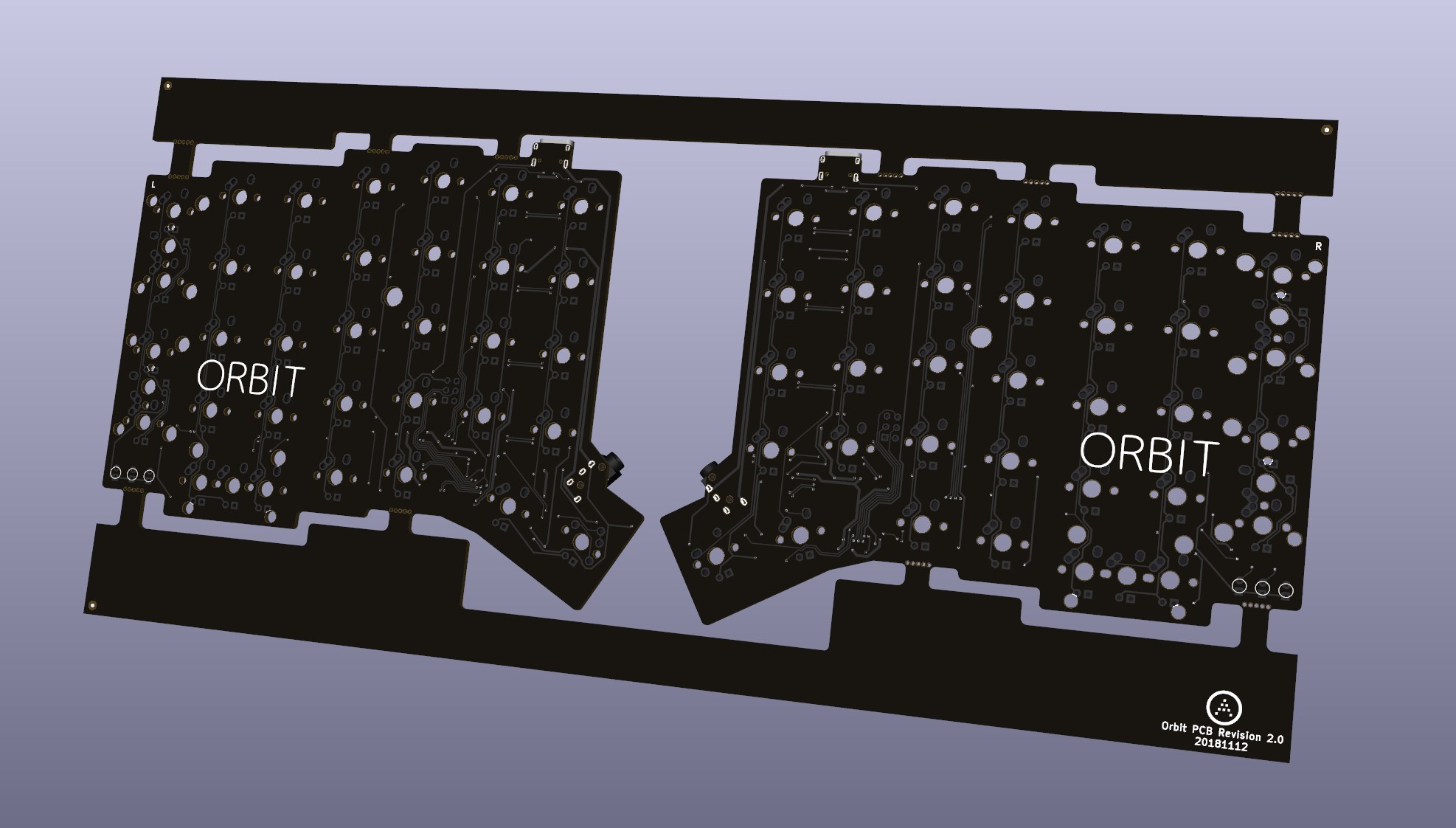
|
||||
|
||||
A split ergonomic keyboard project.
|
||||
|
||||
Keyboard Maintainer: [ai03](https://github.com/ai03-2725)
|
||||
Hardware Supported: The [Orbit PCB](https://github.com/ai03-2725/Orbit)
|
||||
Hardware Availability: [This repository](https://github.com/ai03-2725/Orbit) has PCB files. Case group buy orders are currently closed.
|
||||
|
||||
Make example for this keyboard (after setting up your build environment):
|
||||
|
||||
make ai03/orbit:default
|
||||
|
||||
See the [build environment setup](https://docs.qmk.fm/#/getting_started_build_tools) and the [make instructions](https://docs.qmk.fm/#/getting_started_make_guide) for more information. Brand new to QMK? Start with our [Complete Newbs Guide](https://docs.qmk.fm/#/newbs).
|
||||
@@ -1,92 +0,0 @@
|
||||
SRC += split_util.c \
|
||||
split_flags.c \
|
||||
serial.c \
|
||||
transport.c \
|
||||
matrix.c
|
||||
|
||||
# MCU name
|
||||
#MCU = at90usb1286
|
||||
MCU = atmega32u4
|
||||
|
||||
# Processor frequency.
|
||||
# This will define a symbol, F_CPU, in all source code files equal to the
|
||||
# processor frequency in Hz. You can then use this symbol in your source code to
|
||||
# calculate timings. Do NOT tack on a 'UL' at the end, this will be done
|
||||
# automatically to create a 32-bit value in your source code.
|
||||
#
|
||||
# This will be an integer division of F_USB below, as it is sourced by
|
||||
# F_USB after it has run through any CPU prescalers. Note that this value
|
||||
# does not *change* the processor frequency - it should merely be updated to
|
||||
# reflect the processor speed set externally so that the code can use accurate
|
||||
# software delays.
|
||||
F_CPU = 16000000
|
||||
|
||||
|
||||
#
|
||||
# LUFA specific
|
||||
#
|
||||
# Target architecture (see library "Board Types" documentation).
|
||||
ARCH = AVR8
|
||||
|
||||
# Input clock frequency.
|
||||
# This will define a symbol, F_USB, in all source code files equal to the
|
||||
# input clock frequency (before any prescaling is performed) in Hz. This value may
|
||||
# differ from F_CPU if prescaling is used on the latter, and is required as the
|
||||
# raw input clock is fed directly to the PLL sections of the AVR for high speed
|
||||
# clock generation for the USB and other AVR subsections. Do NOT tack on a 'UL'
|
||||
# at the end, this will be done automatically to create a 32-bit value in your
|
||||
# source code.
|
||||
#
|
||||
# If no clock division is performed on the input clock inside the AVR (via the
|
||||
# CPU clock adjust registers or the clock division fuses), this will be equal to F_CPU.
|
||||
F_USB = $(F_CPU)
|
||||
|
||||
# Interrupt driven control endpoint task(+60)
|
||||
OPT_DEFS += -DINTERRUPT_CONTROL_ENDPOINT
|
||||
|
||||
|
||||
# Bootloader selection
|
||||
# Teensy halfkay
|
||||
# Pro Micro caterina
|
||||
# Atmel DFU atmel-dfu
|
||||
# LUFA DFU lufa-dfu
|
||||
# QMK DFU qmk-dfu
|
||||
# atmega32a bootloadHID
|
||||
BOOTLOADER = atmel-dfu
|
||||
|
||||
|
||||
# If you don't know the bootloader type, then you can specify the
|
||||
# Boot Section Size in *bytes* by uncommenting out the OPT_DEFS line
|
||||
# Teensy halfKay 512
|
||||
# Teensy++ halfKay 1024
|
||||
# Atmel DFU loader 4096
|
||||
# LUFA bootloader 4096
|
||||
# USBaspLoader 2048
|
||||
# OPT_DEFS += -DBOOTLOADER_SIZE=4096
|
||||
|
||||
|
||||
# Build Options
|
||||
# change yes to no to disable
|
||||
#
|
||||
BOOTMAGIC_ENABLE = no # Virtual DIP switch configuration(+1000)
|
||||
MOUSEKEY_ENABLE = yes # Mouse keys(+4700)
|
||||
EXTRAKEY_ENABLE = yes # Audio control and System control(+450)
|
||||
CONSOLE_ENABLE = no # Console for debug(+400)
|
||||
COMMAND_ENABLE = no # Commands for debug and configuration
|
||||
# Do not enable SLEEP_LED_ENABLE. it uses the same timer as BACKLIGHT_ENABLE
|
||||
SLEEP_LED_ENABLE = no # Breathing sleep LED during USB suspend
|
||||
# if this doesn't work, see here: https://github.com/tmk/tmk_keyboard/wiki/FAQ#nkro-doesnt-work
|
||||
NKRO_ENABLE = yes # USB Nkey Rollover
|
||||
BACKLIGHT_ENABLE = yes # Enable keyboard backlight functionality on B7 by default
|
||||
RGBLIGHT_ENABLE = no # Enable keyboard RGB underglow
|
||||
MIDI_ENABLE = no # MIDI support (+2400 to 4200, depending on config)
|
||||
UNICODE_ENABLE = no # Unicode
|
||||
BLUETOOTH_ENABLE = no # Enable Bluetooth with the Adafruit EZ-Key HID
|
||||
AUDIO_ENABLE = no # Audio output on port C6
|
||||
FAUXCLICKY_ENABLE = no # Use buzzer to emulate clicky switches
|
||||
HD44780_ENABLE = no # Enable support for HD44780 based LCDs (+400)
|
||||
USE_I2C = no # I2C for split communication
|
||||
CUSTOM_MATRIX = yes # For providing custom matrix.c (in this case, override regular matrix.c with split matrix.c)
|
||||
# SPLIT_KEYBOARD = yes # Split keyboard flag disabled as manual edits had to be done to the split common files
|
||||
|
||||
|
||||
@@ -1,546 +0,0 @@
|
||||
/*
|
||||
* WARNING: be careful changing this code, it is very timing dependent
|
||||
*
|
||||
* 2018-10-28 checked
|
||||
* avr-gcc 4.9.2
|
||||
* avr-gcc 5.4.0
|
||||
* avr-gcc 7.3.0
|
||||
*/
|
||||
|
||||
#ifndef F_CPU
|
||||
#define F_CPU 16000000
|
||||
#endif
|
||||
|
||||
#include <avr/io.h>
|
||||
#include <avr/interrupt.h>
|
||||
#include <util/delay.h>
|
||||
#include <stddef.h>
|
||||
#include <stdbool.h>
|
||||
#include "serial.h"
|
||||
//#include <pro_micro.h>
|
||||
|
||||
#ifdef SOFT_SERIAL_PIN
|
||||
|
||||
#ifdef __AVR_ATmega32U4__
|
||||
// if using ATmega32U4 I2C, can not use PD0 and PD1 in soft serial.
|
||||
#ifdef USE_AVR_I2C
|
||||
#if SOFT_SERIAL_PIN == D0 || SOFT_SERIAL_PIN == D1
|
||||
#error Using ATmega32U4 I2C, so can not use PD0, PD1
|
||||
#endif
|
||||
#endif
|
||||
|
||||
#if SOFT_SERIAL_PIN >= D0 && SOFT_SERIAL_PIN <= D3
|
||||
#define SERIAL_PIN_DDR DDRD
|
||||
#define SERIAL_PIN_PORT PORTD
|
||||
#define SERIAL_PIN_INPUT PIND
|
||||
#if SOFT_SERIAL_PIN == D0
|
||||
#define SERIAL_PIN_MASK _BV(PD0)
|
||||
#define EIMSK_BIT _BV(INT0)
|
||||
#define EICRx_BIT (~(_BV(ISC00) | _BV(ISC01)))
|
||||
#define SERIAL_PIN_INTERRUPT INT0_vect
|
||||
#elif SOFT_SERIAL_PIN == D1
|
||||
#define SERIAL_PIN_MASK _BV(PD1)
|
||||
#define EIMSK_BIT _BV(INT1)
|
||||
#define EICRx_BIT (~(_BV(ISC10) | _BV(ISC11)))
|
||||
#define SERIAL_PIN_INTERRUPT INT1_vect
|
||||
#elif SOFT_SERIAL_PIN == D2
|
||||
#define SERIAL_PIN_MASK _BV(PD2)
|
||||
#define EIMSK_BIT _BV(INT2)
|
||||
#define EICRx_BIT (~(_BV(ISC20) | _BV(ISC21)))
|
||||
#define SERIAL_PIN_INTERRUPT INT2_vect
|
||||
#elif SOFT_SERIAL_PIN == D3
|
||||
#define SERIAL_PIN_MASK _BV(PD3)
|
||||
#define EIMSK_BIT _BV(INT3)
|
||||
#define EICRx_BIT (~(_BV(ISC30) | _BV(ISC31)))
|
||||
#define SERIAL_PIN_INTERRUPT INT3_vect
|
||||
#endif
|
||||
#elif SOFT_SERIAL_PIN == E6
|
||||
#define SERIAL_PIN_DDR DDRE
|
||||
#define SERIAL_PIN_PORT PORTE
|
||||
#define SERIAL_PIN_INPUT PINE
|
||||
#define SERIAL_PIN_MASK _BV(PE6)
|
||||
#define EIMSK_BIT _BV(INT6)
|
||||
#define EICRx_BIT (~(_BV(ISC60) | _BV(ISC61)))
|
||||
#define SERIAL_PIN_INTERRUPT INT6_vect
|
||||
#else
|
||||
#error invalid SOFT_SERIAL_PIN value
|
||||
#endif
|
||||
|
||||
#else
|
||||
#error serial.c now support ATmega32U4 only
|
||||
#endif
|
||||
|
||||
#define ALWAYS_INLINE __attribute__((always_inline))
|
||||
#define NO_INLINE __attribute__((noinline))
|
||||
#define _delay_sub_us(x) __builtin_avr_delay_cycles(x)
|
||||
|
||||
// parity check
|
||||
#define ODD_PARITY 1
|
||||
#define EVEN_PARITY 0
|
||||
#define PARITY EVEN_PARITY
|
||||
|
||||
#ifdef SERIAL_DELAY
|
||||
// custom setup in config.h
|
||||
// #define TID_SEND_ADJUST 2
|
||||
// #define SERIAL_DELAY 6 // micro sec
|
||||
// #define READ_WRITE_START_ADJUST 30 // cycles
|
||||
// #define READ_WRITE_WIDTH_ADJUST 8 // cycles
|
||||
#else
|
||||
// ============ Standard setups ============
|
||||
|
||||
#ifndef SELECT_SOFT_SERIAL_SPEED
|
||||
#define SELECT_SOFT_SERIAL_SPEED 1
|
||||
// 0: about 189kbps (Experimental only)
|
||||
// 1: about 137kbps (default)
|
||||
// 2: about 75kbps
|
||||
// 3: about 39kbps
|
||||
// 4: about 26kbps
|
||||
// 5: about 20kbps
|
||||
#endif
|
||||
|
||||
#if __GNUC__ < 6
|
||||
#define TID_SEND_ADJUST 14
|
||||
#else
|
||||
#define TID_SEND_ADJUST 2
|
||||
#endif
|
||||
|
||||
#if SELECT_SOFT_SERIAL_SPEED == 0
|
||||
// Very High speed
|
||||
#define SERIAL_DELAY 4 // micro sec
|
||||
#if __GNUC__ < 6
|
||||
#define READ_WRITE_START_ADJUST 33 // cycles
|
||||
#define READ_WRITE_WIDTH_ADJUST 3 // cycles
|
||||
#else
|
||||
#define READ_WRITE_START_ADJUST 34 // cycles
|
||||
#define READ_WRITE_WIDTH_ADJUST 7 // cycles
|
||||
#endif
|
||||
#elif SELECT_SOFT_SERIAL_SPEED == 1
|
||||
// High speed
|
||||
#define SERIAL_DELAY 6 // micro sec
|
||||
#if __GNUC__ < 6
|
||||
#define READ_WRITE_START_ADJUST 30 // cycles
|
||||
#define READ_WRITE_WIDTH_ADJUST 3 // cycles
|
||||
#else
|
||||
#define READ_WRITE_START_ADJUST 33 // cycles
|
||||
#define READ_WRITE_WIDTH_ADJUST 7 // cycles
|
||||
#endif
|
||||
#elif SELECT_SOFT_SERIAL_SPEED == 2
|
||||
// Middle speed
|
||||
#define SERIAL_DELAY 12 // micro sec
|
||||
#define READ_WRITE_START_ADJUST 30 // cycles
|
||||
#if __GNUC__ < 6
|
||||
#define READ_WRITE_WIDTH_ADJUST 3 // cycles
|
||||
#else
|
||||
#define READ_WRITE_WIDTH_ADJUST 7 // cycles
|
||||
#endif
|
||||
#elif SELECT_SOFT_SERIAL_SPEED == 3
|
||||
// Low speed
|
||||
#define SERIAL_DELAY 24 // micro sec
|
||||
#define READ_WRITE_START_ADJUST 30 // cycles
|
||||
#if __GNUC__ < 6
|
||||
#define READ_WRITE_WIDTH_ADJUST 3 // cycles
|
||||
#else
|
||||
#define READ_WRITE_WIDTH_ADJUST 7 // cycles
|
||||
#endif
|
||||
#elif SELECT_SOFT_SERIAL_SPEED == 4
|
||||
// Very Low speed
|
||||
#define SERIAL_DELAY 36 // micro sec
|
||||
#define READ_WRITE_START_ADJUST 30 // cycles
|
||||
#if __GNUC__ < 6
|
||||
#define READ_WRITE_WIDTH_ADJUST 3 // cycles
|
||||
#else
|
||||
#define READ_WRITE_WIDTH_ADJUST 7 // cycles
|
||||
#endif
|
||||
#elif SELECT_SOFT_SERIAL_SPEED == 5
|
||||
// Ultra Low speed
|
||||
#define SERIAL_DELAY 48 // micro sec
|
||||
#define READ_WRITE_START_ADJUST 30 // cycles
|
||||
#if __GNUC__ < 6
|
||||
#define READ_WRITE_WIDTH_ADJUST 3 // cycles
|
||||
#else
|
||||
#define READ_WRITE_WIDTH_ADJUST 7 // cycles
|
||||
#endif
|
||||
#else
|
||||
#error invalid SELECT_SOFT_SERIAL_SPEED value
|
||||
#endif /* SELECT_SOFT_SERIAL_SPEED */
|
||||
#endif /* SERIAL_DELAY */
|
||||
|
||||
#define SERIAL_DELAY_HALF1 (SERIAL_DELAY/2)
|
||||
#define SERIAL_DELAY_HALF2 (SERIAL_DELAY - SERIAL_DELAY/2)
|
||||
|
||||
#define SLAVE_INT_WIDTH_US 1
|
||||
#ifndef SERIAL_USE_MULTI_TRANSACTION
|
||||
#define SLAVE_INT_RESPONSE_TIME SERIAL_DELAY
|
||||
#else
|
||||
#define SLAVE_INT_ACK_WIDTH_UNIT 2
|
||||
#define SLAVE_INT_ACK_WIDTH 4
|
||||
#endif
|
||||
|
||||
static SSTD_t *Transaction_table = NULL;
|
||||
static uint8_t Transaction_table_size = 0;
|
||||
|
||||
inline static void serial_delay(void) ALWAYS_INLINE;
|
||||
inline static
|
||||
void serial_delay(void) {
|
||||
_delay_us(SERIAL_DELAY);
|
||||
}
|
||||
|
||||
inline static void serial_delay_half1(void) ALWAYS_INLINE;
|
||||
inline static
|
||||
void serial_delay_half1(void) {
|
||||
_delay_us(SERIAL_DELAY_HALF1);
|
||||
}
|
||||
|
||||
inline static void serial_delay_half2(void) ALWAYS_INLINE;
|
||||
inline static
|
||||
void serial_delay_half2(void) {
|
||||
_delay_us(SERIAL_DELAY_HALF2);
|
||||
}
|
||||
|
||||
inline static void serial_output(void) ALWAYS_INLINE;
|
||||
inline static
|
||||
void serial_output(void) {
|
||||
SERIAL_PIN_DDR |= SERIAL_PIN_MASK;
|
||||
}
|
||||
|
||||
// make the serial pin an input with pull-up resistor
|
||||
inline static void serial_input_with_pullup(void) ALWAYS_INLINE;
|
||||
inline static
|
||||
void serial_input_with_pullup(void) {
|
||||
SERIAL_PIN_DDR &= ~SERIAL_PIN_MASK;
|
||||
SERIAL_PIN_PORT |= SERIAL_PIN_MASK;
|
||||
}
|
||||
|
||||
inline static uint8_t serial_read_pin(void) ALWAYS_INLINE;
|
||||
inline static
|
||||
uint8_t serial_read_pin(void) {
|
||||
return !!(SERIAL_PIN_INPUT & SERIAL_PIN_MASK);
|
||||
}
|
||||
|
||||
inline static void serial_low(void) ALWAYS_INLINE;
|
||||
inline static
|
||||
void serial_low(void) {
|
||||
SERIAL_PIN_PORT &= ~SERIAL_PIN_MASK;
|
||||
}
|
||||
|
||||
inline static void serial_high(void) ALWAYS_INLINE;
|
||||
inline static
|
||||
void serial_high(void) {
|
||||
SERIAL_PIN_PORT |= SERIAL_PIN_MASK;
|
||||
}
|
||||
|
||||
void soft_serial_initiator_init(SSTD_t *sstd_table, int sstd_table_size)
|
||||
{
|
||||
Transaction_table = sstd_table;
|
||||
Transaction_table_size = (uint8_t)sstd_table_size;
|
||||
serial_output();
|
||||
serial_high();
|
||||
}
|
||||
|
||||
void soft_serial_target_init(SSTD_t *sstd_table, int sstd_table_size)
|
||||
{
|
||||
Transaction_table = sstd_table;
|
||||
Transaction_table_size = (uint8_t)sstd_table_size;
|
||||
serial_input_with_pullup();
|
||||
|
||||
// Enable INT0-INT3,INT6
|
||||
EIMSK |= EIMSK_BIT;
|
||||
#if SERIAL_PIN_MASK == _BV(PE6)
|
||||
// Trigger on falling edge of INT6
|
||||
EICRB &= EICRx_BIT;
|
||||
#else
|
||||
// Trigger on falling edge of INT0-INT3
|
||||
EICRA &= EICRx_BIT;
|
||||
#endif
|
||||
}
|
||||
|
||||
// Used by the sender to synchronize timing with the reciver.
|
||||
static void sync_recv(void) NO_INLINE;
|
||||
static
|
||||
void sync_recv(void) {
|
||||
for (uint8_t i = 0; i < SERIAL_DELAY*5 && serial_read_pin(); i++ ) {
|
||||
}
|
||||
// This shouldn't hang if the target disconnects because the
|
||||
// serial line will float to high if the target does disconnect.
|
||||
while (!serial_read_pin());
|
||||
}
|
||||
|
||||
// Used by the reciver to send a synchronization signal to the sender.
|
||||
static void sync_send(void) NO_INLINE;
|
||||
static
|
||||
void sync_send(void) {
|
||||
serial_low();
|
||||
serial_delay();
|
||||
serial_high();
|
||||
}
|
||||
|
||||
// Reads a byte from the serial line
|
||||
static uint8_t serial_read_chunk(uint8_t *pterrcount, uint8_t bit) NO_INLINE;
|
||||
static uint8_t serial_read_chunk(uint8_t *pterrcount, uint8_t bit) {
|
||||
uint8_t byte, i, p, pb;
|
||||
|
||||
_delay_sub_us(READ_WRITE_START_ADJUST);
|
||||
for( i = 0, byte = 0, p = PARITY; i < bit; i++ ) {
|
||||
serial_delay_half1(); // read the middle of pulses
|
||||
if( serial_read_pin() ) {
|
||||
byte = (byte << 1) | 1; p ^= 1;
|
||||
} else {
|
||||
byte = (byte << 1) | 0; p ^= 0;
|
||||
}
|
||||
_delay_sub_us(READ_WRITE_WIDTH_ADJUST);
|
||||
serial_delay_half2();
|
||||
}
|
||||
/* recive parity bit */
|
||||
serial_delay_half1(); // read the middle of pulses
|
||||
pb = serial_read_pin();
|
||||
_delay_sub_us(READ_WRITE_WIDTH_ADJUST);
|
||||
serial_delay_half2();
|
||||
|
||||
*pterrcount += (p != pb)? 1 : 0;
|
||||
|
||||
return byte;
|
||||
}
|
||||
|
||||
// Sends a byte with MSB ordering
|
||||
void serial_write_chunk(uint8_t data, uint8_t bit) NO_INLINE;
|
||||
void serial_write_chunk(uint8_t data, uint8_t bit) {
|
||||
uint8_t b, p;
|
||||
for( p = PARITY, b = 1<<(bit-1); b ; b >>= 1) {
|
||||
if(data & b) {
|
||||
serial_high(); p ^= 1;
|
||||
} else {
|
||||
serial_low(); p ^= 0;
|
||||
}
|
||||
serial_delay();
|
||||
}
|
||||
/* send parity bit */
|
||||
if(p & 1) { serial_high(); }
|
||||
else { serial_low(); }
|
||||
serial_delay();
|
||||
|
||||
serial_low(); // sync_send() / senc_recv() need raise edge
|
||||
}
|
||||
|
||||
static void serial_send_packet(uint8_t *buffer, uint8_t size) NO_INLINE;
|
||||
static
|
||||
void serial_send_packet(uint8_t *buffer, uint8_t size) {
|
||||
for (uint8_t i = 0; i < size; ++i) {
|
||||
uint8_t data;
|
||||
data = buffer[i];
|
||||
sync_send();
|
||||
serial_write_chunk(data,8);
|
||||
}
|
||||
}
|
||||
|
||||
static uint8_t serial_recive_packet(uint8_t *buffer, uint8_t size) NO_INLINE;
|
||||
static
|
||||
uint8_t serial_recive_packet(uint8_t *buffer, uint8_t size) {
|
||||
uint8_t pecount = 0;
|
||||
for (uint8_t i = 0; i < size; ++i) {
|
||||
uint8_t data;
|
||||
sync_recv();
|
||||
data = serial_read_chunk(&pecount, 8);
|
||||
buffer[i] = data;
|
||||
}
|
||||
return pecount == 0;
|
||||
}
|
||||
|
||||
inline static
|
||||
void change_sender2reciver(void) {
|
||||
sync_send(); //0
|
||||
serial_delay_half1(); //1
|
||||
serial_low(); //2
|
||||
serial_input_with_pullup(); //2
|
||||
serial_delay_half1(); //3
|
||||
}
|
||||
|
||||
inline static
|
||||
void change_reciver2sender(void) {
|
||||
sync_recv(); //0
|
||||
serial_delay(); //1
|
||||
serial_low(); //3
|
||||
serial_output(); //3
|
||||
serial_delay_half1(); //4
|
||||
}
|
||||
|
||||
static inline uint8_t nibble_bits_count(uint8_t bits)
|
||||
{
|
||||
bits = (bits & 0x5) + (bits >> 1 & 0x5);
|
||||
bits = (bits & 0x3) + (bits >> 2 & 0x3);
|
||||
return bits;
|
||||
}
|
||||
|
||||
// interrupt handle to be used by the target device
|
||||
ISR(SERIAL_PIN_INTERRUPT) {
|
||||
|
||||
#ifndef SERIAL_USE_MULTI_TRANSACTION
|
||||
serial_low();
|
||||
serial_output();
|
||||
SSTD_t *trans = Transaction_table;
|
||||
#else
|
||||
// recive transaction table index
|
||||
uint8_t tid, bits;
|
||||
uint8_t pecount = 0;
|
||||
sync_recv();
|
||||
bits = serial_read_chunk(&pecount,7);
|
||||
tid = bits>>3;
|
||||
bits = (bits&7) != nibble_bits_count(tid);
|
||||
if( bits || pecount> 0 || tid > Transaction_table_size ) {
|
||||
return;
|
||||
}
|
||||
serial_delay_half1();
|
||||
|
||||
serial_high(); // response step1 low->high
|
||||
serial_output();
|
||||
_delay_sub_us(SLAVE_INT_ACK_WIDTH_UNIT*SLAVE_INT_ACK_WIDTH);
|
||||
SSTD_t *trans = &Transaction_table[tid];
|
||||
serial_low(); // response step2 ack high->low
|
||||
#endif
|
||||
|
||||
// target send phase
|
||||
if( trans->target2initiator_buffer_size > 0 )
|
||||
serial_send_packet((uint8_t *)trans->target2initiator_buffer,
|
||||
trans->target2initiator_buffer_size);
|
||||
// target switch to input
|
||||
change_sender2reciver();
|
||||
|
||||
// target recive phase
|
||||
if( trans->initiator2target_buffer_size > 0 ) {
|
||||
if (serial_recive_packet((uint8_t *)trans->initiator2target_buffer,
|
||||
trans->initiator2target_buffer_size) ) {
|
||||
*trans->status = TRANSACTION_ACCEPTED;
|
||||
} else {
|
||||
*trans->status = TRANSACTION_DATA_ERROR;
|
||||
}
|
||||
} else {
|
||||
*trans->status = TRANSACTION_ACCEPTED;
|
||||
}
|
||||
|
||||
sync_recv(); //weit initiator output to high
|
||||
}
|
||||
|
||||
/////////
|
||||
// start transaction by initiator
|
||||
//
|
||||
// int soft_serial_transaction(int sstd_index)
|
||||
//
|
||||
// Returns:
|
||||
// TRANSACTION_END
|
||||
// TRANSACTION_NO_RESPONSE
|
||||
// TRANSACTION_DATA_ERROR
|
||||
// this code is very time dependent, so we need to disable interrupts
|
||||
#ifndef SERIAL_USE_MULTI_TRANSACTION
|
||||
int soft_serial_transaction(void) {
|
||||
SSTD_t *trans = Transaction_table;
|
||||
#else
|
||||
int soft_serial_transaction(int sstd_index) {
|
||||
if( sstd_index > Transaction_table_size )
|
||||
return TRANSACTION_TYPE_ERROR;
|
||||
SSTD_t *trans = &Transaction_table[sstd_index];
|
||||
#endif
|
||||
cli();
|
||||
|
||||
// signal to the target that we want to start a transaction
|
||||
serial_output();
|
||||
serial_low();
|
||||
_delay_us(SLAVE_INT_WIDTH_US);
|
||||
|
||||
#ifndef SERIAL_USE_MULTI_TRANSACTION
|
||||
// wait for the target response
|
||||
serial_input_with_pullup();
|
||||
_delay_us(SLAVE_INT_RESPONSE_TIME);
|
||||
|
||||
// check if the target is present
|
||||
if (serial_read_pin()) {
|
||||
// target failed to pull the line low, assume not present
|
||||
serial_output();
|
||||
serial_high();
|
||||
*trans->status = TRANSACTION_NO_RESPONSE;
|
||||
sei();
|
||||
return TRANSACTION_NO_RESPONSE;
|
||||
}
|
||||
|
||||
#else
|
||||
// send transaction table index
|
||||
int tid = (sstd_index<<3) | (7 & nibble_bits_count(sstd_index));
|
||||
sync_send();
|
||||
_delay_sub_us(TID_SEND_ADJUST);
|
||||
serial_write_chunk(tid, 7);
|
||||
serial_delay_half1();
|
||||
|
||||
// wait for the target response (step1 low->high)
|
||||
serial_input_with_pullup();
|
||||
while( !serial_read_pin() ) {
|
||||
_delay_sub_us(2);
|
||||
}
|
||||
|
||||
// check if the target is present (step2 high->low)
|
||||
for( int i = 0; serial_read_pin(); i++ ) {
|
||||
if (i > SLAVE_INT_ACK_WIDTH + 1) {
|
||||
// slave failed to pull the line low, assume not present
|
||||
serial_output();
|
||||
serial_high();
|
||||
*trans->status = TRANSACTION_NO_RESPONSE;
|
||||
sei();
|
||||
return TRANSACTION_NO_RESPONSE;
|
||||
}
|
||||
_delay_sub_us(SLAVE_INT_ACK_WIDTH_UNIT);
|
||||
}
|
||||
#endif
|
||||
|
||||
// initiator recive phase
|
||||
// if the target is present syncronize with it
|
||||
if( trans->target2initiator_buffer_size > 0 ) {
|
||||
if (!serial_recive_packet((uint8_t *)trans->target2initiator_buffer,
|
||||
trans->target2initiator_buffer_size) ) {
|
||||
serial_output();
|
||||
serial_high();
|
||||
*trans->status = TRANSACTION_DATA_ERROR;
|
||||
sei();
|
||||
return TRANSACTION_DATA_ERROR;
|
||||
}
|
||||
}
|
||||
|
||||
// initiator switch to output
|
||||
change_reciver2sender();
|
||||
|
||||
// initiator send phase
|
||||
if( trans->initiator2target_buffer_size > 0 ) {
|
||||
serial_send_packet((uint8_t *)trans->initiator2target_buffer,
|
||||
trans->initiator2target_buffer_size);
|
||||
}
|
||||
|
||||
// always, release the line when not in use
|
||||
sync_send();
|
||||
|
||||
*trans->status = TRANSACTION_END;
|
||||
sei();
|
||||
return TRANSACTION_END;
|
||||
}
|
||||
|
||||
#ifdef SERIAL_USE_MULTI_TRANSACTION
|
||||
int soft_serial_get_and_clean_status(int sstd_index) {
|
||||
SSTD_t *trans = &Transaction_table[sstd_index];
|
||||
cli();
|
||||
int retval = *trans->status;
|
||||
*trans->status = 0;;
|
||||
sei();
|
||||
return retval;
|
||||
}
|
||||
#endif
|
||||
|
||||
#endif
|
||||
|
||||
// Helix serial.c history
|
||||
// 2018-1-29 fork from let's split and add PD2, modify sync_recv() (#2308, bceffdefc)
|
||||
// 2018-6-28 bug fix master to slave comm and speed up (#3255, 1038bbef4)
|
||||
// (adjusted with avr-gcc 4.9.2)
|
||||
// 2018-7-13 remove USE_SERIAL_PD2 macro (#3374, f30d6dd78)
|
||||
// (adjusted with avr-gcc 4.9.2)
|
||||
// 2018-8-11 add support multi-type transaction (#3608, feb5e4aae)
|
||||
// (adjusted with avr-gcc 4.9.2)
|
||||
// 2018-10-21 fix serial and RGB animation conflict (#4191, 4665e4fff)
|
||||
// (adjusted with avr-gcc 7.3.0)
|
||||
// 2018-10-28 re-adjust compiler depend value of delay (#4269, 8517f8a66)
|
||||
// (adjusted with avr-gcc 5.4.0, 7.3.0)
|
||||
// 2018-12-17 copy to TOP/quantum/split_common/ and remove backward compatibility code (#4669)
|
||||
@@ -1,62 +0,0 @@
|
||||
#pragma once
|
||||
|
||||
#include <stdbool.h>
|
||||
|
||||
// /////////////////////////////////////////////////////////////////
|
||||
// Need Soft Serial defines in config.h
|
||||
// /////////////////////////////////////////////////////////////////
|
||||
// ex.
|
||||
// #define SOFT_SERIAL_PIN ?? // ?? = D0,D1,D2,D3,E6
|
||||
// OPTIONAL: #define SELECT_SOFT_SERIAL_SPEED ? // ? = 1,2,3,4,5
|
||||
// // 1: about 137kbps (default)
|
||||
// // 2: about 75kbps
|
||||
// // 3: about 39kbps
|
||||
// // 4: about 26kbps
|
||||
// // 5: about 20kbps
|
||||
//
|
||||
// //// USE simple API (using signle-type transaction function)
|
||||
// /* nothing */
|
||||
// //// USE flexible API (using multi-type transaction function)
|
||||
// #define SERIAL_USE_MULTI_TRANSACTION
|
||||
//
|
||||
// /////////////////////////////////////////////////////////////////
|
||||
|
||||
// Soft Serial Transaction Descriptor
|
||||
typedef struct _SSTD_t {
|
||||
uint8_t *status;
|
||||
uint8_t initiator2target_buffer_size;
|
||||
uint8_t *initiator2target_buffer;
|
||||
uint8_t target2initiator_buffer_size;
|
||||
uint8_t *target2initiator_buffer;
|
||||
} SSTD_t;
|
||||
#define TID_LIMIT( table ) (sizeof(table) / sizeof(SSTD_t))
|
||||
|
||||
// initiator is transaction start side
|
||||
void soft_serial_initiator_init(SSTD_t *sstd_table, int sstd_table_size);
|
||||
// target is interrupt accept side
|
||||
void soft_serial_target_init(SSTD_t *sstd_table, int sstd_table_size);
|
||||
|
||||
// initiator resullt
|
||||
#define TRANSACTION_END 0
|
||||
#define TRANSACTION_NO_RESPONSE 0x1
|
||||
#define TRANSACTION_DATA_ERROR 0x2
|
||||
#define TRANSACTION_TYPE_ERROR 0x4
|
||||
#ifndef SERIAL_USE_MULTI_TRANSACTION
|
||||
int soft_serial_transaction(void);
|
||||
#else
|
||||
int soft_serial_transaction(int sstd_index);
|
||||
#endif
|
||||
|
||||
// target status
|
||||
// *SSTD_t.status has
|
||||
// initiator:
|
||||
// TRANSACTION_END
|
||||
// or TRANSACTION_NO_RESPONSE
|
||||
// or TRANSACTION_DATA_ERROR
|
||||
// target:
|
||||
// TRANSACTION_DATA_ERROR
|
||||
// or TRANSACTION_ACCEPTED
|
||||
#define TRANSACTION_ACCEPTED 0x8
|
||||
#ifdef SERIAL_USE_MULTI_TRANSACTION
|
||||
int soft_serial_get_and_clean_status(int sstd_index);
|
||||
#endif
|
||||
@@ -1,87 +0,0 @@
|
||||
#include "split_util.h"
|
||||
#include "matrix.h"
|
||||
#include "keyboard.h"
|
||||
#include "config.h"
|
||||
#include "timer.h"
|
||||
#include "split_flags.h"
|
||||
#include "transport.h"
|
||||
#include "quantum.h"
|
||||
|
||||
#ifdef EE_HANDS
|
||||
# include "tmk_core/common/eeprom.h"
|
||||
# include "eeconfig.h"
|
||||
#endif
|
||||
|
||||
volatile bool isLeftHand = true;
|
||||
|
||||
__attribute__((weak))
|
||||
bool is_keyboard_left(void) {
|
||||
#ifdef SPLIT_HAND_PIN
|
||||
// Test pin SPLIT_HAND_PIN for High/Low, if low it's right hand
|
||||
setPinInput(SPLIT_HAND_PIN);
|
||||
return readPin(SPLIT_HAND_PIN);
|
||||
#else
|
||||
#ifdef EE_HANDS
|
||||
return eeprom_read_byte(EECONFIG_HANDEDNESS);
|
||||
#else
|
||||
#ifdef MASTER_RIGHT
|
||||
return !is_keyboard_master();
|
||||
#else
|
||||
return is_keyboard_master();
|
||||
#endif
|
||||
#endif
|
||||
#endif
|
||||
}
|
||||
|
||||
bool is_keyboard_master(void)
|
||||
{
|
||||
#ifdef __AVR__
|
||||
static enum { UNKNOWN, MASTER, SLAVE } usbstate = UNKNOWN;
|
||||
|
||||
// only check once, as this is called often
|
||||
if (usbstate == UNKNOWN)
|
||||
{
|
||||
USBCON |= (1 << OTGPADE); // enables VBUS pad
|
||||
wait_us(5);
|
||||
|
||||
usbstate = (USBSTA & (1 << VBUS)) ? MASTER : SLAVE; // checks state of VBUS
|
||||
}
|
||||
|
||||
return (usbstate == MASTER);
|
||||
#else
|
||||
return true;
|
||||
#endif
|
||||
}
|
||||
|
||||
static void keyboard_master_setup(void) {
|
||||
#if defined(USE_I2C) || defined(EH)
|
||||
#ifdef SSD1306OLED
|
||||
matrix_master_OLED_init ();
|
||||
#endif
|
||||
#endif
|
||||
transport_master_init();
|
||||
|
||||
// For master the Backlight info needs to be sent on startup
|
||||
// Otherwise the salve won't start with the proper info until an update
|
||||
BACKLIT_DIRTY = true;
|
||||
}
|
||||
|
||||
static void keyboard_slave_setup(void)
|
||||
{
|
||||
transport_slave_init();
|
||||
}
|
||||
|
||||
// this code runs before the usb and keyboard is initialized
|
||||
void matrix_setup(void)
|
||||
{
|
||||
isLeftHand = is_keyboard_left();
|
||||
|
||||
if (is_keyboard_master())
|
||||
{
|
||||
keyboard_master_setup();
|
||||
}
|
||||
else
|
||||
{
|
||||
keyboard_slave_setup();
|
||||
}
|
||||
}
|
||||
@@ -1,10 +0,0 @@
|
||||
#pragma once
|
||||
|
||||
#include <stdbool.h>
|
||||
#include <stdint.h>
|
||||
#include <stdio.h>
|
||||
#include <stdlib.h>
|
||||
|
||||
extern volatile bool isLeftHand;
|
||||
|
||||
void matrix_master_OLED_init (void);
|
||||
@@ -1,238 +0,0 @@
|
||||
|
||||
#include "transport.h"
|
||||
|
||||
#include "config.h"
|
||||
#include "matrix.h"
|
||||
#include "quantum.h"
|
||||
|
||||
#include "orbit.h"
|
||||
|
||||
#define ROWS_PER_HAND (MATRIX_ROWS/2)
|
||||
|
||||
#ifdef RGBLIGHT_ENABLE
|
||||
# include "rgblight.h"
|
||||
#endif
|
||||
|
||||
#ifdef BACKLIGHT_ENABLE
|
||||
# include "backlight.h"
|
||||
extern backlight_config_t backlight_config;
|
||||
#endif
|
||||
|
||||
#if defined(USE_I2C) || defined(EH)
|
||||
|
||||
#include "i2c.h"
|
||||
|
||||
#ifndef SLAVE_I2C_ADDRESS
|
||||
# define SLAVE_I2C_ADDRESS 0x32
|
||||
#endif
|
||||
|
||||
#if (MATRIX_COLS > 8)
|
||||
# error "Currently only supports 8 COLS"
|
||||
#endif
|
||||
|
||||
// Get rows from other half over i2c
|
||||
bool transport_master(matrix_row_t matrix[]) {
|
||||
int err = 0;
|
||||
|
||||
// write backlight info
|
||||
#ifdef BACKLIGHT_ENABLE
|
||||
if (BACKLIT_DIRTY) {
|
||||
err = i2c_master_start(SLAVE_I2C_ADDRESS + I2C_WRITE);
|
||||
if (err) { goto i2c_error; }
|
||||
|
||||
// Backlight location
|
||||
err = i2c_master_write(I2C_BACKLIT_START);
|
||||
if (err) { goto i2c_error; }
|
||||
|
||||
// Write backlight
|
||||
i2c_master_write(get_backlight_level());
|
||||
|
||||
BACKLIT_DIRTY = false;
|
||||
}
|
||||
#endif
|
||||
|
||||
err = i2c_master_start(SLAVE_I2C_ADDRESS + I2C_WRITE);
|
||||
if (err) { goto i2c_error; }
|
||||
|
||||
// start of matrix stored at I2C_KEYMAP_START
|
||||
err = i2c_master_write(I2C_KEYMAP_START);
|
||||
if (err) { goto i2c_error; }
|
||||
|
||||
// Start read
|
||||
err = i2c_master_start(SLAVE_I2C_ADDRESS + I2C_READ);
|
||||
if (err) { goto i2c_error; }
|
||||
|
||||
if (!err) {
|
||||
int i;
|
||||
for (i = 0; i < ROWS_PER_HAND-1; ++i) {
|
||||
matrix[i] = i2c_master_read(I2C_ACK);
|
||||
}
|
||||
matrix[i] = i2c_master_read(I2C_NACK);
|
||||
i2c_master_stop();
|
||||
} else {
|
||||
i2c_error: // the cable is disconnceted, or something else went wrong
|
||||
i2c_reset_state();
|
||||
return false;
|
||||
}
|
||||
|
||||
#ifdef RGBLIGHT_ENABLE
|
||||
if (RGB_DIRTY) {
|
||||
err = i2c_master_start(SLAVE_I2C_ADDRESS + I2C_WRITE);
|
||||
if (err) { goto i2c_error; }
|
||||
|
||||
// RGB Location
|
||||
err = i2c_master_write(I2C_RGB_START);
|
||||
if (err) { goto i2c_error; }
|
||||
|
||||
uint32_t dword = eeconfig_read_rgblight();
|
||||
|
||||
// Write RGB
|
||||
err = i2c_master_write_data(&dword, 4);
|
||||
if (err) { goto i2c_error; }
|
||||
|
||||
RGB_DIRTY = false;
|
||||
i2c_master_stop();
|
||||
}
|
||||
#endif
|
||||
|
||||
return true;
|
||||
}
|
||||
|
||||
void transport_slave(matrix_row_t matrix[]) {
|
||||
|
||||
for (int i = 0; i < ROWS_PER_HAND; ++i)
|
||||
{
|
||||
i2c_slave_buffer[I2C_KEYMAP_START + i] = matrix[i];
|
||||
}
|
||||
// Read Backlight Info
|
||||
#ifdef BACKLIGHT_ENABLE
|
||||
if (BACKLIT_DIRTY)
|
||||
{
|
||||
backlight_set(i2c_slave_buffer[I2C_BACKLIT_START]);
|
||||
BACKLIT_DIRTY = false;
|
||||
}
|
||||
#endif
|
||||
#ifdef RGBLIGHT_ENABLE
|
||||
if (RGB_DIRTY)
|
||||
{
|
||||
// Disable interupts (RGB data is big)
|
||||
cli();
|
||||
// Create new DWORD for RGB data
|
||||
uint32_t dword;
|
||||
|
||||
// Fill the new DWORD with the data that was sent over
|
||||
uint8_t * dword_dat = (uint8_t *)(&dword);
|
||||
for (int i = 0; i < 4; i++)
|
||||
{
|
||||
dword_dat[i] = i2c_slave_buffer[I2C_RGB_START + i];
|
||||
}
|
||||
|
||||
// Update the RGB now with the new data and set RGB_DIRTY to false
|
||||
rgblight_update_dword(dword);
|
||||
RGB_DIRTY = false;
|
||||
// Re-enable interupts now that RGB is set
|
||||
sei();
|
||||
}
|
||||
#endif
|
||||
}
|
||||
|
||||
void transport_master_init(void) {
|
||||
i2c_master_init();
|
||||
}
|
||||
|
||||
void transport_slave_init(void) {
|
||||
i2c_slave_init(SLAVE_I2C_ADDRESS);
|
||||
}
|
||||
|
||||
#else // USE_SERIAL
|
||||
|
||||
#include "serial.h"
|
||||
|
||||
|
||||
|
||||
volatile Serial_s2m_buffer_t serial_s2m_buffer = {};
|
||||
volatile Serial_m2s_buffer_t serial_m2s_buffer = {};
|
||||
uint8_t volatile status0 = 0;
|
||||
|
||||
SSTD_t transactions[] = {
|
||||
{ (uint8_t *)&status0,
|
||||
sizeof(serial_m2s_buffer), (uint8_t *)&serial_m2s_buffer,
|
||||
sizeof(serial_s2m_buffer), (uint8_t *)&serial_s2m_buffer
|
||||
}
|
||||
};
|
||||
|
||||
uint8_t slave_layer_cache;
|
||||
uint8_t slave_nlock_cache;
|
||||
uint8_t slave_clock_cache;
|
||||
uint8_t slave_slock_cache;
|
||||
|
||||
void transport_master_init(void)
|
||||
{ soft_serial_initiator_init(transactions, TID_LIMIT(transactions)); }
|
||||
|
||||
void transport_slave_init(void)
|
||||
{
|
||||
soft_serial_target_init(transactions, TID_LIMIT(transactions));
|
||||
slave_layer_cache = 255;
|
||||
slave_nlock_cache = 255;
|
||||
slave_clock_cache = 255;
|
||||
slave_slock_cache = 255;
|
||||
}
|
||||
|
||||
bool transport_master(matrix_row_t matrix[]) {
|
||||
|
||||
if (soft_serial_transaction()) {
|
||||
return false;
|
||||
}
|
||||
|
||||
// TODO: if MATRIX_COLS > 8 change to unpack()
|
||||
for (int i = 0; i < ROWS_PER_HAND; ++i) {
|
||||
matrix[i] = serial_s2m_buffer.smatrix[i];
|
||||
}
|
||||
|
||||
#if defined(RGBLIGHT_ENABLE) && defined(RGBLIGHT_SPLIT)
|
||||
// Code to send RGB over serial goes here (not implemented yet)
|
||||
#endif
|
||||
|
||||
#ifdef BACKLIGHT_ENABLE
|
||||
// Write backlight level for slave to read
|
||||
serial_m2s_buffer.backlight_level = backlight_config.enable ? backlight_config.level : 0;
|
||||
#endif
|
||||
|
||||
return true;
|
||||
}
|
||||
|
||||
void transport_slave(matrix_row_t matrix[]) {
|
||||
|
||||
// TODO: if MATRIX_COLS > 8 change to pack()
|
||||
for (int i = 0; i < ROWS_PER_HAND; ++i)
|
||||
{
|
||||
serial_s2m_buffer.smatrix[i] = matrix[i];
|
||||
}
|
||||
#ifdef BACKLIGHT_ENABLE
|
||||
backlight_set(serial_m2s_buffer.backlight_level);
|
||||
#endif
|
||||
#if defined(RGBLIGHT_ENABLE) && defined(RGBLIGHT_SPLIT)
|
||||
// Add serial implementation for RGB here
|
||||
#endif
|
||||
|
||||
if (slave_layer_cache != serial_m2s_buffer.current_layer) {
|
||||
slave_layer_cache = serial_m2s_buffer.current_layer;
|
||||
set_layer_indicators(slave_layer_cache);
|
||||
}
|
||||
|
||||
if (slave_nlock_cache != serial_m2s_buffer.nlock_led) {
|
||||
slave_nlock_cache = serial_m2s_buffer.nlock_led;
|
||||
led_toggle(3, slave_nlock_cache);
|
||||
}
|
||||
if (slave_clock_cache != serial_m2s_buffer.clock_led) {
|
||||
slave_clock_cache = serial_m2s_buffer.clock_led;
|
||||
led_toggle(4, slave_clock_cache);
|
||||
}
|
||||
if (slave_slock_cache != serial_m2s_buffer.slock_led) {
|
||||
slave_slock_cache = serial_m2s_buffer.slock_led;
|
||||
led_toggle(5, slave_slock_cache);
|
||||
}
|
||||
|
||||
}
|
||||
|
||||
#endif
|
||||
@@ -1,42 +0,0 @@
|
||||
#pragma once
|
||||
|
||||
#include <common/matrix.h>
|
||||
|
||||
#define ROWS_PER_HAND (MATRIX_ROWS/2)
|
||||
|
||||
typedef struct _Serial_s2m_buffer_t {
|
||||
// TODO: if MATRIX_COLS > 8 change to uint8_t packed_matrix[] for pack/unpack
|
||||
matrix_row_t smatrix[ROWS_PER_HAND];
|
||||
} Serial_s2m_buffer_t;
|
||||
|
||||
typedef struct _Serial_m2s_buffer_t {
|
||||
#ifdef BACKLIGHT_ENABLE
|
||||
uint8_t backlight_level;
|
||||
#endif
|
||||
#if defined(RGBLIGHT_ENABLE) && defined(RGBLIGHT_SPLIT)
|
||||
rgblight_config_t rgblight_config; //not yet use
|
||||
//
|
||||
// When MCUs on both sides drive their respective RGB LED chains,
|
||||
// it is necessary to synchronize, so it is necessary to communicate RGB information.
|
||||
// In that case, define the RGBLIGHT_SPLIT macro.
|
||||
//
|
||||
// Otherwise, if the master side MCU drives both sides RGB LED chains,
|
||||
// there is no need to communicate.
|
||||
#endif
|
||||
|
||||
uint8_t current_layer;
|
||||
uint8_t nlock_led;
|
||||
uint8_t clock_led;
|
||||
uint8_t slock_led;
|
||||
|
||||
} Serial_m2s_buffer_t;
|
||||
|
||||
extern volatile Serial_s2m_buffer_t serial_s2m_buffer;
|
||||
extern volatile Serial_m2s_buffer_t serial_m2s_buffer;
|
||||
|
||||
void transport_master_init(void);
|
||||
void transport_slave_init(void);
|
||||
|
||||
// returns false if valid data not received from slave
|
||||
bool transport_master(matrix_row_t matrix[]);
|
||||
void transport_slave(matrix_row_t matrix[]);
|
||||
Executable
+106
@@ -0,0 +1,106 @@
|
||||
#!/usr/bin/env python
|
||||
# Copyright 2017 Luiz Ribeiro <luizribeiro@gmail.com>, Sebastian Kaim <sebb@sebb767.de>
|
||||
#
|
||||
# This program is free software: you can redistribute it and/or modify
|
||||
# it under the terms of the GNU General Public License as published by
|
||||
# the Free Software Foundation, either version 2 of the License, or
|
||||
# (at your option) any later version.
|
||||
#
|
||||
# This program is distributed in the hope that it will be useful,
|
||||
# but WITHOUT ANY WARRANTY; without even the implied warranty of
|
||||
# MERCHANTABILITY or FITNESS FOR A PARTICULAR PURPOSE. See the
|
||||
# GNU General Public License for more details.
|
||||
#
|
||||
# You should have received a copy of the GNU General Public License
|
||||
# along with this program. If not, see <http://www.gnu.org/licenses/>.
|
||||
|
||||
from __future__ import print_function
|
||||
|
||||
import os
|
||||
import sys
|
||||
import time
|
||||
import usb
|
||||
|
||||
|
||||
def checkForKeyboardInNormalMode():
|
||||
"""Returns a device if a ps2avrGB device in normal made (that is in keyboard mode) or None if it is not found."""
|
||||
return usb.core.find(idVendor=0x20A0, idProduct=0x422D)
|
||||
|
||||
def checkForKeyboardInBootloaderMode():
|
||||
"""Returns True if a ps2avrGB device in bootloader (flashable) mode is found and False otherwise."""
|
||||
return (usb.core.find(idVendor=0x16c0, idProduct=0x05df) is not None)
|
||||
|
||||
def flashKeyboard(firmware_file):
|
||||
"""Calls bootloadHID to flash the given file to the device."""
|
||||
print('Flashing firmware to device ...')
|
||||
if os.system('bootloadHID -r "%s"' % firmware_file) == 0:
|
||||
print('\nDone!')
|
||||
else:
|
||||
print('\nbootloadHID returned an error.')
|
||||
|
||||
def printDeviceInfo(dev):
|
||||
"""Prints all infos for a given USB device"""
|
||||
print('Device Information:')
|
||||
print(' idVendor: %d (0x%04x)' % (dev.idVendor, dev.idVendor))
|
||||
print(' idProduct: %d (0x%04x)' % (dev.idProduct, dev.idProduct))
|
||||
print('Manufacturer: %s' % (dev.iManufacturer))
|
||||
print('Serial: %s' % (dev.iSerialNumber))
|
||||
print('Product: %s' % (dev.iProduct), end='\n\n')
|
||||
|
||||
def sendDeviceToBootloaderMode(dev):
|
||||
"""Tries to send a given ps2avrGB keyboard to bootloader mode to allow flashing."""
|
||||
try:
|
||||
dev.set_configuration()
|
||||
|
||||
request_type = usb.util.build_request_type(
|
||||
usb.util.CTRL_OUT,
|
||||
usb.util.CTRL_TYPE_CLASS,
|
||||
usb.util.CTRL_RECIPIENT_DEVICE)
|
||||
|
||||
USBRQ_HID_SET_REPORT = 0x09
|
||||
HID_REPORT_OPTION = 0x0301
|
||||
|
||||
dev.ctrl_transfer(request_type, USBRQ_HID_SET_REPORT, HID_REPORT_OPTION, 0, [0, 0, 0xFF] + [0] * 5)
|
||||
except usb.core.USBError:
|
||||
# for some reason I keep getting USBError, but it works!
|
||||
pass
|
||||
|
||||
|
||||
if len(sys.argv) < 2:
|
||||
print('Usage: %s <firmware.hex>' % sys.argv[0])
|
||||
sys.exit(1)
|
||||
|
||||
kb = checkForKeyboardInNormalMode()
|
||||
|
||||
if kb is not None:
|
||||
print('Found a keyboard in normal mode. Attempting to send it to bootloader mode ...', end='')
|
||||
printDeviceInfo(kb)
|
||||
sendDeviceToBootloaderMode(kb)
|
||||
print(' done.')
|
||||
print("Hint: If your keyboard can't be set to bootloader mode automatically, plug it in while pressing the bootloader key to do so manually.")
|
||||
print(" You can find more infos about this here: https://github.com/qmk/qmk_firmware/tree/master/keyboards/ps2avrGB#setting-the-board-to-bootloader-mode")
|
||||
|
||||
attempts = 12 # 60 seconds
|
||||
found = False
|
||||
for attempt in range(1, attempts + 1):
|
||||
print("Searching for keyboard in bootloader mode (%i/%i) ... " % (attempt, attempts), end='')
|
||||
|
||||
if checkForKeyboardInBootloaderMode():
|
||||
print('Found', end='\n\n')
|
||||
flashKeyboard(sys.argv[1])
|
||||
found = True
|
||||
break
|
||||
else:
|
||||
print('Nothing.', end='')
|
||||
|
||||
if attempt != attempts: # no need to wait on the last attempt
|
||||
print(' Sleeping 5 seconds.', end='')
|
||||
time.sleep(5)
|
||||
|
||||
# print a newline
|
||||
print()
|
||||
|
||||
if not found:
|
||||
print("Couldn't find a flashable keyboard. Aborting.")
|
||||
sys.exit(2)
|
||||
|
||||
@@ -45,4 +45,4 @@ OPT_DEFS = -DDEBUG_LEVEL=0
|
||||
SRC += i2c_master.c
|
||||
|
||||
# programming options
|
||||
PROGRAM_CMD = ./util/atmega32a_program.py $(TARGET).hex
|
||||
PROGRAM_CMD = ./keyboards/ps2avrGB/program $(TARGET).hex
|
||||
|
||||
@@ -1,21 +0,0 @@
|
||||
/* Copyright 2018 Jarred Steenvoorden
|
||||
*
|
||||
* This program is free software: you can redistribute it and/or modify
|
||||
* it under the terms of the GNU General Public License as published by
|
||||
* the Free Software Foundation, either version 2 of the License, or
|
||||
* (at your option) any later version.
|
||||
*
|
||||
* This program is distributed in the hope that it will be useful,
|
||||
* but WITHOUT ANY WARRANTY; without even the implied warranty of
|
||||
* MERCHANTABILITY or FITNESS FOR A PARTICULAR PURPOSE. See the
|
||||
* GNU General Public License for more details.
|
||||
*
|
||||
* You should have received a copy of the GNU General Public License
|
||||
* along with this program. If not, see <http://www.gnu.org/licenses/>.
|
||||
*/
|
||||
|
||||
#pragma once
|
||||
|
||||
// My hand wire diodes are in the opposite direction to the Atreus62 PCB
|
||||
#undef DIODE_DIRECTION
|
||||
#define DIODE_DIRECTION COL2ROW
|
||||
@@ -1,26 +0,0 @@
|
||||
/* Copyright 2018 Jarred Steenvoorden
|
||||
*
|
||||
* This program is free software: you can redistribute it and/or modify
|
||||
* it under the terms of the GNU General Public License as published by
|
||||
* the Free Software Foundation, either version 2 of the License, or
|
||||
* (at your option) any later version.
|
||||
*
|
||||
* This program is distributed in the hope that it will be useful,
|
||||
* but WITHOUT ANY WARRANTY; without even the implied warranty of
|
||||
* MERCHANTABILITY or FITNESS FOR A PARTICULAR PURPOSE. See the
|
||||
* GNU General Public License for more details.
|
||||
*
|
||||
* You should have received a copy of the GNU General Public License
|
||||
* along with this program. If not, see <http://www.gnu.org/licenses/>.
|
||||
*/
|
||||
|
||||
#include QMK_KEYBOARD_H
|
||||
#include "jarred.h"
|
||||
|
||||
const uint16_t PROGMEM keymaps[][MATRIX_ROWS][MATRIX_COLS] = {
|
||||
[_QW] = LAYOUT_atreus62_grid_wrapper(BLANK_12, QWERTY_1_12, QWERTY_2_12, QWERTY_3_12, QWERTY_L4, KC_NO, KC_NO, QWERTY_R4),
|
||||
[_LW] = LAYOUT_atreus62_grid_wrapper(BLANK_12, LOWER_1_12 , LOWER_2_12 , LOWER_3_12 , LOWER_L4 , KC_NO, KC_NO, LOWER_R4 ),
|
||||
[_NV] = LAYOUT_atreus62_grid_wrapper(BLANK_12, NAV_1_12 , NAV_2_12 , NAV_3_12 , NAV_L4 , KC_NO, KC_NO, NAV_R4 ),
|
||||
[_NP] = LAYOUT_atreus62_grid_wrapper(BLANK_12, NUMPAD_1_12, NUMPAD_2_12, NUMPAD_3_12, NUMPAD_L4, KC_NO, KC_NO, NUMPAD_R4),
|
||||
[_MS] = LAYOUT_atreus62_grid_wrapper(BLANK_12, MOUSE_1_12 , MOUSE_2_12 , MOUSE_3_12 , MOUSE_L4 , KC_NO, KC_NO, MOUSE_R4 )
|
||||
};
|
||||
@@ -1,43 +0,0 @@
|
||||
/* Copyright 2019
|
||||
*
|
||||
* This program is free software: you can redistribute it and/or modify
|
||||
* it under the terms of the GNU General Public License as published by
|
||||
* the Free Software Foundation, either version 2 of the License, or
|
||||
* (at your option) any later version.
|
||||
*
|
||||
* This program is distributed in the hope that it will be useful,
|
||||
* but WITHOUT ANY WARRANTY; without even the implied warranty of
|
||||
* MERCHANTABILITY or FITNESS FOR A PARTICULAR PURPOSE. See the
|
||||
* GNU General Public License for more details.
|
||||
*
|
||||
* You should have received a copy of the GNU General Public License
|
||||
* along with this program. If not, see <http://www.gnu.org/licenses/>.
|
||||
*/
|
||||
#include "bm16a.h"
|
||||
|
||||
void matrix_init_kb(void) {
|
||||
// put your keyboard start-up code here
|
||||
// runs once when the firmware starts up
|
||||
|
||||
matrix_init_user();
|
||||
}
|
||||
|
||||
void matrix_scan_kb(void) {
|
||||
// put your looping keyboard code here
|
||||
// runs every cycle (a lot)
|
||||
|
||||
matrix_scan_user();
|
||||
}
|
||||
|
||||
bool process_record_kb(uint16_t keycode, keyrecord_t *record) {
|
||||
// put your per-action keyboard code here
|
||||
// runs for every action, just before processing by the firmware
|
||||
|
||||
return process_record_user(keycode, record);
|
||||
}
|
||||
|
||||
void led_set_kb(uint8_t usb_led) {
|
||||
// put your keyboard LED indicator (ex: Caps Lock LED) toggling code here
|
||||
|
||||
led_set_user(usb_led);
|
||||
}
|
||||
@@ -1,39 +0,0 @@
|
||||
/* Copyright 2019
|
||||
*
|
||||
* This program is free software: you can redistribute it and/or modify
|
||||
* it under the terms of the GNU General Public License as published by
|
||||
* the Free Software Foundation, either version 2 of the License, or
|
||||
* (at your option) any later version.
|
||||
*
|
||||
* This program is distributed in the hope that it will be useful,
|
||||
* but WITHOUT ANY WARRANTY; without even the implied warranty of
|
||||
* MERCHANTABILITY or FITNESS FOR A PARTICULAR PURPOSE. See the
|
||||
* GNU General Public License for more details.
|
||||
*
|
||||
* You should have received a copy of the GNU General Public License
|
||||
* along with this program. If not, see <http://www.gnu.org/licenses/>.
|
||||
*/
|
||||
#pragma once
|
||||
|
||||
#include "quantum.h"
|
||||
|
||||
/* This a shortcut to help you visually see your layout.
|
||||
*
|
||||
* The first section contains all of the arguments representing the physical
|
||||
* layout of the board and position of the keys.
|
||||
*
|
||||
* The second converts the arguments into a two-dimensional array which
|
||||
* represents the switch matrix.
|
||||
*/
|
||||
#define LAYOUT_ortho_4x4( \
|
||||
K01, K02, K03, K04, \
|
||||
K11, K12, K13, K14, \
|
||||
K21, K22, K23, K24, \
|
||||
K31, K32, K33, K34 \
|
||||
) \
|
||||
{ \
|
||||
{ K01, K02, K03, K04 }, \
|
||||
{ K11, K12, K13, K14 }, \
|
||||
{ K21, K22, K23, K24 }, \
|
||||
{ K31, K32, K33, K34 } \
|
||||
}
|
||||
@@ -1,246 +0,0 @@
|
||||
/* Copyright 2019
|
||||
*
|
||||
* This program is free software: you can redistribute it and/or modify
|
||||
* it under the terms of the GNU General Public License as published by
|
||||
* the Free Software Foundation, either version 2 of the License, or
|
||||
* (at your option) any later version.
|
||||
*
|
||||
* This program is distributed in the hope that it will be useful,
|
||||
* but WITHOUT ANY WARRANTY; without even the implied warranty of
|
||||
* MERCHANTABILITY or FITNESS FOR A PARTICULAR PURPOSE. See the
|
||||
* GNU General Public License for more details.
|
||||
*
|
||||
* You should have received a copy of the GNU General Public License
|
||||
* along with this program. If not, see <http://www.gnu.org/licenses/>.
|
||||
*/
|
||||
|
||||
#pragma once
|
||||
|
||||
#include "config_common.h"
|
||||
|
||||
/* USB Device descriptor parameter */
|
||||
#define VENDOR_ID 0xFEED
|
||||
#define PRODUCT_ID 0x424D
|
||||
#define DEVICE_VER 0x0001
|
||||
#define MANUFACTURER KPrepublic
|
||||
#define PRODUCT bm16a
|
||||
#define DESCRIPTION KPrepublic bm16a
|
||||
|
||||
/* key matrix size */
|
||||
#define MATRIX_ROWS 4
|
||||
#define MATRIX_COLS 4
|
||||
|
||||
/*
|
||||
* Keyboard Matrix Assignments
|
||||
*
|
||||
* Change this to how you wired your keyboard
|
||||
* COLS: AVR pins used for columns, left to right
|
||||
* ROWS: AVR pins used for rows, top to bottom
|
||||
* DIODE_DIRECTION: COL2ROW = COL = Anode (+), ROW = Cathode (-, marked on diode)
|
||||
* ROW2COL = ROW = Anode (+), COL = Cathode (-, marked on diode)
|
||||
*
|
||||
*/
|
||||
#define MATRIX_ROW_PINS { D3, D5, D1, D2}
|
||||
#define MATRIX_COL_PINS { D6, D4, D7, B4}
|
||||
#define UNUSED_PINS
|
||||
|
||||
/* COL2ROW, ROW2COL*/
|
||||
#define DIODE_DIRECTION COL2ROW
|
||||
|
||||
/*
|
||||
* Split Keyboard specific options, make sure you have 'SPLIT_KEYBOARD = yes' in your rules.mk, and define SOFT_SERIAL_PIN.
|
||||
*/
|
||||
//#define SOFT_SERIAL_PIN D0 // or D1, D2, D3, E6
|
||||
|
||||
#define BACKLIGHT_PIN B6
|
||||
// #define BACKLIGHT_BREATHING
|
||||
#define BACKLIGHT_LEVELS 5
|
||||
|
||||
#define RGB_DI_PIN E2
|
||||
#define RGBLED_NUM 4
|
||||
#define RGBLIGHT_ANIMATIONS
|
||||
// #ifdef RGB_DI_PIN
|
||||
// #define RGBLED_NUM 16
|
||||
// #define RGBLIGHT_HUE_STEP 8
|
||||
// #define RGBLIGHT_SAT_STEP 8
|
||||
// #define RGBLIGHT_VAL_STEP 8
|
||||
// #define RGBLIGHT_LIMIT_VAL 255 /* The maximum brightness level */
|
||||
// #define RGBLIGHT_SLEEP /* If defined, the RGB lighting will be switched off when the host goes to sleep */
|
||||
// /*== all animations enable ==*/
|
||||
// #define RGBLIGHT_ANIMATIONS
|
||||
// /*== or choose animations ==*/
|
||||
// #define RGBLIGHT_EFFECT_BREATHING
|
||||
// #define RGBLIGHT_EFFECT_RAINBOW_MOOD
|
||||
// #define RGBLIGHT_EFFECT_RAINBOW_SWIRL
|
||||
// #define RGBLIGHT_EFFECT_SNAKE
|
||||
// #define RGBLIGHT_EFFECT_KNIGHT
|
||||
// #define RGBLIGHT_EFFECT_CHRISTMAS
|
||||
// #define RGBLIGHT_EFFECT_STATIC_GRADIENT
|
||||
// #define RGBLIGHT_EFFECT_RGB_TEST
|
||||
// #define RGBLIGHT_EFFECT_ALTERNATING
|
||||
// #endif
|
||||
|
||||
/* Debounce reduces chatter (unintended double-presses) - set 0 if debouncing is not needed */
|
||||
#define DEBOUNCING_DELAY 5
|
||||
|
||||
/* define if matrix has ghost (lacks anti-ghosting diodes) */
|
||||
//#define MATRIX_HAS_GHOST
|
||||
|
||||
/* number of backlight levels */
|
||||
|
||||
/* Mechanical locking support. Use KC_LCAP, KC_LNUM or KC_LSCR instead in keymap */
|
||||
#define LOCKING_SUPPORT_ENABLE
|
||||
/* Locking resynchronize hack */
|
||||
#define LOCKING_RESYNC_ENABLE
|
||||
|
||||
/* If defined, GRAVE_ESC will always act as ESC when CTRL is held.
|
||||
* This is userful for the Windows task manager shortcut (ctrl+shift+esc).
|
||||
*/
|
||||
// #define GRAVE_ESC_CTRL_OVERRIDE
|
||||
|
||||
/*
|
||||
* Force NKRO
|
||||
*
|
||||
* Force NKRO (nKey Rollover) to be enabled by default, regardless of the saved
|
||||
* state in the bootmagic EEPROM settings. (Note that NKRO must be enabled in the
|
||||
* makefile for this to work.)
|
||||
*
|
||||
* If forced on, NKRO can be disabled via magic key (default = LShift+RShift+N)
|
||||
* until the next keyboard reset.
|
||||
*
|
||||
* NKRO may prevent your keystrokes from being detected in the BIOS, but it is
|
||||
* fully operational during normal computer usage.
|
||||
*
|
||||
* For a less heavy-handed approach, enable NKRO via magic key (LShift+RShift+N)
|
||||
* or via bootmagic (hold SPACE+N while plugging in the keyboard). Once set by
|
||||
* bootmagic, NKRO mode will always be enabled until it is toggled again during a
|
||||
* power-up.
|
||||
*
|
||||
*/
|
||||
//#define FORCE_NKRO
|
||||
|
||||
/*
|
||||
* Magic Key Options
|
||||
*
|
||||
* Magic keys are hotkey commands that allow control over firmware functions of
|
||||
* the keyboard. They are best used in combination with the HID Listen program,
|
||||
* found here: https://www.pjrc.com/teensy/hid_listen.html
|
||||
*
|
||||
* The options below allow the magic key functionality to be changed. This is
|
||||
* useful if your keyboard/keypad is missing keys and you want magic key support.
|
||||
*
|
||||
*/
|
||||
|
||||
/* key combination for magic key command */
|
||||
/* defined by default; to change, uncomment and set to the combination you want */
|
||||
// #define IS_COMMAND() (get_mods() == (MOD_BIT(KC_LSHIFT) | MOD_BIT(KC_RSHIFT)))
|
||||
|
||||
/* control how magic key switches layers */
|
||||
//#define MAGIC_KEY_SWITCH_LAYER_WITH_FKEYS true
|
||||
//#define MAGIC_KEY_SWITCH_LAYER_WITH_NKEYS true
|
||||
//#define MAGIC_KEY_SWITCH_LAYER_WITH_CUSTOM false
|
||||
|
||||
/* override magic key keymap */
|
||||
//#define MAGIC_KEY_SWITCH_LAYER_WITH_FKEYS
|
||||
//#define MAGIC_KEY_SWITCH_LAYER_WITH_NKEYS
|
||||
//#define MAGIC_KEY_SWITCH_LAYER_WITH_CUSTOM
|
||||
//#define MAGIC_KEY_HELP H
|
||||
//#define MAGIC_KEY_HELP_ALT SLASH
|
||||
//#define MAGIC_KEY_DEBUG D
|
||||
//#define MAGIC_KEY_DEBUG_MATRIX X
|
||||
//#define MAGIC_KEY_DEBUG_KBD K
|
||||
//#define MAGIC_KEY_DEBUG_MOUSE M
|
||||
//#define MAGIC_KEY_VERSION V
|
||||
//#define MAGIC_KEY_STATUS S
|
||||
//#define MAGIC_KEY_CONSOLE C
|
||||
//#define MAGIC_KEY_LAYER0 0
|
||||
//#define MAGIC_KEY_LAYER0_ALT GRAVE
|
||||
//#define MAGIC_KEY_LAYER1 1
|
||||
//#define MAGIC_KEY_LAYER2 2
|
||||
//#define MAGIC_KEY_LAYER3 3
|
||||
//#define MAGIC_KEY_LAYER4 4
|
||||
//#define MAGIC_KEY_LAYER5 5
|
||||
//#define MAGIC_KEY_LAYER6 6
|
||||
//#define MAGIC_KEY_LAYER7 7
|
||||
//#define MAGIC_KEY_LAYER8 8
|
||||
//#define MAGIC_KEY_LAYER9 9
|
||||
//#define MAGIC_KEY_BOOTLOADER B
|
||||
//#define MAGIC_KEY_BOOTLOADER_ALT ESC
|
||||
//#define MAGIC_KEY_LOCK CAPS
|
||||
//#define MAGIC_KEY_EEPROM E
|
||||
//#define MAGIC_KEY_EEPROM_CLEAR BSPACE
|
||||
//#define MAGIC_KEY_NKRO N
|
||||
//#define MAGIC_KEY_SLEEP_LED Z
|
||||
|
||||
/*
|
||||
* Feature disable options
|
||||
* These options are also useful to firmware size reduction.
|
||||
*/
|
||||
|
||||
/* disable debug print */
|
||||
//#define NO_DEBUG
|
||||
|
||||
/* disable print */
|
||||
//#define NO_PRINT
|
||||
|
||||
/* disable action features */
|
||||
//#define NO_ACTION_LAYER
|
||||
//#define NO_ACTION_TAPPING
|
||||
//#define NO_ACTION_ONESHOT
|
||||
//#define NO_ACTION_MACRO
|
||||
//#define NO_ACTION_FUNCTION
|
||||
|
||||
/*
|
||||
* MIDI options
|
||||
*/
|
||||
|
||||
/* Prevent use of disabled MIDI features in the keymap */
|
||||
//#define MIDI_ENABLE_STRICT 1
|
||||
|
||||
/* enable basic MIDI features:
|
||||
- MIDI notes can be sent when in Music mode is on
|
||||
*/
|
||||
//#define MIDI_BASIC
|
||||
|
||||
/* enable advanced MIDI features:
|
||||
- MIDI notes can be added to the keymap
|
||||
- Octave shift and transpose
|
||||
- Virtual sustain, portamento, and modulation wheel
|
||||
- etc.
|
||||
*/
|
||||
//#define MIDI_ADVANCED
|
||||
|
||||
/* override number of MIDI tone keycodes (each octave adds 12 keycodes and allocates 12 bytes) */
|
||||
//#define MIDI_TONE_KEYCODE_OCTAVES 1
|
||||
|
||||
/*
|
||||
* HD44780 LCD Display Configuration
|
||||
*/
|
||||
/*
|
||||
#define LCD_LINES 2 //< number of visible lines of the display
|
||||
#define LCD_DISP_LENGTH 16 //< visibles characters per line of the display
|
||||
|
||||
#define LCD_IO_MODE 1 //< 0: memory mapped mode, 1: IO port mode
|
||||
|
||||
#if LCD_IO_MODE
|
||||
#define LCD_PORT PORTB //< port for the LCD lines
|
||||
#define LCD_DATA0_PORT LCD_PORT //< port for 4bit data bit 0
|
||||
#define LCD_DATA1_PORT LCD_PORT //< port for 4bit data bit 1
|
||||
#define LCD_DATA2_PORT LCD_PORT //< port for 4bit data bit 2
|
||||
#define LCD_DATA3_PORT LCD_PORT //< port for 4bit data bit 3
|
||||
#define LCD_DATA0_PIN 4 //< pin for 4bit data bit 0
|
||||
#define LCD_DATA1_PIN 5 //< pin for 4bit data bit 1
|
||||
#define LCD_DATA2_PIN 6 //< pin for 4bit data bit 2
|
||||
#define LCD_DATA3_PIN 7 //< pin for 4bit data bit 3
|
||||
#define LCD_RS_PORT LCD_PORT //< port for RS line
|
||||
#define LCD_RS_PIN 3 //< pin for RS line
|
||||
#define LCD_RW_PORT LCD_PORT //< port for RW line
|
||||
#define LCD_RW_PIN 2 //< pin for RW line
|
||||
#define LCD_E_PORT LCD_PORT //< port for Enable line
|
||||
#define LCD_E_PIN 1 //< pin for Enable line
|
||||
#endif
|
||||
*/
|
||||
|
||||
/* Bootmagic Lite key configuration */
|
||||
// #define BOOTMAGIC_LITE_ROW 0
|
||||
// #define BOOTMAGIC_LITE_COLUMN 0
|
||||
@@ -1,30 +0,0 @@
|
||||
{
|
||||
"keyboard_name": "bm16a",
|
||||
"url": "",
|
||||
"maintainer": "qmk",
|
||||
"width": 4,
|
||||
"height": 4,
|
||||
"layouts": {
|
||||
"LAYOUT_ortho_4x4": {
|
||||
"key_count": 16,
|
||||
"layout": [
|
||||
{"x":0, "y":0},
|
||||
{"x":1, "y":0},
|
||||
{"x":2, "y":0},
|
||||
{"x":3, "y":0},
|
||||
{"x":0, "y":1},
|
||||
{"x":1, "y":1},
|
||||
{"x":2, "y":1},
|
||||
{"x":3, "y":1},
|
||||
{"x":0, "y":2},
|
||||
{"x":1, "y":2},
|
||||
{"x":2, "y":2},
|
||||
{"x":3, "y":2},
|
||||
{"x":0, "y":3},
|
||||
{"x":1, "y":3},
|
||||
{"x":2, "y":3},
|
||||
{"x":3, "y":3}
|
||||
]
|
||||
}
|
||||
}
|
||||
}
|
||||
@@ -1,19 +0,0 @@
|
||||
/* Copyright 2019
|
||||
*
|
||||
* This program is free software: you can redistribute it and/or modify
|
||||
* it under the terms of the GNU General Public License as published by
|
||||
* the Free Software Foundation, either version 2 of the License, or
|
||||
* (at your option) any later version.
|
||||
*
|
||||
* This program is distributed in the hope that it will be useful,
|
||||
* but WITHOUT ANY WARRANTY; without even the implied warranty of
|
||||
* MERCHANTABILITY or FITNESS FOR A PARTICULAR PURPOSE. See the
|
||||
* GNU General Public License for more details.
|
||||
*
|
||||
* You should have received a copy of the GNU General Public License
|
||||
* along with this program. If not, see <http://www.gnu.org/licenses/>.
|
||||
*/
|
||||
|
||||
#pragma once
|
||||
|
||||
// place overrides here
|
||||
@@ -1,73 +0,0 @@
|
||||
/* Copyright 2019
|
||||
*
|
||||
* This program is free software: you can redistribute it and/or modify
|
||||
* it under the terms of the GNU General Public License as published by
|
||||
* the Free Software Foundation, either version 2 of the License, or
|
||||
* (at your option) any later version.
|
||||
*
|
||||
* This program is distributed in the hope that it will be useful,
|
||||
* but WITHOUT ANY WARRANTY; without even the implied warranty of
|
||||
* MERCHANTABILITY or FITNESS FOR A PARTICULAR PURPOSE. See the
|
||||
* GNU General Public License for more details.
|
||||
*
|
||||
* You should have received a copy of the GNU General Public License
|
||||
* along with this program. If not, see <http://www.gnu.org/licenses/>.
|
||||
*/
|
||||
#include QMK_KEYBOARD_H
|
||||
|
||||
enum layers {
|
||||
_BASE = 0,
|
||||
_FN1,
|
||||
_FN2,
|
||||
};
|
||||
|
||||
// Defines the keycodes used by our macros in process_record_user
|
||||
enum custom_keycodes {
|
||||
QMKBEST = SAFE_RANGE,
|
||||
QMKURL
|
||||
};
|
||||
|
||||
const uint16_t PROGMEM keymaps[][MATRIX_ROWS][MATRIX_COLS] = {
|
||||
|
||||
[_BASE] = LAYOUT_ortho_4x4(
|
||||
KC_PGUP, KC_HOME, KC_UP, KC_END , \
|
||||
KC_PGDN, KC_LEFT, KC_DOWN, KC_RGHT, \
|
||||
MO(_FN2), KC_VOLU, KC_MPLY, KC_MPRV, \
|
||||
MO(_FN1), KC_VOLD, KC_MUTE, KC_MNXT \
|
||||
),
|
||||
[_FN1] = LAYOUT_ortho_4x4(
|
||||
KC_ESC, KC_P7, KC_P8, KC_P9, \
|
||||
KC_TAB, KC_P4, KC_P5, KC_P6, \
|
||||
KC_ENT, KC_P1, KC_P2, KC_P3, \
|
||||
_______, KC_P0, KC_P0, KC_DOT \
|
||||
),
|
||||
[_FN2] = LAYOUT_ortho_4x4(
|
||||
RGB_TOG, RGB_HUI, RGB_SAI, RGB_VAI, \
|
||||
RGB_MOD, RGB_HUD, RGB_SAD, RGB_VAD, \
|
||||
_______, _______, _______, RESET, \
|
||||
BL_STEP, _______, QMKBEST, QMKURL \
|
||||
)
|
||||
|
||||
};
|
||||
|
||||
bool process_record_user(uint16_t keycode, keyrecord_t *record) {
|
||||
switch (keycode) {
|
||||
case QMKBEST:
|
||||
if (record->event.pressed) {
|
||||
// when keycode QMKBEST is pressed
|
||||
SEND_STRING("QMK is the best thing ever!");
|
||||
} else {
|
||||
// when keycode QMKBEST is released
|
||||
}
|
||||
break;
|
||||
case QMKURL:
|
||||
if (record->event.pressed) {
|
||||
// when keycode QMKURL is pressed
|
||||
SEND_STRING("https://qmk.fm/" SS_TAP(X_ENTER));
|
||||
} else {
|
||||
// when keycode QMKURL is released
|
||||
}
|
||||
break;
|
||||
}
|
||||
return true;
|
||||
}
|
||||
@@ -1 +0,0 @@
|
||||
# The default keymap for bm16a
|
||||
@@ -1,15 +0,0 @@
|
||||
# bm16a
|
||||
|
||||
|
||||
|
||||
A 16 key macropad, with USB C, RGB underglow and backlight.
|
||||
|
||||
Keyboard Maintainer: QMK Community
|
||||
Hardware Supported: The PCBs, controllers supported
|
||||
Hardware Availability: [KPrepublic](https://kprepublic.com/products/bm16a-16-keys-custom-mechanical-keyboard-pcb-plate-programmed-numpad-layouts-qmk-firmware-with-rgb-bottom-underglow-alps-mx); [AliExpress](https://www.aliexpress.com/store/product/bm16a-16-keys-Custom-Mechanical-Keyboard-PCB-plate-programmed-numpad-layouts-qmk-firmware-with-rgb-bottom/3034003_32970629907.html)
|
||||
|
||||
Make example for this keyboard (after setting up your build environment):
|
||||
|
||||
make bm16a:default
|
||||
|
||||
See the [build environment setup](https://docs.qmk.fm/#/getting_started_build_tools) and the [make instructions](https://docs.qmk.fm/#/getting_started_make_guide) for more information. Brand new to QMK? Start with our [Complete Newbs Guide](https://docs.qmk.fm/#/newbs).
|
||||
@@ -1,82 +0,0 @@
|
||||
# MCU name
|
||||
MCU = atmega32u4
|
||||
|
||||
# Processor frequency.
|
||||
# This will define a symbol, F_CPU, in all source code files equal to the
|
||||
# processor frequency in Hz. You can then use this symbol in your source code to
|
||||
# calculate timings. Do NOT tack on a 'UL' at the end, this will be done
|
||||
# automatically to create a 32-bit value in your source code.
|
||||
#
|
||||
# This will be an integer division of F_USB below, as it is sourced by
|
||||
# F_USB after it has run through any CPU prescalers. Note that this value
|
||||
# does not *change* the processor frequency - it should merely be updated to
|
||||
# reflect the processor speed set externally so that the code can use accurate
|
||||
# software delays.
|
||||
F_CPU = 16000000
|
||||
|
||||
|
||||
#
|
||||
# LUFA specific
|
||||
#
|
||||
# Target architecture (see library "Board Types" documentation).
|
||||
ARCH = AVR8
|
||||
|
||||
# Input clock frequency.
|
||||
# This will define a symbol, F_USB, in all source code files equal to the
|
||||
# input clock frequency (before any prescaling is performed) in Hz. This value may
|
||||
# differ from F_CPU if prescaling is used on the latter, and is required as the
|
||||
# raw input clock is fed directly to the PLL sections of the AVR for high speed
|
||||
# clock generation for the USB and other AVR subsections. Do NOT tack on a 'UL'
|
||||
# at the end, this will be done automatically to create a 32-bit value in your
|
||||
# source code.
|
||||
#
|
||||
# If no clock division is performed on the input clock inside the AVR (via the
|
||||
# CPU clock adjust registers or the clock division fuses), this will be equal to F_CPU.
|
||||
F_USB = $(F_CPU)
|
||||
|
||||
# Interrupt driven control endpoint task(+60)
|
||||
OPT_DEFS += -DINTERRUPT_CONTROL_ENDPOINT
|
||||
|
||||
|
||||
# Bootloader selection
|
||||
# Teensy halfkay
|
||||
# Pro Micro caterina
|
||||
# Atmel DFU atmel-dfu
|
||||
# LUFA DFU lufa-dfu
|
||||
# QMK DFU qmk-dfu
|
||||
# atmega32a bootloadHID
|
||||
BOOTLOADER = atmel-dfu
|
||||
|
||||
|
||||
# If you don't know the bootloader type, then you can specify the
|
||||
# Boot Section Size in *bytes* by uncommenting out the OPT_DEFS line
|
||||
# Teensy halfKay 512
|
||||
# Teensy++ halfKay 1024
|
||||
# Atmel DFU loader 4096
|
||||
# LUFA bootloader 4096
|
||||
# USBaspLoader 2048
|
||||
# OPT_DEFS += -DBOOTLOADER_SIZE=4096
|
||||
|
||||
|
||||
# Build Options
|
||||
# change yes to no to disable
|
||||
#
|
||||
BOOTMAGIC_ENABLE = lite # Virtual DIP switch configuration(+1000)
|
||||
MOUSEKEY_ENABLE = yes # Mouse keys(+4700)
|
||||
EXTRAKEY_ENABLE = yes # Audio control and System control(+450)
|
||||
CONSOLE_ENABLE = no # Console for debug(+400)
|
||||
COMMAND_ENABLE = no # Commands for debug and configuration
|
||||
# Do not enable SLEEP_LED_ENABLE. it uses the same timer as BACKLIGHT_ENABLE
|
||||
SLEEP_LED_ENABLE = no # Breathing sleep LED during USB suspend
|
||||
# if this doesn't work, see here: https://github.com/tmk/tmk_keyboard/wiki/FAQ#nkro-doesnt-work
|
||||
NKRO_ENABLE = yes # USB Nkey Rollover
|
||||
BACKLIGHT_ENABLE = yes # Enable keyboard backlight functionality on B7 by default
|
||||
RGBLIGHT_ENABLE = yes # Enable keyboard RGB underglow
|
||||
MIDI_ENABLE = no # MIDI support (+2400 to 4200, depending on config)
|
||||
UNICODE_ENABLE = no # Unicode
|
||||
BLUETOOTH_ENABLE = no # Enable Bluetooth with the Adafruit EZ-Key HID
|
||||
AUDIO_ENABLE = no # Audio output on port C6
|
||||
FAUXCLICKY_ENABLE = no # Use buzzer to emulate clicky switches
|
||||
HD44780_ENABLE = no # Enable support for HD44780 based LCDs (+400)
|
||||
|
||||
LAYOUTS = ortho_4x4
|
||||
@@ -23,7 +23,7 @@ along with this program. If not, see <http://www.gnu.org/licenses/>.
|
||||
#define DEVICE_VER 0x0001
|
||||
/* in python2: list(u"whatever".encode('utf-16-le')) */
|
||||
/* at most 32 characters or the ugly hack in usb_main.c borks */
|
||||
#define MANUFACTURER CannonKeys
|
||||
#define MANUFACTURER QMK
|
||||
#define PRODUCT Satisfaction75
|
||||
#define DESCRIPTION Satisfaction 75 Keyboard
|
||||
|
||||
@@ -76,27 +76,14 @@ along with this program. If not, see <http://www.gnu.org/licenses/>.
|
||||
// Bump this every time we change what we store
|
||||
// This will automatically reset the EEPROM with defaults
|
||||
// and avoid loading invalid data from the EEPROM
|
||||
#define EEPROM_VERSION 0x0F
|
||||
#define EEPROM_VERSION 0x02
|
||||
#define EEPROM_VERSION_ADDR 34
|
||||
|
||||
// Dynamic keymap starts after EEPROM version
|
||||
#define DYNAMIC_KEYMAP_EEPROM_ADDR 35
|
||||
|
||||
// Dynamic macro starts after dynamic keymaps (35+(4*6*16*2)) = (35+768) = 803
|
||||
|
||||
// I'm also putting my custom stuff after that
|
||||
// 1 for enabled encoder modes
|
||||
// 1 for custom backlighting controls
|
||||
// 1 for OLED default mode
|
||||
// 6 for 3x custom encoder settings, left, right, and press (18 total)
|
||||
|
||||
#define DYNAMIC_KEYMAP_ENABLED_ENCODER_MODES 803
|
||||
#define DYNAMIC_KEYMAP_CUSTOM_BACKLIGHT 804
|
||||
#define DYNAMIC_KEYMAP_DEFAULT_OLED 805
|
||||
#define DYNAMIC_KEYMAP_CUSTOM_ENCODER 806
|
||||
|
||||
#define DYNAMIC_KEYMAP_MACRO_EEPROM_ADDR 824
|
||||
#define DYNAMIC_KEYMAP_MACRO_EEPROM_SIZE 200
|
||||
// Dynamic macro starts after dynamic keymaps (35+(4*6*16*2)) = (35+768)
|
||||
#define DYNAMIC_KEYMAP_MACRO_EEPROM_ADDR 803
|
||||
#define DYNAMIC_KEYMAP_MACRO_EEPROM_SIZE 221
|
||||
#define DYNAMIC_KEYMAP_MACRO_COUNT 16
|
||||
|
||||
|
||||
|
||||
@@ -109,7 +109,7 @@ uint8_t i2c_readReg(uint8_t devaddr, uint8_t* regaddr, uint8_t* data, uint16_t l
|
||||
}
|
||||
|
||||
// This is usually not needed. It releases the driver to allow pins to become GPIO again.
|
||||
uint8_t i2c_stop(void)
|
||||
uint8_t i2c_stop(uint16_t timeout)
|
||||
{
|
||||
i2cStop(&I2C_DRIVER);
|
||||
return 0;
|
||||
|
||||
@@ -1,37 +0,0 @@
|
||||
/*
|
||||
Copyright 2012,2013 Jun Wako <wakojun@gmail.com>
|
||||
|
||||
This program is free software: you can redistribute it and/or modify
|
||||
it under the terms of the GNU General Public License as published by
|
||||
the Free Software Foundation, either version 2 of the License, or
|
||||
(at your option) any later version.
|
||||
|
||||
This program is distributed in the hope that it will be useful,
|
||||
but WITHOUT ANY WARRANTY; without even the implied warranty of
|
||||
MERCHANTABILITY or FITNESS FOR A PARTICULAR PURPOSE. See the
|
||||
GNU General Public License for more details.
|
||||
|
||||
You should have received a copy of the GNU General Public License
|
||||
along with this program. If not, see <http://www.gnu.org/licenses/>.
|
||||
*/
|
||||
|
||||
#include QMK_KEYBOARD_H
|
||||
|
||||
const uint16_t keymaps[][MATRIX_ROWS][MATRIX_COLS] = {
|
||||
[0] = LAYOUT_all(
|
||||
KC_ESC, KC_F1, KC_F2, KC_F3, KC_F4, KC_F5, KC_F6, KC_F7, KC_F8, KC_F9, KC_F10, KC_F11, KC_F12,
|
||||
KC_GRV, KC_1, KC_2, KC_3, KC_4, KC_5, KC_6, KC_7, KC_8, KC_9, KC_0, KC_MINS, KC_EQL, KC_BSPC, KC_DEL, ENC_PRESS,
|
||||
KC_TAB, KC_Q, KC_W, KC_E, KC_R, KC_T, KC_Y, KC_U, KC_I, KC_O, KC_P, KC_LBRC, KC_RBRC, KC_BSLS, KC_DEL,
|
||||
KC_CAPS, KC_A, KC_S, KC_D, KC_F, KC_G, KC_H, KC_J, KC_K, KC_L, KC_SCLN, KC_QUOT, KC_NUHS, KC_ENTER, KC_PGUP,
|
||||
KC_LSFT, KC_BSLS, KC_Z, KC_X, KC_C, KC_V, KC_B, KC_N, KC_M, KC_COMM, KC_DOT, KC_SLSH, KC_RSFT, KC_UP, KC_PGDN,
|
||||
KC_LCTL, KC_LGUI, KC_LALT, KC_SPC, KC_SPC, KC_SPC, KC_RALT, MO(1), KC_RCTL, KC_LEFT, KC_DOWN, KC_RGHT
|
||||
),
|
||||
[1] = LAYOUT_all(
|
||||
_______, _______, _______, _______, _______, _______, _______, _______, _______, _______, _______, _______, _______,
|
||||
_______, _______, _______, _______, _______, _______, _______, _______, _______, _______, _______, _______, _______, _______, _______, OLED_TOGG,
|
||||
_______, _______, _______, _______, _______, _______, _______, _______, _______, _______, _______, _______, _______, _______, CLOCK_SET,
|
||||
_______, _______, _______, _______, _______, _______, _______, _______, _______, _______, _______, _______, _______, _______, _______,
|
||||
_______, _______, _______, _______, _______, _______, _______, _______, _______, _______, _______, _______, _______, _______, _______,
|
||||
_______, _______, _______, _______, _______, _______, _______, _______, _______, _______, _______, _______
|
||||
)
|
||||
};
|
||||
@@ -1 +0,0 @@
|
||||
QWIIC_ENABLE = no
|
||||
@@ -1,19 +0,0 @@
|
||||
#pragma once
|
||||
|
||||
#include "satisfaction75.h"
|
||||
|
||||
#define LAYOUT_default( \
|
||||
K000, K002, K003, K004, K005, K006, K007, K008, K009, K010, K011, K012, K013, \
|
||||
K100, K101, K102, K103, K104, K105, K106, K107, K108, K109, K110, K111, K112, K113, K115, \
|
||||
K200, K201, K202, K203, K204, K205, K206, K207, K208, K209, K210, K211, K212, K213, K215, \
|
||||
K300, K301, K302, K303, K304, K305, K306, K307, K308, K309, K310, K311, K312, K315, \
|
||||
K400, K401, K402, K403, K404, K405, K406, K407, K408, K409, K410, K411, K413, K415, \
|
||||
K500, K501, K502, K505, K509, K510, K511, K512, K513, K515 \
|
||||
) { \
|
||||
{ K000, KC_NO, K002, K003, K004, K005, K006, K007, K008, K009, K010, K011, K012, K013, KC_NO, KC_NO }, \
|
||||
{ K100, K101, K102, K103, K104, K105, K106, K107, K108, K109, K110, K111, K112, K113, KC_NO, K115 }, \
|
||||
{ K200, K201, K202, K203, K204, K205, K206, K207, K208, K209, K210, K211, K212, K213, KC_NO, K215 }, \
|
||||
{ K300, K301, K302, K303, K304, K305, K306, K307, K308, K309, K310, K311, K312, KC_NO, KC_NO, K315 }, \
|
||||
{ K400, K401, K402, K403, K404, K405, K406, K407, K408, K409, K410, K411, KC_NO, K413, KC_NO, K415 }, \
|
||||
{ K500, K501, K502, KC_NO, KC_NO, K505, KC_NO, KC_NO, KC_NO, K509, K510, K511, K512, K513, KC_NO, K515 } \
|
||||
}
|
||||
@@ -1,108 +0,0 @@
|
||||
#pragma once
|
||||
|
||||
#include "satisfaction75.h"
|
||||
|
||||
// This layout is the default - it's what's in VIA
|
||||
// ANSI, bottom row 1.25/1.25/1.25/6.25/1/1/1
|
||||
#define LAYOUT_default( \
|
||||
K000, K002, K003, K004, K005, K006, K007, K008, K009, K010, K011, K012, K013, \
|
||||
K100, K101, K102, K103, K104, K105, K106, K107, K108, K109, K110, K111, K112, K113, K115, \
|
||||
K200, K201, K202, K203, K204, K205, K206, K207, K208, K209, K210, K211, K212, K213, K215, \
|
||||
K300, K301, K302, K303, K304, K305, K306, K307, K308, K309, K310, K311, K313, K315, \
|
||||
K400, K402, K403, K404, K405, K406, K407, K408, K409, K410, K411, K412, K413, K415, \
|
||||
K500, K501, K502, K505, K509, K510, K511, K512, K513, K515 \
|
||||
) { \
|
||||
{ K000, KC_NO, K002, K003, K004, K005, K006, K007, K008, K009, K010, K011, K012, K013, KC_NO, KC_NO }, \
|
||||
{ K100, K101, K102, K103, K104, K105, K106, K107, K108, K109, K110, K111, K112, K113, KC_NO, K115 }, \
|
||||
{ K200, K201, K202, K203, K204, K205, K206, K207, K208, K209, K210, K211, K212, K213, KC_NO, K215 }, \
|
||||
{ K300, K301, K302, K303, K304, K305, K306, K307, K308, K309, K310, K311, KC_NO, K313, KC_NO, K315 }, \
|
||||
{ K400, KC_NO, K402, K403, K404, K405, K406, K407, K408, K409, K410, K411, K412, K413, KC_NO, K415 }, \
|
||||
{ K500, K501, K502, KC_NO, KC_NO, K505, KC_NO, KC_NO, KC_NO, K509, K510, K511, K512, K513, KC_NO, K515 } \
|
||||
}
|
||||
|
||||
// ISO, bottom row 1.25/1.25/1.25/6.25/1/1/1
|
||||
#define LAYOUT_iso( \
|
||||
K000, K002, K003, K004, K005, K006, K007, K008, K009, K010, K011, K012, K013, \
|
||||
K100, K101, K102, K103, K104, K105, K106, K107, K108, K109, K110, K111, K112, K113, K115, \
|
||||
K200, K201, K202, K203, K204, K205, K206, K207, K208, K209, K210, K211, K212, K213, K215, \
|
||||
K300, K301, K302, K303, K304, K305, K306, K307, K308, K309, K310, K311, K312, K313, K315, \
|
||||
K400, K401, K402, K403, K404, K405, K406, K407, K408, K409, K410, K411, K412, K413, K415, \
|
||||
K500, K501, K502, K505, K509, K510, K511, K512, K513, K515 \
|
||||
) { \
|
||||
{ K000, KC_NO, K002, K003, K004, K005, K006, K007, K008, K009, K010, K011, K012, K013, KC_NO, KC_NO }, \
|
||||
{ K100, K101, K102, K103, K104, K105, K106, K107, K108, K109, K110, K111, K112, K113, KC_NO, K115 }, \
|
||||
{ K200, K201, K202, K203, K204, K205, K206, K207, K208, K209, K210, K211, K212, K213, KC_NO, K215 }, \
|
||||
{ K300, K301, K302, K303, K304, K305, K306, K307, K308, K309, K310, K311, K312, K313, KC_NO, K315 }, \
|
||||
{ K400, K401, K402, K403, K404, K405, K406, K407, K408, K409, K410, K411, K412, K413, KC_NO, K415 }, \
|
||||
{ K500, K501, K502, KC_NO, KC_NO, K505, KC_NO, KC_NO, KC_NO, K509, K510, K511, K512, K513, KC_NO, K515 } \
|
||||
}
|
||||
|
||||
// ANSI, bottom row 1.25/1.25/1.25/6.25/1.5/1.5
|
||||
#define LAYOUT_3x2( \
|
||||
K000, K002, K003, K004, K005, K006, K007, K008, K009, K010, K011, K012, K013, \
|
||||
K100, K101, K102, K103, K104, K105, K106, K107, K108, K109, K110, K111, K112, K113, K115, \
|
||||
K200, K201, K202, K203, K204, K205, K206, K207, K208, K209, K210, K211, K212, K213, K215, \
|
||||
K300, K301, K302, K303, K304, K305, K306, K307, K308, K309, K310, K311, K313, K315, \
|
||||
K400, K402, K403, K404, K405, K406, K407, K408, K409, K410, K411, K412, K413, K415, \
|
||||
K500, K501, K502, K505, K509, K511, K512, K513, K515 \
|
||||
) { \
|
||||
{ K000, KC_NO, K002, K003, K004, K005, K006, K007, K008, K009, K010, K011, K012, K013, KC_NO, KC_NO }, \
|
||||
{ K100, K101, K102, K103, K104, K105, K106, K107, K108, K109, K110, K111, K112, K113, KC_NO, K115 }, \
|
||||
{ K200, K201, K202, K203, K204, K205, K206, K207, K208, K209, K210, K211, K212, K213, KC_NO, K215 }, \
|
||||
{ K300, K301, K302, K303, K304, K305, K306, K307, K308, K309, K310, K311, KC_NO, K313, KC_NO, K315 }, \
|
||||
{ K400, KC_NO, K402, K403, K404, K405, K406, K407, K408, K409, K410, K411, K412, K413, KC_NO, K415 }, \
|
||||
{ K500, K501, K502, KC_NO, KC_NO, K505, KC_NO, KC_NO, KC_NO, K509, KC_NO, K511, K512, K513, KC_NO, K515 } \
|
||||
}
|
||||
|
||||
// ANSI, WKL bottom row 1.5/1.5/7/1.5/1.5, Split Backspace
|
||||
#define LAYOUT_2x2( \
|
||||
K000, K002, K003, K004, K005, K006, K007, K008, K009, K010, K011, K012, K013, \
|
||||
K100, K101, K102, K103, K104, K105, K106, K107, K108, K109, K110, K111, K112, K113, K114, K115, \
|
||||
K200, K201, K202, K203, K204, K205, K206, K207, K208, K209, K210, K211, K212, K213, K215, \
|
||||
K300, K301, K302, K303, K304, K305, K306, K307, K308, K309, K310, K311, K313, K315, \
|
||||
K400, K402, K403, K404, K405, K406, K407, K408, K409, K410, K411, K412, K413, K415, \
|
||||
K500, K501, K505, K509, K511, K512, K513, K515 \
|
||||
) { \
|
||||
{ K000, KC_NO, K002, K003, K004, K005, K006, K007, K008, K009, K010, K011, K012, K013, KC_NO, KC_NO }, \
|
||||
{ K100, K101, K102, K103, K104, K105, K106, K107, K108, K109, K110, K111, K112, K113, K114, K115 }, \
|
||||
{ K200, K201, K202, K203, K204, K205, K206, K207, K208, K209, K210, K211, K212, K213, KC_NO, K215 }, \
|
||||
{ K300, K301, K302, K303, K304, K305, K306, K307, K308, K309, K310, K311, KC_NO, K313, KC_NO, K315 }, \
|
||||
{ K400, KC_NO, K402, K403, K404, K405, K406, K407, K408, K409, K410, K411, K412, K413, KC_NO, K415 }, \
|
||||
{ K500, K501, KC_NO, KC_NO, KC_NO, K505, KC_NO, KC_NO, KC_NO, K509, KC_NO, K511, K512, K513, KC_NO, K515 } \
|
||||
}
|
||||
|
||||
// ANSI, bottom row 1.25/1.25/1.25/2.25/1.25/2.75/1/1/1
|
||||
// ANSI, bottom row 1.25/1.25/1.25/2.75/1.25/2.25/1/1/1
|
||||
#define LAYOUT_split_space( \
|
||||
K000, K002, K003, K004, K005, K006, K007, K008, K009, K010, K011, K012, K013, \
|
||||
K100, K101, K102, K103, K104, K105, K106, K107, K108, K109, K110, K111, K112, K113, K115, \
|
||||
K200, K201, K202, K203, K204, K205, K206, K207, K208, K209, K210, K211, K212, K213, K215, \
|
||||
K300, K301, K302, K303, K304, K305, K306, K307, K308, K309, K310, K311, K313, K315, \
|
||||
K400, K402, K403, K404, K405, K406, K407, K408, K409, K410, K411, K412, K413, K415, \
|
||||
K500, K501, K502, K503, K505, K507, K509, K510, K511, K512, K513, K515 \
|
||||
) { \
|
||||
{ K000, KC_NO, K002, K003, K004, K005, K006, K007, K008, K009, K010, K011, K012, K013, KC_NO, KC_NO }, \
|
||||
{ K100, K101, K102, K103, K104, K105, K106, K107, K108, K109, K110, K111, K112, K113, KC_NO, K115 }, \
|
||||
{ K200, K201, K202, K203, K204, K205, K206, K207, K208, K209, K210, K211, K212, K213, KC_NO, K215 }, \
|
||||
{ K300, K301, K302, K303, K304, K305, K306, K307, K308, K309, K310, K311, KC_NO, K313, KC_NO, K315 }, \
|
||||
{ K400, KC_NO, K402, K403, K404, K405, K406, K407, K408, K409, K410, K411, K412, K413, KC_NO, K415 }, \
|
||||
{ K500, K501, K502, K503, KC_NO, K505, KC_NO, K507, KC_NO, K509, K510, K511, K512, K513, KC_NO, K515 } \
|
||||
}
|
||||
|
||||
|
||||
// Expose All Keys - Split backspace - ISO Extra keys - Split space bottom row
|
||||
#define LAYOUT_all( \
|
||||
K000, K002, K003, K004, K005, K006, K007, K008, K009, K010, K011, K012, K013, \
|
||||
K100, K101, K102, K103, K104, K105, K106, K107, K108, K109, K110, K111, K112, K113, K114, K115, \
|
||||
K200, K201, K202, K203, K204, K205, K206, K207, K208, K209, K210, K211, K212, K213, K215, \
|
||||
K300, K301, K302, K303, K304, K305, K306, K307, K308, K309, K310, K311, K312, K313, K315, \
|
||||
K400, K401, K402, K403, K404, K405, K406, K407, K408, K409, K410, K411, K412, K413, K415, \
|
||||
K500, K501, K502, K503, K505, K507, K509, K510, K511, K512, K513, K515 \
|
||||
) { \
|
||||
{ K000, KC_NO, K002, K003, K004, K005, K006, K007, K008, K009, K010, K011, K012, K013, KC_NO, KC_NO }, \
|
||||
{ K100, K101, K102, K103, K104, K105, K106, K107, K108, K109, K110, K111, K112, K113, K114, K115 }, \
|
||||
{ K200, K201, K202, K203, K204, K205, K206, K207, K208, K209, K210, K211, K212, K213, KC_NO, K215 }, \
|
||||
{ K300, K301, K302, K303, K304, K305, K306, K307, K308, K309, K310, K311, K312, K313, KC_NO, K315 }, \
|
||||
{ K400, K401, K402, K403, K404, K405, K406, K407, K408, K409, K410, K411, K412, K413, KC_NO, K415 }, \
|
||||
{ K500, K501, K502, K503, KC_NO, K505, KC_NO, K507, KC_NO, K509, K510, K511, K512, K513, KC_NO, K515 } \
|
||||
}
|
||||
@@ -54,4 +54,4 @@ QWIIC_ENABLE += MICRO_OLED
|
||||
# RAW_ENABLE = yes
|
||||
# DYNAMIC_KEYMAP_ENABLE = yes
|
||||
|
||||
DEFAULT_FOLDER = cannonkeys/satisfaction75/rev1
|
||||
DEFAULT_FOLDER = cannonkeys/satisfaction75
|
||||
|
||||
@@ -5,10 +5,9 @@
|
||||
#include "ch.h"
|
||||
#include "hal.h"
|
||||
|
||||
#ifdef QWIIC_MICRO_OLED_ENABLE
|
||||
// #ifdef QWIIC_MICRO_OLED_ENABLE
|
||||
#include "micro_oled.h"
|
||||
#include "qwiic.h"
|
||||
#endif
|
||||
|
||||
#include "timer.h"
|
||||
|
||||
@@ -94,87 +93,21 @@ void raw_hid_receive( uint8_t *data, uint8_t length )
|
||||
}
|
||||
case id_get_keyboard_value:
|
||||
{
|
||||
switch( command_data[0])
|
||||
{
|
||||
case id_uptime:
|
||||
{
|
||||
uint32_t value = timer_read32();
|
||||
command_data[1] = (value >> 24 ) & 0xFF;
|
||||
command_data[2] = (value >> 16 ) & 0xFF;
|
||||
command_data[3] = (value >> 8 ) & 0xFF;
|
||||
command_data[4] = value & 0xFF;
|
||||
break;
|
||||
}
|
||||
case id_oled_default_mode:
|
||||
{
|
||||
uint8_t default_oled = eeprom_read_byte((uint8_t*)DYNAMIC_KEYMAP_DEFAULT_OLED);
|
||||
command_data[1] = default_oled;
|
||||
break;
|
||||
}
|
||||
case id_oled_mode:
|
||||
{
|
||||
command_data[1] = oled_mode;
|
||||
break;
|
||||
|
||||
}
|
||||
case id_encoder_modes:
|
||||
{
|
||||
command_data[1] = enabled_encoder_modes;
|
||||
break;
|
||||
}
|
||||
case id_encoder_custom:
|
||||
{
|
||||
// uint8_t custom_encoder_idx = command_data[1];
|
||||
// command_data[2] = 0x00;
|
||||
// command_data[3] = 0x00;
|
||||
// command_data[4] = 0x00;
|
||||
// command_data[5] = 0x00;
|
||||
// command_data[6] = 0x00;
|
||||
// command_data[7] = 0x00;
|
||||
break;
|
||||
}
|
||||
default:
|
||||
{
|
||||
*command_id = id_unhandled;
|
||||
break;
|
||||
}
|
||||
}
|
||||
if ( command_data[0] == id_uptime )
|
||||
{
|
||||
uint32_t value = timer_read32();
|
||||
command_data[1] = (value >> 24 ) & 0xFF;
|
||||
command_data[2] = (value >> 16 ) & 0xFF;
|
||||
command_data[3] = (value >> 8 ) & 0xFF;
|
||||
command_data[4] = value & 0xFF;
|
||||
}
|
||||
else
|
||||
{
|
||||
*command_id = id_unhandled;
|
||||
}
|
||||
break;
|
||||
}
|
||||
}
|
||||
#ifdef DYNAMIC_KEYMAP_ENABLE
|
||||
case id_set_keyboard_value:
|
||||
{
|
||||
switch(command_data[0]){
|
||||
case id_oled_default_mode:
|
||||
{
|
||||
eeprom_update_byte((uint8_t*)DYNAMIC_KEYMAP_DEFAULT_OLED, command_data[1]);
|
||||
break;
|
||||
}
|
||||
case id_oled_mode:
|
||||
{
|
||||
oled_mode = command_data[1];
|
||||
draw_ui();
|
||||
break;
|
||||
}
|
||||
case id_encoder_modes:
|
||||
{
|
||||
enabled_encoder_modes = command_data[1];
|
||||
eeprom_update_byte((uint8_t*)DYNAMIC_KEYMAP_ENABLED_ENCODER_MODES, enabled_encoder_modes);
|
||||
break;
|
||||
}
|
||||
case id_encoder_custom:
|
||||
{
|
||||
// uint8_t custom_encoder_idx = command_data[1];
|
||||
break;
|
||||
}
|
||||
default:
|
||||
{
|
||||
*command_id = id_unhandled;
|
||||
break;
|
||||
}
|
||||
}
|
||||
break;
|
||||
}
|
||||
case id_dynamic_keymap_get_keycode:
|
||||
{
|
||||
uint16_t keycode = dynamic_keymap_get_keycode( command_data[0], command_data[1], command_data[2] );
|
||||
@@ -310,11 +243,9 @@ bool process_record_kb(uint16_t keycode, keyrecord_t *record) {
|
||||
queue_for_send = true;
|
||||
switch (keycode) {
|
||||
case OLED_TOGG:
|
||||
if(!clock_set_mode){
|
||||
if (record->event.pressed) {
|
||||
oled_mode = (oled_mode + 1) % _NUM_OLED_MODES;
|
||||
draw_ui();
|
||||
}
|
||||
if (record->event.pressed) {
|
||||
oled_mode = (oled_mode + 1) % _NUM_OLED_MODES;
|
||||
draw_ui();
|
||||
}
|
||||
return false;
|
||||
case CLOCK_SET:
|
||||
@@ -394,34 +325,12 @@ void encoder_update_kb(uint8_t index, bool clockwise) {
|
||||
}
|
||||
}
|
||||
|
||||
void dynamic_keymap_custom_reset(void){
|
||||
void *p = (void*)(DYNAMIC_KEYMAP_CUSTOM_BACKLIGHT);
|
||||
void *end = (void*)(DYNAMIC_KEYMAP_MACRO_EEPROM_ADDR);
|
||||
while ( p != end ) {
|
||||
eeprom_update_byte(p, 0);
|
||||
++p;
|
||||
}
|
||||
eeprom_update_byte((uint8_t*)DYNAMIC_KEYMAP_ENABLED_ENCODER_MODES, 0x1F);
|
||||
}
|
||||
|
||||
void save_backlight_config_to_eeprom(){
|
||||
eeprom_update_byte((uint8_t*)DYNAMIC_KEYMAP_CUSTOM_BACKLIGHT, kb_backlight_config.raw);
|
||||
}
|
||||
|
||||
void load_custom_config(){
|
||||
kb_backlight_config.raw = eeprom_read_byte((uint8_t*)DYNAMIC_KEYMAP_CUSTOM_BACKLIGHT);
|
||||
#ifdef DYNAMIC_KEYMAP_ENABLE
|
||||
oled_mode = eeprom_read_byte((uint8_t*)DYNAMIC_KEYMAP_DEFAULT_OLED);
|
||||
enabled_encoder_modes = eeprom_read_byte((uint8_t*)DYNAMIC_KEYMAP_ENABLED_ENCODER_MODES);
|
||||
#endif
|
||||
}
|
||||
|
||||
void eeprom_init_kb(void)
|
||||
{
|
||||
// If the EEPROM has the magic, the data is good.
|
||||
// OK to load from EEPROM.
|
||||
if (eeprom_is_valid()) {
|
||||
load_custom_config();
|
||||
//backlight_config_load();
|
||||
} else {
|
||||
// If the EEPROM has not been saved before, or is out of date,
|
||||
// save the default values to the EEPROM. Default values
|
||||
@@ -432,8 +341,6 @@ void eeprom_init_kb(void)
|
||||
dynamic_keymap_reset();
|
||||
// This resets the macros in EEPROM to nothing.
|
||||
dynamic_keymap_macro_reset();
|
||||
// Reset the custom stuff
|
||||
dynamic_keymap_custom_reset();
|
||||
#endif
|
||||
// Save the magic number last, in case saving was interrupted
|
||||
eeprom_set_valid(true);
|
||||
@@ -460,7 +367,7 @@ void matrix_scan_kb(void) {
|
||||
queue_for_send = true;
|
||||
}
|
||||
}
|
||||
#ifdef QWIIC_MICRO_OLED_ENABLE
|
||||
|
||||
if (queue_for_send && oled_mode != OLED_OFF) {
|
||||
oled_sleeping = false;
|
||||
read_host_led_state();
|
||||
@@ -471,6 +378,5 @@ void matrix_scan_kb(void) {
|
||||
send_command(DISPLAYOFF); /* 0xAE */
|
||||
oled_sleeping = true;
|
||||
}
|
||||
#endif
|
||||
}
|
||||
|
||||
|
||||
@@ -2,11 +2,23 @@
|
||||
|
||||
#include "quantum.h"
|
||||
|
||||
#ifdef KEYBOARD_cannonkeys_satisfaction75_prototype
|
||||
#include "prototype.h"
|
||||
#else
|
||||
#include "rev1.h"
|
||||
#endif
|
||||
// The first section contains all of the arguements
|
||||
// The second converts the arguments into a two-dimensional array
|
||||
#define LAYOUT_default( \
|
||||
K000, K002, K003, K004, K005, K006, K007, K008, K009, K010, K011, K012, K013, \
|
||||
K100, K101, K102, K103, K104, K105, K106, K107, K108, K109, K110, K111, K112, K113, K115, \
|
||||
K200, K201, K202, K203, K204, K205, K206, K207, K208, K209, K210, K211, K212, K213, K215, \
|
||||
K300, K301, K302, K303, K304, K305, K306, K307, K308, K309, K310, K311, K312, K315, \
|
||||
K400, K401, K402, K403, K404, K405, K406, K407, K408, K409, K410, K411, K413, K415, \
|
||||
K500, K501, K502, K505, K509, K510, K511, K512, K513, K515 \
|
||||
) { \
|
||||
{ K000, KC_NO, K002, K003, K004, K005, K006, K007, K008, K009, K010, K011, K012, K013, KC_NO, KC_NO }, \
|
||||
{ K100, K101, K102, K103, K104, K105, K106, K107, K108, K109, K110, K111, K112, K113, KC_NO, K115 }, \
|
||||
{ K200, K201, K202, K203, K204, K205, K206, K207, K208, K209, K210, K211, K212, K213, KC_NO, K215 }, \
|
||||
{ K300, K301, K302, K303, K304, K305, K306, K307, K308, K309, K310, K311, K312, KC_NO, KC_NO, K315 }, \
|
||||
{ K400, K401, K402, K403, K404, K405, K406, K407, K408, K409, K410, K411, KC_NO, K413, KC_NO, K415 }, \
|
||||
{ K500, K501, K502, KC_NO, KC_NO, K505, KC_NO, KC_NO, KC_NO, K509, K510, K511, K512, K513, KC_NO, K515 } \
|
||||
}
|
||||
|
||||
/* screen off after this many milliseconds */
|
||||
#define ScreenOffInterval 60000 /* milliseconds */
|
||||
@@ -27,13 +39,6 @@ enum my_keycodes {
|
||||
OLED_TOGG
|
||||
};
|
||||
|
||||
enum s75_keyboard_value_id {
|
||||
id_encoder_modes = 0x80,
|
||||
id_oled_default_mode,
|
||||
id_encoder_custom,
|
||||
id_oled_mode
|
||||
};
|
||||
|
||||
enum encoder_modes {
|
||||
ENC_MODE_VOLUME,
|
||||
ENC_MODE_MEDIA,
|
||||
@@ -109,5 +114,5 @@ void backlight_set(uint8_t level);
|
||||
bool is_breathing(void);
|
||||
void breathing_enable(void);
|
||||
void breathing_disable(void);
|
||||
void load_custom_config(void);
|
||||
void save_backlight_config_to_eeprom(void);
|
||||
// void backlight_save_to_eeprom(uint8_t level);
|
||||
// uint8_t backlight_config_load();
|
||||
|
||||
@@ -10,8 +10,6 @@ void pre_encoder_mode_change(){
|
||||
// timespec.dstflag = last_timespec.dstflag;
|
||||
timespec.millisecond = (hour_config * 60 + minute_config) * 60 * 1000;
|
||||
rtcSetTime(&RTCD1, ×pec);
|
||||
} else if (encoder_mode == ENC_MODE_BACKLIGHT){
|
||||
save_backlight_config_to_eeprom();
|
||||
}
|
||||
}
|
||||
|
||||
@@ -28,9 +26,6 @@ void post_encoder_mode_change(){
|
||||
|
||||
void change_encoder_mode(bool negative){
|
||||
pre_encoder_mode_change();
|
||||
if(enabled_encoder_modes == 0){
|
||||
enabled_encoder_modes = 0x1F;
|
||||
}
|
||||
do {
|
||||
if(negative){
|
||||
if (encoder_mode == 0){
|
||||
@@ -99,14 +94,12 @@ uint16_t handle_encoder_clockwise(){
|
||||
mapped_code = KC_WH_D;
|
||||
break;
|
||||
case ENC_MODE_BACKLIGHT:
|
||||
// mapped_code = BL_INC;
|
||||
kb_backlight_config.level = kb_backlight_config.level + 1;
|
||||
if(kb_backlight_config.level > BACKLIGHT_LEVELS){
|
||||
kb_backlight_config.level = BACKLIGHT_LEVELS;
|
||||
}
|
||||
backlight_set(kb_backlight_config.level);
|
||||
if (kb_backlight_config.level != 0){
|
||||
kb_backlight_config.enable = true;
|
||||
}
|
||||
break;
|
||||
case ENC_MODE_BRIGHTNESS:
|
||||
mapped_code = KC_BRIGHTNESS_UP;
|
||||
@@ -138,9 +131,6 @@ uint16_t handle_encoder_ccw(){
|
||||
kb_backlight_config.level = kb_backlight_config.level - 1;
|
||||
}
|
||||
backlight_set(kb_backlight_config.level);
|
||||
if (kb_backlight_config.level == 0){
|
||||
kb_backlight_config.enable = false;
|
||||
}
|
||||
break;
|
||||
case ENC_MODE_BRIGHTNESS:
|
||||
mapped_code = KC_BRIGHTNESS_DOWN;
|
||||
|
||||
@@ -3,7 +3,6 @@
|
||||
|
||||
__attribute__ ((weak))
|
||||
void draw_ui() {
|
||||
#ifdef QWIIC_MICRO_OLED_ENABLE
|
||||
clear_buffer();
|
||||
last_flush = timer_read();
|
||||
send_command(DISPLAYON);
|
||||
@@ -23,7 +22,6 @@ void draw_ui() {
|
||||
send_command(DISPLAYOFF);
|
||||
break;
|
||||
}
|
||||
#endif
|
||||
}
|
||||
|
||||
void draw_encoder(int8_t startX, int8_t startY, bool show_legend){
|
||||
|
||||
@@ -47,7 +47,7 @@
|
||||
*
|
||||
*/
|
||||
#define MATRIX_ROW_PINS { B0, B1, B2, A15, A10 }
|
||||
#define MATRIX_COL_PINS { A2, A3, A6, B14, B15, A8, A9, A7, B3, B4, C14, C15, C13, B5, B6 }
|
||||
#define MATRIX_COL_PINS { A2, A3, A6, B14, B15, A8, A9, A7, B3, B4, C15, C14, C13, B5, B6 }
|
||||
#define UNUSED_PINS { A0, A1, A9, B7, B8, B9, B10, B11, B12, B13 }
|
||||
#define DIODE_DIRECTION COL2ROW
|
||||
|
||||
|
||||
@@ -37,6 +37,17 @@
|
||||
/* Locking resynchronize hack */
|
||||
#define LOCKING_RESYNC_ENABLE
|
||||
|
||||
/* key combination for command */
|
||||
#define IS_COMMAND() ( \
|
||||
keyboard_report->mods == (MOD_BIT(KC_LSHIFT) | MOD_BIT(KC_RSHIFT)) \
|
||||
)
|
||||
|
||||
#define IS31FL3235A_COUNT 1
|
||||
//#define I2C_DRIVER I2CD1
|
||||
#define I2C1_BANK GPIOB
|
||||
#define I2C1_SCL 8
|
||||
#define I2C1_SDA 9
|
||||
|
||||
/*
|
||||
* Feature disable options
|
||||
* These options are also useful to firmware size reduction.
|
||||
|
||||
@@ -76,7 +76,7 @@
|
||||
* @brief Enables the I2C subsystem.
|
||||
*/
|
||||
#if !defined(HAL_USE_I2C) || defined(__DOXYGEN__)
|
||||
#define HAL_USE_I2C FALSE
|
||||
#define HAL_USE_I2C TRUE
|
||||
#endif
|
||||
|
||||
/**
|
||||
|
||||
@@ -154,7 +154,7 @@
|
||||
/*
|
||||
* I2C driver system settings.
|
||||
*/
|
||||
#define STM32_I2C_USE_I2C1 FALSE
|
||||
#define STM32_I2C_USE_I2C1 TRUE
|
||||
#define STM32_I2C_USE_I2C2 FALSE
|
||||
#define STM32_I2C_BUSY_TIMEOUT 50
|
||||
#define STM32_I2C_I2C1_IRQ_PRIORITY 10
|
||||
|
||||
@@ -17,6 +17,8 @@ DFU_ARGS = -d 0483:df11 -a 0 -s 0x08000000:leave
|
||||
# Build Options
|
||||
# comment out to disable the options.
|
||||
#
|
||||
QWIIC_ENABLE = RGB7SEG
|
||||
|
||||
BACKLIGHT_ENABLE = yes
|
||||
BOOTMAGIC_ENABLE = no # Virtual DIP switch configuration(+1000)
|
||||
MOUSEKEY_ENABLE = yes # Mouse keys(+4700)
|
||||
|
||||
@@ -130,6 +130,15 @@
|
||||
*/
|
||||
#define BACKLIGHT_LEVELS 10
|
||||
|
||||
// For the rgb7seg
|
||||
#define IS31FL3235A_COUNT 1
|
||||
/*
|
||||
#define I2C_DRIVER I2CD2
|
||||
#define I2C1_BANK GPIOA
|
||||
#define I2C1_SCL 9
|
||||
#define I2C1_SDA 10
|
||||
*/
|
||||
|
||||
// This is a 7-bit address, that gets left-shifted and bit 0
|
||||
// set to 0 for write, 1 for read (as per I2C protocol)
|
||||
// The address will vary depending on your wiring:
|
||||
@@ -138,6 +147,9 @@
|
||||
// 0b1110101 AD <-> SCL
|
||||
// 0b1110110 AD <-> SDA
|
||||
#define LED_DRIVER_ADDR_1 0b1110100
|
||||
|
||||
/* For the LED driver
|
||||
*/
|
||||
#define I2C1_BANK GPIOB
|
||||
#define I2C1_SCL 8
|
||||
#define I2C1_SDA 9
|
||||
|
||||
@@ -14,7 +14,6 @@
|
||||
* along with this program. If not, see <http://www.gnu.org/licenses/>.
|
||||
*/
|
||||
#include "gen1.h"
|
||||
#include "is31fl3731-simple.h"
|
||||
|
||||
void matrix_init_kb(void) {
|
||||
}
|
||||
@@ -23,6 +22,8 @@ void matrix_scan_kb(void) {
|
||||
}
|
||||
|
||||
#ifdef LED_MATRIX_ENABLE
|
||||
#include "is31fl3731-simple.h"
|
||||
|
||||
const is31_led g_is31_leds[LED_DRIVER_LED_COUNT] = {
|
||||
/* Refer to IS31 manual for these locations
|
||||
* driver
|
||||
@@ -102,7 +103,6 @@ const is31_led g_is31_leds[LED_DRIVER_LED_COUNT] = {
|
||||
};
|
||||
|
||||
const led_matrix g_leds[LED_DRIVER_LED_COUNT] = {
|
||||
|
||||
/*{row | col << 4}
|
||||
| LED_ROW_COL(row, col)
|
||||
| | modifier
|
||||
|
||||
@@ -155,7 +155,7 @@
|
||||
* I2C driver system settings.
|
||||
*/
|
||||
#define STM32_I2C_USE_I2C1 TRUE
|
||||
#define STM32_I2C_USE_I2C2 FALSE
|
||||
#define STM32_I2C_USE_I2C2 TRUE
|
||||
#define STM32_I2C_BUSY_TIMEOUT 50
|
||||
#define STM32_I2C_I2C1_IRQ_PRIORITY 10
|
||||
#define STM32_I2C_I2C2_IRQ_PRIORITY 10
|
||||
|
||||
@@ -41,6 +41,9 @@ DFU_ARGS = -d 0483:df11 -a 0 -s 0x08000000:leave
|
||||
# LED Configuration
|
||||
LED_MATRIX_ENABLE = IS31FL3731
|
||||
|
||||
# QWIIC Devices
|
||||
#QWIIC_ENABLE = RGB7SEG
|
||||
|
||||
# Build Options
|
||||
# comment out to disable the options.
|
||||
#
|
||||
|
||||
@@ -28,7 +28,7 @@
|
||||
// The first section contains all of the arguments
|
||||
// The second converts the arguments into a two-dimensional array
|
||||
|
||||
#define LAYOUT_all( \
|
||||
#define LAYOUT( \
|
||||
k00, k01, k02, k03, k04, k05, k06, k07, k50, k51, k52, k53, k54, k56, k57, \
|
||||
k10, k11, k12, k13, k14, k15, k16, k17, k60, k61, k62, k63, k64, k65, k67, \
|
||||
k20, k21, k22, k23, k24, k25, k26, k27, k70, k71, k72, k73, k75, \
|
||||
@@ -47,25 +47,6 @@
|
||||
{ k90, KC_NO, k92, k93, k94, k95, k96, k97 } \
|
||||
}
|
||||
|
||||
#define LAYOUT( \
|
||||
k00, k01, k02, k03, k04, k05, k06, k07, k50, k51, k52, k53, k54, k56, k57, \
|
||||
k10, k11, k12, k13, k14, k15, k16, k17, k60, k61, k62, k63, k64, k65, k67, \
|
||||
k20, k21, k22, k23, k24, k25, k26, k27, k70, k71, k72, k73, k75, \
|
||||
k30, k32, k33, k34, k35, k36, k37, k80, k81, k82, k83, k85, k86, \
|
||||
k40, k41, k42, k45, k46, k90, k92, k93, k94, k95, k96, k97 \
|
||||
) { \
|
||||
{ k00, k01, k02, k03, k04, k05, k06, k07 }, \
|
||||
{ k10, k11, k12, k13, k14, k15, k16, k17 }, \
|
||||
{ k20, k21, k22, k23, k24, k25, k26, k27 }, \
|
||||
{ k30, KC_NO, k32, k33, k34, k35, k36, k37 }, \
|
||||
{ k40, k41, k42, KC_NO, KC_NO, k45, k46, KC_NO }, \
|
||||
{ k50, k51, k52, k53, k54, KC_NO, k56, k57 }, \
|
||||
{ k60, k61, k62, k63, k64, k65, KC_NO, k67 }, \
|
||||
{ k70, k71, k72, k73, KC_NO, k75, KC_NO, KC_NO }, \
|
||||
{ k80, k81, k82, k83, KC_NO, k85, k86, KC_NO }, \
|
||||
{ k90, KC_NO, k92, k93, k94, k95, k96, k97 } \
|
||||
}
|
||||
|
||||
#define LAYOUT_66_ansi( \
|
||||
k00, k01, k02, k03, k04, k05, k06, k07, k50, k51, k52, k53, k54, k56, k57, \
|
||||
k10, k11, k12, k13, k14, k15, k16, k17, k60, k61, k62, k63, k64, k65, k67, \
|
||||
|
||||
@@ -1,44 +0,0 @@
|
||||
/*
|
||||
This is the c configuration file for the keymap
|
||||
|
||||
Copyright 2012 Jun Wako <wakojun@gmail.com>
|
||||
Copyright 2015 Jack Humbert
|
||||
|
||||
This program is free software: you can redistribute it and/or modify
|
||||
it under the terms of the GNU General Public License as published by
|
||||
the Free Software Foundation, either version 2 of the License, or
|
||||
(at your option) any later version.
|
||||
|
||||
This program is distributed in the hope that it will be useful,
|
||||
but WITHOUT ANY WARRANTY; without even the implied warranty of
|
||||
MERCHANTABILITY or FITNESS FOR A PARTICULAR PURPOSE. See the
|
||||
GNU General Public License for more details.
|
||||
|
||||
You should have received a copy of the GNU General Public License
|
||||
along with this program. If not, see <http://www.gnu.org/licenses/>.
|
||||
*/
|
||||
|
||||
#pragma once
|
||||
|
||||
//#define USE_MATRIX_I2C
|
||||
|
||||
/* Select hand configuration */
|
||||
|
||||
#define MASTER_LEFT
|
||||
// #define MASTER_RIGHT
|
||||
// #define EE_HANDS
|
||||
|
||||
#define SSD1306OLED
|
||||
|
||||
#define USE_SERIAL_PD2
|
||||
|
||||
//#define TAPPING_FORCE_HOLD
|
||||
//#define TAPPING_TERM 100
|
||||
|
||||
#undef RGBLED_NUM
|
||||
#define RGBLIGHT_ANIMATIONS
|
||||
#define RGBLED_NUM 27
|
||||
#define RGBLIGHT_LIMIT_VAL 120
|
||||
#define RGBLIGHT_HUE_STEP 10
|
||||
#define RGBLIGHT_SAT_STEP 17
|
||||
#define RGBLIGHT_VAL_STEP 17
|
||||
@@ -1,182 +0,0 @@
|
||||
#include QMK_KEYBOARD_H
|
||||
#include "jarred.h"
|
||||
|
||||
#ifdef PROTOCOL_LUFA
|
||||
#include "lufa.h"
|
||||
#include "split_util.h"
|
||||
#endif
|
||||
#ifdef SSD1306OLED
|
||||
#include "ssd1306.h"
|
||||
#endif
|
||||
|
||||
extern keymap_config_t keymap_config;
|
||||
extern uint8_t is_master;
|
||||
|
||||
#ifdef RGBLIGHT_ENABLE
|
||||
//Following line allows macro to read current RGB settings
|
||||
extern rgblight_config_t rgblight_config;
|
||||
#endif
|
||||
|
||||
#define LAYOUT_crkbd_base( \
|
||||
K01, K02, K03, K04, K05, K06, K07, K08, K09, K0A, K0B, K0C, \
|
||||
K11, K12, K13, K14, K15, K16, K17, K18, K19, K1A, K1B, K1C, \
|
||||
K21, K22, K23, K24, K25, K26, K27, K28, K29, K2A, K2B, K2C, \
|
||||
K31, K32, K33, K34, K35, K36 \
|
||||
)
|
||||
|
||||
#define LAYOUT_crkbd_wrapper(...) LAYOUT(__VA_ARGS__)
|
||||
|
||||
#define QWERTY_4_CRKBD KC_LCTL, MO(_LW), KC_SPC, KC_ENT, MO(_LW), KC_RALT
|
||||
|
||||
#define BLANK_4_CRKBD KC_TRNS, KC_TRNS, KC_TRNS, KC_TRNS, KC_TRNS, KC_TRNS
|
||||
|
||||
const uint16_t PROGMEM keymaps[][MATRIX_ROWS][MATRIX_COLS] = {
|
||||
[_QW] = LAYOUT_crkbd_wrapper(
|
||||
QWERTY_1_12,
|
||||
QWERTY_2_12,
|
||||
QWERTY_3_12,
|
||||
QWERTY_4_DOX
|
||||
),
|
||||
|
||||
[_LW] = LAYOUT_crkbd_wrapper(
|
||||
LOWER_1_12,
|
||||
LOWER_2_12,
|
||||
LOWER_3_12,
|
||||
LOWER_4_DOX
|
||||
),
|
||||
|
||||
[_NV] = LAYOUT_crkbd_wrapper(
|
||||
NAV_1_12,
|
||||
NAV_2_12,
|
||||
NAV_3_12,
|
||||
NAV_4_DOX
|
||||
),
|
||||
|
||||
[_NP] = LAYOUT_crkbd_wrapper(
|
||||
NUMPAD_1_12,
|
||||
NUMPAD_2_12,
|
||||
NUMPAD_3_12,
|
||||
NUMPAD_4_DOX
|
||||
),
|
||||
|
||||
[_MS] = LAYOUT_crkbd_wrapper(
|
||||
MOUSE_1_12,
|
||||
MOUSE_2_12,
|
||||
MOUSE_3_12,
|
||||
MOUSE_4_DOX
|
||||
)
|
||||
};
|
||||
|
||||
void matrix_init_user(void) {
|
||||
//SSD1306 OLED init, make sure to add #define SSD1306OLED in config.h
|
||||
#ifdef SSD1306OLED
|
||||
iota_gfx_init(!has_usb()); // turns on the display
|
||||
#endif
|
||||
}
|
||||
|
||||
//SSD1306 OLED update loop, make sure to add #define SSD1306OLED in config.h
|
||||
#ifdef SSD1306OLED
|
||||
|
||||
// When add source files to SRC in rules.mk, you can use functions.
|
||||
const char *read_logo(void);
|
||||
void set_keylog(uint16_t keycode, keyrecord_t *record);
|
||||
const char *read_keylog(void);
|
||||
const char *read_keylogs(void);
|
||||
|
||||
char matrix_line_str[24];
|
||||
|
||||
const char *read_layer_state(void) {
|
||||
uint8_t layer = biton32(layer_state);
|
||||
|
||||
strcpy(matrix_line_str, "Layer: ");
|
||||
|
||||
switch (layer)
|
||||
{
|
||||
case _QW:
|
||||
strcat(matrix_line_str, "Default");
|
||||
break;
|
||||
case _LW:
|
||||
strcat(matrix_line_str, "Lower");
|
||||
break;
|
||||
case _NV:
|
||||
strcat(matrix_line_str, "Navigation");
|
||||
break;
|
||||
case _NP:
|
||||
strcat(matrix_line_str, "Adjust");
|
||||
break;
|
||||
case _MS:
|
||||
strcat(matrix_line_str, "Mouse");
|
||||
break;
|
||||
default:
|
||||
sprintf(matrix_line_str + strlen(matrix_line_str), "Unknown (%d)", layer);
|
||||
}
|
||||
|
||||
return matrix_line_str;
|
||||
}
|
||||
|
||||
const char *read_usb_state(void) {
|
||||
|
||||
strcpy(matrix_line_str, "USB : ");
|
||||
|
||||
switch (USB_DeviceState) {
|
||||
case DEVICE_STATE_Unattached:
|
||||
strcat(matrix_line_str, "Unattached");
|
||||
break;
|
||||
case DEVICE_STATE_Suspended:
|
||||
strcat(matrix_line_str, "Suspended");
|
||||
break;
|
||||
case DEVICE_STATE_Configured:
|
||||
strcat(matrix_line_str, "Connected");
|
||||
break;
|
||||
case DEVICE_STATE_Powered:
|
||||
strcat(matrix_line_str, "Powered");
|
||||
break;
|
||||
case DEVICE_STATE_Default:
|
||||
strcat(matrix_line_str, "Default");
|
||||
break;
|
||||
case DEVICE_STATE_Addressed:
|
||||
strcat(matrix_line_str, "Addressed");
|
||||
break;
|
||||
default:
|
||||
strcat(matrix_line_str, "Invalid");
|
||||
}
|
||||
|
||||
return matrix_line_str;
|
||||
}
|
||||
|
||||
void matrix_scan_user(void) {
|
||||
iota_gfx_task();
|
||||
}
|
||||
|
||||
void matrix_render_user(struct CharacterMatrix *matrix) {
|
||||
if (is_master) {
|
||||
matrix_write_ln(matrix, read_layer_state());
|
||||
matrix_write_ln(matrix, read_usb_state());
|
||||
matrix_write_ln(matrix, read_keylogs());
|
||||
} else {
|
||||
matrix_write(matrix, read_logo());
|
||||
}
|
||||
}
|
||||
|
||||
void matrix_update(struct CharacterMatrix *dest, const struct CharacterMatrix *source) {
|
||||
if (memcmp(dest->display, source->display, sizeof(dest->display))) {
|
||||
memcpy(dest->display, source->display, sizeof(dest->display));
|
||||
dest->dirty = true;
|
||||
}
|
||||
}
|
||||
|
||||
void iota_gfx_task_user(void) {
|
||||
struct CharacterMatrix matrix;
|
||||
matrix_clear(&matrix);
|
||||
matrix_render_user(&matrix);
|
||||
matrix_update(&display, &matrix);
|
||||
}
|
||||
#endif//SSD1306OLED
|
||||
|
||||
bool process_record_keymap(uint16_t keycode, keyrecord_t *record) {
|
||||
if (record->event.pressed) {
|
||||
set_keylog(keycode, record);
|
||||
}
|
||||
|
||||
return true;
|
||||
}
|
||||
@@ -1,9 +0,0 @@
|
||||
# Jarred's CRKBD Layout
|
||||
|
||||
Check out [user space readme](../../../../users/jarred/readme.md) for more info
|
||||
|
||||
# Build
|
||||
|
||||
```
|
||||
make crkbd:jarred:avrdude
|
||||
```
|
||||
@@ -1,31 +0,0 @@
|
||||
|
||||
# Build Options
|
||||
# change to "no" to disable the options, or define them in the Makefile in
|
||||
# the appropriate keymap folder that will get included automatically
|
||||
#
|
||||
BOOTMAGIC_ENABLE = no # Virtual DIP switch configuration(+1000)
|
||||
MOUSEKEY_ENABLE = no # Mouse keys(+4700)
|
||||
EXTRAKEY_ENABLE = no # Audio control and System control(+450)
|
||||
CONSOLE_ENABLE = no # Console for debug(+400)
|
||||
COMMAND_ENABLE = no # Commands for debug and configuration
|
||||
NKRO_ENABLE = no # Nkey Rollover - if this doesn't work, see here: https://github.com/tmk/tmk_keyboard/wiki/FAQ#nkro-doesnt-work
|
||||
BACKLIGHT_ENABLE = no # Enable keyboard backlight functionality
|
||||
MIDI_ENABLE = no # MIDI controls
|
||||
AUDIO_ENABLE = no # Audio output on port C6
|
||||
UNICODE_ENABLE = no # Unicode
|
||||
BLUETOOTH_ENABLE = no # Enable Bluetooth with the Adafruit EZ-Key HID
|
||||
RGBLIGHT_ENABLE = yes # Enable WS2812 RGB underlight.
|
||||
SWAP_HANDS_ENABLE = no # Enable one-hand typing
|
||||
|
||||
# Do not enable SLEEP_LED_ENABLE. it uses the same timer as BACKLIGHT_ENABLE
|
||||
SLEEP_LED_ENABLE = no # Breathing sleep LED during USB suspend
|
||||
|
||||
# If you want to change the display of OLED, you need to change here
|
||||
SRC += ./lib/glcdfont.c \
|
||||
./lib/rgb_state_reader.c \
|
||||
./lib/logo_reader.c \
|
||||
./lib/keylogger.c \
|
||||
#./lib/layer_state_reader.c \
|
||||
# ./lib/mode_icon_reader.c \
|
||||
# ./lib/host_led_state_reader.c \
|
||||
# ./lib/timelogger.c \
|
||||
@@ -1,16 +0,0 @@
|
||||
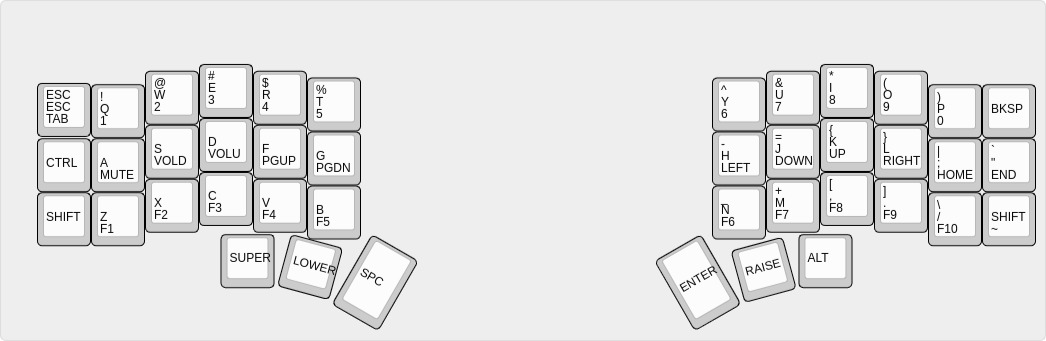
|
||||
|
||||
# Keyboard layout by the-frey
|
||||
|
||||
This is a layout that allows access to all the paren keys easily, has a tab on the lower layer (for SUPER-TAB app switching) and some utility features like PGUP/PGDOWN and HOME/END.
|
||||
|
||||
In addition, the arrows are on the lower layer and are bound to the vim keys (h,j,k,l). I've found this a productive layout for programming in emacs and hopefully you will too.
|
||||
|
||||
The layout image above shows the keymap, with each key marked with all three layers:
|
||||
|
||||
- The top indicates the raise layer
|
||||
- The middle indicates the default layer
|
||||
- The bottom indicates the lower layer
|
||||
|
||||
All the keys respond as you'd expect to the 'shift' key - i.e. on a UK/GB keyboard, `/` becomes `?` and so on.
|
||||
|
||||
@@ -1,45 +0,0 @@
|
||||
/*
|
||||
This is the c configuration file for the keymap
|
||||
|
||||
Copyright 2012 Jun Wako <wakojun@gmail.com>
|
||||
Copyright 2015 Jack Humbert
|
||||
|
||||
This program is free software: you can redistribute it and/or modify
|
||||
it under the terms of the GNU General Public License as published by
|
||||
the Free Software Foundation, either version 2 of the License, or
|
||||
(at your option) any later version.
|
||||
|
||||
This program is distributed in the hope that it will be useful,
|
||||
but WITHOUT ANY WARRANTY; without even the implied warranty of
|
||||
MERCHANTABILITY or FITNESS FOR A PARTICULAR PURPOSE. See the
|
||||
GNU General Public License for more details.
|
||||
|
||||
You should have received a copy of the GNU General Public License
|
||||
along with this program. If not, see <http://www.gnu.org/licenses/>.
|
||||
*/
|
||||
|
||||
#pragma once
|
||||
|
||||
//#define USE_MATRIX_I2C
|
||||
#define FORCE_NKRO
|
||||
|
||||
/* Select hand configuration */
|
||||
|
||||
#define MASTER_LEFT
|
||||
// #define MASTER_RIGHT
|
||||
// #define EE_HANDS
|
||||
|
||||
#define SSD1306OLED
|
||||
|
||||
#define USE_SERIAL_PD2
|
||||
|
||||
#define TAPPING_FORCE_HOLD
|
||||
#define TAPPING_TERM 100
|
||||
|
||||
#undef RGBLED_NUM
|
||||
#define RGBLIGHT_ANIMATIONS
|
||||
#define RGBLED_NUM 27
|
||||
#define RGBLIGHT_LIMIT_VAL 120
|
||||
#define RGBLIGHT_HUE_STEP 10
|
||||
#define RGBLIGHT_SAT_STEP 17
|
||||
#define RGBLIGHT_VAL_STEP 17
|
||||
@@ -1,244 +0,0 @@
|
||||
#include QMK_KEYBOARD_H
|
||||
#include "bootloader.h"
|
||||
#ifdef PROTOCOL_LUFA
|
||||
#include "lufa.h"
|
||||
#include "split_util.h"
|
||||
#endif
|
||||
#ifdef SSD1306OLED
|
||||
#include "ssd1306.h"
|
||||
#endif
|
||||
|
||||
extern keymap_config_t keymap_config;
|
||||
|
||||
#ifdef RGBLIGHT_ENABLE
|
||||
//Following line allows macro to read current RGB settings
|
||||
extern rgblight_config_t rgblight_config;
|
||||
#endif
|
||||
|
||||
extern uint8_t is_master;
|
||||
|
||||
// Each layer gets a name for readability, which is then used in the keymap matrix below.
|
||||
// The underscores don't mean anything - you can have a layer called STUFF or any other name.
|
||||
// Layer names don't all need to be of the same length, obviously, and you can also skip them
|
||||
// entirely and just use numbers.
|
||||
#define _QWERTY 0
|
||||
#define _LOWER 3
|
||||
#define _RAISE 4
|
||||
#define _ADJUST 16
|
||||
|
||||
enum custom_keycodes {
|
||||
QWERTY = SAFE_RANGE,
|
||||
LOWER,
|
||||
RAISE,
|
||||
ADJUST,
|
||||
BACKLIT,
|
||||
RGBRST
|
||||
};
|
||||
|
||||
enum macro_keycodes {
|
||||
KC_SAMPLEMACRO,
|
||||
};
|
||||
|
||||
#define KC______ KC_TRNS
|
||||
#define KC_XXXXX KC_NO
|
||||
#define KC_LOWER LOWER
|
||||
#define KC_RAISE RAISE
|
||||
#define KC_RST RESET
|
||||
#define KC_LRST RGBRST
|
||||
#define KC_LTOG RGB_TOG
|
||||
#define KC_LHUI RGB_HUI
|
||||
#define KC_LHUD RGB_HUD
|
||||
#define KC_LSAI RGB_SAI
|
||||
#define KC_LSAD RGB_SAD
|
||||
#define KC_LVAI RGB_VAI
|
||||
#define KC_LVAD RGB_VAD
|
||||
#define KC_LMOD RGB_MOD
|
||||
#define KC_CTLTB CTL_T(KC_TAB)
|
||||
#define KC_GUIEI GUI_T(KC_LANG2)
|
||||
#define KC_ALTKN ALT_T(KC_LANG1)
|
||||
|
||||
const uint16_t PROGMEM keymaps[][MATRIX_ROWS][MATRIX_COLS] = {
|
||||
[_QWERTY] = LAYOUT_kc( \
|
||||
//,-----------------------------------------. ,-----------------------------------------.
|
||||
ESC, Q, W, E, R, T, Y, U, I, O, P, BSPC,\
|
||||
//|------+------+------+------+------+------| |------+------+------+------+------+------|
|
||||
CTLTB, A, S, D, F, G, H, J, K, L, SCLN, QUOT,\
|
||||
//|------+------+------+------+------+------| |------+------+------+------+------+------|
|
||||
LSFT, Z, X, C, V, B, N, M, COMM, DOT, SLSH, RSFT,\
|
||||
//|------+------+------+------+------+------+------| |------+------+------+------+------+------+------|
|
||||
GUIEI, LOWER, SPC, ENT, RAISE, ALTKN \
|
||||
//`--------------------' `--------------------'
|
||||
),
|
||||
|
||||
[_LOWER] = LAYOUT_kc( \
|
||||
//,-----------------------------------------. ,-----------------------------------------.
|
||||
TAB, 1, 2, 3, 4, 5, 6, 7, 8, 9, 0, BSPC,\
|
||||
//|------+------+------+------+------+------| |------+------+------+------+------+------|
|
||||
CTLTB, MUTE, VOLD, VOLU, PGUP, PGDN, LEFT, DOWN, UP, RIGHT, HOME, END,\
|
||||
//|------+------+------+------+------+------| |------+------+------+------+------+------|
|
||||
LSFT, F1, F2, F3, F4, F5, F6, F7, F8, F9, F10, XXXXX,\
|
||||
//|------+------+------+------+------+------+------| |------+------+------+------+------+------+------|
|
||||
GUIEI, LOWER, SPC, ENT, RAISE, ALTKN \
|
||||
//`--------------------' `--------------------'
|
||||
),
|
||||
|
||||
[_RAISE] = LAYOUT_kc( \
|
||||
//,-----------------------------------------. ,-----------------------------------------.
|
||||
ESC, EXLM, AT, HASH, DLR, PERC, CIRC, AMPR, ASTR, LPRN, RPRN, BSPC,\
|
||||
//|------+------+------+------+------+------| |------+------+------+------+------+------|
|
||||
CTLTB, XXXXX, XXXXX, XXXXX, XXXXX, XXXXX, MINS, EQL, LCBR, RCBR, PIPE, GRV,\
|
||||
//|------+------+------+------+------+------| |------+------+------+------+------+------|
|
||||
LSFT, XXXXX, XXXXX, XXXXX, XXXXX, XXXXX, UNDS, PLUS, LBRC, RBRC, BSLS, TILD,\
|
||||
//|------+------+------+------+------+------+------| |------+------+------+------+------+------+------|
|
||||
GUIEI, LOWER, SPC, ENT, RAISE, ALTKN \
|
||||
//`--------------------' `--------------------'
|
||||
),
|
||||
|
||||
[_ADJUST] = LAYOUT_kc( \
|
||||
//,-----------------------------------------. ,-----------------------------------------.
|
||||
RST, LRST, XXXXX, XXXXX, XXXXX, XXXXX, XXXXX, XXXXX, XXXXX, XXXXX, XXXXX, XXXXX,\
|
||||
//|------+------+------+------+------+------| |------+------+------+------+------+------|
|
||||
LTOG, LHUI, LSAI, LVAI, XXXXX, XXXXX, XXXXX, XXXXX, XXXXX, XXXXX, XXXXX, XXXXX,\
|
||||
//|------+------+------+------+------+------| |------+------+------+------+------+------|
|
||||
LMOD, LHUD, LSAD, LVAD, XXXXX, XXXXX, XXXXX, XXXXX, XXXXX, XXXXX, XXXXX, XXXXX,\
|
||||
//|------+------+------+------+------+------+------| |------+------+------+------+------+------+------|
|
||||
GUIEI, LOWER, SPC, ENT, RAISE, ALTKN \
|
||||
//`--------------------' `--------------------'
|
||||
)
|
||||
};
|
||||
|
||||
int RGB_current_mode;
|
||||
|
||||
// Setting ADJUST layer RGB back to default
|
||||
void update_tri_layer_RGB(uint8_t layer1, uint8_t layer2, uint8_t layer3) {
|
||||
if (IS_LAYER_ON(layer1) && IS_LAYER_ON(layer2)) {
|
||||
layer_on(layer3);
|
||||
} else {
|
||||
layer_off(layer3);
|
||||
}
|
||||
}
|
||||
|
||||
void matrix_init_user(void) {
|
||||
#ifdef RGBLIGHT_ENABLE
|
||||
RGB_current_mode = rgblight_config.mode;
|
||||
#endif
|
||||
//SSD1306 OLED init, make sure to add #define SSD1306OLED in config.h
|
||||
#ifdef SSD1306OLED
|
||||
iota_gfx_init(!has_usb()); // turns on the display
|
||||
#endif
|
||||
}
|
||||
|
||||
//SSD1306 OLED update loop, make sure to add #define SSD1306OLED in config.h
|
||||
#ifdef SSD1306OLED
|
||||
|
||||
// When add source files to SRC in rules.mk, you can use functions.
|
||||
const char *read_layer_state(void);
|
||||
const char *read_logo(void);
|
||||
void set_keylog(uint16_t keycode, keyrecord_t *record);
|
||||
const char *read_keylog(void);
|
||||
const char *read_keylogs(void);
|
||||
|
||||
// const char *read_mode_icon(bool swap);
|
||||
// const char *read_host_led_state(void);
|
||||
// void set_timelog(void);
|
||||
// const char *read_timelog(void);
|
||||
|
||||
void matrix_scan_user(void) {
|
||||
iota_gfx_task();
|
||||
}
|
||||
|
||||
void matrix_render_user(struct CharacterMatrix *matrix) {
|
||||
if (is_master) {
|
||||
// If you want to change the display of OLED, you need to change here
|
||||
matrix_write_ln(matrix, read_layer_state());
|
||||
matrix_write_ln(matrix, read_keylog());
|
||||
matrix_write_ln(matrix, read_keylogs());
|
||||
//matrix_write_ln(matrix, read_mode_icon(keymap_config.swap_lalt_lgui));
|
||||
//matrix_write_ln(matrix, read_host_led_state());
|
||||
//matrix_write_ln(matrix, read_timelog());
|
||||
} else {
|
||||
matrix_write(matrix, read_logo());
|
||||
}
|
||||
}
|
||||
|
||||
void matrix_update(struct CharacterMatrix *dest, const struct CharacterMatrix *source) {
|
||||
if (memcmp(dest->display, source->display, sizeof(dest->display))) {
|
||||
memcpy(dest->display, source->display, sizeof(dest->display));
|
||||
dest->dirty = true;
|
||||
}
|
||||
}
|
||||
|
||||
void iota_gfx_task_user(void) {
|
||||
struct CharacterMatrix matrix;
|
||||
matrix_clear(&matrix);
|
||||
matrix_render_user(&matrix);
|
||||
matrix_update(&display, &matrix);
|
||||
}
|
||||
#endif//SSD1306OLED
|
||||
|
||||
bool process_record_user(uint16_t keycode, keyrecord_t *record) {
|
||||
if (record->event.pressed) {
|
||||
#ifdef SSD1306OLED
|
||||
set_keylog(keycode, record);
|
||||
#endif
|
||||
// set_timelog();
|
||||
}
|
||||
|
||||
switch (keycode) {
|
||||
case QWERTY:
|
||||
if (record->event.pressed) {
|
||||
set_single_persistent_default_layer(_QWERTY);
|
||||
}
|
||||
return false;
|
||||
break;
|
||||
case LOWER:
|
||||
if (record->event.pressed) {
|
||||
layer_on(_LOWER);
|
||||
update_tri_layer_RGB(_LOWER, _RAISE, _ADJUST);
|
||||
} else {
|
||||
layer_off(_LOWER);
|
||||
update_tri_layer_RGB(_LOWER, _RAISE, _ADJUST);
|
||||
}
|
||||
return false;
|
||||
break;
|
||||
case RAISE:
|
||||
if (record->event.pressed) {
|
||||
layer_on(_RAISE);
|
||||
update_tri_layer_RGB(_LOWER, _RAISE, _ADJUST);
|
||||
} else {
|
||||
layer_off(_RAISE);
|
||||
update_tri_layer_RGB(_LOWER, _RAISE, _ADJUST);
|
||||
}
|
||||
return false;
|
||||
break;
|
||||
case ADJUST:
|
||||
if (record->event.pressed) {
|
||||
layer_on(_ADJUST);
|
||||
} else {
|
||||
layer_off(_ADJUST);
|
||||
}
|
||||
return false;
|
||||
break;
|
||||
case RGB_MOD:
|
||||
#ifdef RGBLIGHT_ENABLE
|
||||
if (record->event.pressed) {
|
||||
rgblight_mode(RGB_current_mode);
|
||||
rgblight_step();
|
||||
RGB_current_mode = rgblight_config.mode;
|
||||
}
|
||||
#endif
|
||||
return false;
|
||||
break;
|
||||
case RGBRST:
|
||||
#ifdef RGBLIGHT_ENABLE
|
||||
if (record->event.pressed) {
|
||||
eeconfig_update_rgblight_default();
|
||||
rgblight_enable();
|
||||
RGB_current_mode = rgblight_config.mode;
|
||||
}
|
||||
#endif
|
||||
break;
|
||||
}
|
||||
return true;
|
||||
}
|
||||
|
||||
@@ -1,31 +0,0 @@
|
||||
|
||||
# Build Options
|
||||
# change to "no" to disable the options, or define them in the Makefile in
|
||||
# the appropriate keymap folder that will get included automatically
|
||||
#
|
||||
BOOTMAGIC_ENABLE = no # Virtual DIP switch configuration(+1000)
|
||||
MOUSEKEY_ENABLE = no # Mouse keys(+4700)
|
||||
EXTRAKEY_ENABLE = no # Audio control and System control(+450)
|
||||
CONSOLE_ENABLE = no # Console for debug(+400)
|
||||
COMMAND_ENABLE = no # Commands for debug and configuration
|
||||
NKRO_ENABLE = no # Nkey Rollover - if this doesn't work, see here: https://github.com/tmk/tmk_keyboard/wiki/FAQ#nkro-doesnt-work
|
||||
BACKLIGHT_ENABLE = no # Enable keyboard backlight functionality
|
||||
MIDI_ENABLE = no # MIDI controls
|
||||
AUDIO_ENABLE = no # Audio output on port C6
|
||||
UNICODE_ENABLE = no # Unicode
|
||||
BLUETOOTH_ENABLE = no # Enable Bluetooth with the Adafruit EZ-Key HID
|
||||
RGBLIGHT_ENABLE = yes # Enable WS2812 RGB underlight.
|
||||
SWAP_HANDS_ENABLE = no # Enable one-hand typing
|
||||
|
||||
# Do not enable SLEEP_LED_ENABLE. it uses the same timer as BACKLIGHT_ENABLE
|
||||
SLEEP_LED_ENABLE = no # Breathing sleep LED during USB suspend
|
||||
|
||||
# If you want to change the display of OLED, you need to change here
|
||||
SRC += ./lib/glcdfont.c \
|
||||
./lib/rgb_state_reader.c \
|
||||
./lib/layer_state_reader.c \
|
||||
./lib/logo_reader.c \
|
||||
./lib/keylogger.c \
|
||||
# ./lib/mode_icon_reader.c \
|
||||
# ./lib/host_led_state_reader.c \
|
||||
# ./lib/timelogger.c \
|
||||
@@ -455,10 +455,10 @@ i2c_status_t i2c_transaction(uint8_t address, uint32_t mask, uint8_t col_offset)
|
||||
matrix[MATRIX_ROWS - 1] |= ((uint32_t)err << (MATRIX_COLS_SCANNED + col_offset)); //add new bits at the end
|
||||
|
||||
} else {
|
||||
i2c_stop();
|
||||
i2c_stop(10);
|
||||
return 1;
|
||||
}
|
||||
|
||||
i2c_stop();
|
||||
i2c_stop(10);
|
||||
return 0;
|
||||
}
|
||||
@@ -22,7 +22,7 @@
|
||||
#define DEBOUNCE 3
|
||||
#define RGB_DISABLE_AFTER_TIMEOUT 0 // number of ticks to wait until disabling effects
|
||||
#define RGB_DISABLE_WHEN_USB_SUSPENDED false // turn off effects when suspended
|
||||
#define RGB_MATRIX_SKIP_FRAMES 10
|
||||
#define RGB_MATRIX_SKIP_FRAMES 0
|
||||
#define RGB_MATRIX_KEYPRESSES
|
||||
#define DISABLE_RGB_MATRIX_SPLASH
|
||||
#define DISABLE_RGB_MATRIX_MULTISPLASH
|
||||
@@ -31,3 +31,4 @@
|
||||
#define DRIVER_ADDR_2 0b1010000 // this is here for compliancy reasons.
|
||||
|
||||
#define DRIVER_COUNT 2
|
||||
|
||||
|
||||
@@ -23,7 +23,7 @@
|
||||
#define DEBOUNCE 3
|
||||
#define RGB_DISABLE_AFTER_TIMEOUT 0 // number of ticks to wait until disabling effects
|
||||
#define RGB_DISABLE_WHEN_USB_SUSPENDED false // turn off effects when suspended
|
||||
#define RGB_MATRIX_SKIP_FRAMES 10
|
||||
#define RGB_MATRIX_SKIP_FRAMES 0
|
||||
#define RGB_MATRIX_KEYPRESSES
|
||||
#define DISABLE_RGB_MATRIX_SPLASH
|
||||
#define DISABLE_RGB_MATRIX_MULTISPLASH
|
||||
@@ -31,5 +31,4 @@
|
||||
#define DRIVER_ADDR_1 0b1010000
|
||||
#define DRIVER_ADDR_2 0b1010000 // this is here for compliancy reasons.
|
||||
#define DRIVER_COUNT 2
|
||||
#define DRIVER_1_LED_TOTAL 63
|
||||
#define DRIVER_LED_TOTAL DRIVER_1_LED_TOTAL
|
||||
|
||||
|
||||
@@ -1,6 +1,4 @@
|
||||
#pragma once
|
||||
#define dzrgb60_ansi
|
||||
#undef DRIVER_1_LED_TOTAL
|
||||
#undef DRIVER_LED_TOTAL
|
||||
#define DRIVER_1_LED_TOTAL 61
|
||||
#define DRIVER_LED_TOTAL DRIVER_1_LED_TOTAL
|
||||
|
||||
@@ -0,0 +1,3 @@
|
||||
#pragma once
|
||||
#define DRIVER_1_LED_TOTAL 63
|
||||
#define DRIVER_LED_TOTAL DRIVER_1_LED_TOTAL
|
||||
@@ -10,7 +10,7 @@ extern bool g_suspend_state;
|
||||
#define _LAYER7 7
|
||||
const uint16_t PROGMEM keymaps[][MATRIX_ROWS][MATRIX_COLS] = {
|
||||
[_LAYER0] = LAYOUT( /* Base */
|
||||
KC_GESC, KC_1, KC_2, KC_3, KC_4, KC_5, KC_6, KC_7, KC_8, KC_9, KC_0, KC_MINS, KC_EQL, KC_BSPC,\
|
||||
RESET, RGB_MOD, KC_2, KC_3, KC_4, KC_5, KC_6, KC_7, KC_8, KC_9, KC_0, KC_MINS, KC_EQL, KC_BSPC,\
|
||||
KC_TAB, KC_Q, KC_W, KC_E, KC_R, KC_T, KC_Y, KC_U, KC_I, KC_O, KC_P, KC_LBRC, KC_RBRC, KC_BSLASH,\
|
||||
CTL_T(KC_CAPS), KC_A, KC_S, KC_D, KC_F, KC_G, KC_H, KC_J, KC_K, KC_L, KC_SCLN, KC_QUOT, KC_ENT, \
|
||||
KC_LSFT, KC_Z, KC_X, KC_C, KC_V, KC_B, KC_N, KC_M, KC_COMM, KC_DOT, RSFT_T(KC_SLSH), KC_UP, LT(2, KC_DEL),\
|
||||
@@ -60,90 +60,92 @@ void rgb_matrix_indicators_user(void) {
|
||||
if (!g_suspend_state) {
|
||||
switch (biton32(layer_state)) {
|
||||
case _LAYER1:
|
||||
rgb_matrix_layer_helper(0xFF, 0x00, 0x00, false);
|
||||
break;
|
||||
rgb_matrix_layer_helper(0xFF, 0x00, 0x00, false); break;
|
||||
case _LAYER2:
|
||||
rgb_matrix_layer_helper(0x00, 0xFF, 0x00, false);
|
||||
break;
|
||||
case _LAYER3:
|
||||
if ( this_led & (1<<USB_LED_NUM_LOCK)) {
|
||||
rgb_matrix_set_color(13, 0xFF, 0x00, 0x00);
|
||||
} else {
|
||||
rgb_matrix_set_color(13, 0x00, 0x00, 0x00);
|
||||
}
|
||||
rgb_matrix_set_color(0, 0x00, 0xFF, 0x00);
|
||||
rgb_matrix_set_color(1, 0x00, 0x00, 0x00);
|
||||
rgb_matrix_set_color(1, 0x00, 0xFF, 0x00);
|
||||
rgb_matrix_set_color(2, 0x00, 0xFF, 0x00);
|
||||
rgb_matrix_set_color(3, 0x00, 0xFF, 0x00);
|
||||
rgb_matrix_set_color(4, 0x00, 0xFF, 0x00);
|
||||
rgb_matrix_set_color(5, 0x00, 0x00, 0x00);
|
||||
rgb_matrix_set_color(6, 0x00, 0x00, 0x00);
|
||||
rgb_matrix_set_color(7, 0x00, 0x00, 0x00);
|
||||
rgb_matrix_set_color(8, 0x00, 0x00, 0x00);
|
||||
rgb_matrix_set_color(9, 0xFF, 0xFF, 0x00);
|
||||
rgb_matrix_set_color(10, 0xFF, 0xFF, 0x00);
|
||||
rgb_matrix_set_color(11, 0xFF, 0xFF, 0x00);
|
||||
rgb_matrix_set_color(12, 0xFF, 0xFF, 0x00);
|
||||
rgb_matrix_set_color(14, 0x00, 0x00, 0xFF);
|
||||
rgb_matrix_set_color(15, 0x00, 0x00, 0x00);
|
||||
rgb_matrix_set_color(16, 0x00, 0x00, 0x00);
|
||||
rgb_matrix_set_color(17, 0x00, 0xFF, 0x00);
|
||||
rgb_matrix_set_color(18, 0x00, 0xFF, 0x00);
|
||||
rgb_matrix_set_color(19, 0x00, 0xFF, 0x00);
|
||||
rgb_matrix_set_color(20, 0x00, 0x00, 0x00);
|
||||
rgb_matrix_set_color(21, 0x00, 0x00, 0x00);
|
||||
rgb_matrix_set_color(22, 0x00, 0x00, 0x00);
|
||||
rgb_matrix_set_color(23, 0x00, 0x00, 0x00);
|
||||
rgb_matrix_set_color(24, 0xFF, 0xFF, 0x00);
|
||||
rgb_matrix_set_color(25, 0xFF, 0xFF, 0x00);
|
||||
rgb_matrix_set_color(26, 0xFF, 0xFF, 0x00);
|
||||
rgb_matrix_set_color(27, 0x00, 0x00, 0x00);
|
||||
rgb_matrix_set_color(28, 0x00, 0xFF, 0x00);
|
||||
rgb_matrix_set_color(29, 0x00, 0x00, 0x00);
|
||||
rgb_matrix_set_color(30, 0x00, 0xFF, 0x00);
|
||||
rgb_matrix_set_color(31, 0x00, 0xFF, 0x00);
|
||||
rgb_matrix_set_color(32, 0x00, 0xFF, 0x00);
|
||||
rgb_matrix_set_color(33, 0x00, 0x00, 0x00);
|
||||
rgb_matrix_set_color(34, 0x00, 0x00, 0x00);
|
||||
rgb_matrix_set_color(35, 0x00, 0x00, 0x00);
|
||||
rgb_matrix_set_color(36, 0x00, 0x00, 0x00);
|
||||
rgb_matrix_set_color(37, 0xFF, 0xFF, 0x00);
|
||||
rgb_matrix_set_color(38, 0xFF, 0xFF, 0x00);
|
||||
rgb_matrix_set_color(39, 0xFF, 0xFF, 0x00);
|
||||
rgb_matrix_set_color(40, 0x00, 0x00, 0x00);
|
||||
rgb_matrix_set_color(41, 0x00, 0x00, 0x00);
|
||||
rgb_matrix_set_color(42, 0x00, 0x00, 0x00);
|
||||
rgb_matrix_set_color(43, 0x00, 0xFF, 0x00);
|
||||
rgb_matrix_set_color(44, 0x00, 0xFF, 0x00);
|
||||
rgb_matrix_set_color(45, 0x00, 0xFF, 0x00);
|
||||
rgb_matrix_set_color(46, 0x00, 0x00, 0x00);
|
||||
rgb_matrix_set_color(47, 0x00, 0x00, 0x00);
|
||||
rgb_matrix_set_color(48, 0x00, 0x00, 0x00);
|
||||
rgb_matrix_set_color(49, 0x00, 0x00, 0x00);
|
||||
rgb_matrix_set_color(50, 0xFF, 0xFF, 0x00);
|
||||
rgb_matrix_set_color(51, 0xFF, 0xFF, 0x00);
|
||||
rgb_matrix_set_color(52, 0xFF, 0xFF, 0x00);
|
||||
rgb_matrix_set_color(53, 0x00, 0x00, 0x00);
|
||||
rgb_matrix_set_color(54, 0x00, 0x00, 0x00);
|
||||
rgb_matrix_set_color(55, 0x00, 0x00, 0x00);
|
||||
rgb_matrix_set_color(56, 0x00, 0x00, 0x00);
|
||||
rgb_matrix_set_color(57, 0x00, 0xFF, 0x00);
|
||||
rgb_matrix_set_color(58, 0x00, 0xFF, 0x00);
|
||||
rgb_matrix_set_color(59, 0xFF, 0x00, 0x00);
|
||||
rgb_matrix_set_color(60, 0xFF, 0xFF, 0x00);
|
||||
rgb_matrix_set_color(61, 0xFF, 0xFF, 0x00);
|
||||
rgb_matrix_set_color(62, 0x00, 0x00, 0x00);
|
||||
break;
|
||||
rgb_matrix_layer_helper(0x00, 0xFF, 0x00, false); break;
|
||||
case _LAYER4:
|
||||
rgb_matrix_layer_helper(0xFF, 0xFF, 0x00, false);
|
||||
break;
|
||||
}
|
||||
}
|
||||
if ( this_led & (1<<USB_LED_CAPS_LOCK)) {
|
||||
rgb_matrix_set_color(40, 0xFF, 0xFF, 0xFF);
|
||||
}
|
||||
rgb_matrix_layer_helper(0xFF, 0xFF, 0x00, false); break;
|
||||
}
|
||||
}
|
||||
if ( this_led & (1<<USB_LED_CAPS_LOCK)) {
|
||||
rgb_matrix_set_color(40, 0xFF, 0xFF, 0xFF);
|
||||
}
|
||||
|
||||
switch (biton32(layer_state)) {
|
||||
case _LAYER3:
|
||||
if ( this_led & (1<<USB_LED_NUM_LOCK))
|
||||
{
|
||||
rgb_matrix_set_color(13, 0xFF, 0x00, 0x00);
|
||||
}
|
||||
else
|
||||
{
|
||||
rgb_matrix_set_color(13, 0x00, 0x00, 0x00);
|
||||
}
|
||||
rgb_matrix_set_color(0, 0x00, 0xFF, 0x00);
|
||||
rgb_matrix_set_color(1, 0x00, 0x00, 0x00);
|
||||
rgb_matrix_set_color(1, 0x00, 0xFF, 0x00);
|
||||
rgb_matrix_set_color(2, 0x00, 0xFF, 0x00);
|
||||
rgb_matrix_set_color(3, 0x00, 0xFF, 0x00);
|
||||
rgb_matrix_set_color(4, 0x00, 0xFF, 0x00);
|
||||
rgb_matrix_set_color(5, 0x00, 0x00, 0x00);
|
||||
rgb_matrix_set_color(6, 0x00, 0x00, 0x00);
|
||||
rgb_matrix_set_color(7, 0x00, 0x00, 0x00);
|
||||
rgb_matrix_set_color(8, 0x00, 0x00, 0x00);
|
||||
rgb_matrix_set_color(9, 0xFF, 0xFF, 0x00);
|
||||
rgb_matrix_set_color(10, 0xFF, 0xFF, 0x00);
|
||||
rgb_matrix_set_color(11, 0xFF, 0xFF, 0x00);
|
||||
rgb_matrix_set_color(12, 0xFF, 0xFF, 0x00);
|
||||
rgb_matrix_set_color(14, 0x00, 0x00, 0xFF);
|
||||
rgb_matrix_set_color(15, 0x00, 0x00, 0x00);
|
||||
rgb_matrix_set_color(16, 0x00, 0x00, 0x00);
|
||||
rgb_matrix_set_color(17, 0x00, 0xFF, 0x00);
|
||||
rgb_matrix_set_color(18, 0x00, 0xFF, 0x00);
|
||||
rgb_matrix_set_color(19, 0x00, 0xFF, 0x00);
|
||||
rgb_matrix_set_color(20, 0x00, 0x00, 0x00);
|
||||
rgb_matrix_set_color(21, 0x00, 0x00, 0x00);
|
||||
rgb_matrix_set_color(22, 0x00, 0x00, 0x00);
|
||||
rgb_matrix_set_color(23, 0x00, 0x00, 0x00);
|
||||
rgb_matrix_set_color(24, 0xFF, 0xFF, 0x00);
|
||||
rgb_matrix_set_color(25, 0xFF, 0xFF, 0x00);
|
||||
rgb_matrix_set_color(26, 0xFF, 0xFF, 0x00);
|
||||
rgb_matrix_set_color(27, 0x00, 0x00, 0x00);
|
||||
rgb_matrix_set_color(28, 0x00, 0xFF, 0x00);
|
||||
rgb_matrix_set_color(29, 0x00, 0x00, 0x00);
|
||||
rgb_matrix_set_color(30, 0x00, 0xFF, 0x00);
|
||||
rgb_matrix_set_color(31, 0x00, 0xFF, 0x00);
|
||||
rgb_matrix_set_color(32, 0x00, 0xFF, 0x00);
|
||||
rgb_matrix_set_color(33, 0x00, 0x00, 0x00);
|
||||
rgb_matrix_set_color(34, 0x00, 0x00, 0x00);
|
||||
rgb_matrix_set_color(35, 0x00, 0x00, 0x00);
|
||||
rgb_matrix_set_color(36, 0x00, 0x00, 0x00);
|
||||
rgb_matrix_set_color(37, 0xFF, 0xFF, 0x00);
|
||||
rgb_matrix_set_color(38, 0xFF, 0xFF, 0x00);
|
||||
rgb_matrix_set_color(39, 0xFF, 0xFF, 0x00);
|
||||
rgb_matrix_set_color(40, 0x00, 0x00, 0x00);
|
||||
rgb_matrix_set_color(41, 0x00, 0x00, 0x00);
|
||||
rgb_matrix_set_color(42, 0x00, 0x00, 0x00);
|
||||
rgb_matrix_set_color(43, 0x00, 0xFF, 0x00);
|
||||
rgb_matrix_set_color(44, 0x00, 0xFF, 0x00);
|
||||
rgb_matrix_set_color(45, 0x00, 0xFF, 0x00);
|
||||
rgb_matrix_set_color(46, 0x00, 0x00, 0x00);
|
||||
rgb_matrix_set_color(47, 0x00, 0x00, 0x00);
|
||||
rgb_matrix_set_color(48, 0x00, 0x00, 0x00);
|
||||
rgb_matrix_set_color(49, 0x00, 0x00, 0x00);
|
||||
rgb_matrix_set_color(50, 0xFF, 0xFF, 0x00);
|
||||
rgb_matrix_set_color(51, 0xFF, 0xFF, 0x00);
|
||||
rgb_matrix_set_color(52, 0xFF, 0xFF, 0x00);
|
||||
rgb_matrix_set_color(53, 0x00, 0x00, 0x00);
|
||||
rgb_matrix_set_color(54, 0x00, 0x00, 0x00);
|
||||
rgb_matrix_set_color(55, 0x00, 0x00, 0x00);
|
||||
rgb_matrix_set_color(56, 0x00, 0x00, 0x00);
|
||||
rgb_matrix_set_color(57, 0x00, 0xFF, 0x00);
|
||||
rgb_matrix_set_color(58, 0x00, 0xFF, 0x00);
|
||||
rgb_matrix_set_color(59, 0xFF, 0x00, 0x00);
|
||||
rgb_matrix_set_color(60, 0xFF, 0xFF, 0x00);
|
||||
rgb_matrix_set_color(61, 0xFF, 0xFF, 0x00);
|
||||
rgb_matrix_set_color(62, 0x00, 0x00, 0x00);
|
||||
break;
|
||||
}
|
||||
}
|
||||
|
||||
|
||||
|
||||
@@ -1,6 +1,4 @@
|
||||
#pragma once
|
||||
#define dzrgb60_hhkb
|
||||
#undef DRIVER_1_LED_TOTAL
|
||||
#undef DRIVER_LED_TOTAL
|
||||
#define DRIVER_1_LED_TOTAL 62
|
||||
#define DRIVER_LED_TOTAL DRIVER_1_LED_TOTAL
|
||||
|
||||
@@ -1,6 +1,4 @@
|
||||
#pragma once
|
||||
#define dzrgb60_hhkb_iso
|
||||
#undef DRIVER_1_LED_TOTAL
|
||||
#undef DRIVER_LED_TOTAL
|
||||
#define DRIVER_1_LED_TOTAL 62
|
||||
#define DRIVER_LED_TOTAL DRIVER_1_LED_TOTAL
|
||||
|
||||
@@ -1,6 +1,4 @@
|
||||
#pragma once
|
||||
#define dzrgb60_iso
|
||||
#undef DRIVER_1_LED_TOTAL
|
||||
#undef DRIVER_LED_TOTAL
|
||||
#define DRIVER_1_LED_TOTAL 61
|
||||
#define DRIVER_LED_TOTAL DRIVER_1_LED_TOTAL
|
||||
|
||||
Some files were not shown because too many files have changed in this diff Show More
Reference in New Issue
Block a user